Search results for: 'mato a la suegra mato a la mujer y se fue con el hijo'
-
-
 Institutional CollaborationsIndia Modern: Narratives from 20th Century Indian Art$1.00
This exhibition takes us on a journey into the lives and works of artists from a diverse range of traditions and practices. Despite differences in technique, philosophy and politics, they are united by an attempt to forge a new language of Indian art which rebels against existing visual vocabularies while seamlessly combining influences from European modernism and the rich history of visual arts from South Asia. This assimilation is achieved in different ways. From M. F. Husain’s figurative renditions of Indian deities to the many languages of abstraction developed by artists like Ram Kumar, Ganesh Haloi and others—we see artists responding variously to the socio-cultural problems of a post-colonial nation.
Learn More -
 JournalWilliam Dalrymple on ‘Panorama of a Small British Station on the Ganges’$0.00
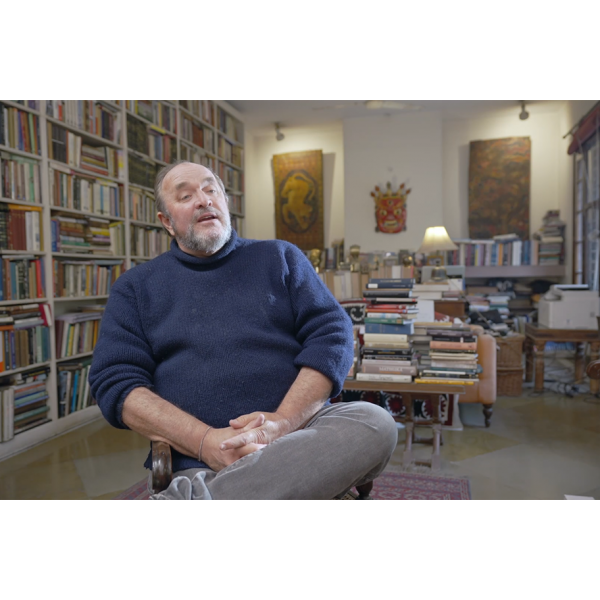
'Iconic Masterpieces of Indian Modern Art, Edition 2' opened on 11 February, featuring fifty artworks which shaped the trajectory of pre-modern and modern art in the country. As part of the exhibition, William Dalrymple reflects on the painting ‘Panorama of a Small British Station on the Ganges’. Commissioned by Major James Natheniel Rind and painted like a scientific record of a scenario, the composition evokes a transitional phase between an older Mughal ethos and the emerging world of the Company.
Join us for a talk by William Dalrymple on Indian Painting for the East India Company on Wednesday, 5th April 2023, 7pm at DAG, 22A Janpath Road, Windsor Place, New Delhi
Learn More -
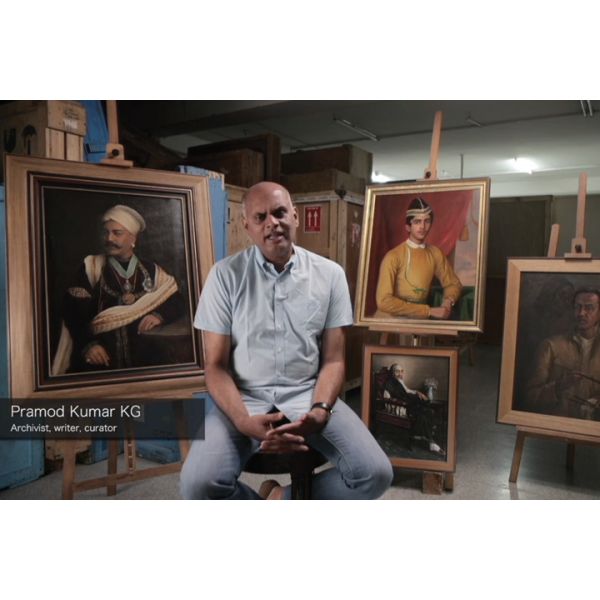 JournalA Portrait of our People$0.00
This exhbition explored the evolution of the genre of portrait painting in India. Curated by Pramod Kumar KG, it was specially created for Drishyakala, a joint collaboration between DAG and the Archaeological Survey of India, at Red Fort, Delhi. Visitors came face to face with dazzling canvases, expressive watercolours and early prints of people known and unknown in this extraordinary exhibition.
Learn More -
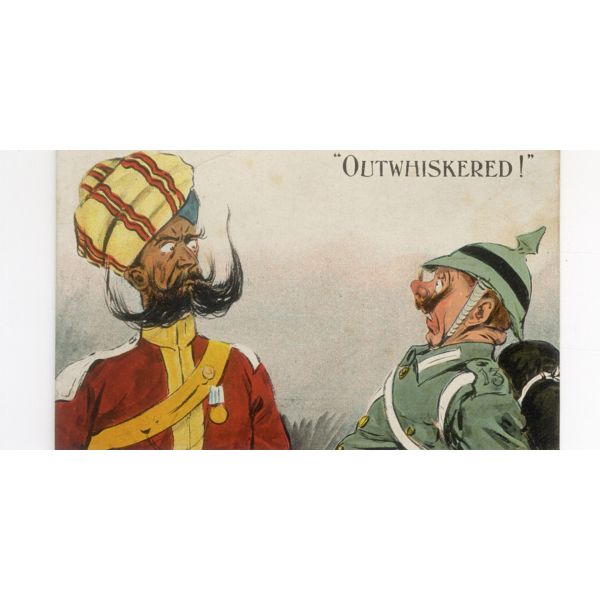 JournalArchive Case Files$0.00
The DAG Archives travel to schools and colleges for the first time with a new education programme—Archive Case Files. Follow the journey of these students as they work with a collection of World War I postcards, to learn more about the role of visual archives in the classroom.
Learn More -
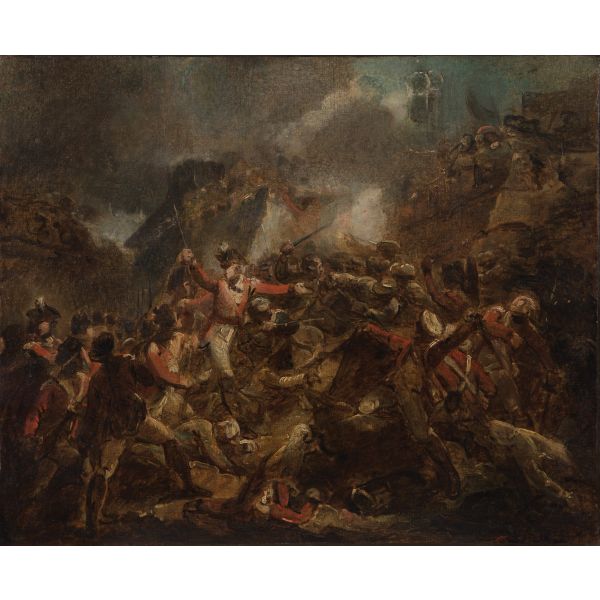 Teaching Through ArtTipoo: The man and the myth$1.00
A creative response guide on exploring multiple historical perspectives through artworks and archival material on the fall of Tipoo Sultan.
Learn More -
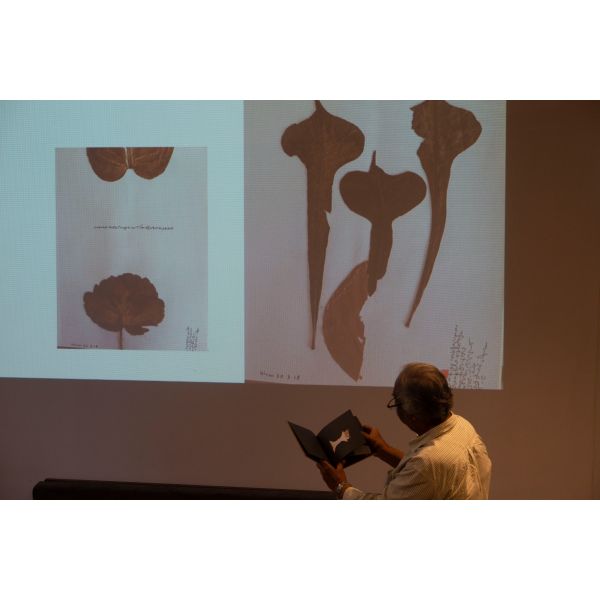 Events and ProgrammesAssemblage: Material Matters$1.00
A presentation and workshop with artist Hiran Mitra to examine intersecting ideas of montage-collage-assemblage in art-making.
Learn More -
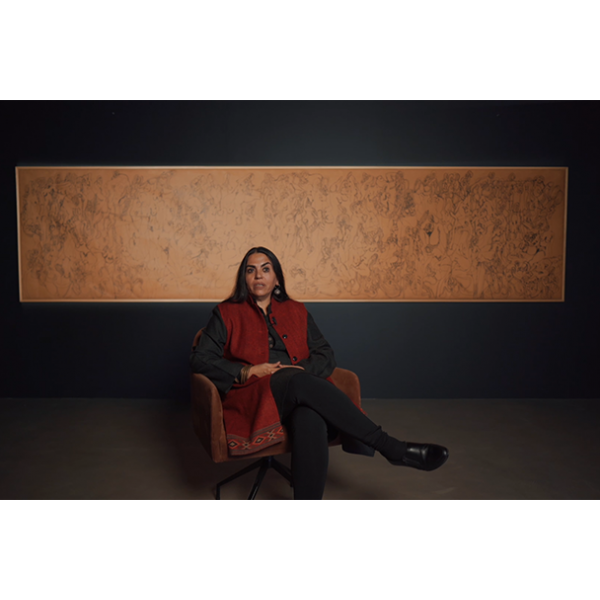 JournalAlita Chandra on Avinash Chandra$0.00
Alita Chandra, daughter of the artist Avinash Chandra reflects on the transcultural influences on his painting and his preoccupation with female subjects.
Learn More -
 JournalDrishyakala by DAG in collaboration with ASI$0.00
DAG in collaboration with ASI (Archaeological Survey of India) presents Drishyakala. An incredible array of over 400 artworks spread over 25,000 square ft. by India’s leading artists from the DAG collection—made all the more unique for its presentation within a UNESCO World Heritage Site—the Red Fort.
Learn More -
 ArtistsCompany Paintings$0.00
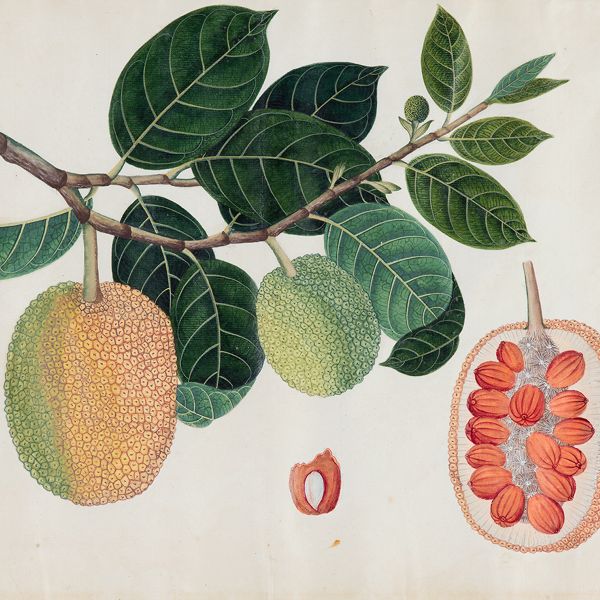
Ethnographic mapping and documentation of a vast country like India was an important part of the political and economic expansion of the East India Company from the middle of the seventeenth century onwards.
Learn More