Search results for: 'Registeration for up'
-
 Events and ProgrammesFont, Form, Function$1.00
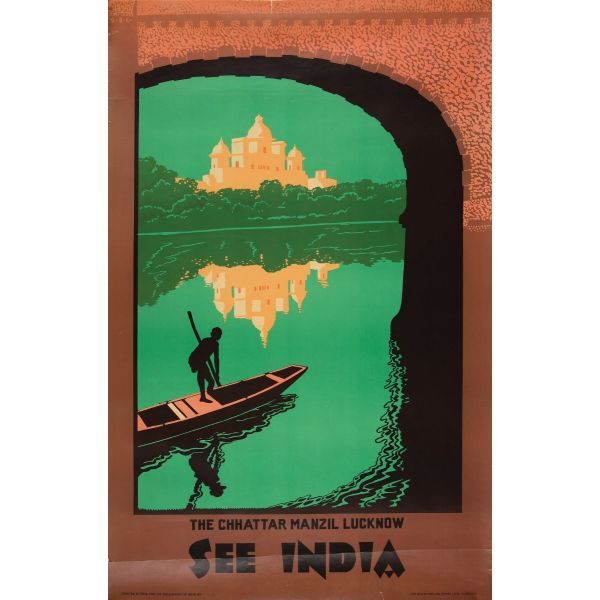
A workshop on typography and the art of font-making, facilitated by Diptanshu Roy, Creative Director (Wunderman Thompson) and Musician, inspired by the poster art of early 20th century.
Learn More -
-
 ExhibitionsWilliam Hodges & the Prospect of IndiaAs low as $1.00
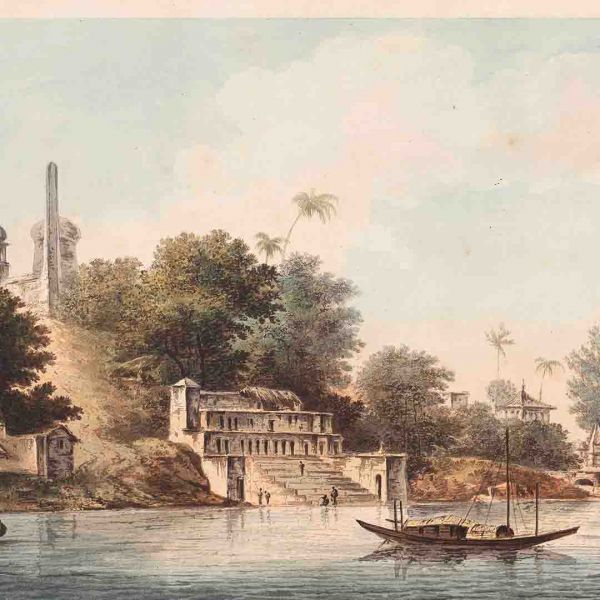
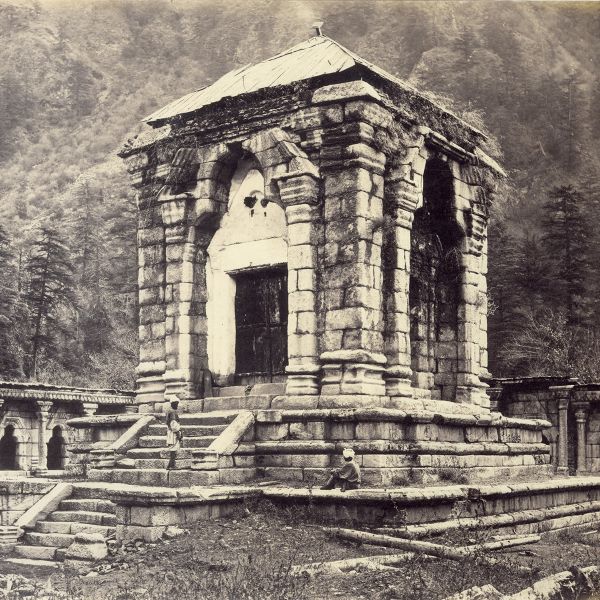
William Hodges (1744-97) was a pioneer in more ways than one. He was the first British landscape painter to visit India, and to portray scenery across the whole breadth of the Gangetic plain. As a writer, he gave the first detailed descriptions of numerous historic Indian buildings, and he theorised about the origins and evolution of Indian architectural design. His art illustrates his exploration into terrain which—in its breadth and scope—was at the time almost as unfamiliar to Indian as to Western eyes.
Learn More -
 ExhibitionsDAG at Serendipity Goa 2016As low as $1.00
By the end of the century, however, the scene was changing, and infrastructure—following the economic reforms in 1991—began to improve, creating an interest in collecting art. Twentieth century Indian modern art has since been at the forefront of collecting and investing in Indian art, and DAG, which has the largest private collection of Indian art has a marked focus on this period of Indian art. Ambadas F. N. Souza G. R. Santosh George Keyt Jamini Roy K. K. Hebbar Kanwal Krishna Laxman Pai M. F. Husain M. F. Pithawalla M. V. Dhurandhar Madhvi Parekh Nandalal Bose Nemai Ghosh Prokash Karmakar Rabin Mondal
Learn More -
-
 ExhibitionsDelhi Durbar: Empire, Display and the Possession of HistoryAs low as $1.00
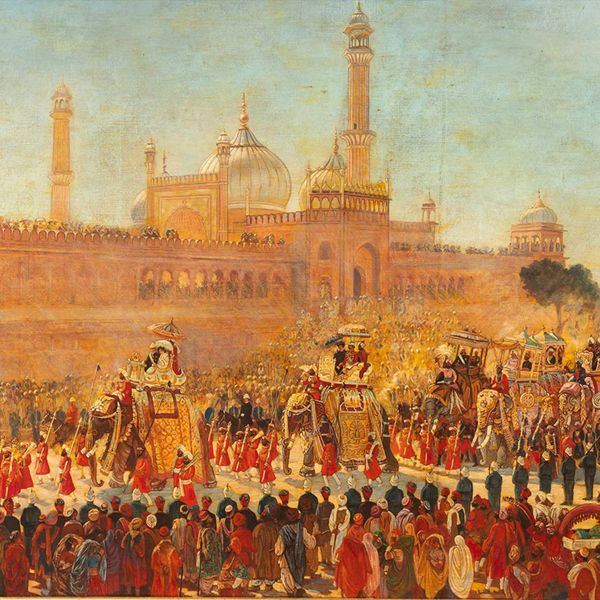
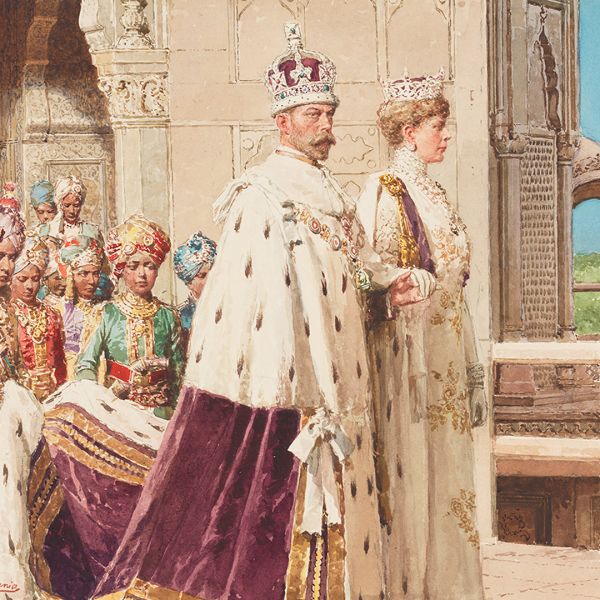
DAG invited leading historians of Delhi, Swapna Liddle and Rana Safvi, to explore our archives collection. The items they found there include numerous photographs of the three durbars, taken by prominent photographers of the day. They also include many other objects relating to the durbars, from portraits and medals, to maps and official guidebooks, and to tickets and programmes. Historians in the past have analysed the ideology of the Delhi durbars, but never before has such a collection of the material culture of these events been brought together for display.
Learn More -
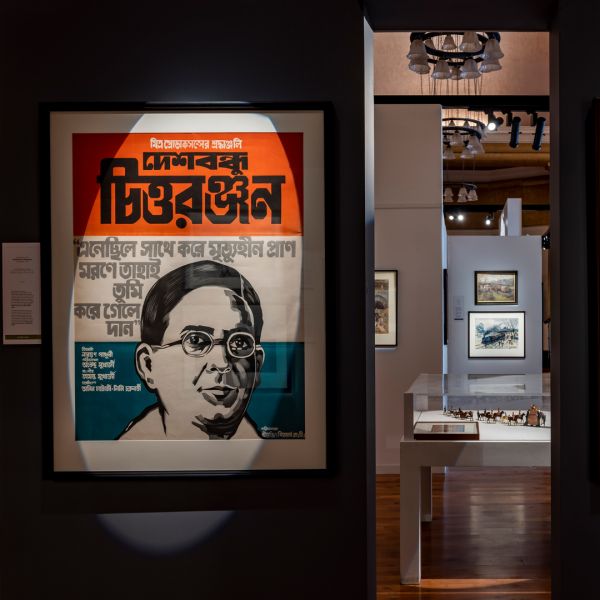 ExhibitionsMarch to FreedomAs low as $1.00March to Freedom re-interprets the well-known story of the Indian freedom struggle and anticolonial movement through works of art and some historic artefacts. Drawn from the collections of DAG, they range from eighteenth and nineteenth century European paintings and prints, to lesser known works by Indian artists that merit greater recognition, alongside some iconic pieces. Rather than following the usual chronological path, the story is structured around eight themes. Each represents one arena, or stage, on which the anti-colonial struggle took place, to expand the story beyond politics, politicians, and battles (which also feature). Conceived to commemorate and celebrate the 75th anniversary of India’s independence, this visual journey seeks to do more. A. A. Raiba Asit Kumar Haldar Alfred Crowdy Lovett Atul Bose Baburao Sadwelkar Bijan Chowdhury Biren De C. Stanfield Charles D’Oyly Charles Shepherd Charles Walter D’Oyly Chintamoni Kar Chittaprosad Dattatraya Apte David Gould Green Devayani Krishna D. Newsome Edward Orme Gobardhan Ash Gopal Ghose G. Tait Haren Das Hemanta Misra Henri Cartier-Bresson Henry Martens Henry Salt Henry Singleton Jacob Epstein James Hunter James Fraser John Gantz John Jabez Edwin Mayall K. K. Hebbar Kanwal Krishna K. C. S. Paniker K. G. Subramanyan K. Sreenivasulu K. S. Kulkarni Laxman Pai M. Eyre Proudman M. K. Parandekar M. S. Morgan Nemai Ghosh N. R. Sardesai Prahlad Anant Dhond Paritosh Sen Prokash Karmakar P. T. Reddy Radha Charan Bagchi Robert Dodd R. Vijay Satish Gujral Satish Sinha S. Dhanapal Stella Brown Sudhir Khastgir Sushil Chandra Sen Sunil Das Sunil Madhav Sen Thomas Anbury Thomas Daniell Thomas Jones Barker V. A. Mali V. B. Pathare V. Veevers William Daniell William Hodges Anonymous Artists Learn More