Search results for: 'old masters artwork on mumbai and mumbai l'
-
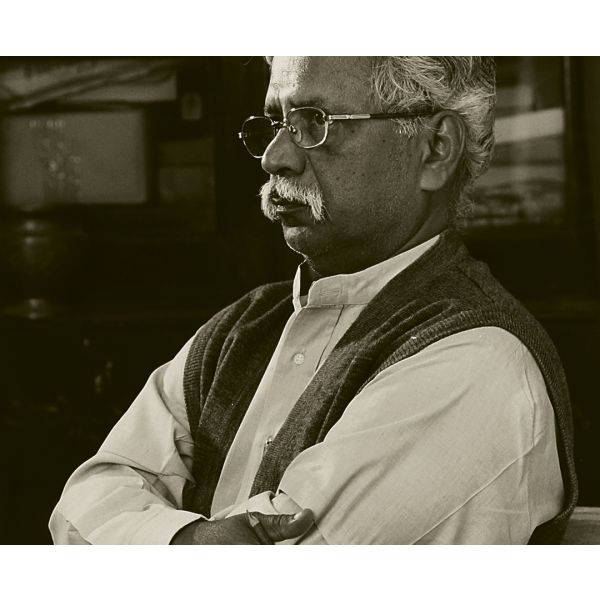 ArtistsK. Laxma Goud$0.00Born in Nizampur in Andhra Pradesh on 21 August 1940, K. Laxma Goud obtained a diploma in painting and drawing from the Government College of Fine Arts and Architecture in Hyderabad in 1963. He followed it up with a post-diploma in mural painting and printmaking from Faculty of Fine Arts, Baroda. Learn More
 -
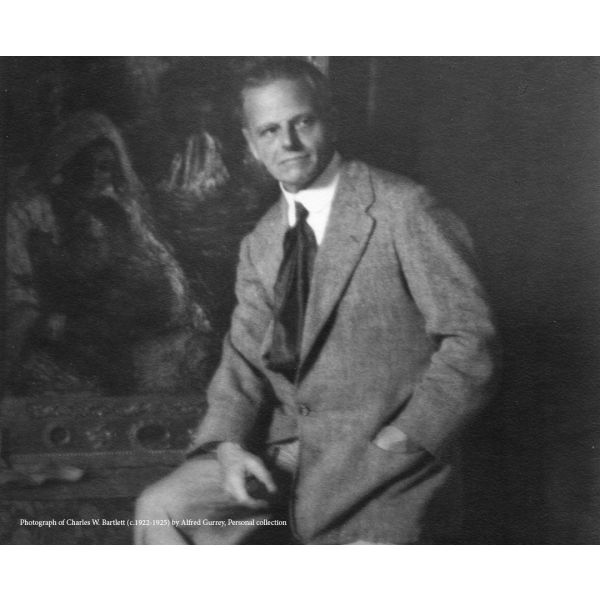 ArtistsCharles W. Bartlett$0.00
English painter Charles William Bartlett remains one of the most exceptional, non-Japanese woodblock artists of the twentieth century.
Learn More -
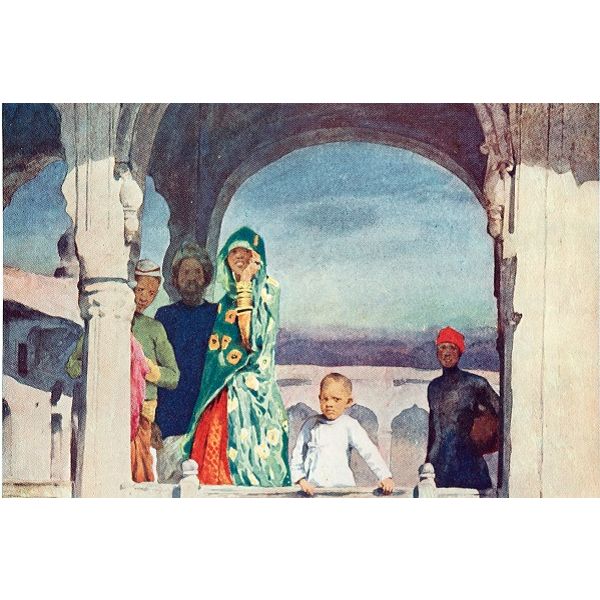 JournalChronicling the Durbar: Images and voices from Delhi$0.00
Who were the significant chroniclers of the Durbars?
Learn More -
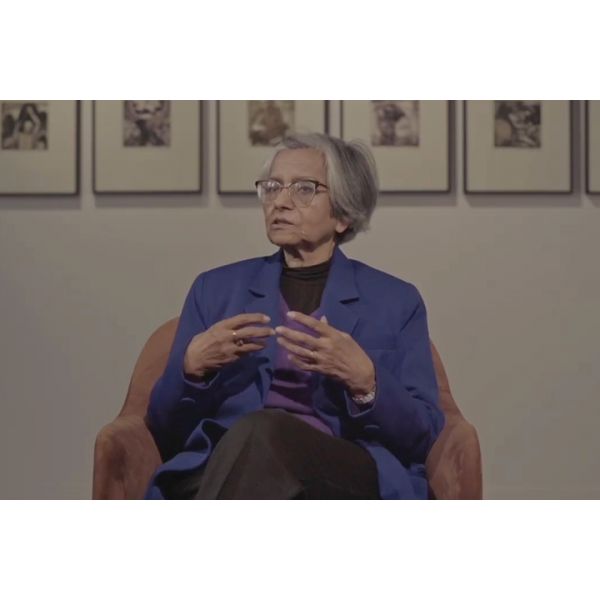 JournalArtists (Un)Scripted – Anupam Sud$0.00India’s foremost printmaker, Anupam Sud is perhaps also the country’s most well-known. What has tethered her to the democratic medium of printmaking—against all odds, needless to say—is a reason worth discovering in this short video in which the artist muses over her motivations and practice. Learn More
 -
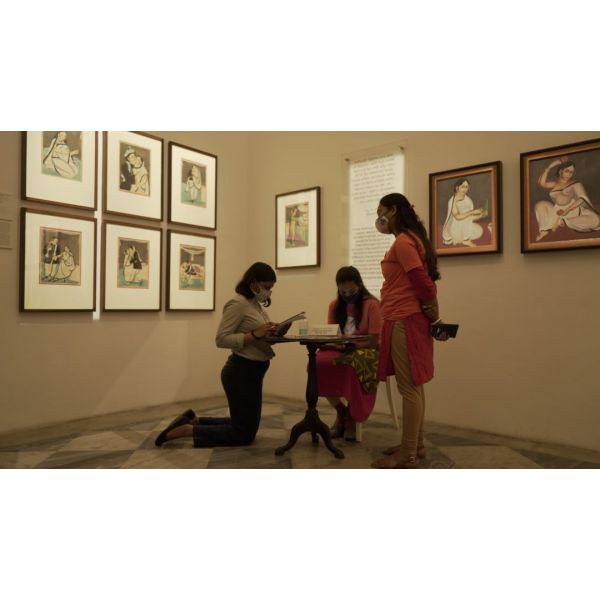 Events and ProgrammesMuseum Ambassadors$1.00
An experiential learning and apprenticeship programme for high school students in collaboration with arts education organisations, offering them a first-hand experience of working in a museum, learning about the art and history, and translating their learnings to develop museum experiences for their peers.
Learn More -
 Collection StoriesA Tryst with Destiny: A Visual Journey$1.00
Colonization is perhaps best understood as a process that unfolded over time than as a single historical event. In India and South Asia it began with the East India Company acquiring rights over land in different parts of the country, with the occasional political victories won on the battlefields. Since the Battle of Plassey (1757), their power over legislative and judicial matters grew steadily, backed by a strong military presence. Following the First War of Independence in 1857, the British Crown brought most parts of the Indian subcontinent under its direct rule, continuing to hold power until 1947.
Learn More -
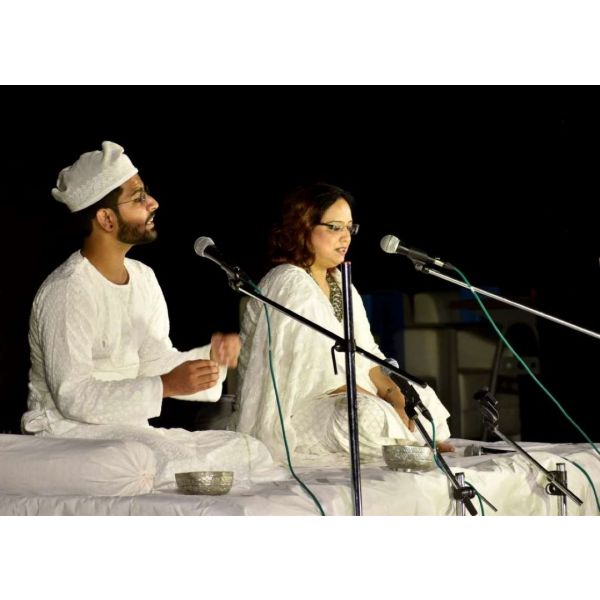 Events and ProgrammesMarch to Freedom: Delhi Opening$1.00
‘March to Freedom’, DAG’s acclaimed exhibition on the 75th anniversary of India’s independence, opens in Delhi with ‘Dastan-e-Gandhi', an evocative dastangoi performance written by Danish Iqbal and performed by Fouzia Dastango and and Ritesh Yadav, two of the leading artists of this tradition.
Learn More -
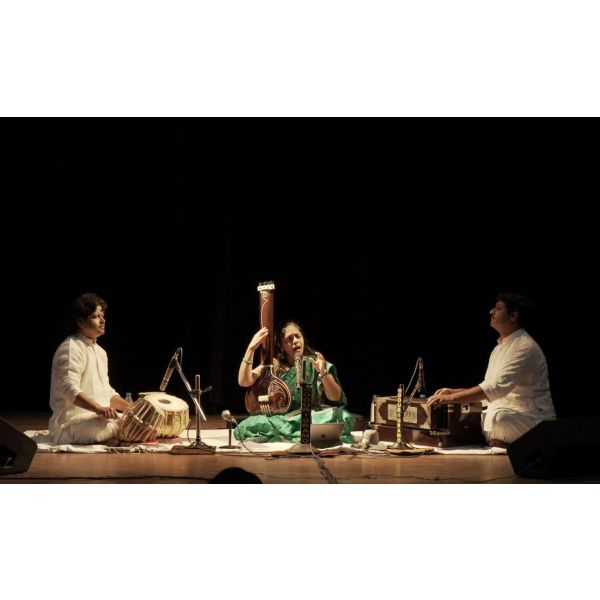 Events and ProgrammesImprovising the Khyal$1.00
A khyal performance by Ranjani Ramachandran, drawing from the repertoire of the Gwalior and Jaipur gharanas, that will focus on her interpretive style and the legacy of women performers in post-independence India. Introduced by Lakshmi Subramanian, a historian of music and trade.
Learn More -
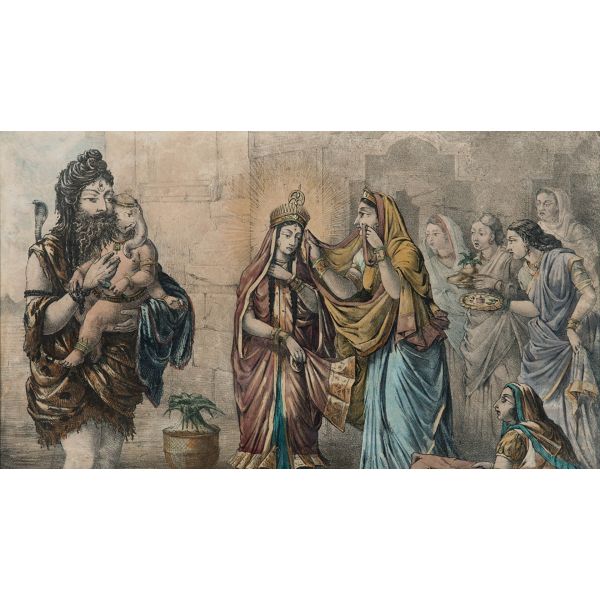 Institutional CollaborationsThe Printed Picture: Four Centuries of Indian Print-Making$1.00
As printing technologies improved around the turn of the 18th century, a large number of cheaply reproduced printed pictures—illustrated books, almanacs and mythological images—became available to the common people. This became an important vehicle of social change because people could own, produce and disseminate images of all kinds—from their beloved deities and favourite fictional characters to political cartoons critiquing colonial authorities. Printmaking was equally treasured by artists for its aesthetic potential, as techniques like lithography, etching, metal engraving, viscosity, gave practitioners infinite opportunities for creative exploration. This landmark exhibition gives us a comprehensive overview of the history of the printed picture in India.
Learn More -
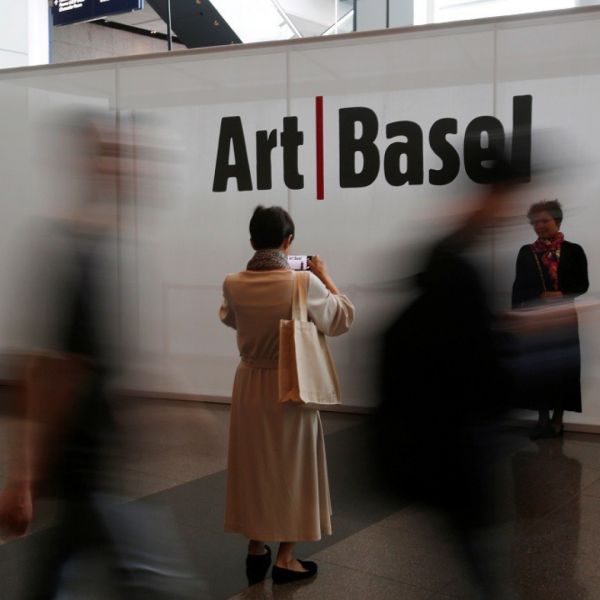 Art FairsArt Basel$0.00
DAG’s booth at Art Basel Hong Kong at its second outing there consolidated its gains from the previous edition by building on the artists it had first presented at the seminal fair. It matched the fair’s focus of a vibrant Asian art with its premier selection of Indian modern art of the twentieth century. The selection presented twenty-five of the most significant Indian modern artists—consisting of painters and sculptors, figurative and abstract artists—who, with the innovations they brought to their art, contributed significantly to the rich diversity and expanse of Indian modern art as we know it today. Akbar Padamsee Ambadas Avinash Chandra B. Prabha Bikash Bhattacharjee Biren De F. N. Souza G. R. Santosh George Keyt Himmat Shah J. Sultan Ali K. H. Ara K. K. Hebbar K. Laxma Goud Krishen Khanna Laxman Pai M. F. Husain N. S. Bendre Rabin Mondal Ram Kumar S. H. Raza S. K. Bakre Sakti Burman Sohan Qadri Sunil Das
Learn More -
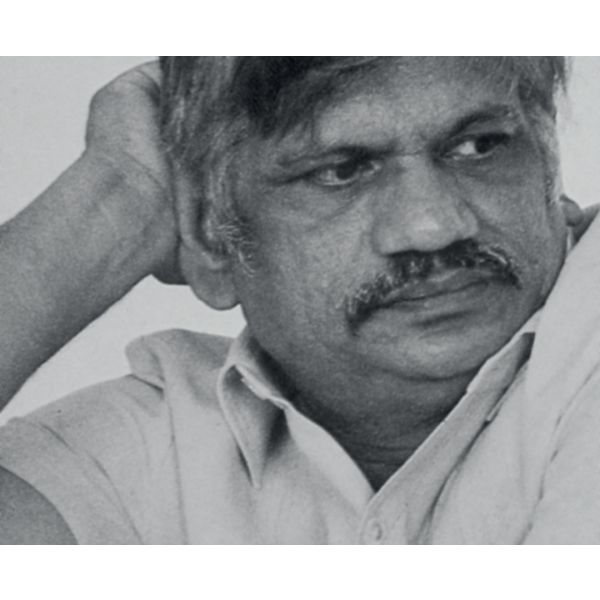 ArtistsB. Vithal$0.00Born in Maharashtra, B. Vithal took a diploma in sculptural art from Sir J. J. School of Art, Bombay. Taking to art with natural ease, he began drawing as early as five years of age, making Ganesha and other popular Hindu deities on his slate using chalk. The inspiration sustained through his entire life, and his work was mainly inspired by Hindu mythology, philosophy, and ancient Indian art. Learn More