


Search results for: 'samsung a055m fallas la pantalla totalmente amarilla no se ve'
-
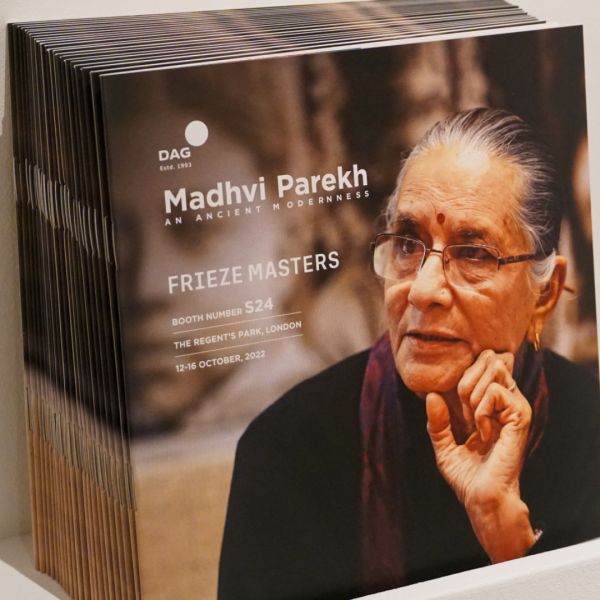 Art FairsFRIEZE MASTERS LONDON$1.00
January 2022 marked an incredible culmination in the life and career of Madhvi Parekh whose journey began from a small village in western India and has taken her, against incredible odds, to the world’s most glittering cities and capitals on the strength of her art practice. At the Paris Haute Couture Week in January, audiences around the world saw Dior launch its new spring/ summer 2022 range against striking tapestries inspired by her paintings made over a six-decade career that has had no parallel in Indian art. Often extolled as a ‘woman’ painter, Madhvi Parekh’s art has never been premised on gender. Instead, she occupies an artistic realm with strong ethical values based on a sense of humanitarianism, environmental inclusion, and memory.
Learn More -
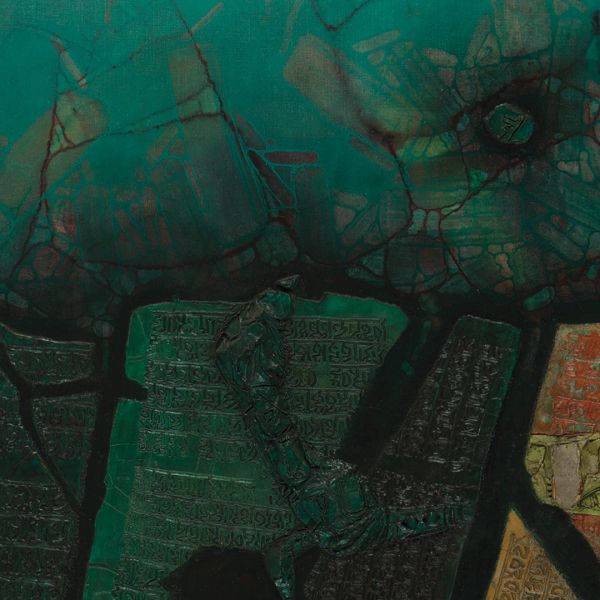 Art FairsArt Dubai$0.00
Shanti Dave’s abstracts resemble—at first—the familiar and the unknown. There are writings, figures, deities, forms and shapes that resonate with what we seem to know. If the language is indecipherable, perhaps it belongs to some ancient texts lost to history. Is this his ode to a civilisation that existed in the past, or a prophesy of one to come? Is it a world hidden underwater? Or perhaps one alien to us because it comes from some other planet? Are these tombstones, or markers, of some mythological or historical realm?
Learn More -
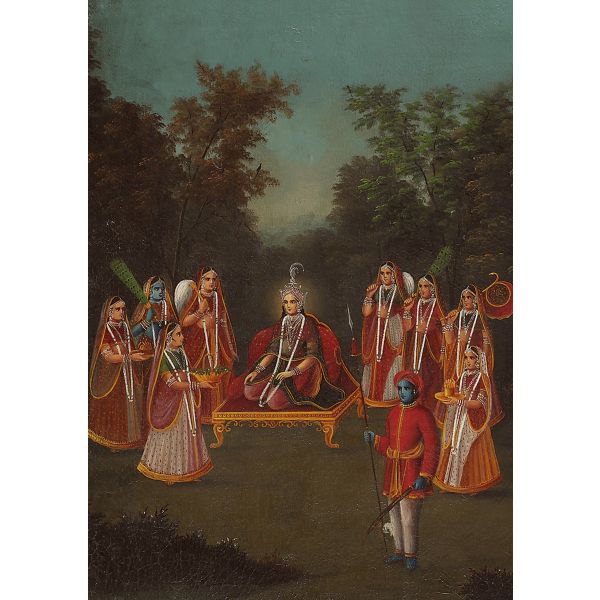 Collection StoriesUNTITLED (RADHA AS QUEEN)$1.00
Radha is painted as a queen in this Early Bengal oil painting, surrounded by her fellow Gopis (cowherds and companions) and Krishna—her divine consort and an incarnation of one of the Hindu trinity—dressed as a sentinel. She sits on her royal throne amid a forest landscape, perhaps recalling her identification as Vrindavaneshwari (goddess of Vrindavan). Going by the small but remarkable details of the jewellery, we can guess that it is the work of an artist trained in the miniature tradition. But does the painting hide other possible secrets?
Learn More -
 Institutional CollaborationsIndia Modern: Narratives from 20th Century Indian Art$1.00
This exhibition takes us on a journey into the lives and works of artists from a diverse range of traditions and practices. Despite differences in technique, philosophy and politics, they are united by an attempt to forge a new language of Indian art which rebels against existing visual vocabularies while seamlessly combining influences from European modernism and the rich history of visual arts from South Asia. This assimilation is achieved in different ways. From M. F. Husain’s figurative renditions of Indian deities to the many languages of abstraction developed by artists like Ram Kumar, Ganesh Haloi and others—we see artists responding variously to the socio-cultural problems of a post-colonial nation.
Learn More -
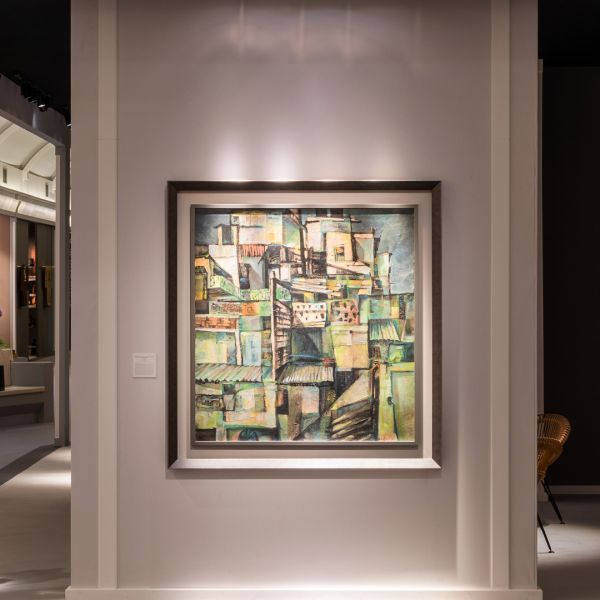 Art FairsMasterpiece$0.00
For its fourth consecutive outing at Masterpiece London, DAG continued with the tradition of showing artists who had grown in appeal at the city’s truly cross-collecting ‘masterpiece’ fair, but with enough surprises to interest even the most fair-hardened visitor. From a large and vivid G. R. Santosh to a collection of small-sized Bireswar Sen watercolours, the selection was sensitively curated keeping in mind the cosmopolitan nature of London city and the visitors to the fair. Along with the Progressives, the exhibition included one of the finest sculptures created by Adi Davierwalla, remarkable paintings by Tyeb Mehta, Bikash Bhattacharjee, J. Sultan Ali, Avinash Chandra, and Hemen Mazumdar. As always, the emphasis in the booth lay in creating a rarefied visitor experience in which a handful of works allowed visitors to enjoy them at leisure without causing visual fatigue. The response was overwhelming. G. R. SANTOSH BIRESWAR SEN MADHVI PAREKH S. H. RAZA F. N. SOUZA TYEB MEHTA J. SULTAN ALI DHANRAJ BHAGAT BIKASH BHATTACHARJEE AVINASH CHANDRA SHANTI DAVE ADI DAVIERWALLA SATISH GUJRAL HEMEN MAZUMDAR SOHAN QADRI BIREN DE
Learn More -
 Art FairsThe Armory Show$0.00
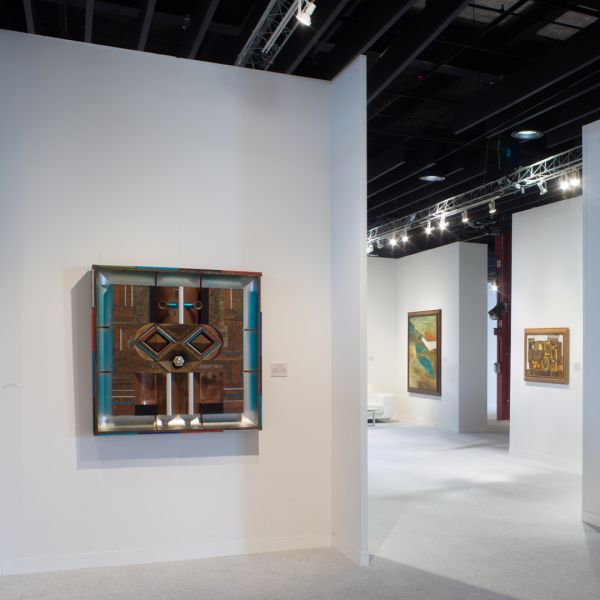
New York’s popular Armory Show required DAG to put forth its most emphatically modernist artists. These included several who had been fellows of the John D. Rockefeller III Fund and would thus have a resonance among art connoisseurs in America for their language and context. Instead of concentrating on the Progressives, therefore, DAG decided to curate a selection that included works by Avinash Chandra and Natvar Bhavsar with extensive careers in New York, and an important body of works by artists such as S. H. Raza, Ram Kumar, Krishen Khanna, Paritosh Sen, and Satish Gujral, among others. Avinash Chandra Jyoti Bhatt K G Subrmanyan Krishen Khanna Natvar Bhavsar Paritosh Sen Ram Kumar Tyeb Mehta Rekha Rodwittiya S. H. Raza Satish Gujral
Learn More -
 Art FairsArt Stage Singapore$0.00
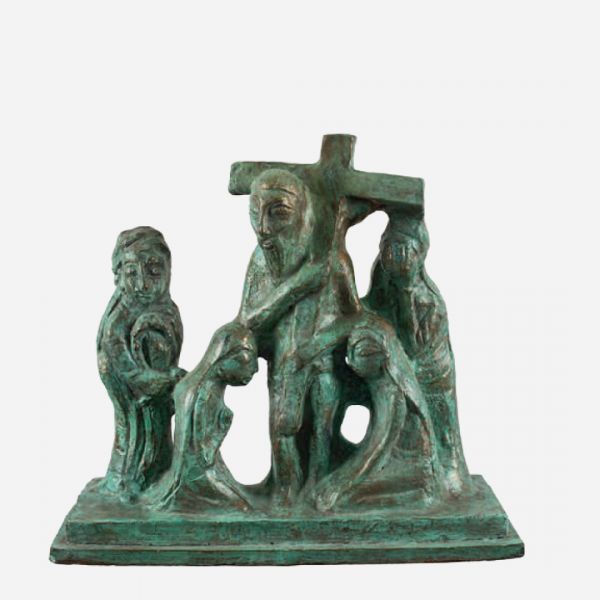
Given Singapore’s sizeable Indian population and its position as a leading financial centre, DAG’s debut at Art Stage Singapore was an obvious corollary. Indian artists are avidly collected in this city-state but DAG’s attempt, as always, was to introduce the masters to visitors at the fair. While keeping in mind the best modernists, it also curated a selection most likely to appeal to Eastern sensibilities—thereby displaying its range and the diversity of Indian art. Akbar Padamsee Ambadas Avinash Chandra B. Prabha Bikash Bhattacharjee Dhanraj Bhagat F. N. Souza G. R. Santosh Gogi Saroj Pal Himmat Shah J. Sultan Ali Jeram Patel K. H. Ara K. K. Hebbar Laxman Pai M. F. Husain N. S. Bendre P. T. Reddy Paramjit Singh Prokash Karmakar Rabin Mondal Ram Kumar S. Dhanapal S. H. Raza Sakti Burman Sohan Qadri Sunil Das
Learn More -
 Art FairsArt Basel$0.00
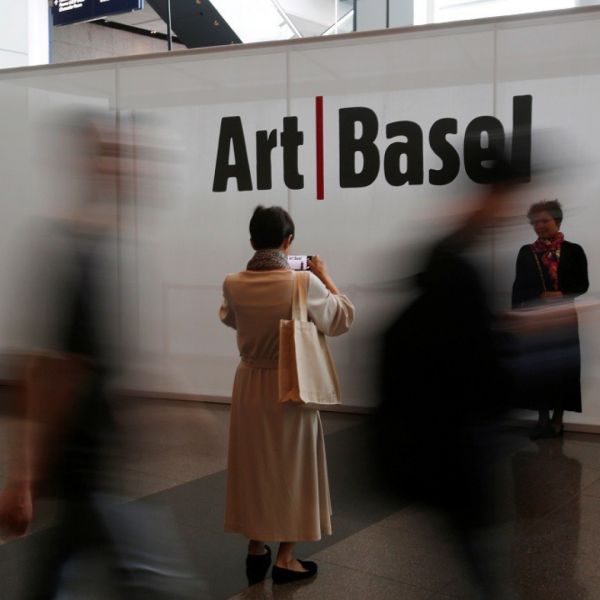
DAG’s booth at Art Basel Hong Kong at its second outing there consolidated its gains from the previous edition by building on the artists it had first presented at the seminal fair. It matched the fair’s focus of a vibrant Asian art with its premier selection of Indian modern art of the twentieth century. The selection presented twenty-five of the most significant Indian modern artists—consisting of painters and sculptors, figurative and abstract artists—who, with the innovations they brought to their art, contributed significantly to the rich diversity and expanse of Indian modern art as we know it today. Akbar Padamsee Ambadas Avinash Chandra B. Prabha Bikash Bhattacharjee Biren De F. N. Souza G. R. Santosh George Keyt Himmat Shah J. Sultan Ali K. H. Ara K. K. Hebbar K. Laxma Goud Krishen Khanna Laxman Pai M. F. Husain N. S. Bendre Rabin Mondal Ram Kumar S. H. Raza S. K. Bakre Sakti Burman Sohan Qadri Sunil Das
Learn More -
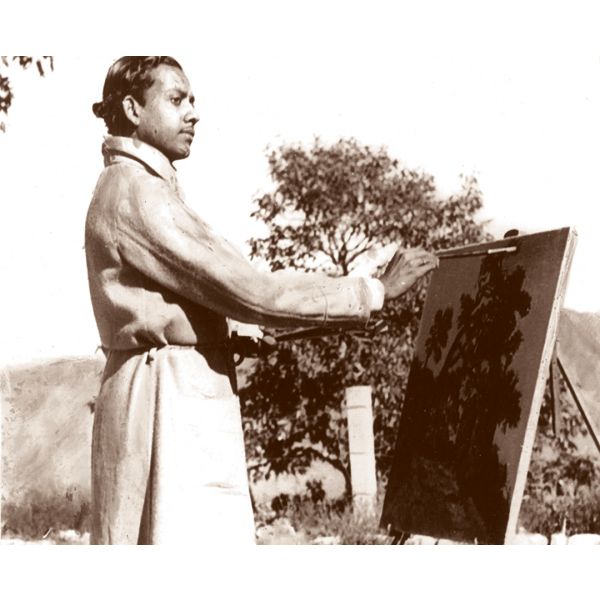 ArtistsKisory Roy$0.00Well-known for his landscape paintings, Kisory Roy was inspired to take up the arts by his father, who worked for the railways and was an occasional painter. Winning a school competition led Roy to the Government School of Art, Calcutta, where he studied from 1931-37. Under Mukul Dey, he learnt to work in several mediums like watercolour, oil, charcoal, and crayon. Learn More
 -
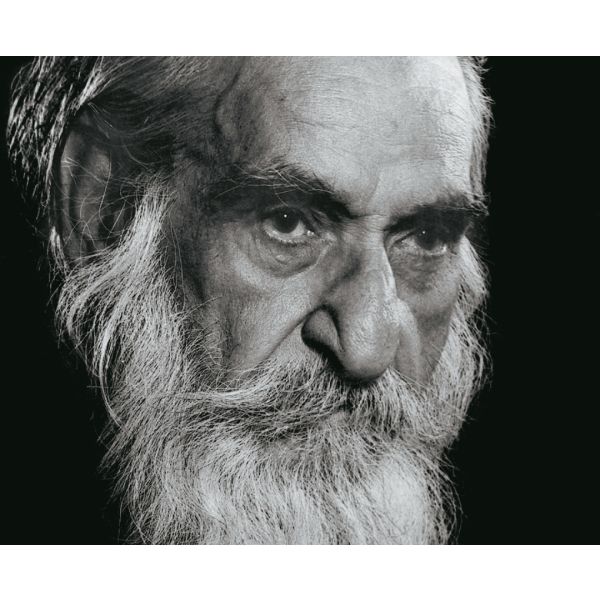 ArtistsKanwal Krishna$0.00Born in Kamalia in pre-Partition Punjab, Kanwal Krishna lived the life, he said, ‘of a wandering gypsy’. In the 1950s, several artists began to explore landscape painting as a separate genre in order to establish a modernist language among whom Krishna’s work stood out. Krishna was inspired by the forces of nature as he travelled to forbidden Tibet, Kashmir, Europe, and other places. Learn More
 -
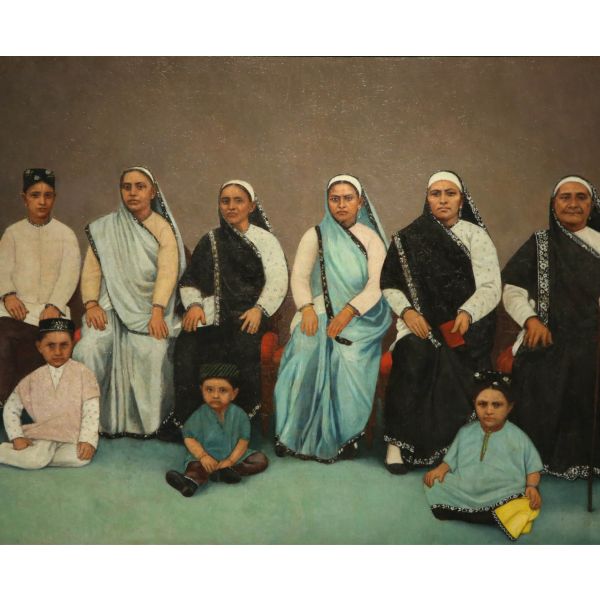 ArtistsAnonymous (Ravi Varma School)$0.00Raja Ravi Varma’s singular impact on Indian art is unparalleled by any artist. Largely self-taught, he is probably the first Indian artist to have articulated Indian subject matters through naturalism and the use of oil paints with brilliant mastery, considered until then a European idiom. Learn More
 -
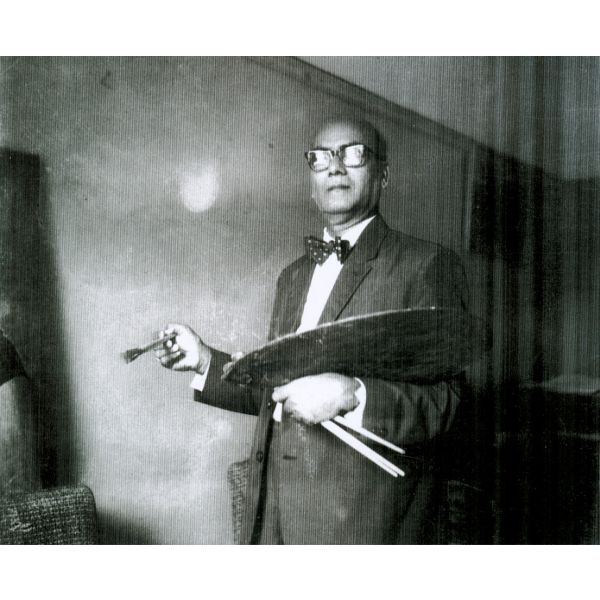 ArtistsV. B. Pathare$0.00Known for his portraits and landscapes rendered in academic-realist style, V. B. Pathare studied painting under S. L. Haldankar in Bombay and Prof. Martin Latuterburg in Bern, Switzerland. After studying portraiture under the renowned Sir Charles Dugdale in London, Pathare painted portraits of several national leaders over time, from Mahatma Gandhi, Rabindranath Tagore and Mahatma Jyotiba Phule to Indira Gandhi and Maharaja Sayajirao Gaekwad of Baroda. Learn More