Search results for: 'Hotéis em Aveiro e Figueira da Foz de 18.07 a 20.07'
-
-
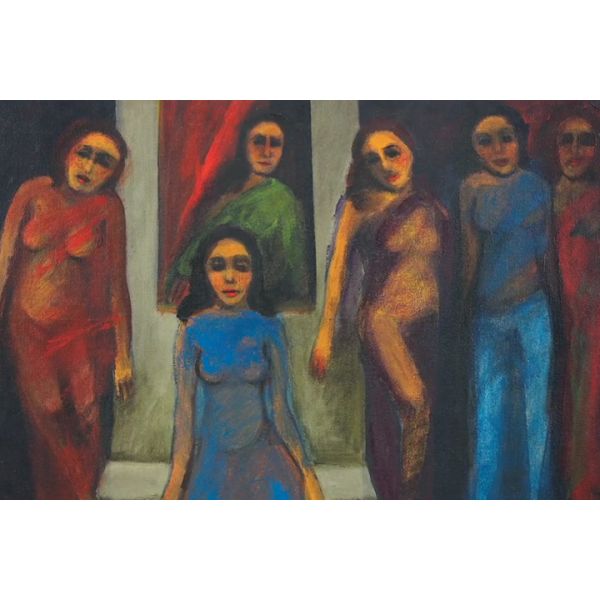 JournalArtists (Un)Scripted – Gogi Saroj Pal$0.00Gogi Saroj Pal was one of the earliest women artists of India to paint the female body as a receptacle of patriarchal gaze, a trope that she has continued to explore right through the seventh decade of her life. She speaks with commendable candour in this short video on how art helped liberate her as an individual. Learn More
 -
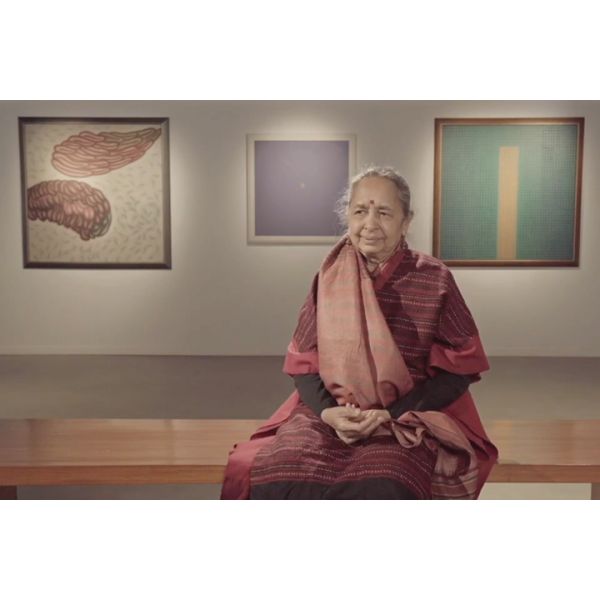 JournalArtists (Un)Scripted – Shobha Broota$0.00Shobha Broota is often described as among the most enigmatic artists of her generation. Her strength lies in ‘simplicity’, which she has used dexterously to explore the most complex of subjects in her art, making her a pioneer in choosing abstraction when very few women artists of India were doing so. Learn More
 -
-
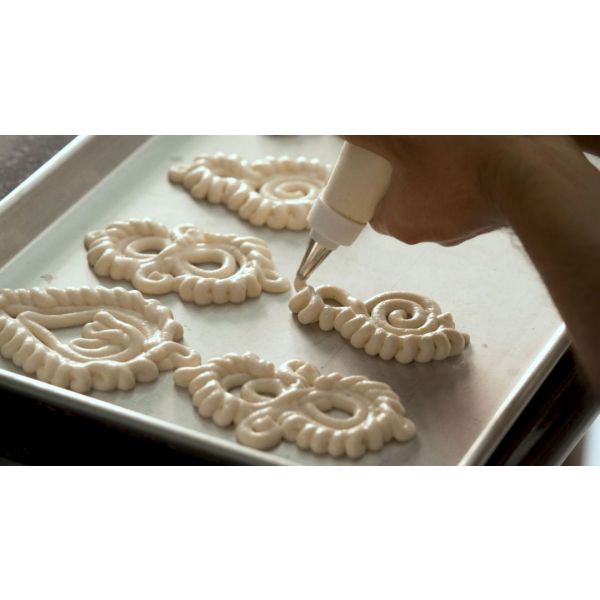 Events and ProgrammesSunday Adda with Bong Eats$1.00
An online cook along with Bong Eats and Pritha Sen, a food historian to delve into the history of dishes, made by our grandmothers and mothers, that form a large part of the art that we experience in our day-to-day life, in the kitchen and on our plates.
Learn More -
-
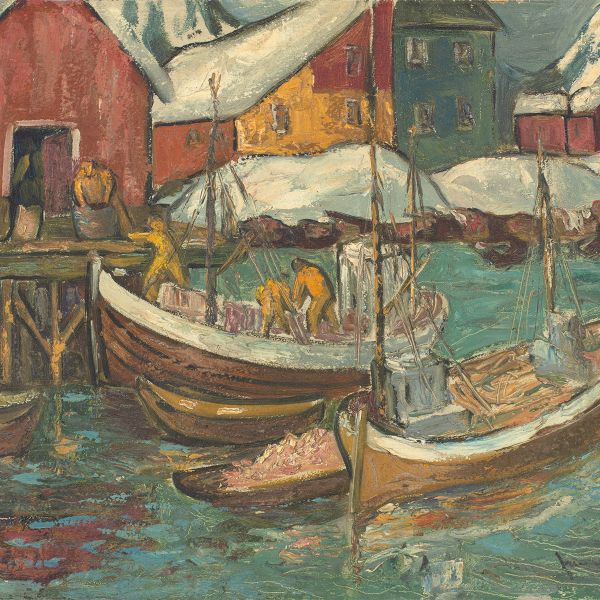
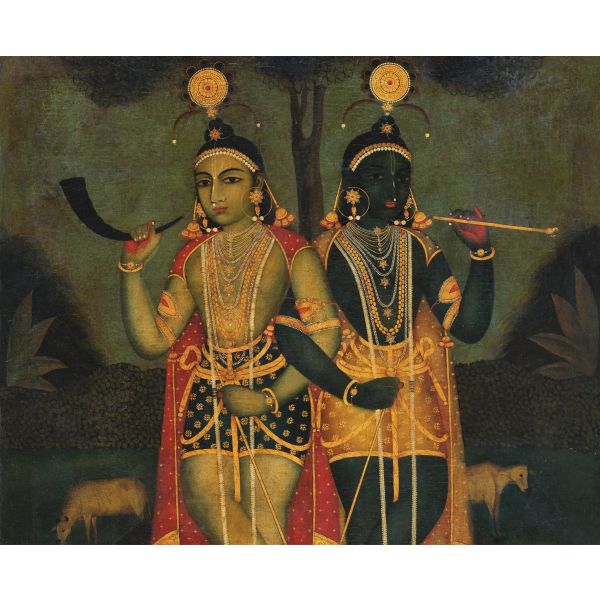 ArtistsEarly Bengal Oils$0.00A large number of anonymous oils on religious and mythological themes began to emerge in Bengal in the late eighteenth–early nineteenth century from the French colony of Chandernagore and the Dutch colony of Chinsurah. Variously called French or Dutch Bengal oils, they also came from other areas like Chitpur and Garanhata localities of Calcutta and thus came to be known as Early Bengal Oils. Learn More
 -
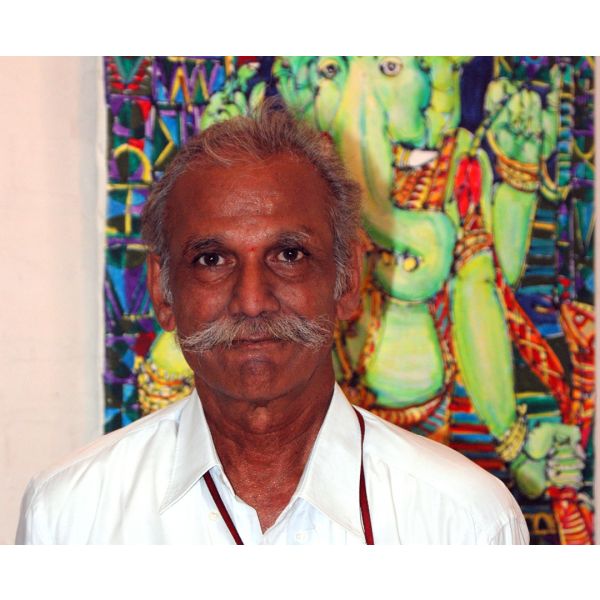 ArtistsM. Suriyamoorthy$0.00An important artist of the Madras Group that synthesised modernism by melding Indian traditions with Western modernist techniques under the direction of K. C. S. Paniker, M. Suriyamoorthy’s visual language employed emphatic regional and folk imagery. Learn More
 -
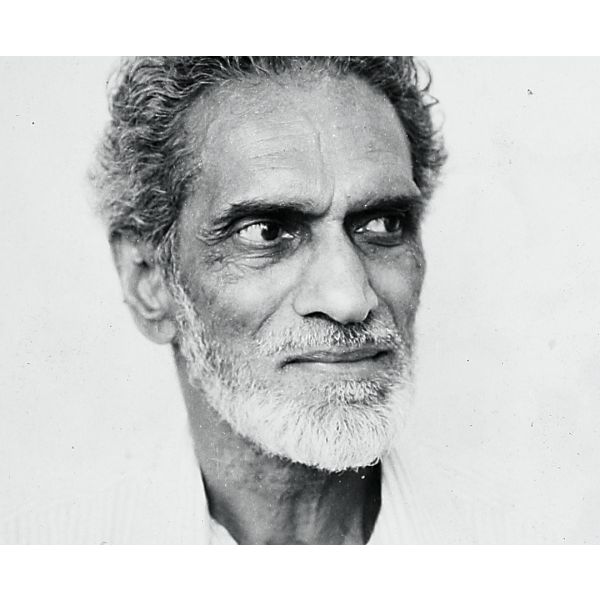 ArtistsK. S. Kulkarni$0.00Forced to paint signboards at the age of eleven when his father died, Krishna Shamrao Kulkarni battled numerous early struggles to achieve a pre-eminent place in modern Indian art. Born in a village in Belgaum in Karnataka in 1916, Kulkarni engaged with modernist techniques and mediums to create a highly individuated pictorial language. Learn More
 -
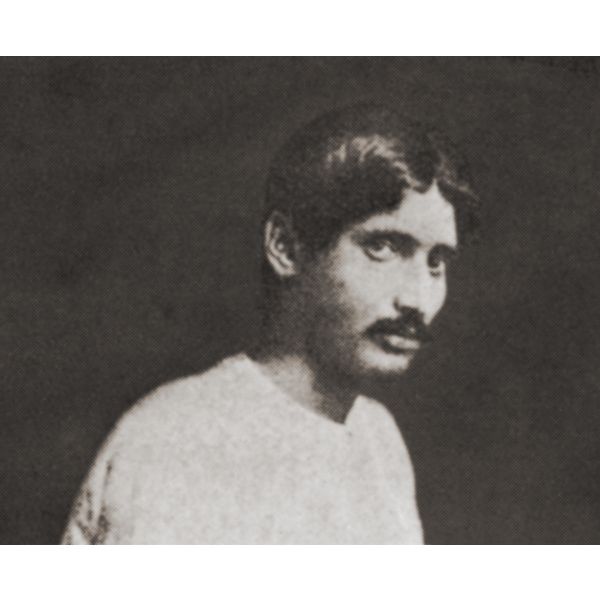 ArtistsHemen Mazumdar$0.00A notable artist of the rebel Jubilee Art School that trained students in the British academic style, breaking away from Abanindranath Tagore’s Orientalist emphasis, Hemendranath Mazumdar enjoyed great artistic success for his academic paintings of sensuous women and portraits of maharajas done in European realist style. Learn More