


Search results for: 'Contemporary printmaking artists in India'
-
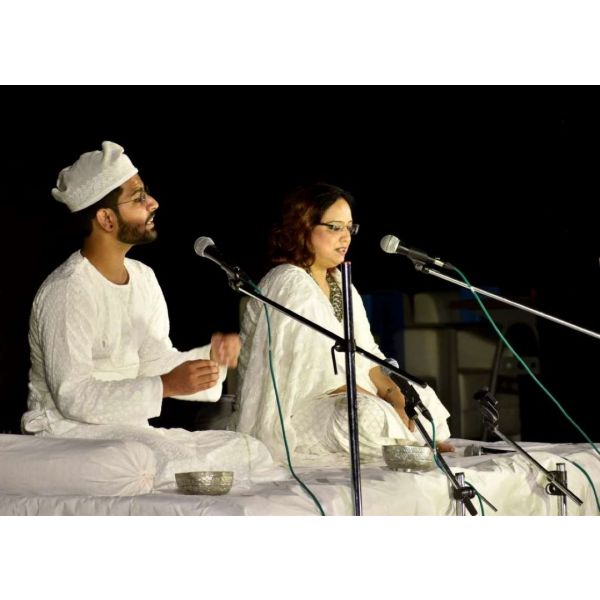 Events and ProgrammesMarch to Freedom: Delhi Opening$1.00
‘March to Freedom’, DAG’s acclaimed exhibition on the 75th anniversary of India’s independence, opens in Delhi with ‘Dastan-e-Gandhi', an evocative dastangoi performance written by Danish Iqbal and performed by Fouzia Dastango and and Ritesh Yadav, two of the leading artists of this tradition.
Learn More -
 ArtistsHenry Singleton$1.00
Henry Singleton, who is best remembered in India for his dramatic paintings of the Anglo-Mysore wars of the eighteenth century, depicting the Mysore ruler Tipu Sultan, was born in an English family of artists in London on 19 October 1766.
Learn More -
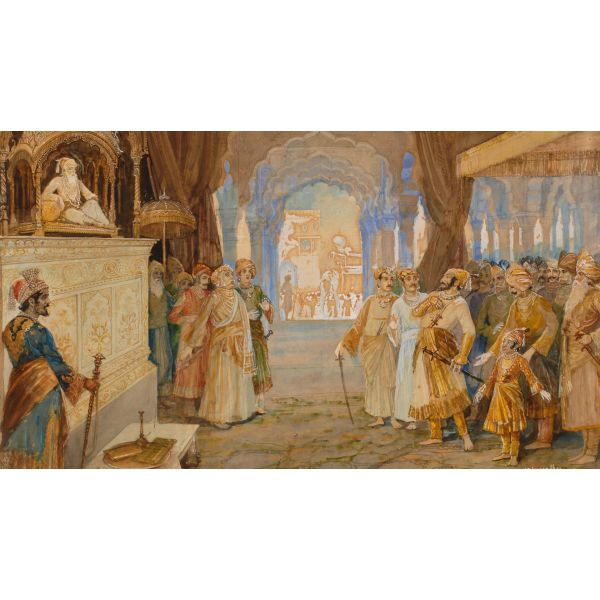 Institutional CollaborationsM. V. DHURANDHAR: A RETROSPECTIVE$1.00
Few artists claim as rich and intriguing a legacy as M. V. Dhurandhar in the landscape of late 19th and early 20th century Indian art. His practice leaves us with challenging questions about encounters and exchanges with India's colonial past and the influence of Europeans in shaping the evolution of painting. This exhibition revisits Dhurandhar's vast oeuvre through DAG's extensive collection of his paintings, archival material and ephemera, in an attempt to understand the socio-cultural context of his emergence, and to re-examine his influence on institutional and commercial art in the country.
Learn More -
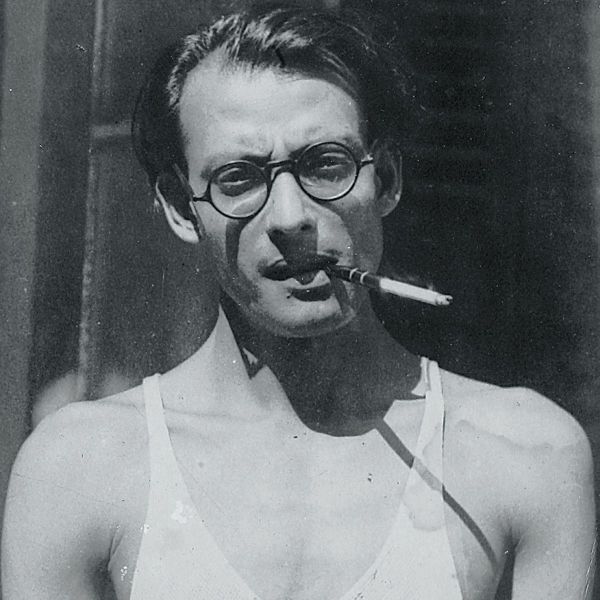 ExhibitionsChittaprosadAs low as $1.00
One of India’s most important artists, Chittaprosad recorded pivotal political and social movements in the country, such as the Great Bengal Famine of 1943-44 and its fallout, in heart-wrenching sketches and drawings, alongside protests against colonialism, economic exploitation, urban poverty and depravity, just as beautifully as the many drawings, linocuts and scraper board illustrations he made for children, recording a beatific phase of plenitude and family values, and involving himself with marionettes for their entertainment.
Learn More -
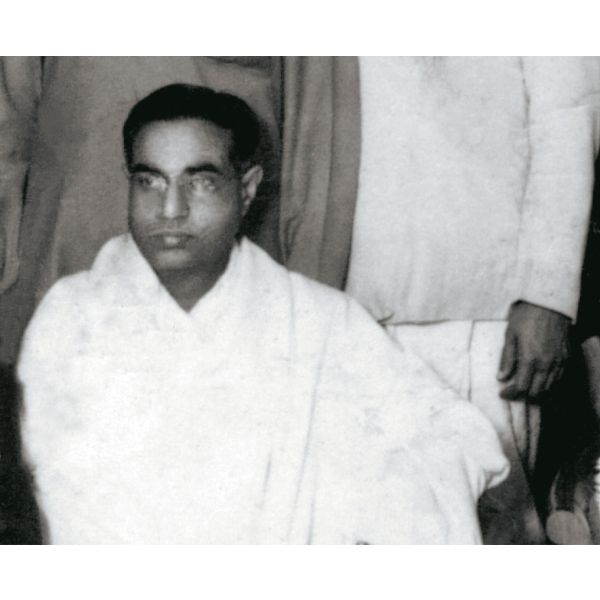 ArtistsSarada Charan Ukil$0.00An artist whose eponymously named art institution groomed some important Indian modern artists such as Ram Kumar and J. Swaminathan, Sarada Charan Ukil was an early pioneer of the Bengal School. Born on 14 November 1888 in Bikrampur near present-day Dhaka, Ukil shifted later to Calcutta with his family and studied at the city’s Government Art School under Abanindranath Tagore. Learn More
 -
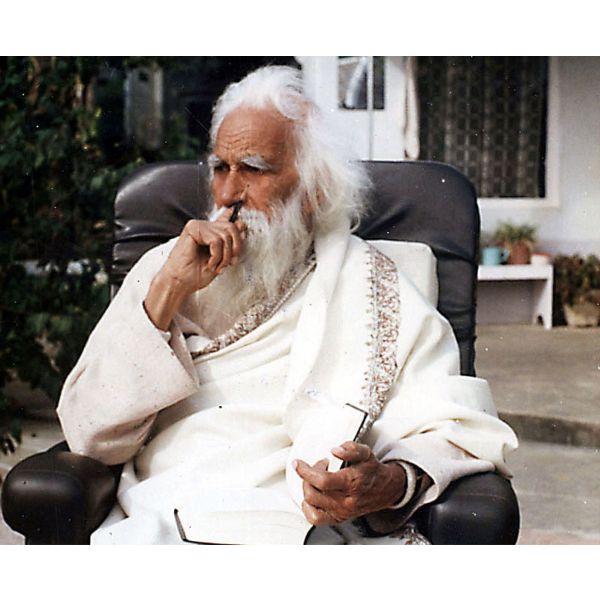 ArtistsSobha Singh$0.00The most definitive painter of the portraits of the Sikh gurus, Sobha Singh was born on 29 November 1901 at Gurdaspur in the Punjab. Interested in the arts since childhood, he learnt to draw and sculpt on his own, the early death of his parents depriving him of formal training in art. He joined the British Indian army as a draughtsman and continued to learn from studying the works of English and European artists. Learn More
 -
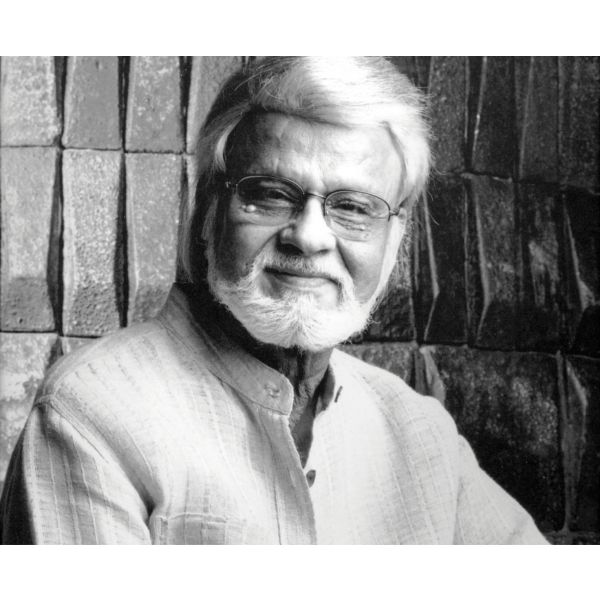 ArtistsSatish Gujral$0.00Renowned for his versatility as painter, sculptor, muralist, and architect, Satish Gujral was born in Jhelum in pre-Partition Punjab on 25 December 1925. His parents nurtured his inclination towards the creative arts while he was recovering from an accident as a child that cost him his hearing and speech. He trained at Mayo School of Art, Lahore, and briefly at Sir J. J. School of Art, Bombay. He also came in contact with the Progressive Artists’ Group but parted ways to chart his own course in search of an Indian modernism. Learn More
 -
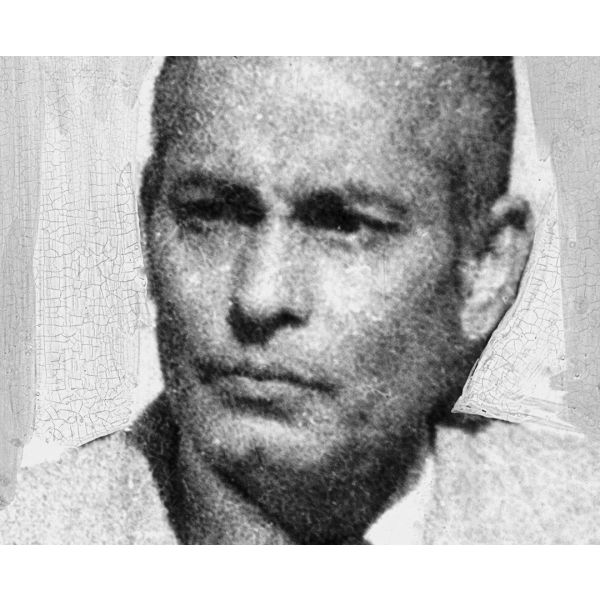 ArtistsSailoz Mookherjea$0.00
Perhaps the least celebrated of the nine National Treasure artists of India, Sailoz Mookherjea was one of the earliest modern painters of the country, and also one of the earliest to study in Paris, in 1937.
Learn More -
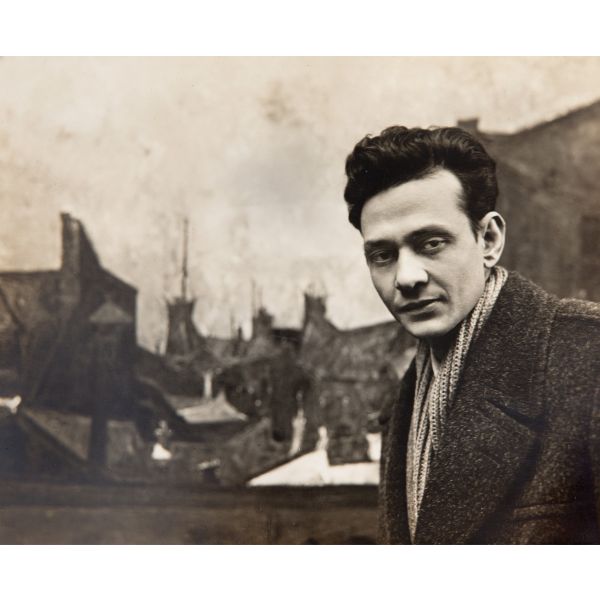 ArtistsS. H. Raza$0.00
One of India’s most seminal modernists, Syed Haider Raza was born on 22 February 1922 in Mandla, Madhya Pradesh, and forged a new language of art by integrating Indian symbolism with Western expression. A student of Sir J. J. School of Art, Bombay (1943-47), and one of the first members of the Progressive Artists’ Group, the turning point of his career was his journey to Paris in 1950 on a French government scholarship to study at École Nationale des Beaux-Arts. In 1956, he became the first non-French artist to win the critic’s award, the Prix de la critique.
Learn More -
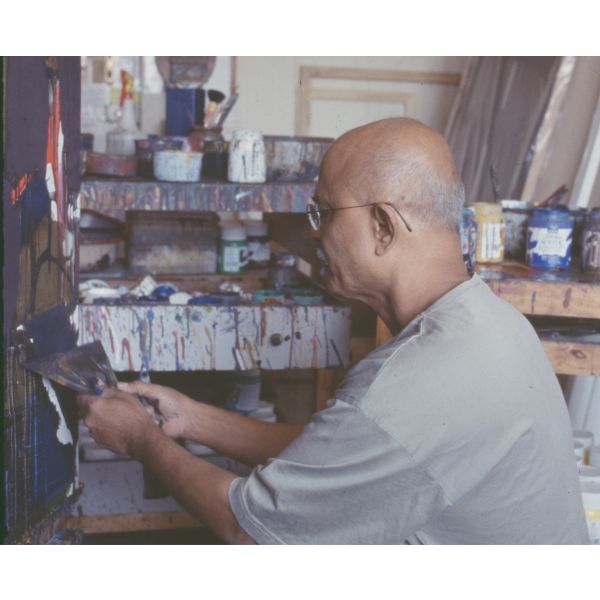 ArtistsPrabhakar Kolte$0.00The search for abstraction in Indian art in the early years of Independence was born out of a desire among artists to attain an independent idiom of modernism. Rooted in the country’s philosophical and religious aesthetic, Prabhakar Kolte is among the leading practitioners engaged in this quest. A master of poetic and metaphysical abstractionism, Kolte received a diploma in painting from Sir J. J. School of Art, Bombay, in 1968. Initially, he freelanced as an illustrator, also working as a designer at Bombay Dyeing. Learn More
 -
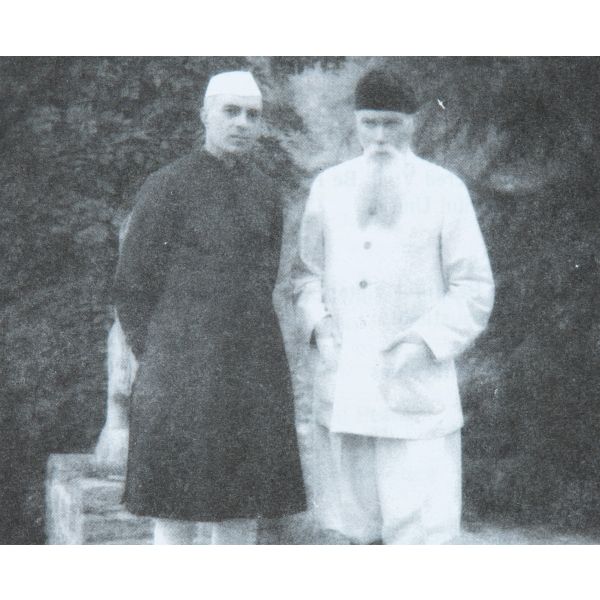 ArtistsNicholas Roerich$0.00One of the nine National Treasure artists of India, Russia-born Nicholas Roerich was not just a painter but a stage designer for ballets, an explorer, writer, and philosopher. As a painter, he is best remembered for his ethereal paintings of the mist-laden and wispy Himalayas, done mostly in tempera or oil. These paintings remain some of the best works celebrating the mighty mountain range. Learn More
 -
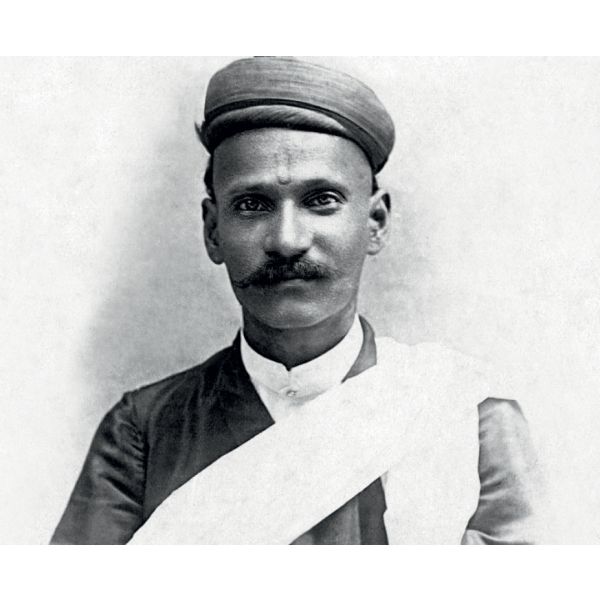 ArtistsL. N. Taskar$0.00Laxman Narain Taskar’s paintings mirror the ideals of academic realism introduced by the British within their art education system. Indian artists were trained in naturalism, with lessons in soft effects of chiaroscuro and the three-dimensionality of the external world. History painting, perspective, and the copying of Victorian portraits became a vital ingredient within these art schools. Learn More