


Search results for: 'post,a'
-
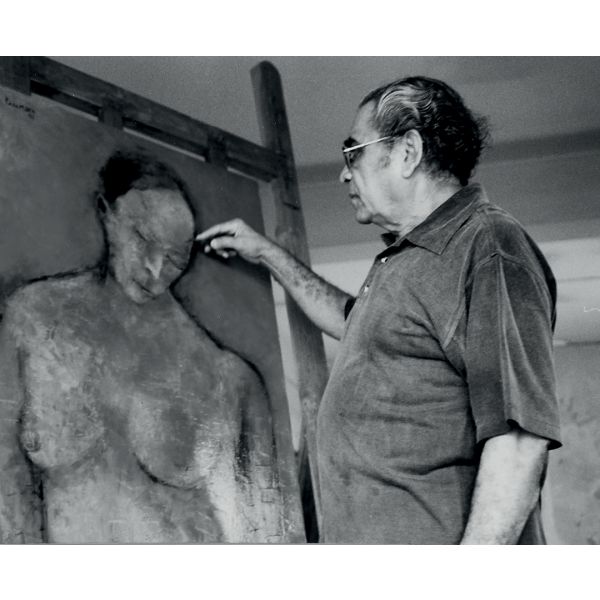 ArtistsAkbar Padamsee$0.00Belonging to the first generation of postcolonial Indian artists that sought cosmopolitan freedom in Paris and London during the 1950s and ’60s, Akbar Padamsee developed his images within the genres of portraiture and landscape as refracted through the prism of high modernism. Learn More
 -
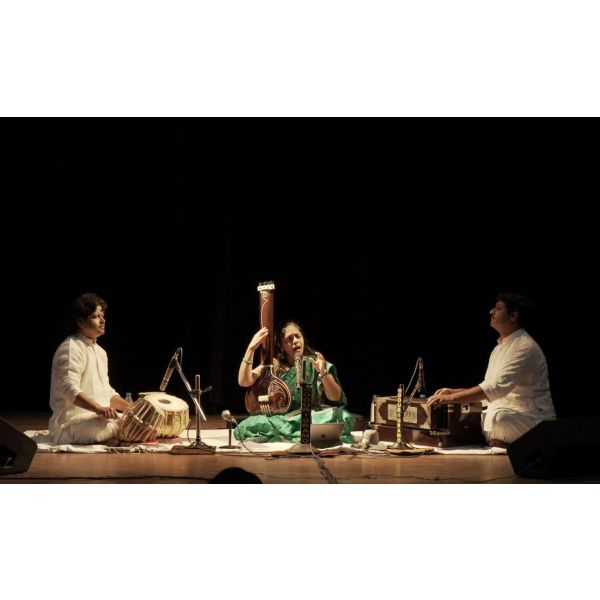 Events and ProgrammesImprovising the Khyal$1.00
A khyal performance by Ranjani Ramachandran, drawing from the repertoire of the Gwalior and Jaipur gharanas, that will focus on her interpretive style and the legacy of women performers in post-independence India. Introduced by Lakshmi Subramanian, a historian of music and trade.
Learn More -
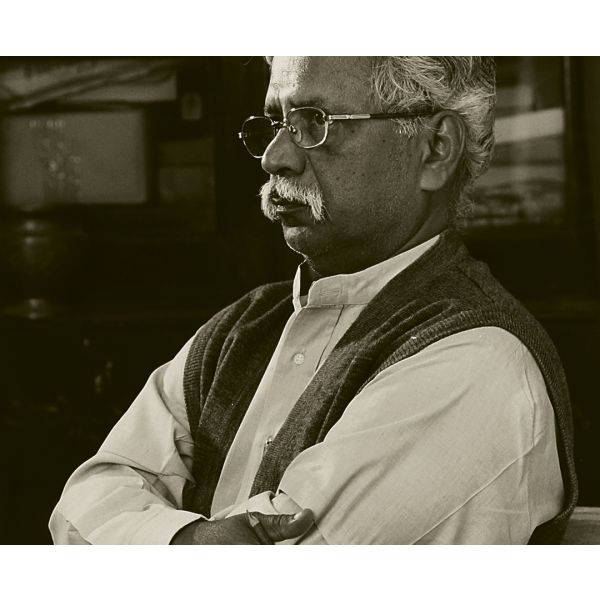 ArtistsK. Laxma Goud$0.00Born in Nizampur in Andhra Pradesh on 21 August 1940, K. Laxma Goud obtained a diploma in painting and drawing from the Government College of Fine Arts and Architecture in Hyderabad in 1963. He followed it up with a post-diploma in mural painting and printmaking from Faculty of Fine Arts, Baroda. Learn More
 -
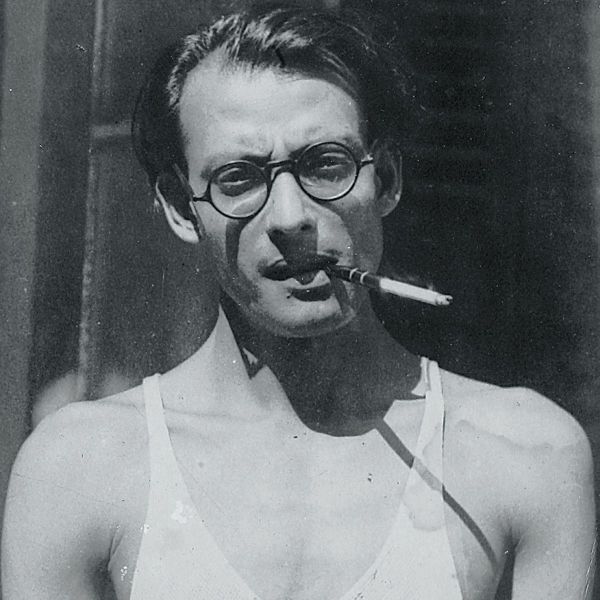 ExhibitionsChittaprosadAs low as $1.00
One of India’s most important artists, Chittaprosad recorded pivotal political and social movements in the country, such as the Great Bengal Famine of 1943-44 and its fallout, in heart-wrenching sketches and drawings, alongside protests against colonialism, economic exploitation, urban poverty and depravity, just as beautifully as the many drawings, linocuts and scraper board illustrations he made for children, recording a beatific phase of plenitude and family values, and involving himself with marionettes for their entertainment.
Learn More -
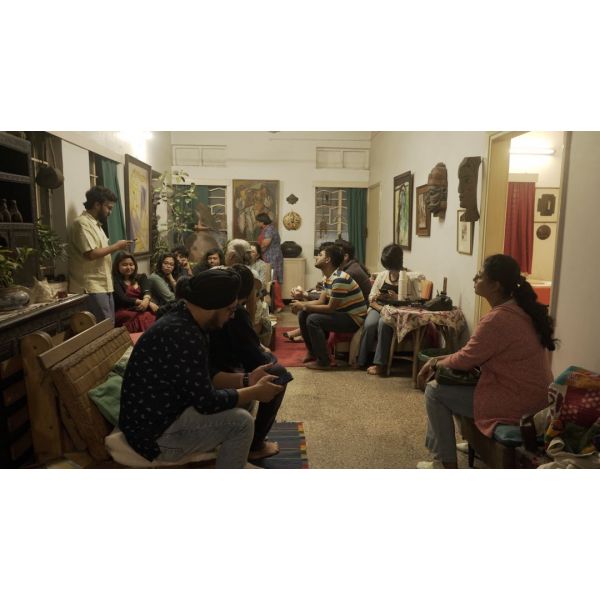 Events and ProgrammesA World Within a Home$1.00
An intimate evening at the home of the artist Shanu Lahiri, featuring stories about the family collection and archive told by a family member, and looking at the close-knit world of Calcutta’s creative community post-independence.
Learn More -
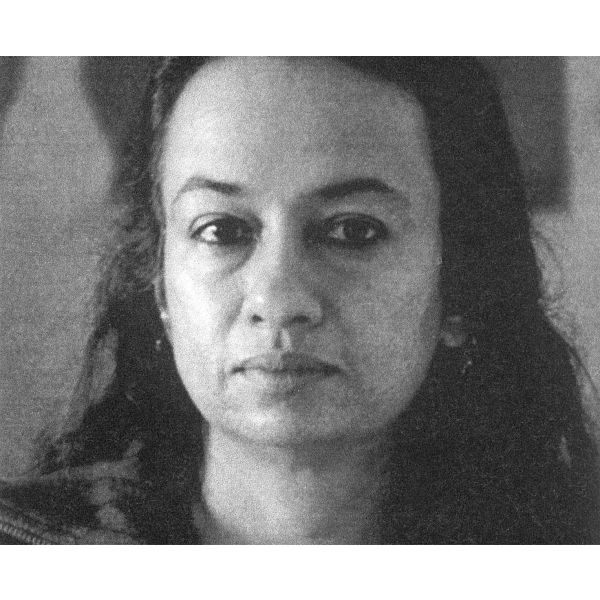 ArtistsVasudha Thozur$0.00Vasudha Thozhur is known for her conscious art practice that seeks to give expression to conflicts which humans encounter daily in a tension-ridden contemporary society. Born in Mysore on 14 October 1956, Thozhur received a diploma in painting from the College of Art and Craft, Madras, in 1972. She received a post diploma in painting from Croydon School of Art and Design, U.K., in 1982. Learn More
 -
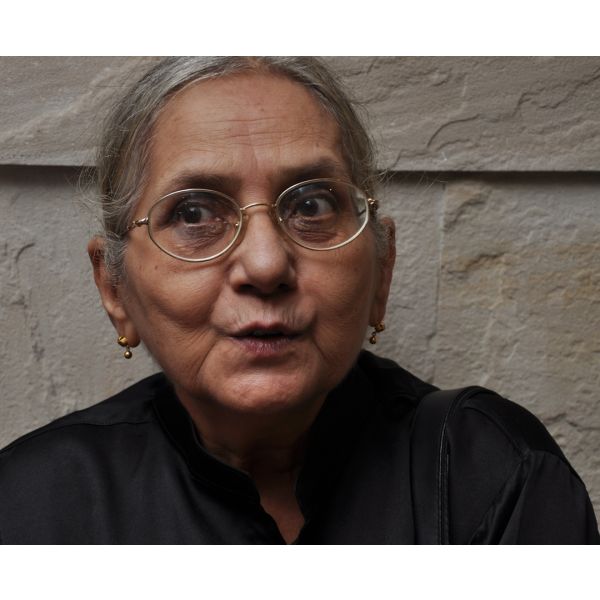 ArtistsGogi Saroj Pal$0.00Born in Uttar Pradesh in 1945, Gogi Saroj Pal studied art in Banasthali, Rajasthan, took a diploma at the Government College of Arts and Crafts, Lucknow, and a postgraduate diploma in painting from the College of Art, New Delhi. Learn More
 -
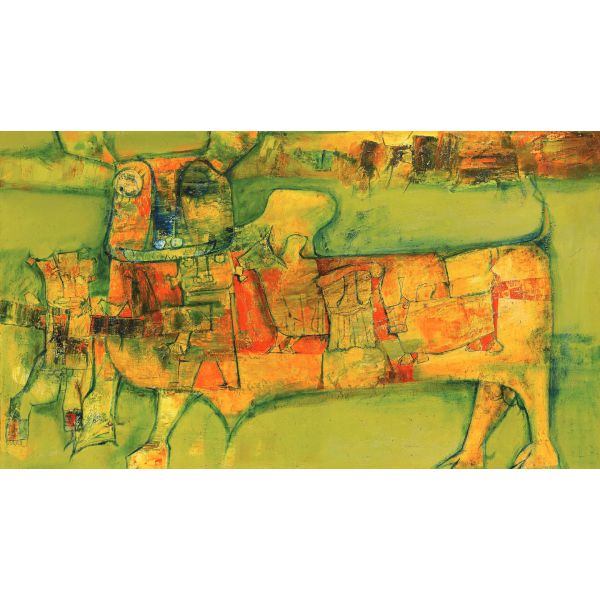 Institutional CollaborationsIndia Modern: Narratives from 20th Century Indian Art$1.00
This exhibition takes us on a journey into the lives and works of artists from a diverse range of traditions and practices. Despite differences in technique, philosophy and politics, they are united by an attempt to forge a new language of Indian art which rebels against existing visual vocabularies while seamlessly combining influences from European modernism and the rich history of visual arts from South Asia. This assimilation is achieved in different ways. From M. F. Husain’s figurative renditions of Indian deities to the many languages of abstraction developed by artists like Ram Kumar, Ganesh Haloi and others—we see artists responding variously to the socio-cultural problems of a post-colonial nation.
Learn More -
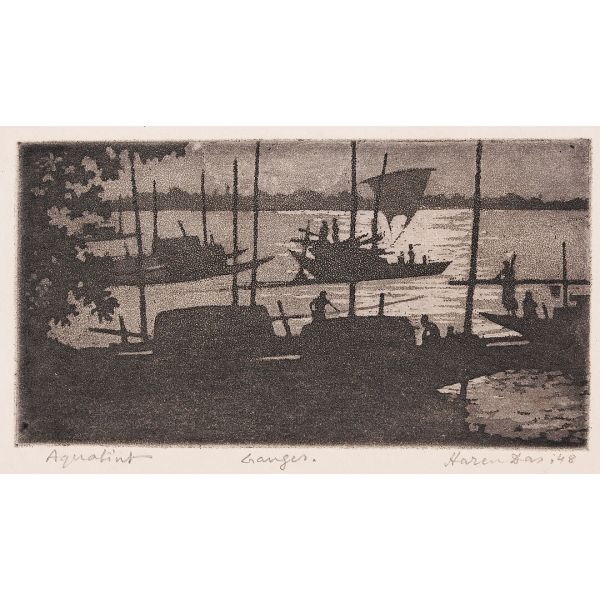 Events and ProgrammesMapping the Colony$1.00
A workshop by Priyank Patel, from the Department of Geography, Presidency University, for ages 16 and above, on mapmaking in the colonial and postcolonial era and how maps of Calcutta (and later, Kolkata) were shaped through these different ways of knowing the world.
Learn More -
 Institutional CollaborationsDRISHYAKALA$1.00
How did the multiple trajectories of visual arts develop in the subcontinent? Where did they originate and how did their paths converge? Drishyakala offers a sweeping journey into the heterogenous histories of visual arts in India, from the first European travelling artists who drew landscapes to popular prints of the earliest woodcuts and lithographs evolving into the thriving advertising visuals of the 20th century. The exhibition is broadly divided into four categories, each exploring an unique area of development—the art of portraiture through photography and painting, oriental sceneries drawn by European travelling artists, popular prints from the late eighteenth century to post-independence and artworks of the nine National Treasure Artists. Together, these sections give brief glimpses into the dizzying variety of forms, styles and languages of South Asian art.
Learn More -
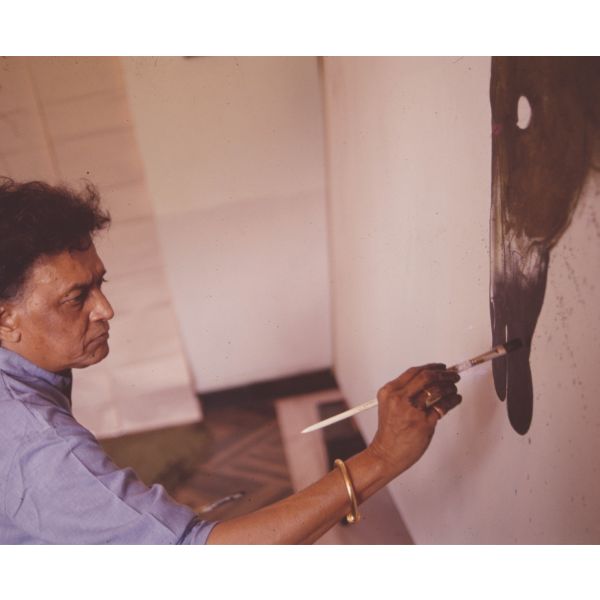 ArtistsSunil Das$0.00One of India’s most important post-modernist painters, Sunil Das is known for his iconic drawings and paintings of horses and bulls. He rose to prominence early when he became the only Indian artist to win the Lalit Kala Akademi’s national award while still an undergraduate student, in 1959. Learn More
 -
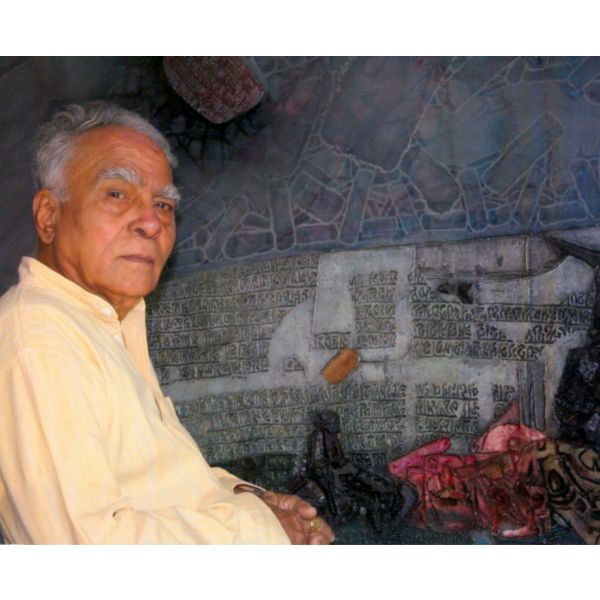 ArtistsShanti Dave$0.00Born in a family of limited means, Shanti Dave grew up in a village called Badpura in north Gujarat. Moving later to Ahmedabad, he earned a living by painting signboards and billboards for films before enrolling at the Faculty of Fine Arts, M. S. University, Baroda, where he studied under eminent artist-teacher N. S. Bendre, completing his graduation (1950-56) and post piploma in Fine Art (1956-58). Learn More