


Search results for: 'CUBISM AND TA'
-
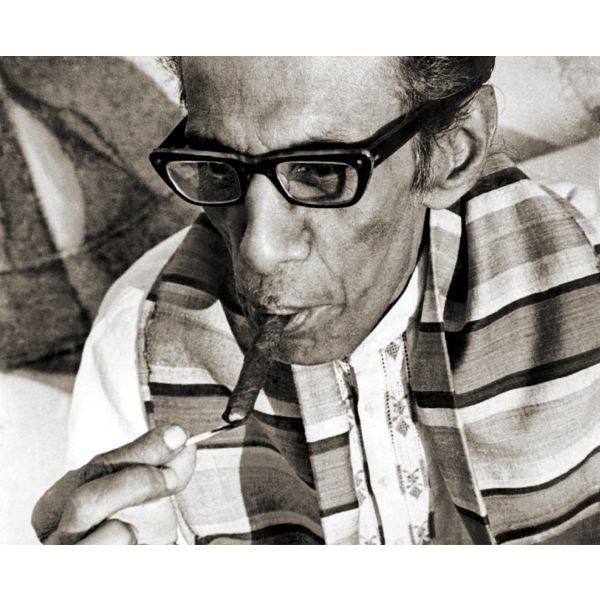 ArtistsSunil Madhav Sen$0.00Born in Purulia in West Bengal, Sunil Madhav Sen was a self-taught artist. Though he learned drawing as a child from a local teacher, he studied law and the liberal arts at Calcutta University and worked for the government. He pursued his passion for art privately alongside his legal practise, visiting the studios of Abanindranath Tagore, Atul Bose, J. P. Gangooly, and Satish Sinha. He also apprenticed for two years under Hemendranath Mazumdar, honing his skills in portrait painting. Learn More
 -
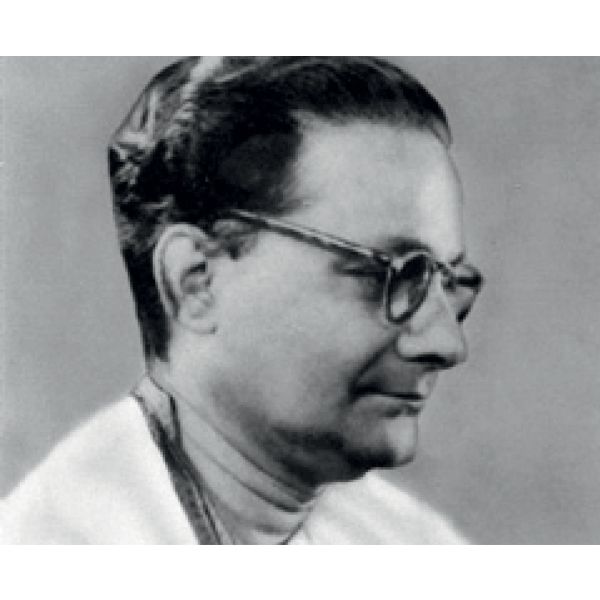 ArtistsRadha Charan Bagchi$0.00Born in 1910 in Pabna, in present-day Bangladesh, Radha Charan Bagchi graduated from College of Arts and Crafts, Calcutta, in traditional Indian art, oil painting, and Western academism. Abanindranath Tagore, Mukul Dey and other Bengal masters were major influences but Bagchi evolved his own artistic style. In 1951, he joined Kala Bhavana, Santiniketan, as teacher, officiating twice as its principal in subsequent years. Learn More
 -
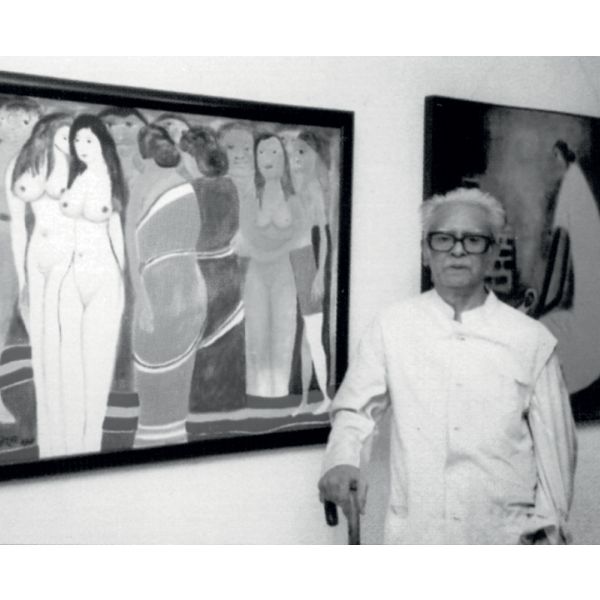 ArtistsKartick Chandra Pyne$0.00Born into an aristocratic family of gold merchants, Kartick Chandra Pyne took an interest in art at an early age. The older cousin of Ganesh Pyne, another remarkable Indian modernist, K. C. Pyne graduated in fine arts from the Government College of Arts and Crafts, Calcutta, in 1955. Later, he taught at Calcutta’s Indian College of Arts and Draughtsmanship in the 1970s, and the Academy of Fine Arts in the ’80s. Learn More
 -

-
-
 Art FairsArt Dubai$0.00
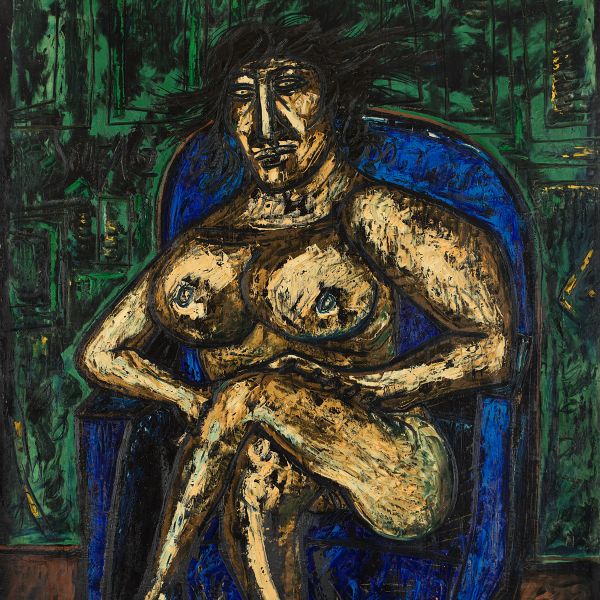
Shown at the Shanghai Biennale, exhibited in New York, widely admired for his consistency throughout his career, Rabin Mondal’s excoriating paintings are a savage indictment of social and political ills. A reticent, reserved artist, Mondal’s works offer a scathing commentary on the pursuit and abuse of power. A primal, primordial figuration describes his work in which people in positions of authority are rendered vulnerable because of the very power they aspire to. Their contorted features and clawed hands and feet represent their venality. Strong outlines, naked brushstrokes and potent use of green and red characterise most his work.
Learn More -
 Art FairsArt Dubai$0.00
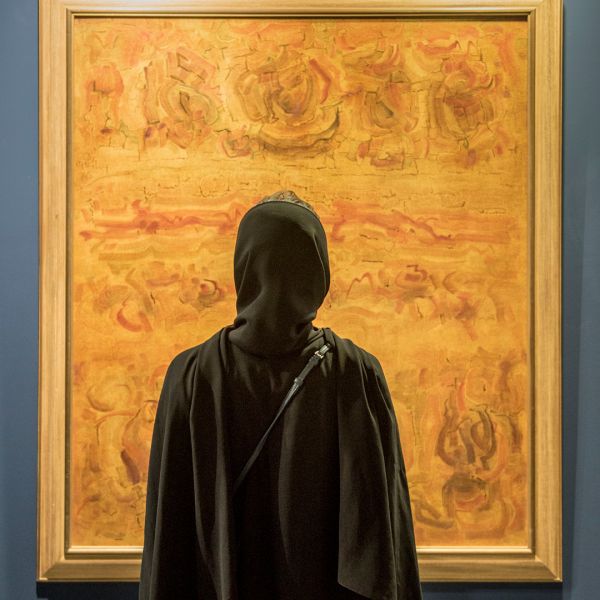
Continuing its theme of introducing Indian abstractionists at Art Dubai, DAG handpicked works by eight eminent abstract artists and juxtaposed them to bring into focus how brushwork and colour are imbued with emotion and can compel viewers to spend hours studying such works. The artists presented by DAG at Art Dubai 2018—Ambadas, Sohan Qadri, Natvar Bhavsar, Avinash Chandra, Rajendra Dhawan, Shanti Dave, Ram Kumar and S. H. Raza—worked in different styles but their use of vivid colours highlighted this somewhat neglected genre of art in India that has begun to enjoy a premium in recent years. These artists had their studios in different parts of the world—Copenhagen, Oslo, New York, Paris, London, New Delhi—but had one thing in common: they were all of Indian origin and had trained and begun their careers in India. AMBADAS SOHAN QADRI NATVAR BHAVSAR AVINASH CHANDRA SHANTI DAVE G. R. SANTOSH J. SWAMINATHAN RAM KUMAR JERAM PATEL RAJENDRA DHAWAN K. V. HARIDASAN
Learn More -
 Art FairsArt Dubai$0.00
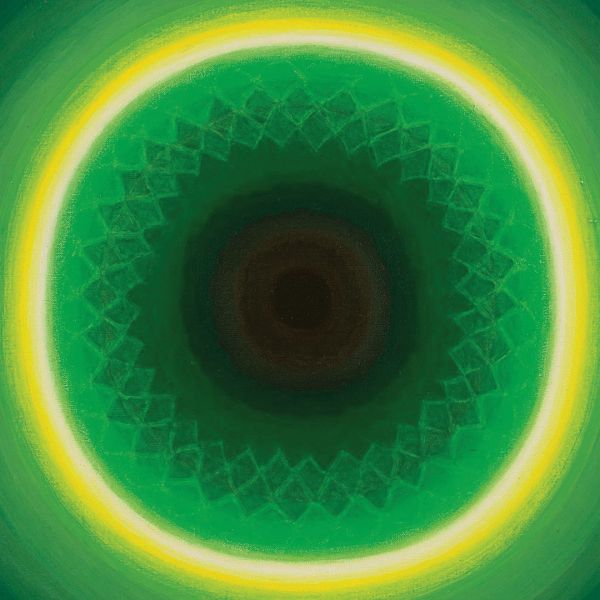
For its debut participation in the modern section of Art Dubai 2017, DAG focussed on the unconventional theme of Neo-Tantra as a way of bringing India’s unique school of abstraction to global attention. The booth featured works by two of the country’s leading practitioners of this school—G. R. Santosh and Biren De. The stunning, colour- and energy-filled canvases drew all eyes towards itself, making it the singularly most-visited booth in the section.
Learn More -
-
 ExhibitionsALTAF: Early DrawingsAs low as $0.00
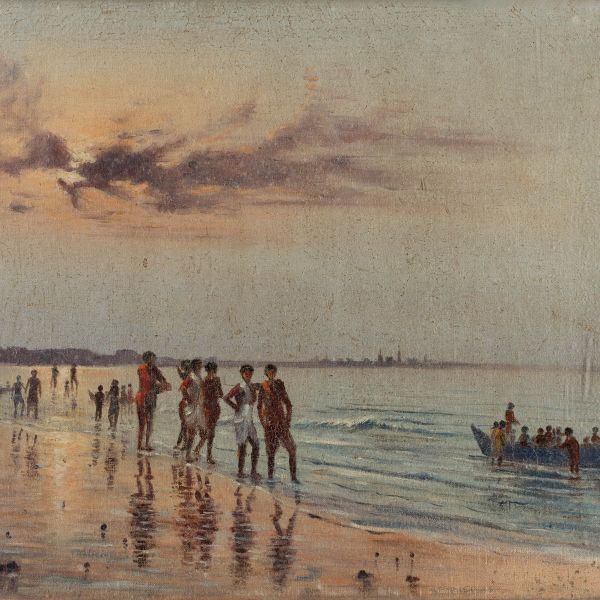
England shaped Altaf’s political consciousness as well as his persona. He engaged in the anti-apartheid demonstration at Trafalgar Square held against the imprisonment of Nelson Mandela; a peaceful protest at the American Embassy opposing the bombing in North Vietnam; the Aldermaston March against the nuclear bomb; the Campaign for Nuclear Disarmament; he became a member of the Youth Wing of the Communist Party of Great Britain (CPGB) and the Young Communist League (YCL). Any examination of the theoretical aspect of Altaf’s work must start with the knowledge that the work in question exemplified an element of ‘existentialist’ thought.
Learn More -
 JournalArtists (Un)Scripted – Vasundhara Tewari Broota$0.00
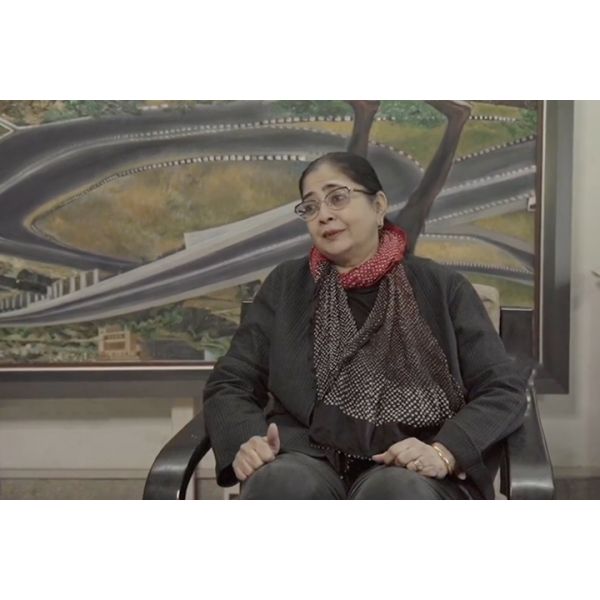
What does it take to liberate a woman’s figure from patriarchal gaze? Courage and conviction, perhaps, as artist Vasundhara Tewari Broota shares in this short interview. Speaking from the experience of painting with courage, the artist also provides a peek into her thought process.
Learn More -
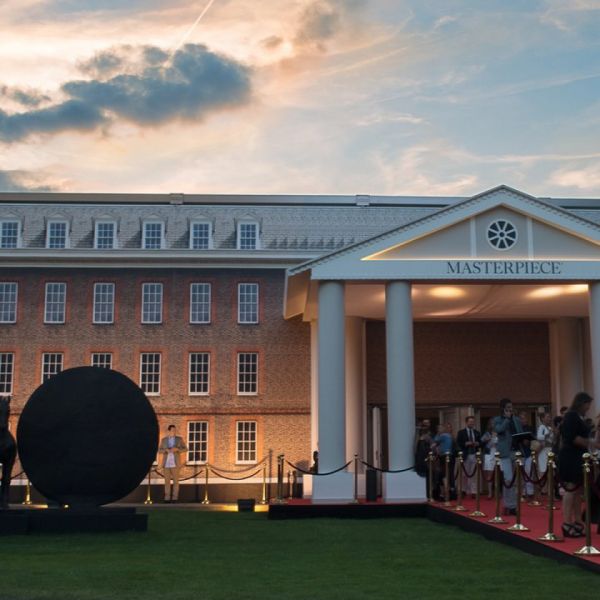 Art FairsMasterpiece$0.00
DAG’s second outing at Masterpiece London, the prestigious fair for everything from exceptional jewellery, furniture and antiquities to works of art held annually at Chelsea, was marked by outstanding inclusions of works by modern masters. The showstopper was a massive sized British Raj - Procession by M. F. Husain (one of two works, the other being his Theorem II) that grabbed everyone’s attention, but equally hypnotising were paintings by Natvar Bhavsar (Eketak), George Keyt (Two Women Amid Plants), F. N. Souza’s fabulous Temple Dancer, tantra-based paintings by G. R. Santosh, Prabhakar Barwe and a work in relief by Satish Gujral. Bikash Bhattacharjee Natvar Bhavsar Avinash Chandra K. K. Hebbar M. F. Husain Ranbir Singh Kaleka George Keyt Krishen Khanna Jehangir Sabavala G. R. Santosh F. N. Souza
Learn More