Search results for: 'old masters artwork on mumbai and mumbai life'
-
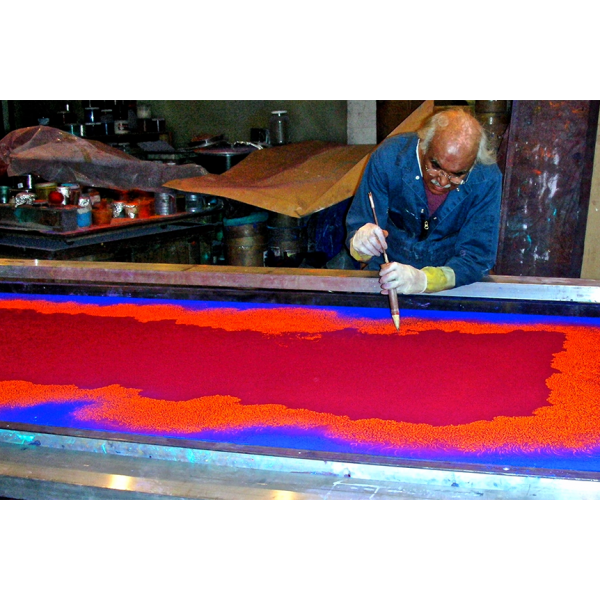 JournalNatvar Bhavsar: Cosmic Whispers$0.00‘Navtar Bhavsar: Cosmic Whispers’ opened on 1 March, featuring the art’s artworks which contributed to significantly to the discourse on abstractionism in New York and beyond. As part of the exhibition, Navtar Bhavsar speaks on working within the art scene in New York in the 1960s and his various points of reference rooted in Indian culture. Learn More
 -
-
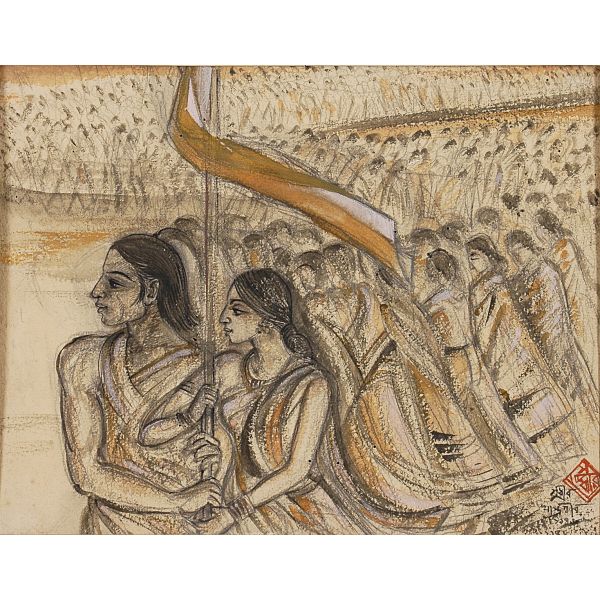 Teaching Through ArtFables of Freedom$1.00
A project idea on using artworks as prompts to write about the figures in the freedom movement marginalized in or left out of the history books.
Learn More -
 JournalDrishyakala by DAG in collaboration with ASI$0.00
DAG in collaboration with ASI (Archaeological Survey of India) presents Drishyakala. An incredible array of over 400 artworks spread over 25,000 square ft. by India’s leading artists from the DAG collection—made all the more unique for its presentation within a UNESCO World Heritage Site—the Red Fort.
Learn More -
 JournalSketching a Temple: Nandalal Bose’s Konark album$0.00
One of India’s nine national treasure artists, Nandalal Bose (1882—1966) forged a long and glittering career as the foremost artist-pedagogue bridging the late-colonial period and the first few decades after Indian independence. He maintained an active drawing practice throughout his life, with many small sketches done on postcards that he carried around with him as a sort of visual notebook.
Learn More -
 Institutional CollaborationsMARCH TO FREEDOM: REFLECTIONS ON INDIA'S INDEPENDENCE$1.00
March to Freedom re-interprets the well-known story of the Indian freedom struggle and anticolonial movement through works of art and some historic artefacts. Drawn from the collections of DAG, they range from eighteenth and nineteenth century European paintings and prints, to lesser known works by Indian artists that merit greater recognition, alongside some iconic pieces. Rather than following the usual chronological path, the story is structured around eight themes. Each represents one arena, or stage, on which the anti-colonial struggle took place, to expand the story beyond politics, politicians, and battles (which also feature). Conceived to commemorate and celebrate the 75th anniversary of India’s independence, this visual journey seeks to do more. For even as we remember the struggles, the sacrifices, and the stories, such anniversaries are also occasions for reflection, including upon the scholarship that has developed on South Asian history. Some of the latter may be familiar to academics, or those with special interests. For most of the rest of us, our knowledge of this past is derived in large part from hazy memories of school lessons, which change from one generation to the next, and are influenced by concurrent national politics. We also learn from narratives on offer through public channels or in the media, to mark moments of national remembrance or controversy.
Learn More -
 ExhibitionsDAG at Serendipity Goa 2016As low as $1.00
By the end of the century, however, the scene was changing, and infrastructure—following the economic reforms in 1991—began to improve, creating an interest in collecting art. Twentieth century Indian modern art has since been at the forefront of collecting and investing in Indian art, and DAG, which has the largest private collection of Indian art has a marked focus on this period of Indian art. Ambadas F. N. Souza G. R. Santosh George Keyt Jamini Roy K. K. Hebbar Kanwal Krishna Laxman Pai M. F. Husain M. F. Pithawalla M. V. Dhurandhar Madhvi Parekh Nandalal Bose Nemai Ghosh Prokash Karmakar Rabin Mondal
Learn More -
 JournalUntitled (Tigers) by Amrita Sher Gil$1.00
The birth of Amrita Sher-Gil to an Indian father and Hungarian mother bequeathed to the nation one of its most incandescent artists. Known for her luminous paintings, her work changed the face of modern Indian art and paved the course it was to take in the country. In a rare sculpture of tigers made, poignantly enough, in the last year of her life, Amrita Sher-Gil is revealed as someone exploring new directions before her tragic demise in 1941.
Learn More -
 Institutional CollaborationsKripal: The Art of Kripal Singh Shekhawat$1.00
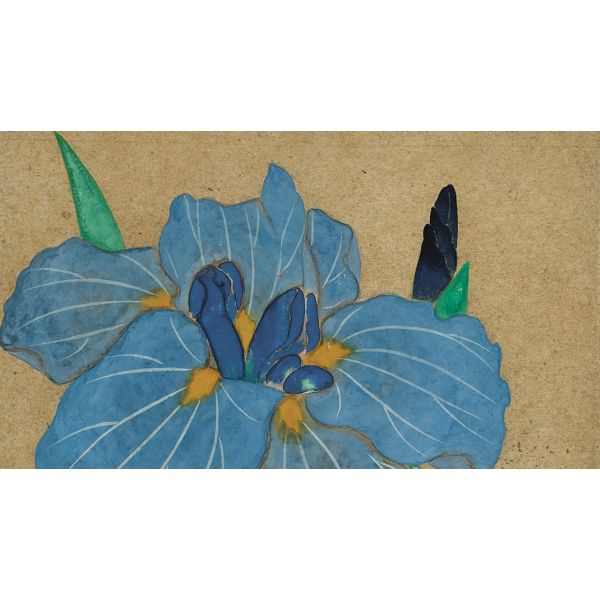
Kripal Singh Shekhawat of Jaipur worked his entire life to bridge the gap between the vernacular and the contemporary, combining what was considered the craft of a kumhar—potter—with the fine art of miniature painting. He paved a new path for a pioneering social and aesthetic mode of life in twentieth century India.
Learn More -
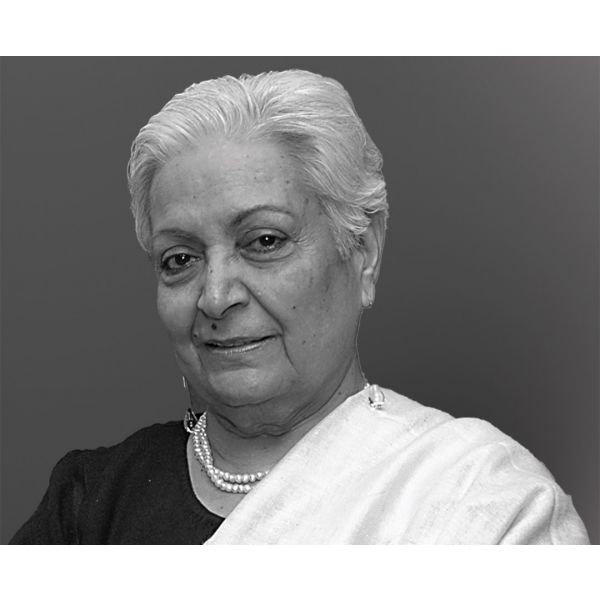 ArtistsZarina Hashmi$0.00Zarina Hashmi née Rasheed (she dropped her surname in later life) was born on 16 July 1937 in Aligarh to Sheikh Abdur Rasheed, a professor of history at the Aligarh Muslim University (AMU). She was ten at the time of the Partition and the consequent events impacted her life and her art forever, especially since her family chose to migrate to Pakistan some years later. Learn More