


Search results for: 'sultan al'
-
 Institutional CollaborationsBirds of India: Company Paintings c. 1800 to 1835$1.00
In celebration of birds and the long relationship art has shared with the winged creatures, this exhibition brings together four folios to present portraits of Indian birds made in the early nineteenth century. While representations of birds date back to the Ajanta murals, naturalistic imagery reached its peak in Mughal art under Emperor Jahangir. In the late 18th century two connected developments emerged in Lucknow and Calcutta. While General Claude Martin provided imported European paper to the artists in Lucknow to prepare botanical studies and other natural history works, in Calcutta Mary, Lady Impey (wife of Chief Justice of the Supreme Court in Bengal, Elijah Impey) had a menagerie where she employed artists to portray variety of animals and birds. Dr. William Roxburgh, superintendent of Calcutta Botanical Garden from 1793, also added to the discourse of natural history by appointing local artists to make botanical studies of the specimens in his charge. The efforts of Martin, Impey, Roxburgh and their artists gave rise to a large body of Company Paintings dedicated to natural history.
Learn More -
 Art FairsArt Dubai$0.00
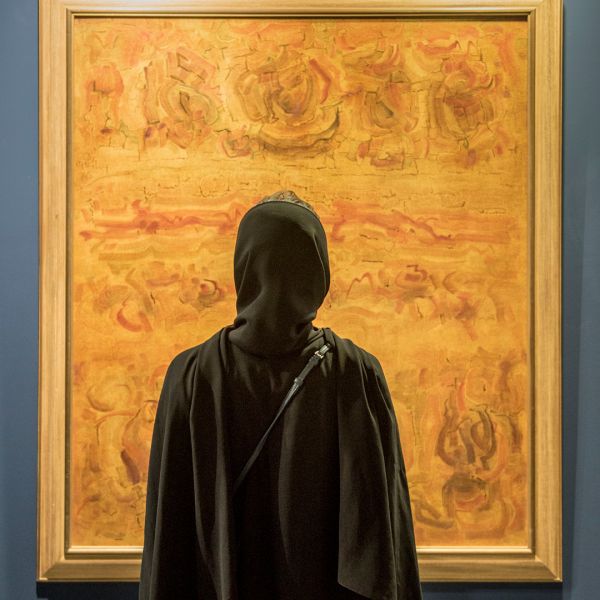
Continuing its theme of introducing Indian abstractionists at Art Dubai, DAG handpicked works by eight eminent abstract artists and juxtaposed them to bring into focus how brushwork and colour are imbued with emotion and can compel viewers to spend hours studying such works. The artists presented by DAG at Art Dubai 2018—Ambadas, Sohan Qadri, Natvar Bhavsar, Avinash Chandra, Rajendra Dhawan, Shanti Dave, Ram Kumar and S. H. Raza—worked in different styles but their use of vivid colours highlighted this somewhat neglected genre of art in India that has begun to enjoy a premium in recent years. These artists had their studios in different parts of the world—Copenhagen, Oslo, New York, Paris, London, New Delhi—but had one thing in common: they were all of Indian origin and had trained and begun their careers in India. AMBADAS SOHAN QADRI NATVAR BHAVSAR AVINASH CHANDRA SHANTI DAVE G. R. SANTOSH J. SWAMINATHAN RAM KUMAR JERAM PATEL RAJENDRA DHAWAN K. V. HARIDASAN
Learn More -
 Art FairsArt Dubai$0.00
For its debut participation in the modern section of Art Dubai 2017, DAG focussed on the unconventional theme of Neo-Tantra as a way of bringing India’s unique school of abstraction to global attention. The booth featured works by two of the country’s leading practitioners of this school—G. R. Santosh and Biren De. The stunning, colour- and energy-filled canvases drew all eyes towards itself, making it the singularly most-visited booth in the section.
Learn More -
 Art FairsMasterpiece$0.00
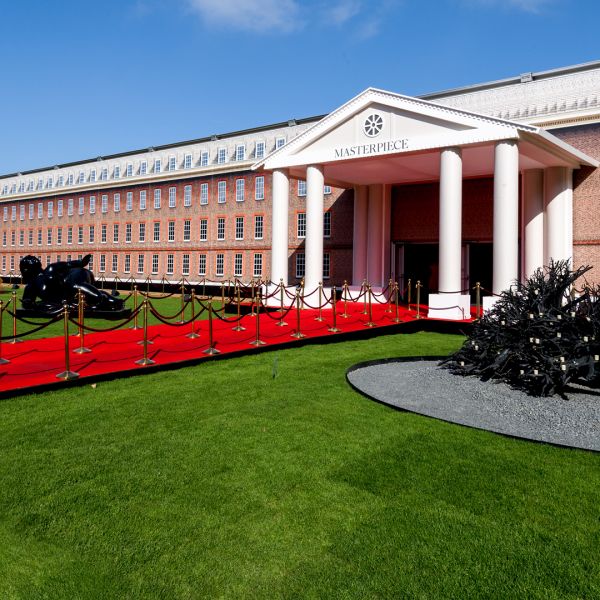
DAG debuted at the prestigious London fair in its seventh edition held in 2016. The gallery exhibited a delectable range by modern Indian masters such as Hemen Mazumdar, Rabindranath Tagore, F. N. Souza, G. R. Santosh and Avinash Chandra. Works on display included expressionist paintings by Rabindranath Tagore, metal sculptures by S. K. Bakre, erotica-inspired art by Avinash Chandra and Hemen Mazumdar, and tantric meditations of S. H. Raza and G. R. Santosh. The museum-quality show was executed along with an event-specific publication. Avinash Chandra Bikash Bhattacharjee Dhanraj Bhagat F. N. Souza G. R. Santosh Hemendranath Mazumdar Kshitindranath Majumdar M. F. Husain Rabindranath Tagore Radha Charan Bagchi Ramkinkar Baij S. K. Bakre S. H. Raza F. N. Souza George Keyt Jehangir Sabavala K. K. Hebbar Krishen Khanna Natvar Bhavsar Ranbir Kaleka Rameshwar Broota Krishen Khanna Ram Kumar Tyeb Mehta Rabin Mondal Jamini Roy
Learn More -
 ExhibitionsIndian AbstractsAs low as $1.00
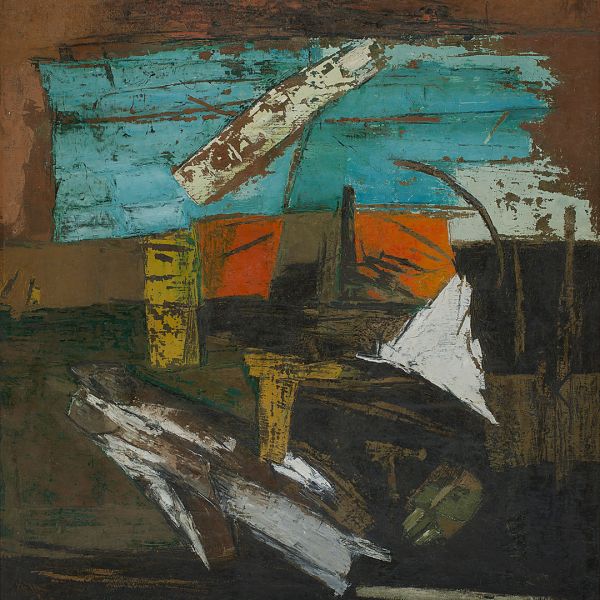
The term ‘abstract’ has been loosely used, more so in the Indian context, where we have only a vague notion of what it implies. Even the slightest distortion in art is popularly referred to as abstraction. And while distortion ultimately results in abstraction, the two are at opposing ends of the visual pole as far as understanding the genre goes. Over several years, viewers have been guided almost by a gut instinct of what constitutes abstract art. And though one concedes that rigid compartments to demarcate genres are neither practical, nor desirable, some understanding of what constitutes abstract art is essential. A. M. Davierwalla Akbar Padamsee Ambadas Amitava Amrut Patel Asit Kumar Haldar Avinash Chandra Baburao Sadwelkar Benode Behari Mukherjee Bikash Bhattacharjee Bimal Dasgupta Biren De Bishamber Khanna Biswanath Mukerji Devayani Krishna Devraj Dakoji Dhanraj Bhagat Dharamnarayan Dasgupta F. N. Souza G. R. Santosh Ganesh Haloi H. A. Gade Hemanta Misra Himmat Shah J. Swaminathan Jeram Patel Jyoti Bhatt K. C. S. Paniker K. G. Subramanyan K. S. Kulkarni Krishna Reddy L. Munuswamy Laxman Pai Laxman Shrestha M. F. Husain Nasreen Mohamedi P.Khemraj P.T.Reddy Partha Pratim Deb Piloo Pochkhanawala Prabhakar Barwe Prabhakar Kolte Prokash Karmakar R. M. Palaniappan R. N. Pasricha Rabin Mondal Raghav Kaneria Ram Kumar S. G. Vasudev S. H. Raza S. K. Bakre S. R. Bhushan Sanat Kar Sankho Choudhuri Satish Gujral Shanti Dave Shobha Broota Sohan Qadri Somnath Hore Sunil Das Sunil Madhav Sen Tapan Ghosh V. S. Gaitonde V. Viswanadhan Vivan Sundaram Zarina Hashmi
Learn More -
 ExhibitionsMumbai ModernAs low as $1.00
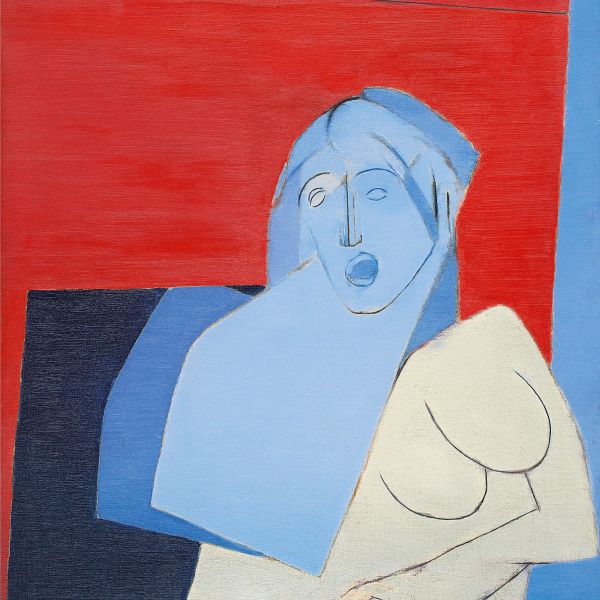
This exhibition is significant as it marks one of the largest-ever shows of the Progressives and their associate members. It also celebrates the genesis of the Progressive Artists’ Group in Bombay in 1947 and its continued link with the city. Akbar Padamsee Bal Chhabda F. N. Souza H. A. Gade K.H. Ara Krishen Khanna M. F. Husain Mohan Samant Ram Kumar S. H. Raza S. K. Bakre Tyeb Mehta V. S. Gaitonde
Learn More -
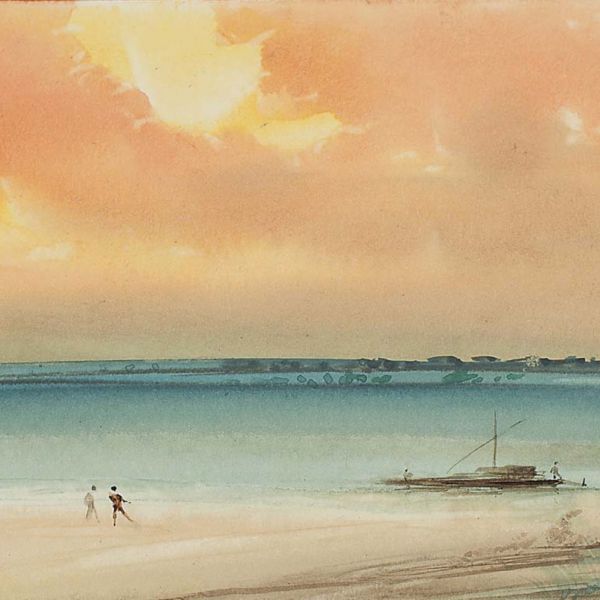 ExhibitionsIndian LandscapesAs low as $1.00
Landscape art arrived in India through travelling European artists who brought the aesthetic of painting mountains, rivers and trees against the sky and a distant horizon—nature as a subject in itself —to Indian art, where it had traditionally only formed a backdrop in narrative-driven, figural paintings. The genre remained popular throughout the nineteenth century with a great demand for landscapes of India both in Europe and among the newly anglicised elite in India. Its popularity began to wane with the advent of modernism and a growing emphasis on the human figure, but several Indian artists, a significant name among them Gopal Ghose, continued to practice the form, now absorbing a wide range of new artistic trends and influences. A.A. Almelkar Abanindranath Tagore Ambika Dhurandhar Amitava Anonymous (Company School) Anonymous (Early Bengal) Atul Bose Avinash Chandra B. C. Gue B. N. Arya Bhupen Khakhar Bijan Choudhary Bikash Bhattcharjee Bimal Dasgupta Bireswar Sen Bishnupada Roychowdhury Chittaprosad D. C. Joglekar D. J. Joshi Devraj Dakoji Devyani Krishna Dharamnarayan Dasgupta Dulal Gue E. A. Dadi Edward Cheney F. N. Souza G. R. Santosh G. S. Haldankar Ganesh Haloi Gobardhan Ash Gopal Ghose H. A. Gade Haren Das Hirachand Dugar Indra Dugar J. P. Gangooly Jamini Roy John Deschamps Jyoti Bhatt K H. Ara K. C. S. Panicker K. K. Hebba K. Laxma Gou K. S. Kulkarni Kanwal Krishna Kisory Roy Kripal Singh Shekhawat L. N. Taskar L. P. Shaw Lalit Mohan Sen Laxman Pai M. F. Husain M. V. Dhurandhar Manishi Dey Mukul Dey N. R. Sardesai N. S. Bendre Nandalal Bose Nikhil Biswas Olinto Ghilardi P. Khemraj Paramjit Singh Pestonji E. Bomanji Prokash Karmakar Prosanto Roy Radha Charan Bagchi Raja Ravi Varma Ram Kumar Ramendranath Chakravorty Ramkinkar Baij Ranen Ayan Dutta Richard Barron Robert Grindlay S. G. Thakur Singh S. K. Bakre S. L. Haldankar Satish Sinha Sudhir Khastgir Sunil Das Thomas Daniell William Carpenter William Hodges
Learn More -
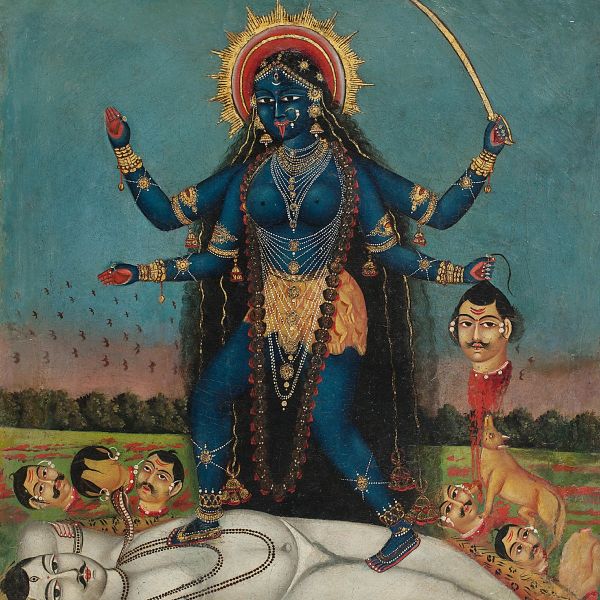 ExhibitionsThe Art of BengalAs low as $1.00
The contribution of the first renaissance capital of the country—Bengal—to Indian art and its development is longstanding, enormous and continued. As one of the largest repositories of Bengal art of the past two centuries, DAG is extremely pleased to announce its major exhibition. 19th Century Popular Paintings 19th Century Popular Prints Abani Sen Abanindranath Tagore Ajit Gupta Amalnath Chakladhar Amitabha Banerji Annada Prasad Bagchi Arun Bose Asit Haldar Atul Bose B C Law B. C. Sanyal Bampada Bandhopadhay Benjamin Hudson Benode Behari Mukherjee Bijan Choudhary Bikash Bhattacharjee Bipin Behari Goswami Biren De Bireswar Sen Biswanath Mukerji Chintamoni Kar Chittaprosad D. P. Roy Chowdhury Das Sunil Bimal Dasgupta Dharamnarayan Dasgupta Dhiraj Chowdhury Dhirendra Deb Burman Dipen Bose Early Bengal Oil Artists Gaganendranath Tagore Ganesh Haloi Ganesh Pyne Gobardhan Ash Gopal Ghoshe Gopal Sanyal Haren Das Hemanta Misra Hemendranath Majumdar Heramba Kumar Ganguly Hirachand Dugar Hiranmoy Roychaudhuri Indra Dugar Isha Mahammad J. P. Gangooly Jamini Roy Jogen Chowdhury Jogesh Chander Seal K. G. Subramanyan Kalighat Patuas Kalikinkar Ghosh Dastidar Kalipada Ghoshal Kartick Chandra Pyne Khagen Roy Kishory Roy Kshitindranath Majumdar Lalit Mohan Sen Lalu Prasad Shaw M. A. R. Chughtai Maniklal Banerjee Manishi Dey Meera Mukherjee Mukul Dey Nabin Chandra Ghosh Nandalal Bose Nikhil Biswas Nirode Majumdar Olinto Ghilardi Paritosh Sen Partha Pratim Deb Prahlad Karmakar Prankrishna Pal Prodosh Das Gupta Prokash Karmakar Prosanto Roy Rabin Mondal Rabindranath Tagore Radhacharan Bagchi Ramananda Bandhopadhyay Ramendranath Chakravorty Ramgopal Vijaivargiya Ramkinkar Baij Ranada Charan Ukil – Ranada Prasad Gupta Rathin Maitra Sailendranath Dey Sailoz Mukherjea Sakti Burman Samarendranath Gupta Sanat Kar Sankho Chaudhuri Sarada Chandra Ukil Sarbari Roy Chowdhury Satish Chandra Sinha Shuvaprasanna Shyamal Dutta Ray Somnath Hore Sudhir Ranjan Khastgir Suhas Roy Sunayani Devi Sunil Madhav Sen Surendranath Ganguly Surendranath Kar Sushil Chandra Sen Zainul Abedin
Learn More -
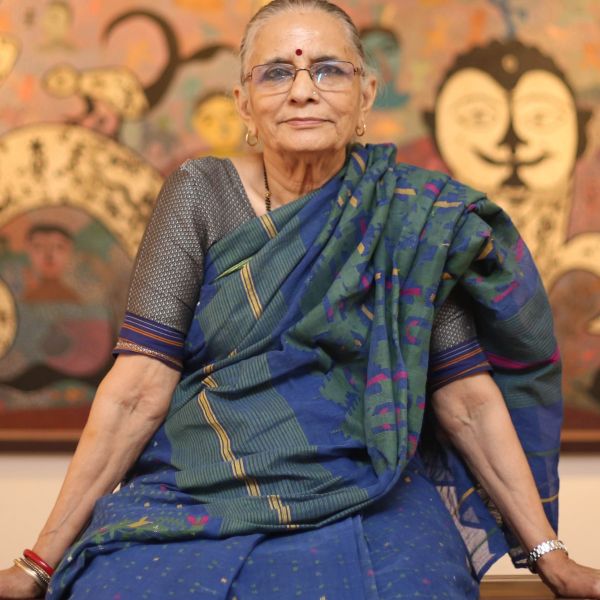 ExhibitionsMadhvi Parekh: The Curious SeekerAs low as $1.00
Spanning five decades of her painterly career, this retrospective includes iconic works by Madhvi Parekh which represent every phase of her illustrious career. The show also includes rare drawings and paintings from the 1960s, when the influence of Paul Klee’s abstraction on her early work was evident. Given the solid representation of Parekh’s paintings from every decade, the exhibition allows viewers to see the continuity in her vision and focus.
Learn More -
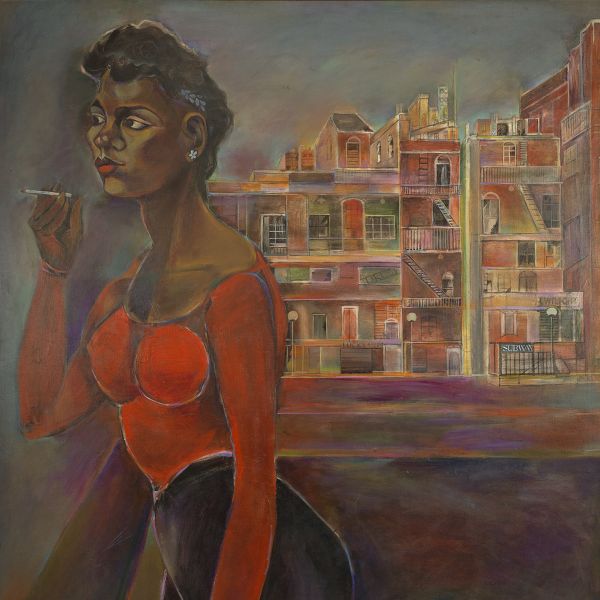 ExhibitionsIndia’s Rockefeller ArtistsAs low as $1.00
India’s Rockefeller Artists showcases iconic works of the Indian painters and sculptors who travelled to the US on philanthropic grants from the JDR 3rd Fund (1963–1979) and later through the Asian Cultural Council. These artists were exposed to American art and shared their own learnings and experiences through these enriching cultural exchanges. The show examines how and why these artists were selected; their relationships with each other and the American art milieu; the impact of the experience on their work; and the creation of a community of Rockefeller artists.
Learn More -
 ExhibitionsGroup 1890As low as $1.00
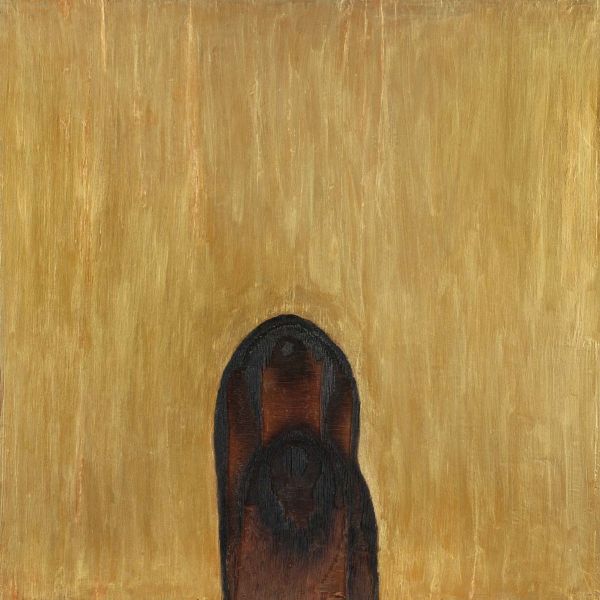
A great number of short-lived but nonetheless significant art movements arose in India over the twentieth century as Indian artists struggled with evolving or arriving at their identity as modern artists and an appropriate visual language of Indian modernism. One of the most significant amongst these is the artist collective, Group 1890, formed in 1962 with twelve young artists, led by the artist and art critic J. Swaminathan. The group consisted of J. Swaminathan, Gulammohammed Sheikh, Himmat Shah, Jeram Patel, Ambadas, Jyoti Bhatt, Raghav Kaneria, M. Reddeppa Naidu, Rajesh Mehra, Eric Bowen, S. G. Nikam and Balkrishna Patel. Ambadas Balkrishna Patel Eric Bowen Gulammohammed Sheikh Himmat Shah J. swaminathan Jeram Patel Jyoti Bhatt Raghav Kaneria Rajesh Mehra Reddappa Naidu S. G. Nikam
Learn More -
 ExhibitionsAvinash Chandra: HumanscapesAs low as $1.00
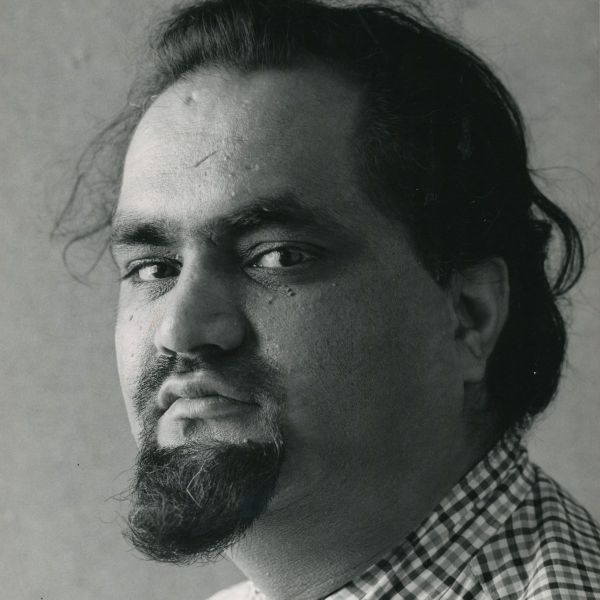
This is the first-ever retrospective of the Indian modern artist Avinash Chandra who lived most of his life in the West, in London and New York. The artist, who had trained in New Delhi, left soon after for London, and most of his practice was limited to London and New York, the two cities he called his home till his unfortunately early death in 1991. In the roughly three-and-a-half decades of his career, Avinash’s work changed amazingly, reflecting his environment and milieu as he grew and adapted to cities vastly different from their Indian counterparts, with their own sub-cultures. That this happily coincided with a discovery of India, however superfluously, as a land of spirituality and sexuality, seemed to serve him well as his muse.
Learn More