Search results for: 'Price for j s'
-
 ExhibitionsIndia’s Rockefeller ArtistsAs low as $1.00
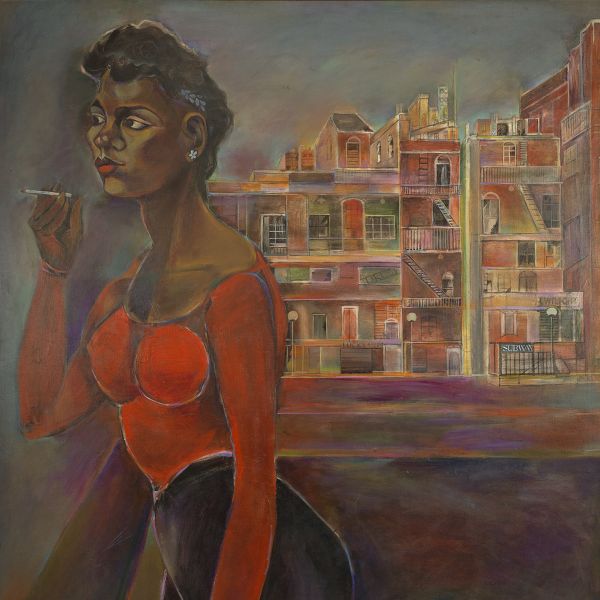
India’s Rockefeller Artists showcases iconic works of the Indian painters and sculptors who travelled to the US on philanthropic grants from the JDR 3rd Fund (1963–1979) and later through the Asian Cultural Council. These artists were exposed to American art and shared their own learnings and experiences through these enriching cultural exchanges. The show examines how and why these artists were selected; their relationships with each other and the American art milieu; the impact of the experience on their work; and the creation of a community of Rockefeller artists.
Learn More -
 ExhibitionsMemory & IdentityAs low as $1.00
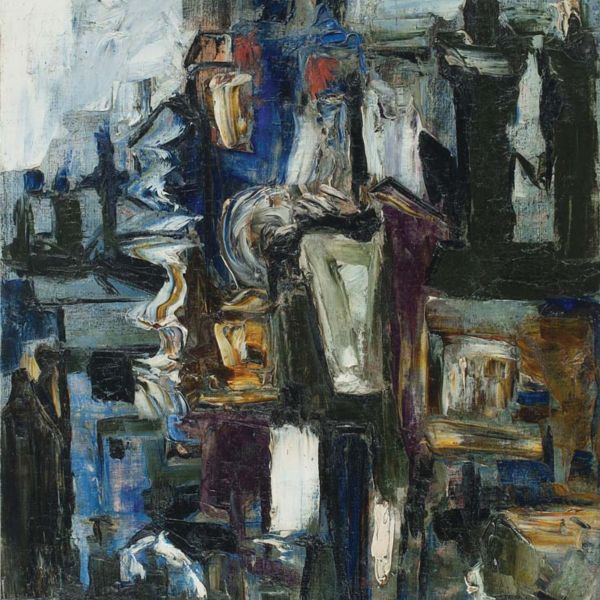
Much of Indian modernism is enriched by the work that some of its best known artists produced after they had left the country, choosing as home another land. F. N. Souza was among the first to leave, in 1949, to head for London, where a successful practice catapulted him to the top of Britain’s artists. He was followed, in 1950, by S. H. Raza, who settled in Paris, winning the coveted critics’ award (Prix de la critique) in 1956, while others such as Krishna Reddy (Paris and New York), S. K. Bakre (London), Sakti Burman (Paris), Avinash Chandra (London and New York), Mohan Samant (New York), Natvar Bhavsar (New York), V. Viswanadhan (Paris), Sohan Qadri (Copenhagen), Rajendra Dhawan (Paris), Eric Bowen (Oslo), Ambadas (Oslo), and Zarina Hashmi (New York), followed in the 1950s-70s. These fourteen artists, with their diverse styles and concerns in art making, are masters lauded for the sheer range of responses to their environment that their work has registered. However, the question this exhibition forefronts, as its curator Kishore Singh asks, is: ‘Does the artist’s ethnic identity mean art too has an ethnic identity?’ Ambadas Avinash Chandra Eric Bowen F. N. Souza Krishna Reddy Mohan Samant Natvar Bhavsar Rajendra Dhawan S. H. Raza S. K. Bakre Sakti Burman Sohan Qadri V. Viswanadhan Zarina Hashmi
Learn More -
-
 ExhibitionsContinuumAs low as $1.00
Most shows at DAG take time to develop because of the quality of research and scholarship they require to mount, but even by our own exacting standards, Continuum has taken longer than most. This, a retrospective in a sense of the six artists who formed the Progressive Artists’ Group, is seminal because it is for the first time since 1950 that the six artists forming the core group have been brought together in an exhibition of their works. The Progressives have become the rallying point for the modern movement in Indian art, and are considered among the most important artists of the last and current century. Of these, M. F. Husain, F. N. Souza and S. H. Raza dominate the market. Alongside, works by their contemporaries K. H. Ara, H. A. Gade and S. K. Bakre, who have largely been seen to have underperformed in comparison, will help re-draw such distinctions and place them on the same platform as their better-known peers. It will re-define their historical importance and gain them the recognition that is their due. Maqbool Fida Husain M.F.Husain Hari Ambadas Gade Syed Haider Raza Krishnaji Howlaji Ara Sadanandji k. Bakre Francis Newton Souza
Learn More -
 ExhibitionsIndia ModernAs low as $1.00
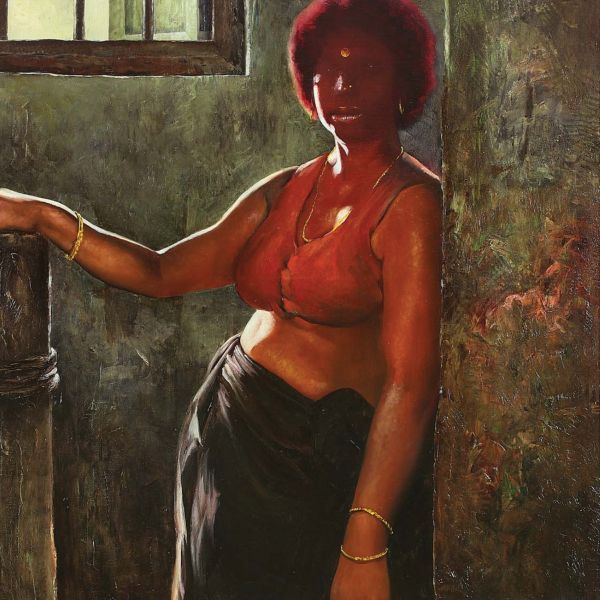
Any new exhibition brings with it a frisson of excitement, but by any measure India Modern: Narratives From 20th Century Indian Art has been extra special. Most art lovers take Indian modernism for granted—but how many can truly claim to know what it really means. For too many years, the term has been loosely used, with very little awareness of what it includes, or omits. What the West understands and takes as a given is something that in India still remains a mystery, perhaps because art in India cannot strictly be viewed from the same trope as Western art. Perhaps this is true of most countries, but it is especially true of colonised nations where new engagements with art in the West were imposed without the benefit of growing their own local practices organically. This hybrid custom developed at various levels, which makes it exciting when viewed from some distance, but also imposes a challenge. Therefore the question: What does modernism in Indian art imply? Akbar Padamsee Ambadas Anjolie Ela Menon Avinash Chandra B. Prabha Bikash Bhattacharjee Bimal Dasgupta Biren De Dhanraj Bhagat Dharamnarayan Dasgupta F. N. Souza G. R. Santosh Ganesh Haloi Ganesh Pyne George Keyt Gieve Patel H.A. Gade Himmat Shah J. Sultan Ali J. Swaminathan Jehangir Sabavala Jeram Patel Jogen Chowdhury K. G. Subramanyan K. H. Ara K. K. Hebbar K. S. Kulkarni Krishen Khanna Laxman Goud Laxman Pai M. F. Husain Manjit Bawa P. Khemraj P.T. Reddy Rabin Mondal Ram Kumar S. K. Bakre S.H. Raza Sakti Burman Sohan Qadri Somnath Hore Sunil Das
Learn More -
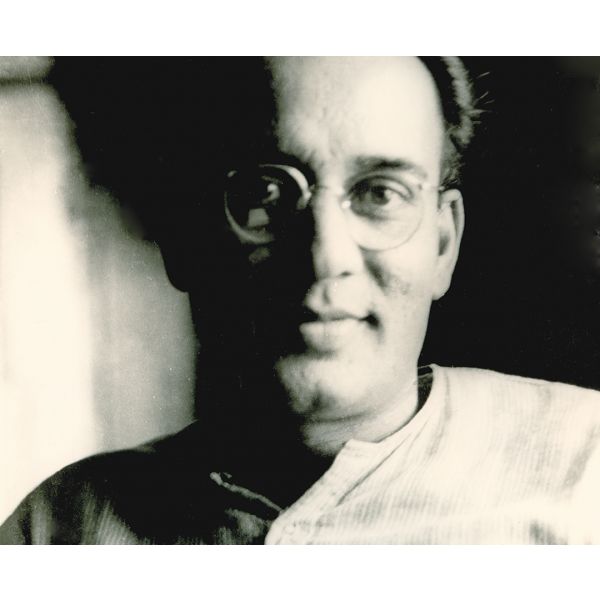 ArtistsIndra Dugar$0.00Indra Dugar, unlike his illustrious father Hirachand Dugar (1898-1951), did not have any formal education in art. Born in 1918 in Jiaganj in Murshidabad, West Bengal, he sub-consciously absorbed the artistic ambience of Santiniketan where he grew up; his father was one of the earliest students at Kala Bhavana at the Visva-Bharati University. Dugar acquired art skills from his father and considered Santiniketan his alma mater. He was inspired by his father’s mentor Nandalal Bose, who saw great promise in him. Learn More
 -
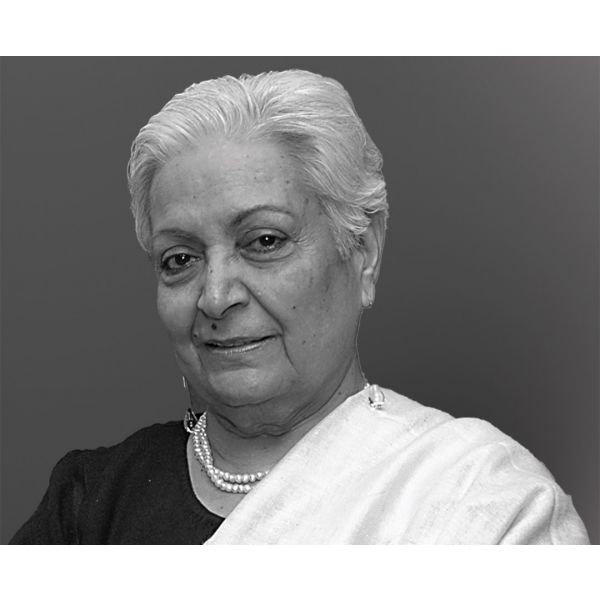 ArtistsZarina Hashmi$0.00Zarina Hashmi née Rasheed (she dropped her surname in later life) was born on 16 July 1937 in Aligarh to Sheikh Abdur Rasheed, a professor of history at the Aligarh Muslim University (AMU). She was ten at the time of the Partition and the consequent events impacted her life and her art forever, especially since her family chose to migrate to Pakistan some years later. Learn More
 -
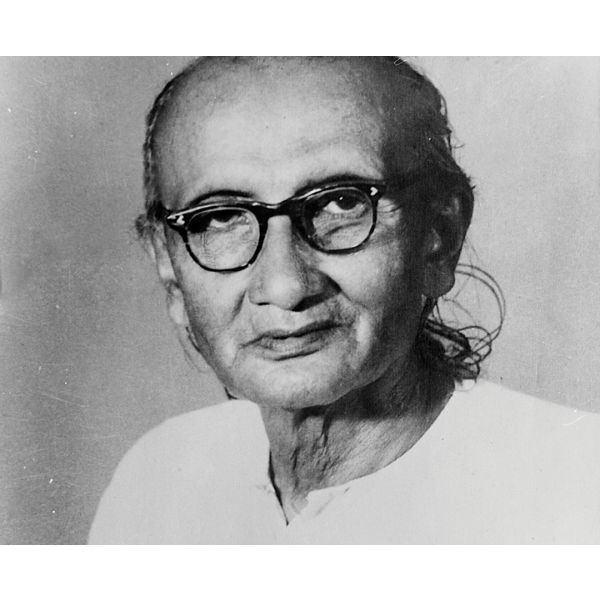 ArtistsKshitindranath Majumdar$0.00Kshitindranath Majumdar, born on July 31, 1891, in Jagtai village of Murshidabad in West Bengal, is often referred to as a saint-artist who considered art as a form of devotion. Strongly influenced by Vaishnavism as propounded by the fifteenth century saint, Chaitanya Mahaprabhu, Majumdar trained in hymn singing, interpreted legends from Indian epics, and acted in productions of the theatre group owned by his father. Learn More
 -
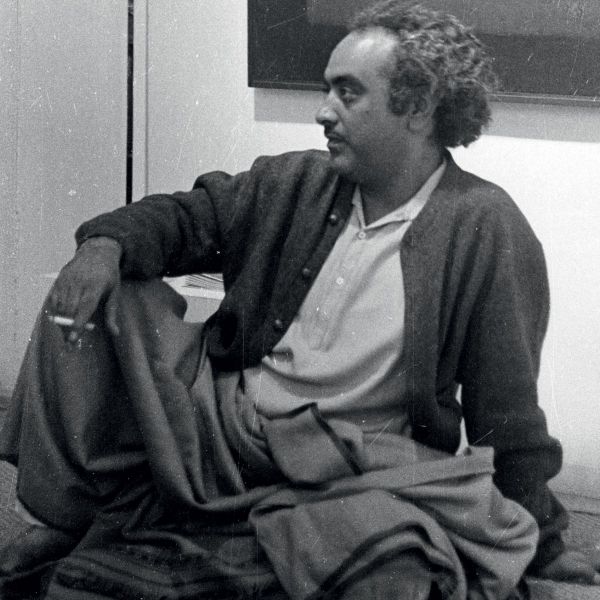 ExhibitionsG. R. Santosh: AwakeningAs low as $1.00
An unassuming trailblazer, Gulam Rasool Santosh is the most important artist from the movement known as neo-tantra in Indian art, synonymous with masters such as Biren De and Sohan Qadri. Self-taught, Santosh began his career painting landscapes in his native Kashmir before being spotted by S. H. Raza, which enabled him to study at the Maharaja Sayajirao University at Baroda under the famous artist N. S. Bendre. After a few years of painting figurative and abstract works in the mould of the other Indian Progressives, Santosh’s art changed dramatically towards tantra when he had a mystical experience in the Amarnath cave in 1964. From then on, until his death in 1997, G. R. Santosh dedicated his life to the study and practice of tantra, a yogi as much as an artist.
Learn More