


Search results for: 'Armory 2025 Art Fa'
-
 ExhibitionsThe Sixties ShowAs low as $1.00
The 1960s was a period of immense change around the world, and it had deep ramifications on India’s socio-political scenario. The country had left behind the jubilation of Independence and was feeling the pinch of a nation grappling with the issues of development that impacted society and environment. A war with China in 1962 and Pakistan in 1965 had far-reaching implications on the national psyche— the first of shame, the latter of pride. Crippling shortages and unemployment were impacting life, even as the country’s success with the Green Revolution was directed at self-sufficiency. Migration from the villages to urban centres was increasing. Disparities—economic, gender or class—provided fertile ground for the alienation of the other. The more anglicised among the youth found themselves being drawn into the vortex of a global hippie movement. A. A. RAIBA AMBADAS ANUPAM SUD AVINASH CHANDRA BIKASH BHATTACHARJEE BIMAL DASGUPTA DHANRAJ BHAGAT F. N. SOUZA G. R. SANTOSH HIMMAT SHAH J. SULTAN ALI J. SWAMINATHAN JAMINI ROY JERAM PATEL JOGEN CHOWDHURY JYOTI BHATT K. G. SUBRAMANYAN K. LAXMA GOUD KRISHEN KHANNA LAXMAN PAI M. F. HUSAIN MADHVI PAREKH P. T. REDDY PARITOSH SEN PRABHAKAR BARWE PRODOSH DASGUPTA PROKASH KARMAKAR RABIN MONDAL RAM KUMAR RAMESHWAR BROOTA S. H. RAZA S. K. BAKRE SAKTI BURMAN SATISH GUJRAL SHANTI DAVE SOHAN QADRI SOMNATH HORE SUNIL DAS ZARINA HASHMI
Learn More -
 ExhibitionsA Place In The Sun: Women Artists From 20th Century IndiaAs low as $1.00
Sunayani Devi picked up a paintbrush in 1905 when she was thirty years old while supervising her kitchen duties, self-taught, but with enough talent to attract the critical attention of Stella Kramrisch who organised an exhibition of her paintings in Germany in 1927. It was in her worthy footsteps that India’s women artists followed. Devayani Krishna was born five years after Sunayani Devi began painting; Amrita Sher-Gil already had a career in Paris by the time India’s first art school-trained woman artist, Ambika Dhurandhar, earned her diploma in Bombay. B. Prabha followed next, her work reflecting the realities of the marginalised in a piquant language. By the time Nasreen Mohamedi and Zarina Hashmi, both born a decade before Independence, established their careers, women were joining art schools in greater numbers, validating their practice not on the basis of their gender but on its context. Anupam Sud Devayani Krishna Gogi Saroj Pal Latika Katt Madhvi Parekh Mrinalini Mukherjee Navjot Rekha Rodwittiya Shobha Broota Zarina Hashmi
Learn More -
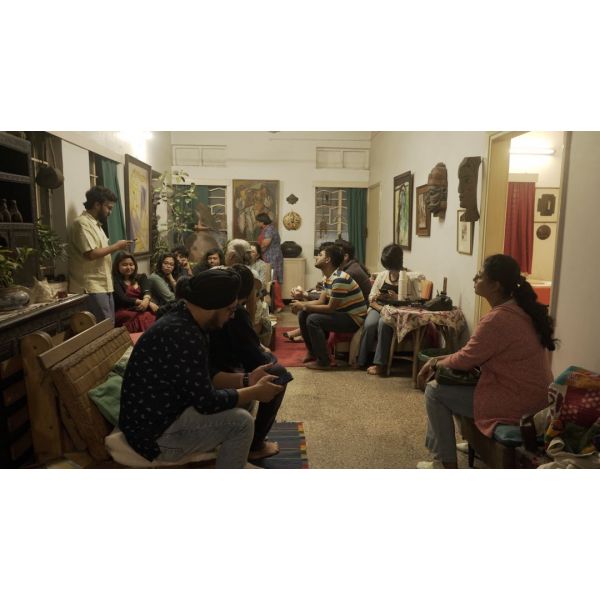 Events and ProgrammesA World Within a Home$1.00
An intimate evening at the home of the artist Shanu Lahiri, featuring stories about the family collection and archive told by a family member, and looking at the close-knit world of Calcutta’s creative community post-independence.
Learn More -
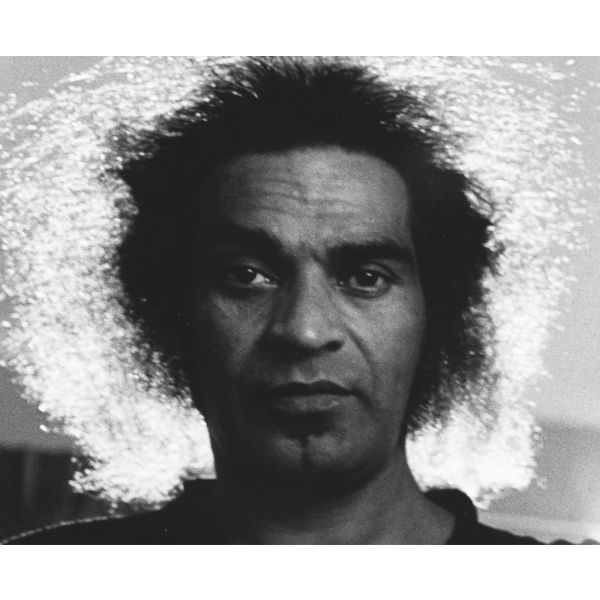 ArtistsSohan Qadri$0.00Sohan Qadri was born in a wealthy farming family in Punjab’s Chachoki village on 2 November 1932. When he was seven, he came across two spiritualists living on the family farm—Bikham Giri, a Bengali Tantric-Vajrayan Yogi, and Ahmed Ali Shah Qadri, a Sufi. Both gurus had a tremendous impact on young Qadri and taught him spiritual ideals through meditation, dance, and music. His association with them heralded a lifelong commitment to spirituality and art. Learn More
 -
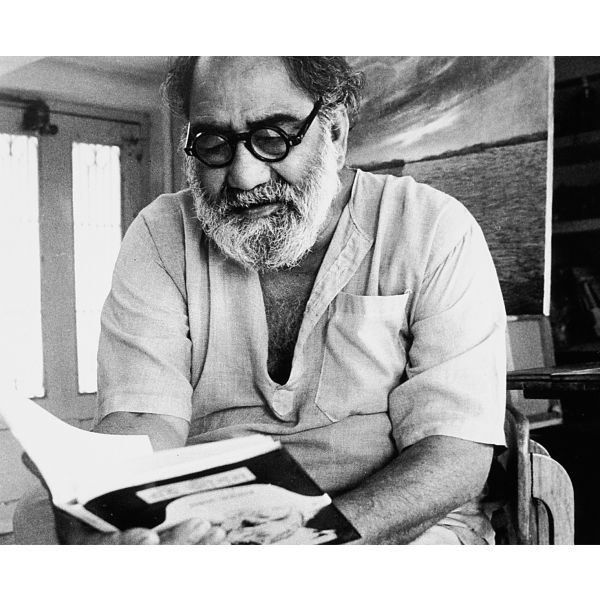 ArtistsProkash Karmakar$0.00Prokash Karmakar learnt painting at his father, artist-teacher Prahlad Karmakar’s atelier, till the socio-political turmoil of the 1940s and his father’s early death put an end to it. After his matriculation, Karmakar joined Government College of Arts and Crafts, Calcutta, but quit soon thereafter for reasons of poverty. In between, he designed book covers and worked as an illustrator for his livelihood; he even joined the army but absconded after two years, driven by his desire to paint. Learn More
 -
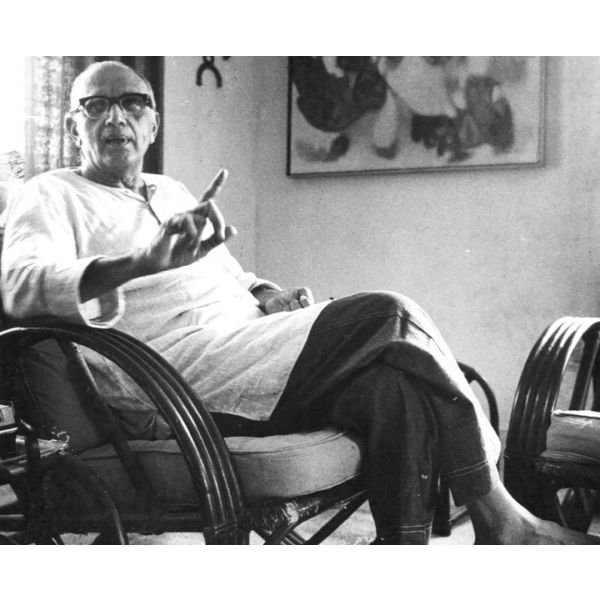 ArtistsJ. Sultan Ali$0.00Born in a Bombay-based business family, J. Sultan Ali’s first act of rebellion was to leave the safety of the family trade and join sculptor-teacher D. P. Roy Chowdhury at the Government College of Art in Madras in 1945. He also studied textile design at the Madras Government Textile Institute, and pursued a photography course in London. Learn More
 -
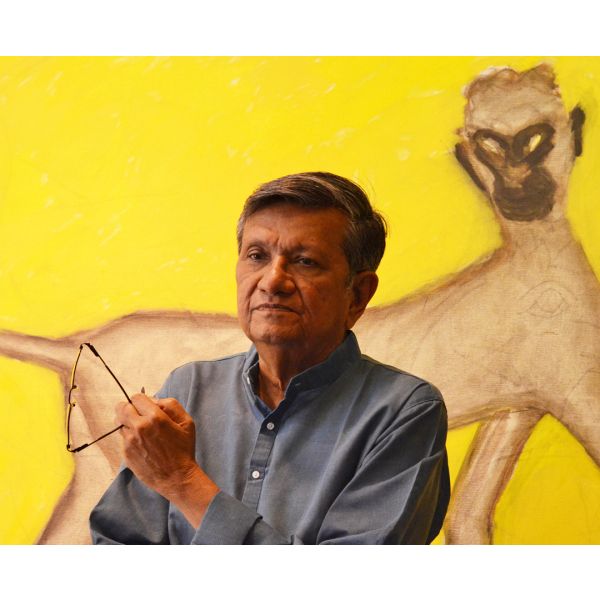 ArtistsAmit Ambalal$0.00It was a radical shift for the commerce and art graduate Amit Ambalal, born in a Gujarati business family, to give up the family’s textile business in order to pursue painting. Learn More
 -
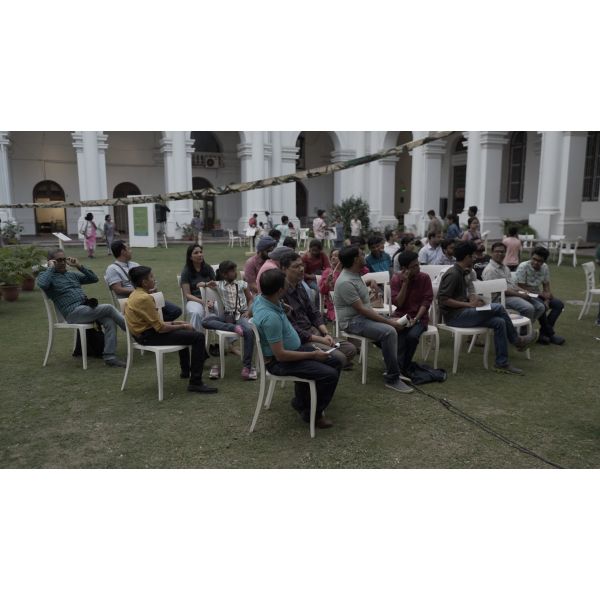 Events and ProgrammesPlay Fair 2024: Quiz$1.00
DAG Museums in collaboration with the Indian Museum returns with the second edition of 'Play Fair,' a two-day carnival of games inspired by the art and artists from the DAG collection. Spread over two days on the splendid lawns of the memorial, this lusory experience is an invitation to immerse yourself in Bengal art, culminating with performance by Sangram Mukhopadhyay.
Learn More -
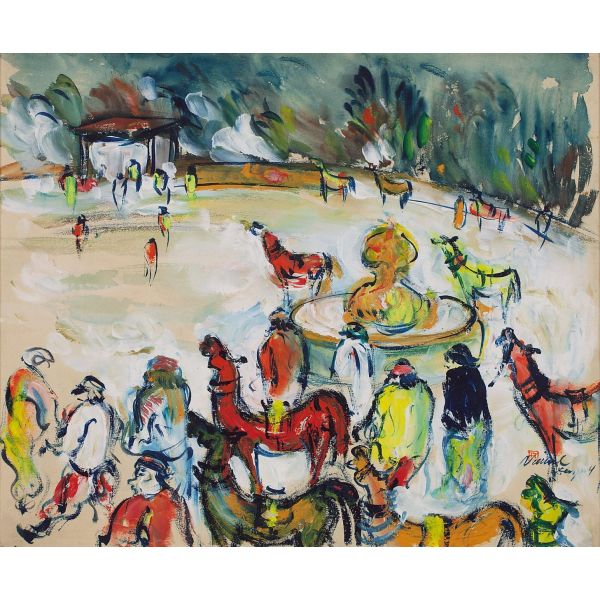 Events and ProgrammesPlay Fair 2024: Hatyakhela$1.00
DAG Museums in collaboration with the Victoria Memorial returns with the second edition of 'Play Fair,' a two-day carnival of games inspired by the art and artists from the DAG collection. Spread over two days on the splendid lawns of the memorial, this lusory experience is an invitation to immerse yourself in Bengal art, culminating with an after-hours concert by The Big Other.
Learn More -
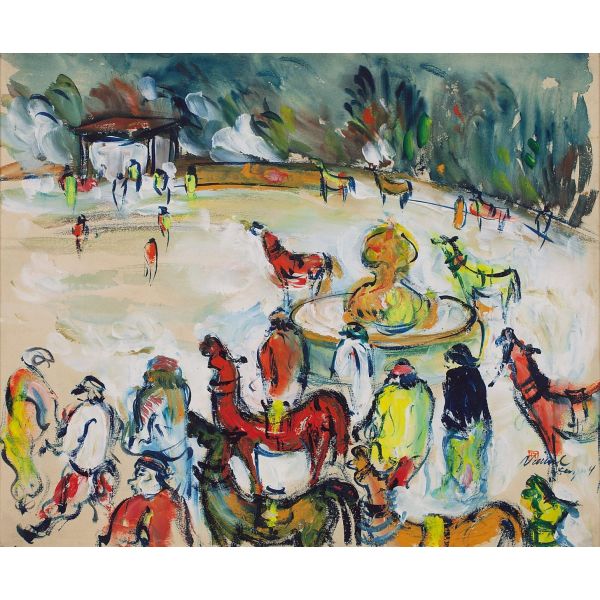 Events and ProgrammesPlay Fair 2024: Quiz$1.00
DAG Museums in collaboration with the Victoria Memorial returns with the second edition of 'Play Fair,' a two-day carnival of games inspired by the art and artists from the DAG collection. Spread over two days on the splendid lawns of the memorial, this lusory experience is an invitation to immerse yourself in Bengal art, culminating with an after-hours concert by The Big Other.
Learn More -
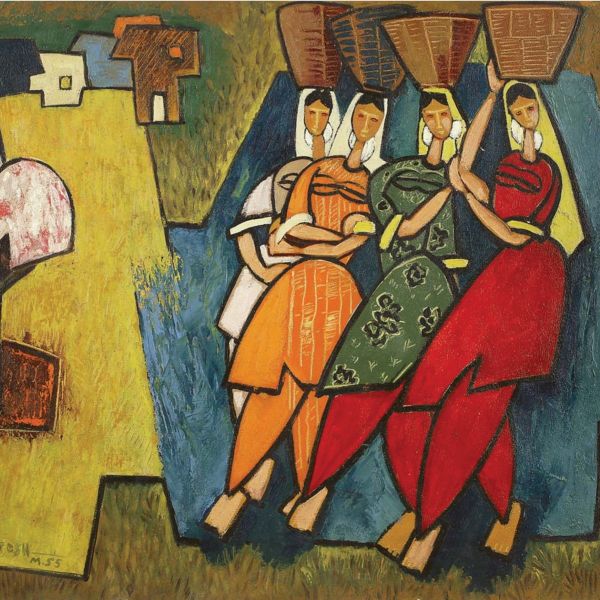 ExhibitionsWays of SeeingAs low as $1.00
Do we view things differently as we grow older? What are the perspectives that matter most when viewing art? Do we see things differently as men and women? Do we see art differently as men and women? How does one’s gender impact the creation of art? In the months leading up to ‘Ways of Seeing’, these were some of the questions we posed to ourselves, and we wish we could say that we found a generic, universal response, for there are as many standpoints and views as there are viewers and people. Amrita Sher-Gil Anjolie Ela Menon Anupam Sud Arpana Caur B. Prabha Devayani Krishna Elizabeth Brunner Gogi Saroj Pal Jaya Ganguly Kanchan Chander Kavita Nayar Latika Katt Madhvi Parekh Mrinalini Mukherjee Nalini Malani Navjot Nilima Sheikh Rekha Rodwittiya Shobha Broota Sunayani Devi Vasundhara Tewari Broota Zarina Hashmi Akbar Padamsee Avinash Chandra B. C. Sanyal Baburao Painter Bikash Bhattacharjee D. P. Roy Chowdhury Dharamanarayan Dasgupta Dhruva Mistry F. N. Souza G. R. Santosh Ganesh Pyne George Keyt Haren Das Jagadish Dey Jamini Roy Jogen Chowdhury Jyoti Bhatt K. H. Ara K. S. Kulkarni Khagen Roy Krishen Khanna M. F. Husain M. Suriyamoorthy M. V. Dhurandhar Nandalal Bose P. T. Reddy Prokash Karmakar Sakti Burman Satish Sinha Sudhir Khastgir Sunil Das V. Nageshkar
Learn More -
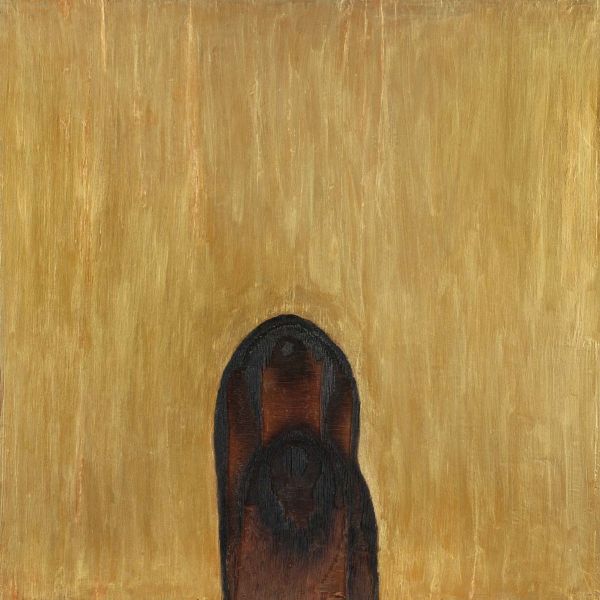 ExhibitionsGroup 1890As low as $1.00
A great number of short-lived but nonetheless significant art movements arose in India over the twentieth century as Indian artists struggled with evolving or arriving at their identity as modern artists and an appropriate visual language of Indian modernism. One of the most significant amongst these is the artist collective, Group 1890, formed in 1962 with twelve young artists, led by the artist and art critic J. Swaminathan. The group consisted of J. Swaminathan, Gulammohammed Sheikh, Himmat Shah, Jeram Patel, Ambadas, Jyoti Bhatt, Raghav Kaneria, M. Reddeppa Naidu, Rajesh Mehra, Eric Bowen, S. G. Nikam and Balkrishna Patel. Ambadas Balkrishna Patel Eric Bowen Gulammohammed Sheikh Himmat Shah J. swaminathan Jeram Patel Jyoti Bhatt Raghav Kaneria Rajesh Mehra Reddappa Naidu S. G. Nikam
Learn More