


Search results for: 'sam manson a scuba diver in her wetsuit swims underwater in episode'
-
 Collection StoriesScripting the Camera: Satyajit Ray’s cinema as ‘archive’$0.00
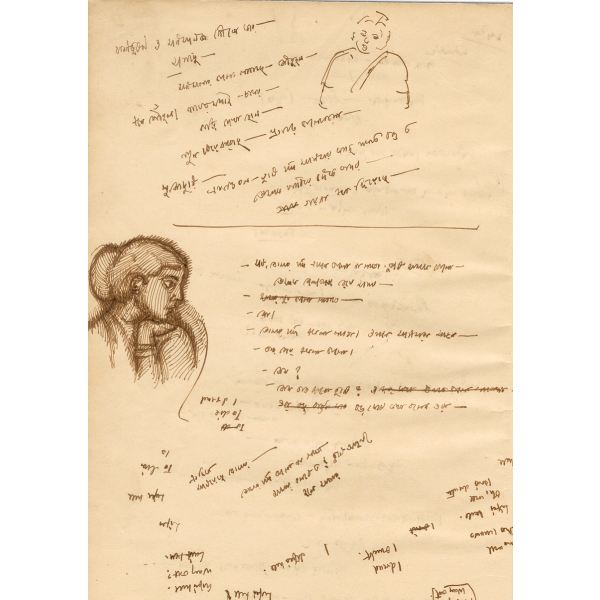
The DAG Archive has over 90,000 photographs taken by Nemai Ghosh, a bulk of which includes still photographs and behind the scenes images of films as well as candid and staged portraits of Satyajit Ray. In conjunction to these materials, DAG Archive has also acquired a set of two notebooks of Ray which contains the hand-written film scripts of <i>Ghare Baire</I> (The Home and The World, 1984) and Samapti (The Conclusion) which is one of the short films from the anthology, Teen Kanya (Three Women, 1961). Interestingly, both these films are adaptations from Rabindranath Tagore’s literary works.
Learn More -
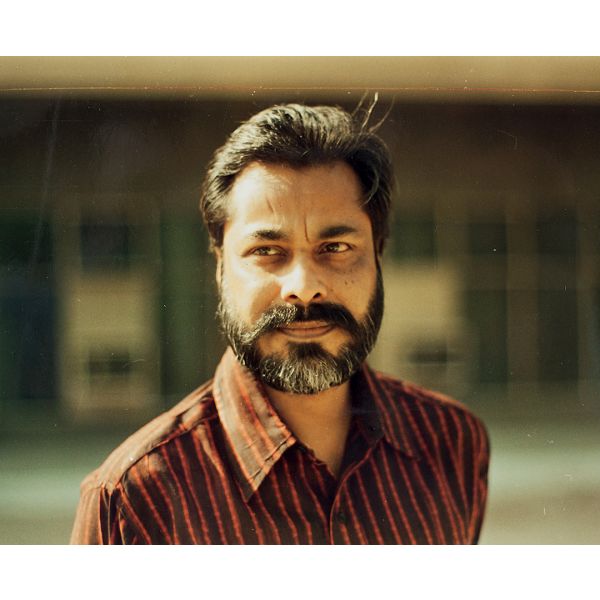 ArtistsAmitava$0.00Born in Delhi in 1947, Amitava Das graduated from College of Art, New Delhi, in 1972. At the time, he was part of New Group and Artists’ Forum, and in the same decade won Lalit Kala Akademi’s national award. In 1989, he won a fellowship to study exhibition and graphic design in Germany. Learn More
 -
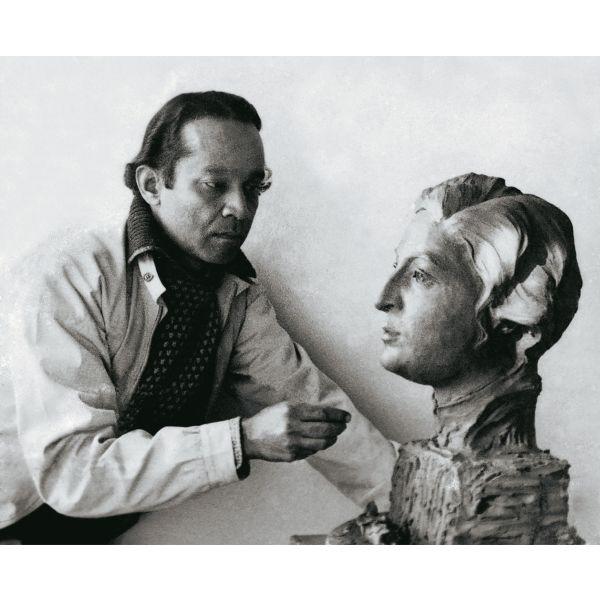 ArtistsSudhir Ranjan Khastgir$0.00Sudhir Ranjan Khastgir was born on 24 September 1907 in Chittagong in present-day Bangladesh, and studied at Kala Bhavana, Santiniketan, under Nandalal Bose. Like his classmate, Ramkinkar Baij, he took up sculpture as a subject, continuing its pursuit in Lucknow under Hiranmoy Roychaudhuri in 1932, and under Ganpath Kashinath Mahatre, in Bombay, in 1933. The same year, he joined Scindia School, Gwalior, as a teacher and, later, Doon School in Dehradun. Learn More
 -
 ExhibitionsThe World Will Go OnAs low as $1.00
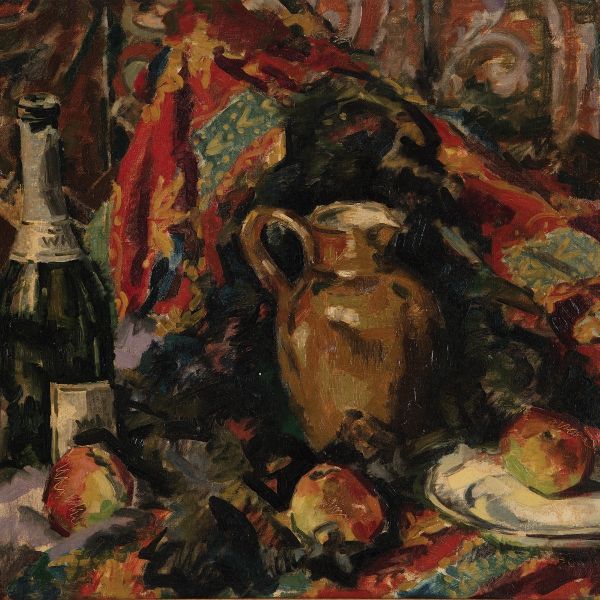
2020 marks a special year in mankind’s history and India’s destiny. Often used in reference to development goals, 2020 has taught us to never take things for granted. While humanity has made major leaps, even conquering outer space, nature has shown us how little we know about it, and how little we appreciate what we have. 2020 has taught us to review our values. We have suffered but also been comforted, and we have learned to acknowledge that irrespective of our joys and sorrows, our triumphs and our failures, the world will not stop, it will go on. Husain Rabin Mondal Santosh Jehangir Sabavala Mohan Samant Swaminathan Paramjit Paramjeet Ramgopal Vijaivargiya Seal Singh Dasgupta Haren Das Shanti Dave Jagadish Dhanapal Dhurandhar Bipin Behari Goswami Laxma Goud George Keyt Ara Nandalal Bose Jyoti Bhatt Natvar Bhavsar Eric Bowen Shobha Broota Avinash Chandra Sanat Chatterjee Shiavax Chavda Hebbar Khemraj Krishen Khanna Walter Langhammer Jeram Patel Aroomogam Pillay Raza Reddy Jamini Roy Vasudev Viswanadhan Manu Madhvi Parekh Laxman Pai Dhirendra Narayan Dharamanarayan.
Learn More -
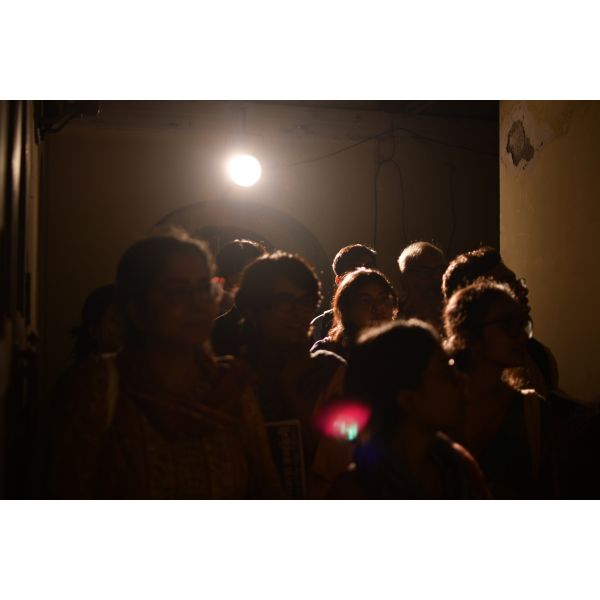 Events and ProgrammesSituating the Scene$1.00
Feminist collective Samuho navigates the interplay between the interior and exterior lives of women at the cusp of nineteenth century reform movements through a performance-installation inspired by Shreepantha’s Keyabat Meye and the tradition of Prahasan.
Learn More -
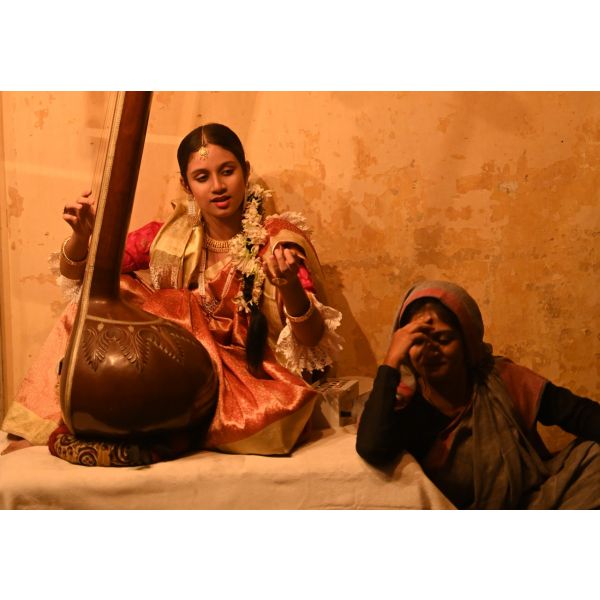 Events and ProgrammesKeyabat Meye$1.00
Feminist collective Samuho navigates the interplay between the interior and exterior lives of women at the cusp of nineteenth century reform movements through a performance-installation inspired by Shreepantha’s Keyabat Meye and the tradition of Prahasan.
Learn More -
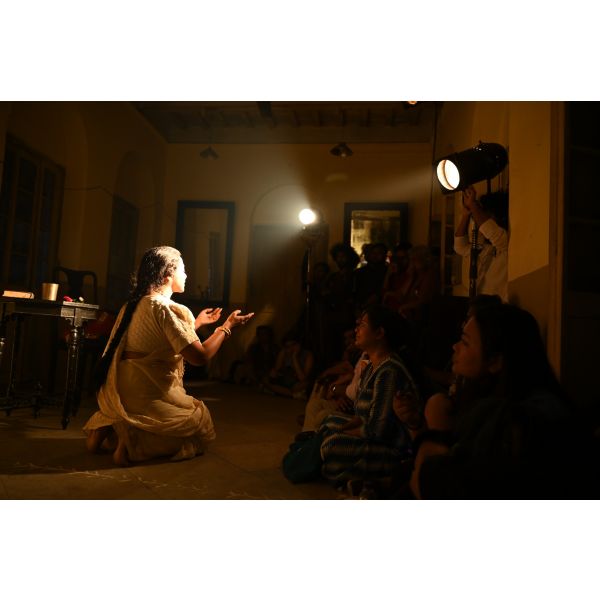 Events and ProgrammesKeyabat Meye$1.00
Feminist collective Samuho navigates the interplay between the interior and exterior lives of women at the cusp of nineteenth century reform movements through a performance-installation inspired by Shreepantha’s Keyabat Meye and the tradition of Prahasan.
Learn More -
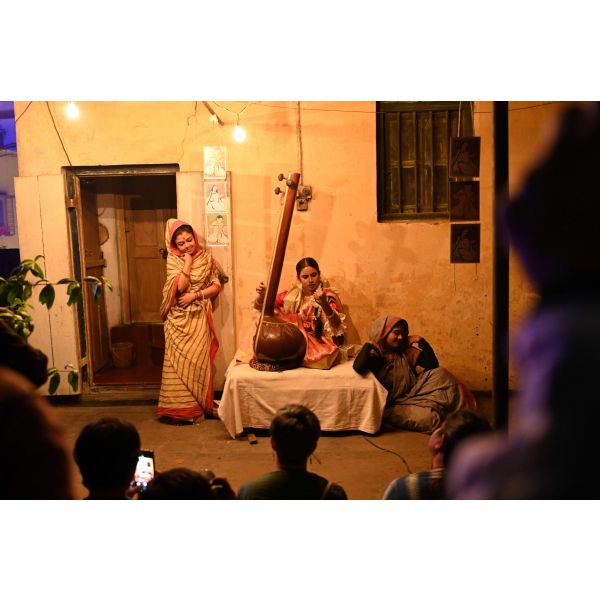 Events and ProgrammesKeyabat Meye$1.00
Feminist collective Samuho navigates the interplay between the interior and exterior lives of women at the cusp of nineteenth century reform movements through a performance-installation inspired by Shreepantha’s Keyabat Meye and the tradition of Prahasan.
Learn More -
 Events and ProgrammesKeyabat Meye$1.00
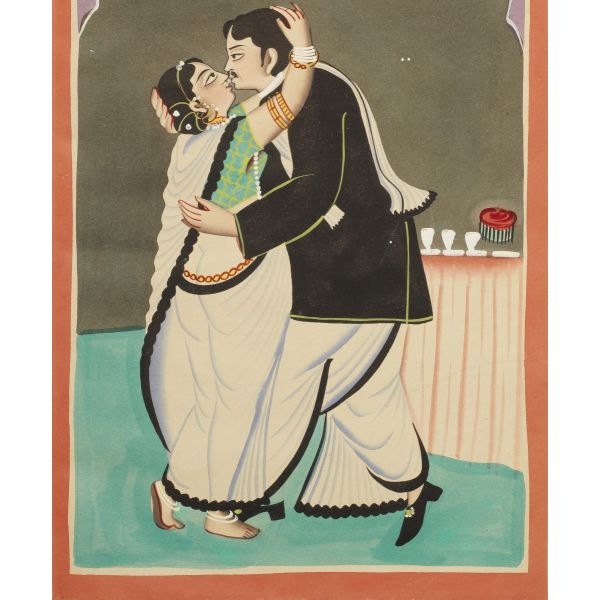
Queer-Feminist collective Samuho navigates the interplay between the interior and exterior lives of women at the cusp of nineteenth century reform movements through a performance-installation inspired by Shreepantha’s Keyabat Meye and the tradition of Prahasan.
Learn More -
 Events and ProgrammesKeyabat Meye$1.00
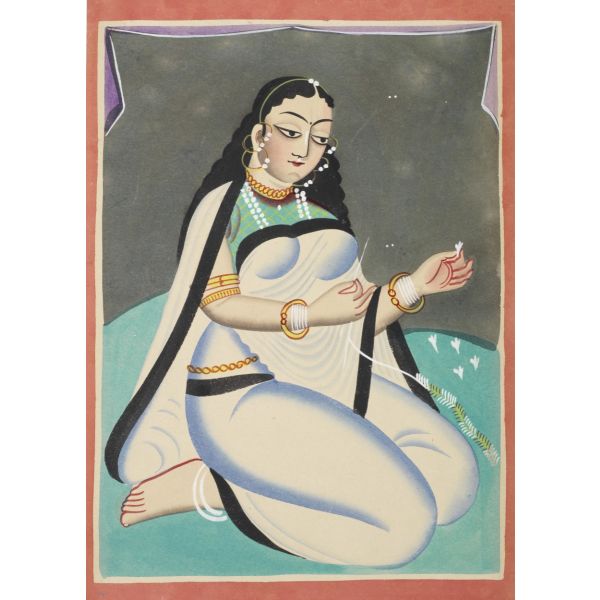
Queer-Feminist collective Samuho navigates the interplay between the interior and exterior lives of women at the cusp of nineteenth century reform movements through a performance-installation inspired by Shreepantha’s Keyabat Meye and the tradition of Prahasan.
Learn More -
 Events and ProgrammesKeyabat Meye$1.00
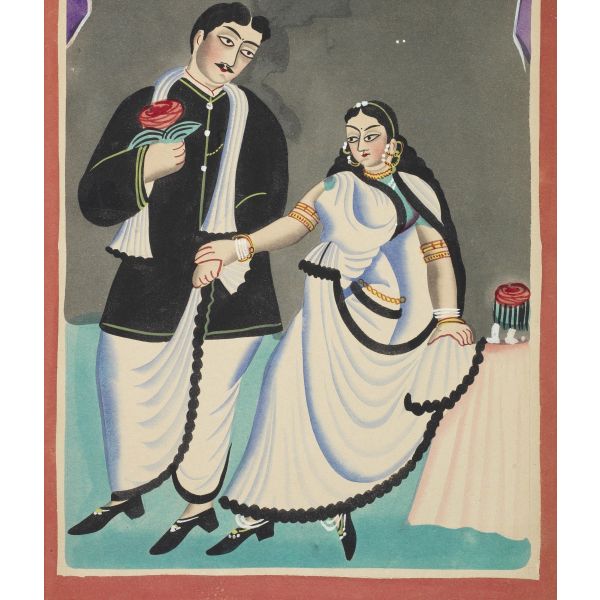
Feminist collective Samuho navigates the interplay between the interior and exterior lives of women at the cusp of nineteenth century reform movements through a performance-installation inspired by Shreepantha’s Keyabat Meye and the tradition of Prahasan.
Learn More -
 Events and ProgrammesPigment: Histories$1.00
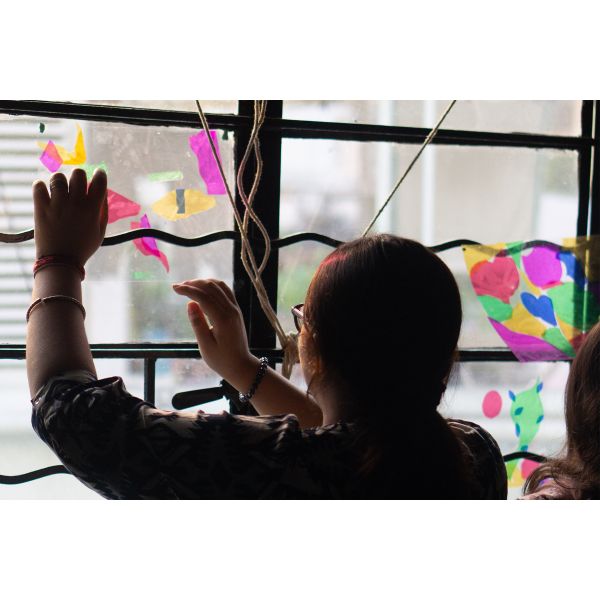
Conversations, sketches and readings on Benode Behari Mukherjee’s practice and his experiments with pigment making, with Sampurna Chakraborty.
Learn More