


Search results for: 'Mother and child pai'
-
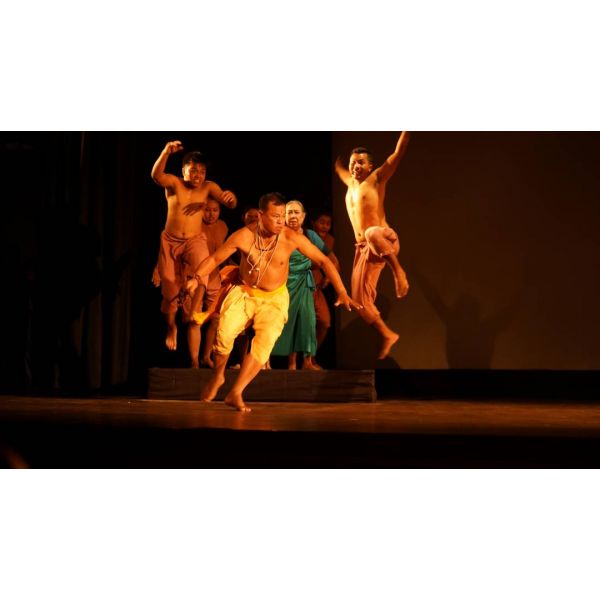 Events and ProgrammesPebet$1.00
Pebet is a ‘phunga wari’, a type of traditional fireside story told to Manipuri children by their grandparents. Directed by the renowned theatre practitioner Heisnam Kanhailal and performed first in 1975, it subverts the familiar icon of the bird and the cat to comment on political and cultural indoctrination.
Learn More -
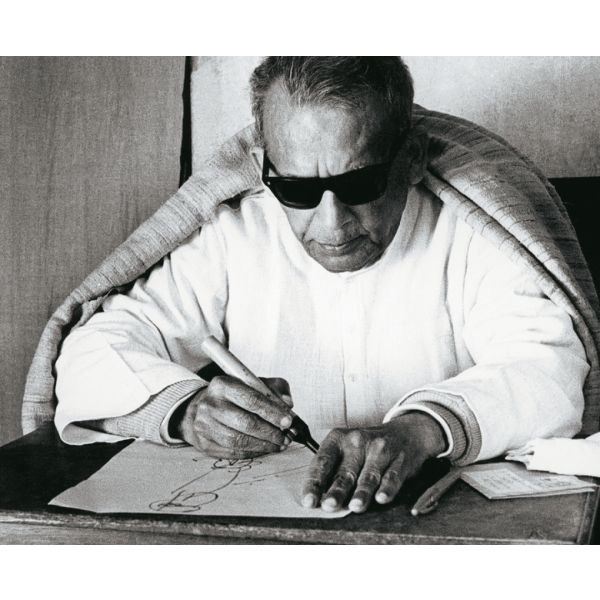 ArtistsBenode Behari Mukherjee$0.00Born on 7 February 1904, in Behala, Bengal, Benode Behari Mukherjee joined Santiniketan in 1917, and Kala Bhavana in 1919, where he was one of the first students of Nandalal Bose. A congenitally impaired vision that denied him normal schooling and resulted in a lonely childhood, brought him close to nature and had a deep impact on his art. Learn More
 -
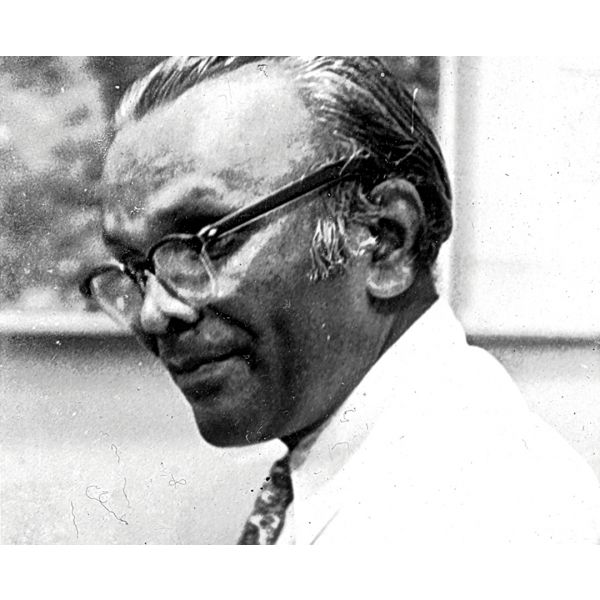 ArtistsK. H. Ara$0.00Krishnaji Howlaji Ara, a founder member of the Progressive Artists’ Group, was born in Secunderabad on 16 April 1914, but ran away to Bombay as a child. Much later, his skills as a painter were spotted by Austrian artist and art director of The Times of India, Walter Langhammer, who encouraged him in his artistic pursuit. Learn More
 -
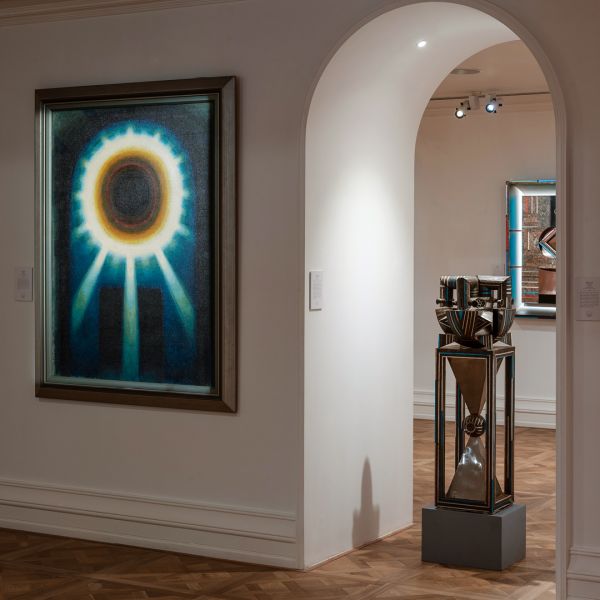 ExhibitionsTantra on the EdgeAs low as $1.00
The exhibition Tantra on the Edge: Inspirations and Experiments in Twentieth Century Indian Art is a pioneering attempt to gather together works of sixteen prominent Indian artists under the single thematic rubric of the transient but least definable phases of contemporary art in the last century. The exhibition features the artworks, inspirations, and experiments, of artists that had a sustained relationship with tantra philosophy, its vivid, abstract, sacred symbols, or their personal spiritual illuminations. Biren De G. R. Santosh Gogi Saroj Pal J. Swaminathan Jyoti Bhatt K. C. S. Paniker Manu Parekh P. T. Reddy Prabhakar Barwe R. B. Bhaskaran S. H. Raza Satish Gujral Shobha Broota Sohan Qadri Sunil Das V. Viswanadhan
Learn More -
 ExhibitionsIndia’s French ConnectionAs low as $1.00
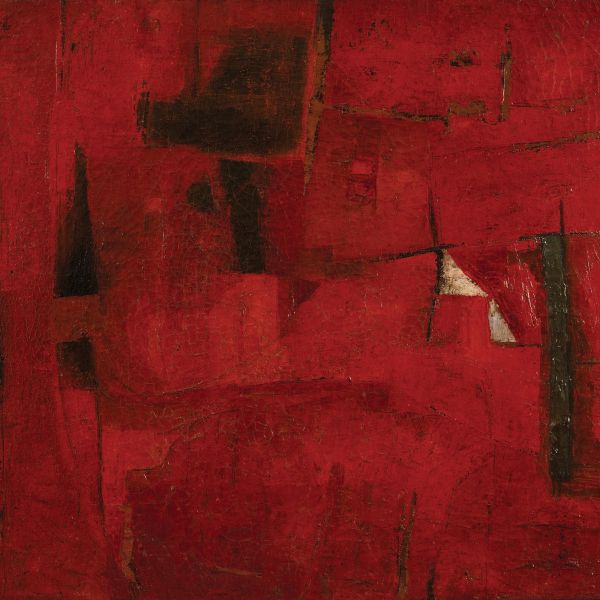
This historic exhibition based on the association twenty-seven Indian artists had with art institutions, museums and art movements in Paris throws light on France as a cradle of modernism and what Indian artists gained from this relationship. Akbar Padamsee Amrita Sher-Gil Anjolie Ela Menon Arun Bose Chintamoni Kar Himmat Shah Jehangir Sabavala Jogen Chowdhury K. K. Hebbar Kanwal Krishna Krishna Reddy Laxman Pai Laxman Shrestha Nalini Malani Nasreen Mohamedi Nirode Mazumdar P. Khemraj Paritosh Sen Prodosh Das Gupta Prokash Karmakar Rajendra Dhawan Ram Kumar Sailoz Mukherjea Sakti Burman Sunil Das Syed Haider Raza V. Nageshkar V. Viswanadhan Zarina Hashmi
Learn More -
 ExhibitionsThe Fifties ShowAs low as $1.00
The twentieth century was marked by two important decades—the 1910s, when the Bengal School saw the establishment of a revivalist practice that came to signify Indian modern art in general; and the 1950s, when a newly independent nation put its colonised past behind it and embraced a triumphant modernism. A. A. RAIBA ADI DAVIERWALLA AVINASH CHANDRA BABURAO SADWELKAR BADRI NARAYAN BIREN DE CHITTAPROSAD D. P. ROY CHOWDHURY DEVYANI KRISHNA DHANRAJ BHAGAT G. R. SANTOSH GANESH PYNE HAREN DAS Indra Dugar J. SULTAN ALI JYOTI BHATT K C S PANIKER K S Kulkarni K. G. SUBRAMANYAN K. K. HEBBAR KANWAL KRISHNA KISORY ROY KRISHEN KHANNA KRISHNA REDDY Laxman Pai M. F. HUSAIN MOHAN SAMANT NANDALAL BOSE NIKHIL BISWAS P. T. REDDY PARITOSH SEN S. H. RAZA S. K. BAKRE SAKTI BURMAN SHANTI DAVE SUNIL DAS SUNIL MADHAV SEN VISHWANATH NAGESHKAR
Learn More -
 JournalThe Last Effort and Fall of Tippoo Sultaun by Henry Singleton$1.00
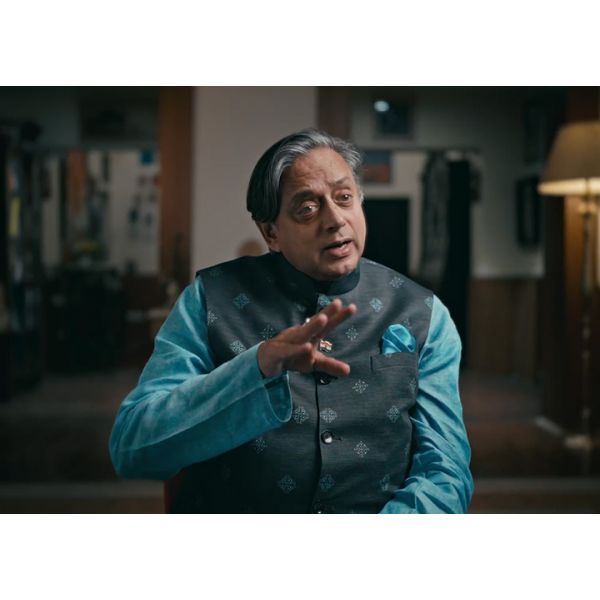
Henry Singleton’s The Last Effort and Fall of Tippoo Sultaun belongs to a genre known as history painting: the depiction of important historical events, usually on a large scale, as if they were playing out in front of one’s eyes. Author and parliamentarian Shashi Tharoor and art historian Giles Tillotson explain the lively imagination deployed in Singleton’s painting that depicts the British assault on Seringapatam and the killing of its ruler, Tipu Sultan—himself the source of so many stories that it was difficult to unravel the truth from the many falsities spun by the biased colonial administration and historians of the time.
Learn More -
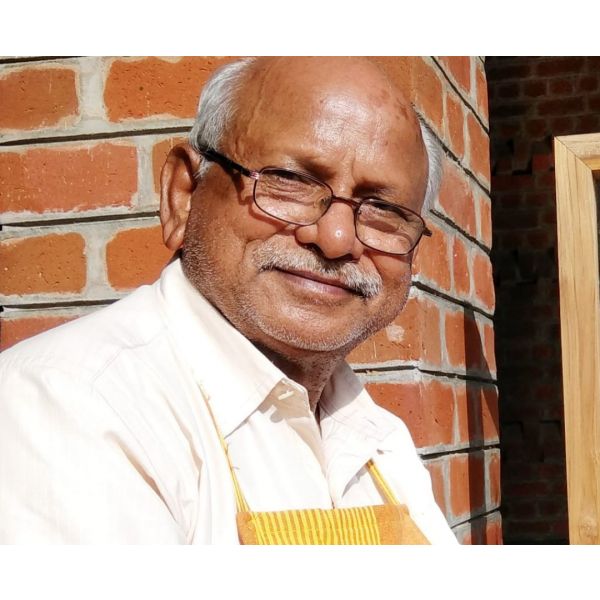 ArtistsMoti Zharotia$0.00Moti Zharotia was born in Delhi and remembers taking impressions of patterns carved on potatoes in childhood as his earliest artistic activity. He loved creating works of art but dreamt of becoming a lawyer, and therefore graduated in political science from Delhi University. Learn More
 -
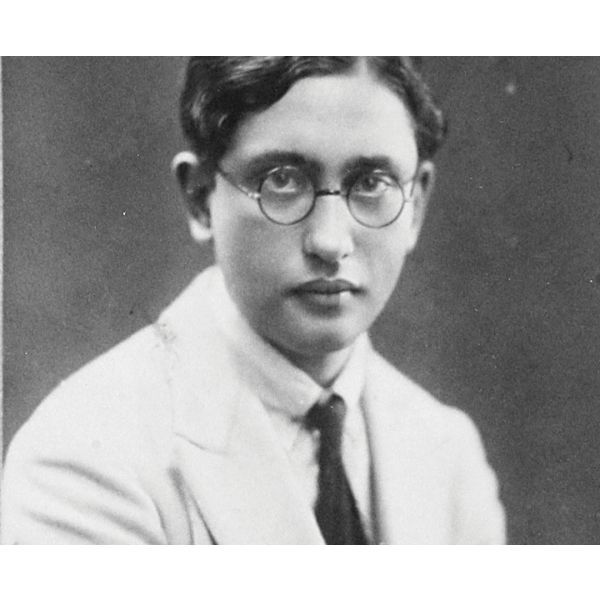 ArtistsGeorge Keyt$0.00Born into a prosperous Ceylonese family of Indo-Dutch origin, George Keyt spent his childhood in an environment where Buddhist, Hindu, Muslim, and European cultures commingled, a premise that would later appear in his work. A self-taught artist, Keyt’s success was unparalleled with many celebrities such as actor Vivian Leigh, writer Evelyn Waugh, poet Pablo Neruda, and photographer Henri Cartier-Bresson, among others, visiting him, his art, his exhibitions. Learn More
 -
 ExhibitionsThe World Will Go OnAs low as $1.00
2020 marks a special year in mankind’s history and India’s destiny. Often used in reference to development goals, 2020 has taught us to never take things for granted. While humanity has made major leaps, even conquering outer space, nature has shown us how little we know about it, and how little we appreciate what we have. 2020 has taught us to review our values. We have suffered but also been comforted, and we have learned to acknowledge that irrespective of our joys and sorrows, our triumphs and our failures, the world will not stop, it will go on. Husain Rabin Mondal Santosh Jehangir Sabavala Mohan Samant Swaminathan Paramjit Paramjeet Ramgopal Vijaivargiya Seal Singh Dasgupta Haren Das Shanti Dave Jagadish Dhanapal Dhurandhar Bipin Behari Goswami Laxma Goud George Keyt Ara Nandalal Bose Jyoti Bhatt Natvar Bhavsar Eric Bowen Shobha Broota Avinash Chandra Sanat Chatterjee Shiavax Chavda Hebbar Khemraj Krishen Khanna Walter Langhammer Jeram Patel Aroomogam Pillay Raza Reddy Jamini Roy Vasudev Viswanadhan Manu Madhvi Parekh Laxman Pai Dhirendra Narayan Dharamanarayan.
Learn More -
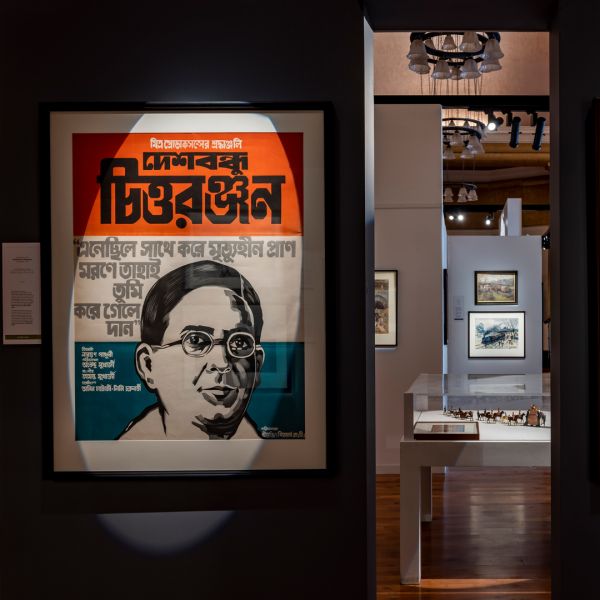 ExhibitionsMarch to FreedomAs low as $1.00March to Freedom re-interprets the well-known story of the Indian freedom struggle and anticolonial movement through works of art and some historic artefacts. Drawn from the collections of DAG, they range from eighteenth and nineteenth century European paintings and prints, to lesser known works by Indian artists that merit greater recognition, alongside some iconic pieces. Rather than following the usual chronological path, the story is structured around eight themes. Each represents one arena, or stage, on which the anti-colonial struggle took place, to expand the story beyond politics, politicians, and battles (which also feature). Conceived to commemorate and celebrate the 75th anniversary of India’s independence, this visual journey seeks to do more. A. A. Raiba Asit Kumar Haldar Alfred Crowdy Lovett Atul Bose Baburao Sadwelkar Bijan Chowdhury Biren De C. Stanfield Charles D’Oyly Charles Shepherd Charles Walter D’Oyly Chintamoni Kar Chittaprosad Dattatraya Apte David Gould Green Devayani Krishna D. Newsome Edward Orme Gobardhan Ash Gopal Ghose G. Tait Haren Das Hemanta Misra Henri Cartier-Bresson Henry Martens Henry Salt Henry Singleton Jacob Epstein James Hunter James Fraser John Gantz John Jabez Edwin Mayall K. K. Hebbar Kanwal Krishna K. C. S. Paniker K. G. Subramanyan K. Sreenivasulu K. S. Kulkarni Laxman Pai M. Eyre Proudman M. K. Parandekar M. S. Morgan Nemai Ghosh N. R. Sardesai Prahlad Anant Dhond Paritosh Sen Prokash Karmakar P. T. Reddy Radha Charan Bagchi Robert Dodd R. Vijay Satish Gujral Satish Sinha S. Dhanapal Stella Brown Sudhir Khastgir Sushil Chandra Sen Sunil Das Sunil Madhav Sen Thomas Anbury Thomas Daniell Thomas Jones Barker V. A. Mali V. B. Pathare V. Veevers William Daniell William Hodges Anonymous Artists Learn More
 -
 ExhibitionsManifestations VII: 75 ArtistsAs low as $1.00
The exhibition features several works of academic realist portraiture from early 20th century—vivid oil portraits by masters of the form such as Pestonji Bomanji, M. F. Pithawalla, Baburao Painter and L. N. Taskar as well as charcoal sketches by M. V. Dhurandhar, an academic artist of renown of the same period. The selection features Western academic oil-influenced works on mythological themes by the school referred to as Early Bengal and two works painted in a Raja Ravi Varma-derived style—an anonymous work by the Ravi Varma ‘School’ and Aroomoogam Pillay. A. A. Almelkar Abalall Rahiman Abani Sen Akbar Padamsee Ambadas Anonymous (EarlyBengal) Anonymous (Portraiture ) Anupam Sud Aroomoogam Pillay Avinash Chandra Baburao Painter Badri Narayan Bijan Choudhary Bikash Bhattacharjee Biren De Chintamoni Kar Chittaprosad D. P. Roy Chowdhury Devyani Krishna Dharamnarayan Dasgupta F. N. Souza G. R. Santosh G. Ravinder Reddy Ganesh Haloi Gogi Saroj Pal Gopal Ghose H. A. Gade Himmat Shah J. Sultan Ali J. Swaminathan Jamini Roy Jeram Patel Jogen Chowdhury Jyoti Bhatt K. H. Ara K. K. Hebbar K. Laxma Goud K. S. Kulkarni K. V. Haridasan Kshitindranath Majumdar L. Munuswamy L. N. Taskar Laxman Pai M. F. Husain M. F. Pithawalla M. V. Dhurandhar Madhvi Parekh Mukul Dey N. S. Bendre Nandalal Bose Nasreen Mohammedi Nicholas Roerich Nikhil Biswas P. Khemraj P. T. Reddy Paritosh Sen Pestonji E. Bomanji Prosanto Roy Rabin Mondal Ram Kumar Ramkinkar Baij Ravi Varma ‘School’ S. H. Raza S. K. Bakre Sadequain Sailoz Mukherjea Shanti Dave Shyamal Dutta Ray Sohan Qadri Sudhir Patwardhan Sunil Das Sunil Madhav Sen Tarak Garai Ved Nayar Walter Langhammer
Learn More