Search results for: 'si compro una Olympus E-PM1 de japón le puedo cambiar el idioma a español'
-
-
-
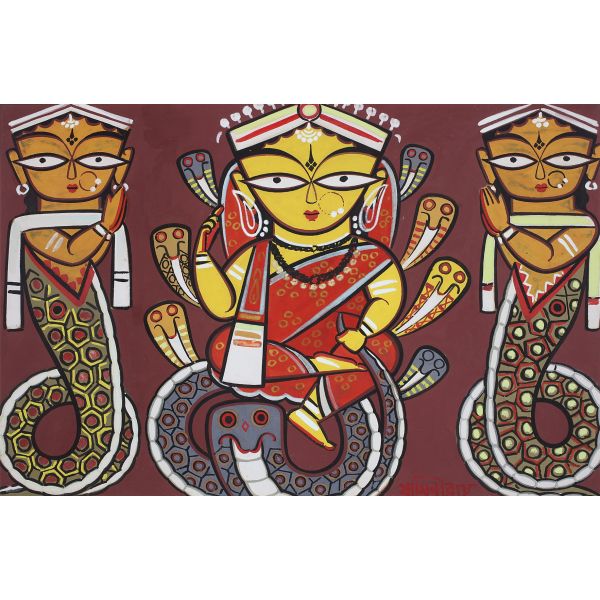 Events and ProgrammesSora Brittanto$1.00
A visit to Taherpur, Nadia for a workshop on the practices and genealogies of Sora-making with artists Ratan Paul and Gopal Paul, and artist-writer Dipankar Parui.
Learn More -
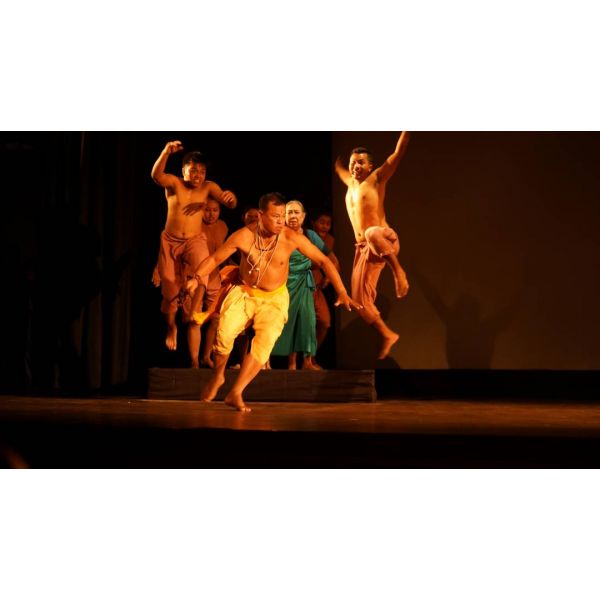 Events and ProgrammesPebet$1.00
Pebet is a ‘phunga wari’, a type of traditional fireside story told to Manipuri children by their grandparents. Directed by the renowned theatre practitioner Heisnam Kanhailal and performed first in 1975, it subverts the familiar icon of the bird and the cat to comment on political and cultural indoctrination.
Learn More -
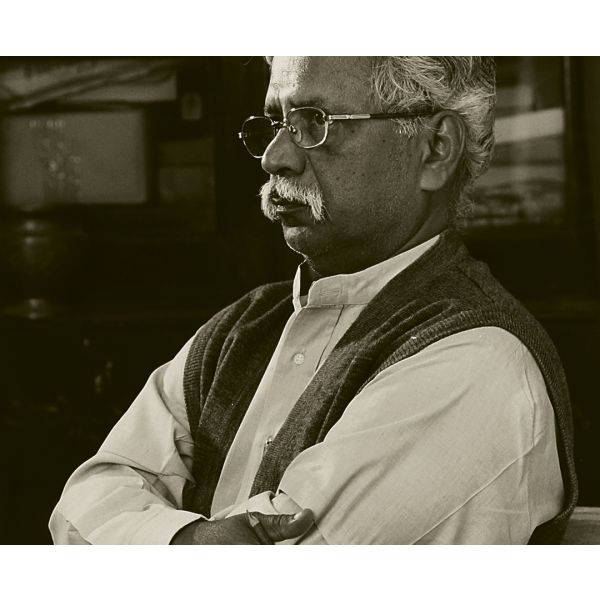 ArtistsK. Laxma Goud$0.00Born in Nizampur in Andhra Pradesh on 21 August 1940, K. Laxma Goud obtained a diploma in painting and drawing from the Government College of Fine Arts and Architecture in Hyderabad in 1963. He followed it up with a post-diploma in mural painting and printmaking from Faculty of Fine Arts, Baroda. Learn More
 -
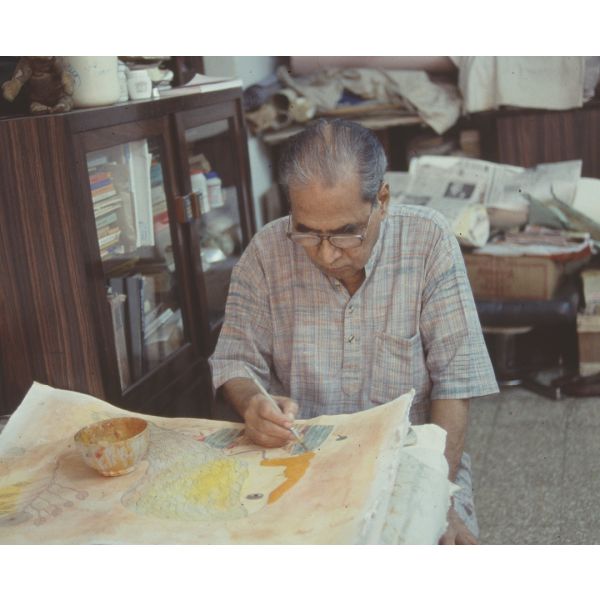 ArtistsBadri Narayan$0.00Born on 22 July 1929 in Secunderabad (now in Telangana), Badri Narayan began his career in the late 1940s working with ceramic tiles and mosaics, and moved later to using ink, pastel and watercolour as his primary mediums. Learn More
 -
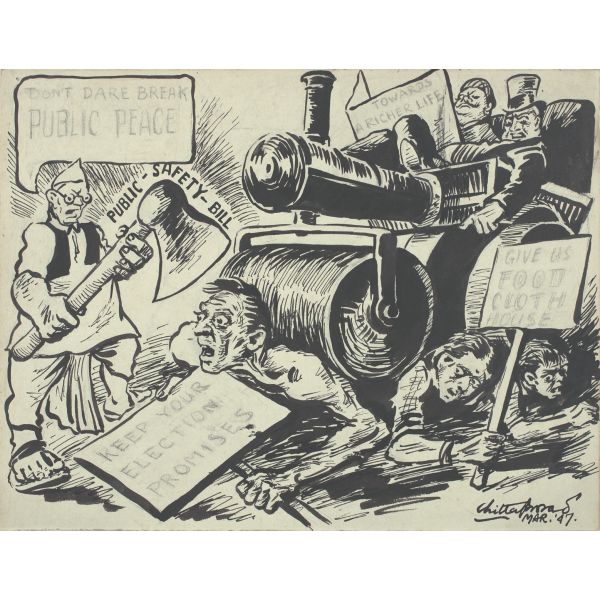 Events and ProgrammesByanga Darshan: Exhibition, Workshop and Concert$1.00
An exhibition and workshop drawing from Cartoon Dol’s archives of Bengal’s caricature art, on confronting social-political issues through humour and satire, with a closing performance by Chandrabindoo.
Learn More -
-
-