


Search results for: 'milf on her knees mouth fucked'
-
-
 ExhibitionsGroup 1890As low as $1.00
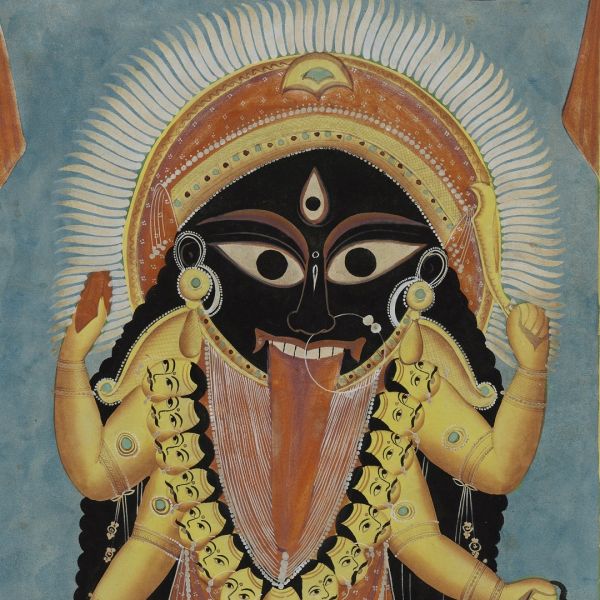
A great number of short-lived but nonetheless significant art movements arose in India over the twentieth century as Indian artists struggled with evolving or arriving at their identity as modern artists and an appropriate visual language of Indian modernism. One of the most significant amongst these is the artist collective, Group 1890, formed in 1962 with twelve young artists, led by the artist and art critic J. Swaminathan. The group consisted of J. Swaminathan, Gulammohammed Sheikh, Himmat Shah, Jeram Patel, Ambadas, Jyoti Bhatt, Raghav Kaneria, M. Reddeppa Naidu, Rajesh Mehra, Eric Bowen, S. G. Nikam and Balkrishna Patel. Ambadas Balkrishna Patel Eric Bowen Gulammohammed Sheikh Himmat Shah J. swaminathan Jeram Patel Jyoti Bhatt Raghav Kaneria Rajesh Mehra Reddappa Naidu S. G. Nikam
Learn More -
 JournalA Child, the Youth, now Man by Rameshwar Broota$1.00
Painted in 2003 by Rameshwar Broota and titled A Child, the Youth, now Man, is bisected horizontally by a hyper-realistic finger, which partially covers a comparatively hazy vertical male torso. The evocative cruciform structure of this composition, possibly alluding to ideas of masculinity, corruption and persecution, also aides the artist in highlighting human vulnerability. There is no face visible here, only an unprotected body.
Learn More -
 JournalThe Artist as Collector: At Home with Shuvaprasanna$0.00
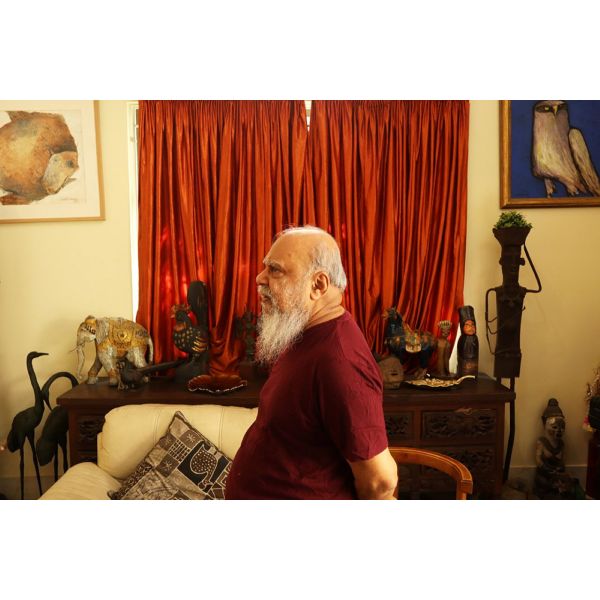
Artist and institution-builder Shuvaprasanna’s residence is located in a leafy corner of Kolkata’s suburban township, Bidhannagar or ‘Salt lake City’, which was envisaged by the former Chief Minister of West Bengal, Dr. Bidhan Chandra Roy in the late 1950s. Having grown up elsewhere—in College Street, in fact—the artist only moved here in 2002-03 with his family, which included his wife and fellow-artist, Shipra Bhattacharya. In this photo-essay we will learn about Shuvaprasanna’s personal collection and the relationship between his collecting practices and his art-making.
Learn More -
 ExhibitionsIndia’s French ConnectionAs low as $1.00
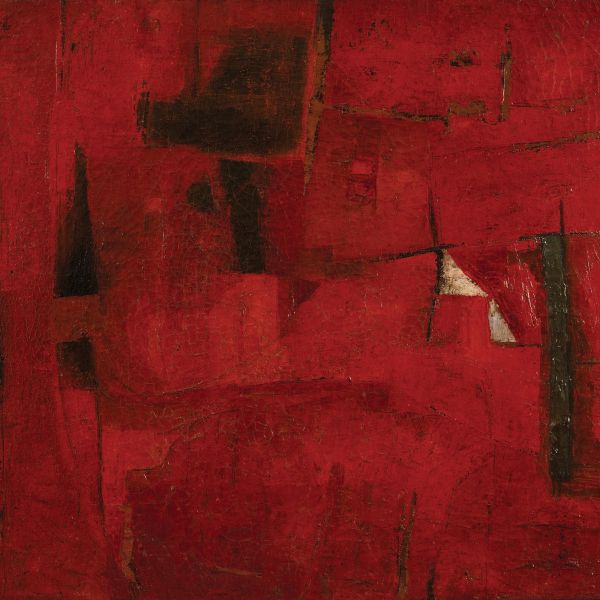
This historic exhibition based on the association twenty-seven Indian artists had with art institutions, museums and art movements in Paris throws light on France as a cradle of modernism and what Indian artists gained from this relationship. Akbar Padamsee Amrita Sher-Gil Anjolie Ela Menon Arun Bose Chintamoni Kar Himmat Shah Jehangir Sabavala Jogen Chowdhury K. K. Hebbar Kanwal Krishna Krishna Reddy Laxman Pai Laxman Shrestha Nalini Malani Nasreen Mohamedi Nirode Mazumdar P. Khemraj Paritosh Sen Prodosh Das Gupta Prokash Karmakar Rajendra Dhawan Ram Kumar Sailoz Mukherjea Sakti Burman Sunil Das Syed Haider Raza V. Nageshkar V. Viswanadhan Zarina Hashmi
Learn More -
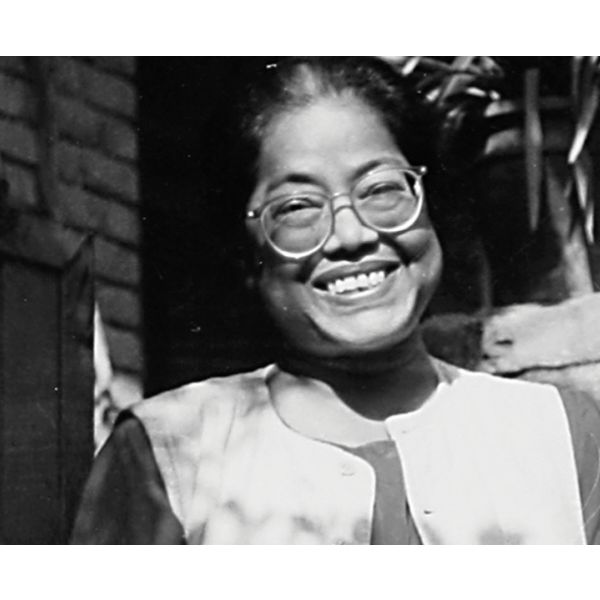 ArtistsArpita Singh$0.00An influential artist who is known for her richly detailed oils and watercolours, Arpita Singh was born in Calcutta in 1937. She studied art at Delhi Polytechnic (now College of Art) from 1954-59, and then joined the Government of India’s cottage industries restoration programme in 1959, which allowed her to meet weavers and artisans. Learn More
 -
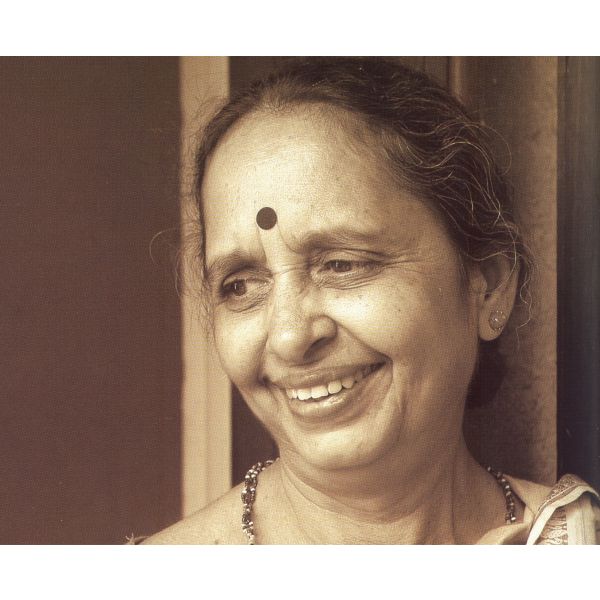 ArtistsShobha Broota$0.00Shobha Broota’s pictorial interpretation of the resonance of classical Indian ragas forms the essence of her celebrated style in which she conveys their subtle variations through minimal use of colours. Born in 1943 in New Delhi in an artistic family that inspired her to study art, Broota obtained a diploma in painting from College of Art, New Delhi, in 1964. Learn More
 -
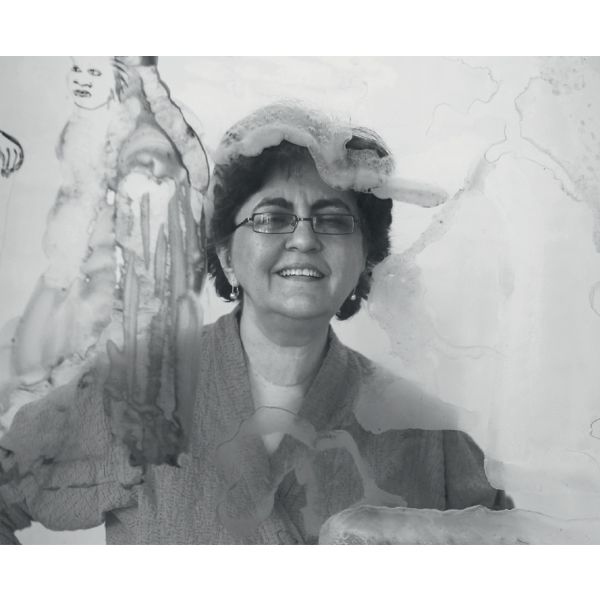 ArtistsNalini Malani$0.00Born in Karachi, a year before it became part of Pakistan, Nalini Malani’s art, unsurprisingly, is built on observing the struggles and strife of people, socio-political changes, and how she observes this. More recently, the lockdown in India on account of the corona pandemic and its impact on migrant workers has impacted her work, even prompting her to post short animations on social media platforms. Learn More
 -
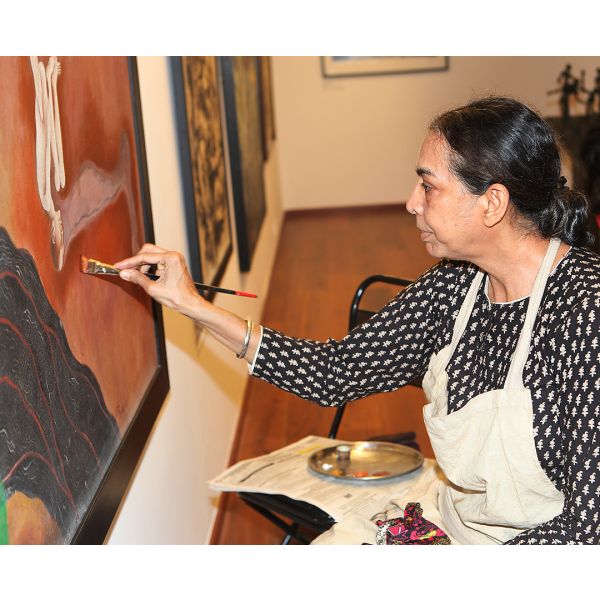 ArtistsArpana Caur$0.00Born in New Delhi in 1954, Arpana Caur completed her post-graduation in literature from Delhi University before choosing art as her vocation. She started studying painting at Central Saint Martins art college in London but could not complete the course. Learn More
 -
 ExhibitionsWilliam Hodges & the Prospect of IndiaAs low as $1.00
William Hodges (1744-97) was a pioneer in more ways than one. He was the first British landscape painter to visit India, and to portray scenery across the whole breadth of the Gangetic plain. As a writer, he gave the first detailed descriptions of numerous historic Indian buildings, and he theorised about the origins and evolution of Indian architectural design. His art illustrates his exploration into terrain which—in its breadth and scope—was at the time almost as unfamiliar to Indian as to Western eyes.
Learn More -
 ExhibitionsLiving Traditions & The Art of Jamini RoyAs low as $1.00
Jamini Roy’s was an art of quiet resistance that assimilated so seamlessly into the folk and craft traditions of Bengal that it did not cause any discernible ripples among the prevalent artistic mood. All around him, art was being nurtured, questioned, uprooted—it was, after all, a period when nationalist feelings ran high and a search for an indigenous lexicon was paramount—but Jaminida’s ability to look to tradition for a modern approach, though revolutionary, was instinctively natural and organic. It was art that everyone understood and wanted to take home. No wonder Jamini babu became a household name in his native Calcutta and went on to be honoured as one of the pre-eminent National Treasure artists of the country whose art has the greatest acceptance of any known Indian modernist.
Learn More -
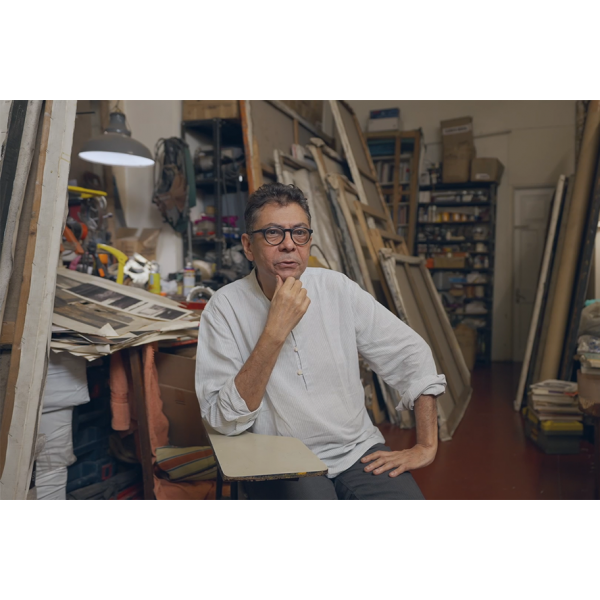 JournalChittrovanu Mazumdar on Nirode Mazumdar$0.00'Iconic Masterpieces of Indian Modern Art, Edition 2' opened on 11 February, featuring fifty artworks which shaped the trajectory of pre-modern and modern art in the country. As part of the exhibition, Chittrovanu Mazumdar explores the sense of rhythm in his father Nirode Mazumdar’s ‘Boitorini Series’, drawing attention to how its controlled colour palette depicts the flow of life in the metaphor of a river that one must cross during one’s lifetime. Learn More