


Search results for: 'letra da musica p do pecado'
-
-
-
-
-
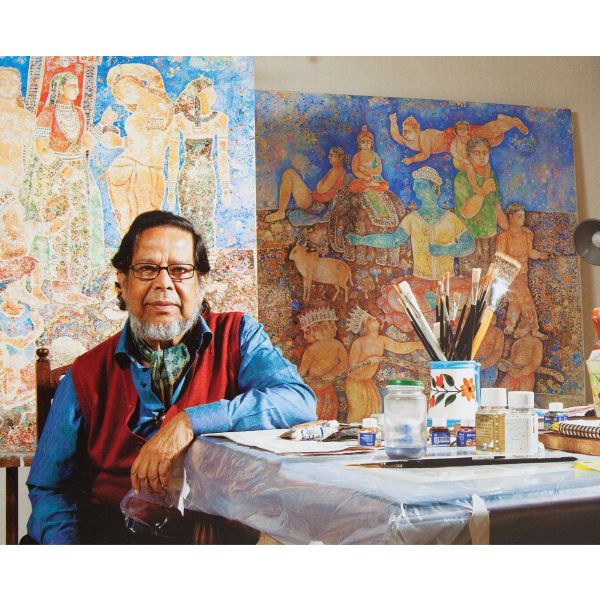 ArtistsSakti Burman$0.00Born in Calcutta, Sakti Burman studied at the city’s Government College of Arts and Crafts, and later at École Nationale des Beaux-Arts, Paris. Like most other Indian artists who studied or lived in the French capital, Paris-based Burman’s works blend European and Indian imagery. Learn More
 -
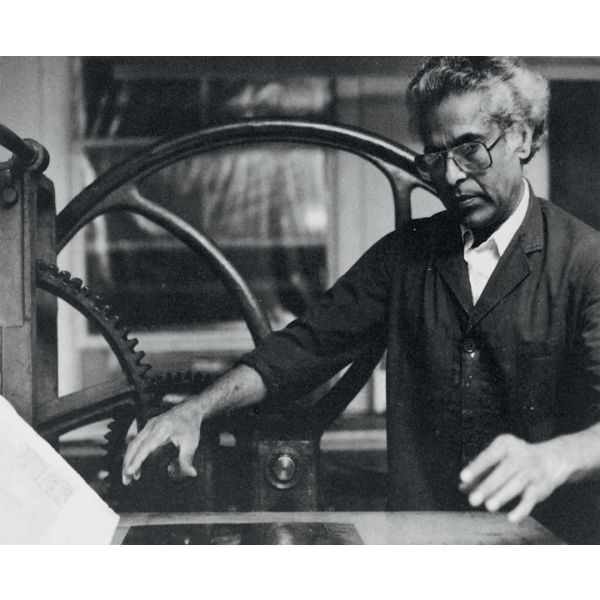 ArtistsKrishna Reddy$0.00Born in Chittoor, Andhra Pradesh, on 15 July 1925, Krishna Reddy is best remembered for pioneering the simultaneous colour printing technique, or the colour viscosity process, along with S. W. Hayter, in Paris. His journey to that seminal moment in Paris was preceded by a stint at Santiniketan, studying under Nandalal Bose (1942-47), and then, as head of the art section at Kalakshetra, Madras (1947-50). Learn More
 -
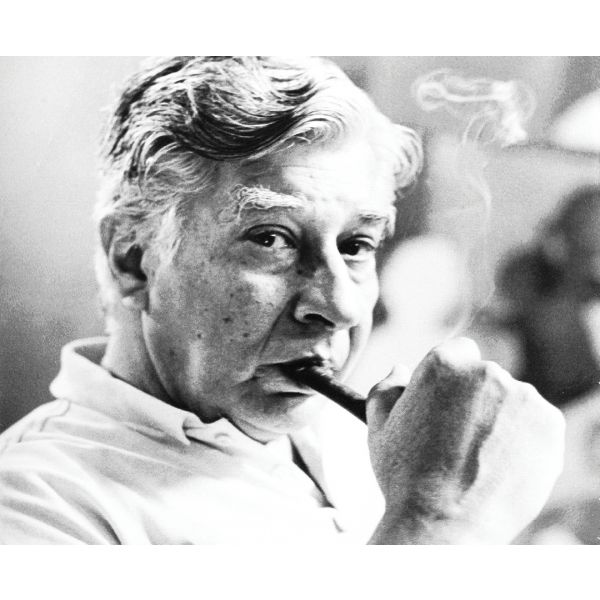 ArtistsKrishen Khanna$0.00Born in Lyallpur in pre-Partition Punjab, Krishen Khanna grew up in Lahore. He studied at Imperial Service College, England, from 1938-42 as a Rudyard Kipling scholar. Returning to Lahore for a course in English literature at the Government College, he simultaneously took evening classes at the Mayo School of Art. Khanna briefly worked as a printer at Kapur Art Press, Lahore, before his family moved to Simla upon Partition. He worked at the Grindlays Bank in Bombay and Madras from 1946-61, subsequently resigning from his job to devote himself to art. Learn More
 -
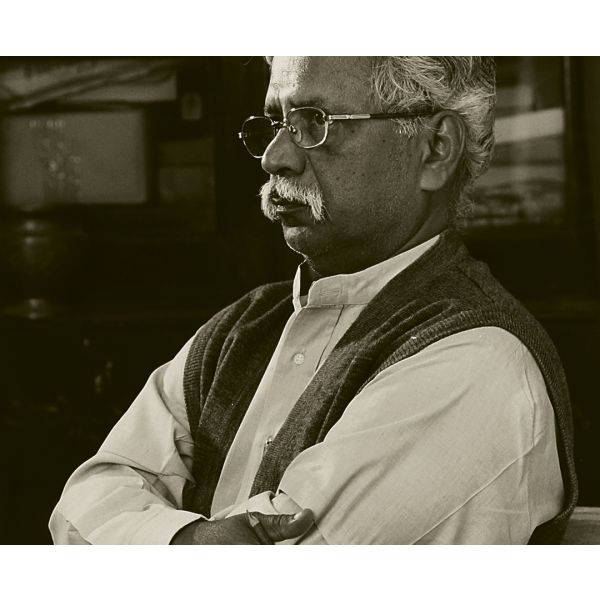 ArtistsK. Laxma Goud$0.00Born in Nizampur in Andhra Pradesh on 21 August 1940, K. Laxma Goud obtained a diploma in painting and drawing from the Government College of Fine Arts and Architecture in Hyderabad in 1963. He followed it up with a post-diploma in mural painting and printmaking from Faculty of Fine Arts, Baroda. Learn More
 -
 ExhibitionsThe Art Of SantiniketanAs low as $1.00
The Art of Santiniketan showcases the work of its four chief artists—Santiniketan’s founder, Rabindranath Tagore, its first principal and the architect of the Santiniketan pedagogy, Nandalal Bose, and his two illustrious students who went on to make a name for themselves as highly original and significant artists—Benode Behari Mukherjee and Ramkinkar Baij. Santiniketan was a path-breaking educational institution Rabindranath Tagore set up in rural Bengal in the early twentieth century, and the exhibition begins by examining its genesis in Tagore’s radical ideas of basing education in freedom and in the midst of nature. Benode Behari Mukherjee Nandalal Bose Rabindranath Tagore Ramkinkar Baij
Learn More -
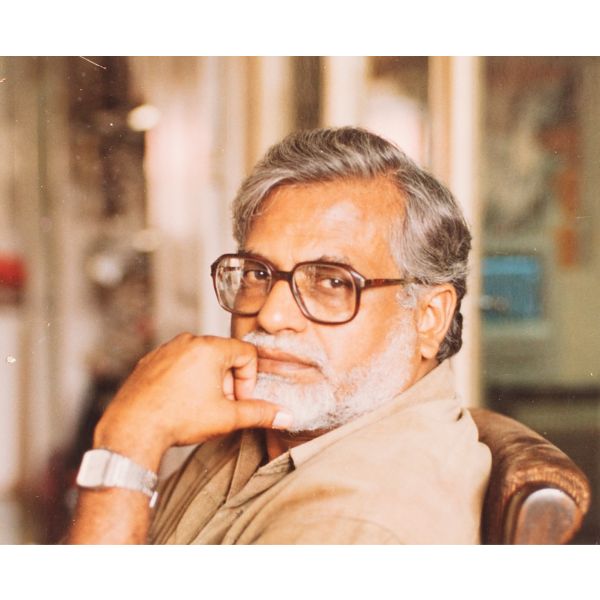 ArtistsManu Parekh$0.00Born in Ahmedabad, Gujarat, Manu Parekh studied at Sir J. J. School of Art, Bombay. With influences as varied as Arshile Gorky, Roberto Matta, S. B. Palsikar and Rabindranath Tagore, Parekh has always sought to explore his inner landscape through art. Learn More
 -
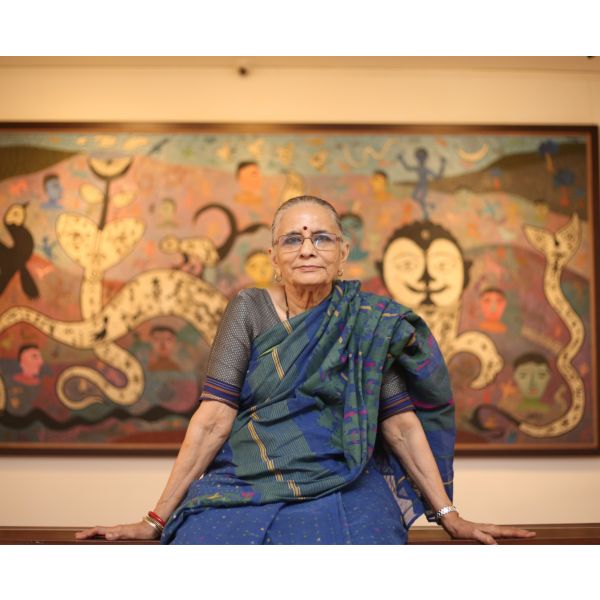 ArtistsMadhvi Parekh$0.00Madhvi Parekh was born and raised in Sanjaya, a village in Gujarat. Though she is self-taught and took up painting only in 1964, inspired by her artist-husband Manu Parekh, art remained a part of her consciousness through childhood memories, her family’s rituals such as the traditional floor designs of rangoli, popular folk stories, and simple village life. While expecting their first child, Parekh’s husband gifted her a book on drawing exercises by Paul Klee, and soon she was taking the first steps towards creating her own art vocabulary. Learn More
 -
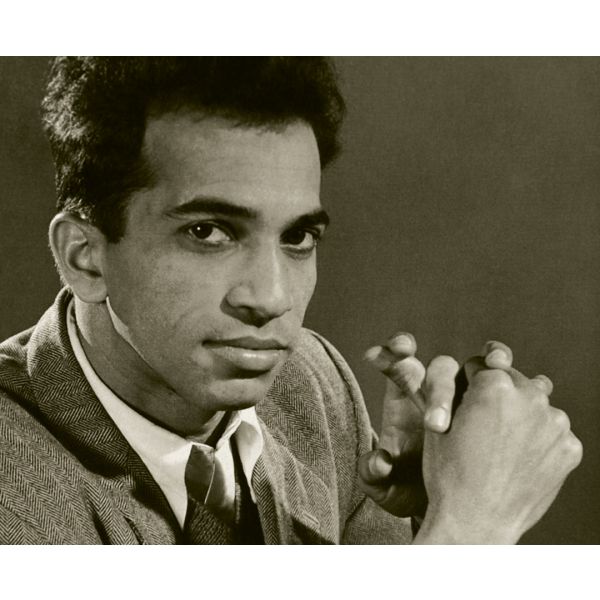 ArtistsLaxman Pai$0.00Born in Margao, Goa, on 21 January 1926, Laxman Pai studied and later taught at Sir J. J. School of Art, Bombay. He participated in Mahatma Gandhi’s Satyagraha movement against the British rule that led to his imprisonment. Later, he participated in the movement to liberate Goa from centuries of Portuguese rule. Learn More