


Search results for: 'leigh ann caldwell looks like felicity jones'
-
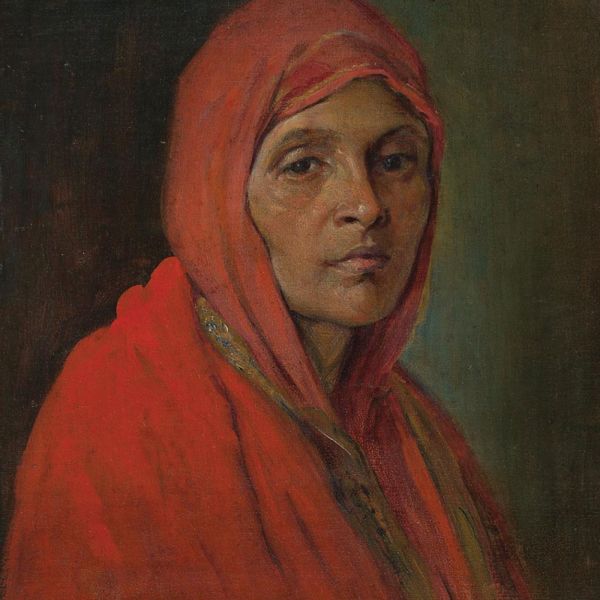 ExhibitionsIndian PortraitsAs low as $1.00
A portrait is a painting, photograph, sculpture, or other artistic representation of a person, in which the face and its expression are predominant. The intent is to display the likeness, personality, and even the mood of the person. For this reason, in photography, a portrait is generally not a snapshot, but a composed image of a person in a still position. A portrait often shows a person looking directly at the painter or photographer, in order to most successfully engage the subject with the viewer A. A. Raiba Abalall Rahiman Abanindranath Tagore Akbar Padamsee Alagiri Naidu Alphonso Doss Ambika Dhurandhar Anjolie Ela Menon Anonymous (Bengal Lithographs) Anonymous (Ladies and Gentlemen) Anonymous (Painted Photographs) Anonymous (Parsi Eminences) 90 Anonymous (Raja Ravi Varma School) Anonymous (Royal Personages) Anonymous (Spiritual) Anonymous (Studio Photographs) Ardeshir Duishajee Tavaria Asit Kumar Haldar B. Paul Baburao Sadwelkar Badri Narayan Benjamin Hudson Bhunath Mukherjee Bhupen Khakhar Bikash Bhattacharjee Bipin Behari Goswami Biswanath Mukerji C. N. Kistnasawmy Naidu Cecil Burns Chintamoni Kar Chittaprosad D. L. N. Reddy D. P. Roy Chowdhury Devyani Krishna F. N. Souza Fatima Ahmed Frank Brooks G. Kamble G. N. Jadhav G. R. Santosh Gaganendranath Tagore George Keyt Gobardhan Ash Gogi Saroj Pal Gopal Deuskar Gopal Ghose Gopal Sanyal H. Hormusji Deboo Himmat Shah Hiranmoy Roychaudhuri J. A. Lalkaka J. Barton J. D. Dalvi J. D. Gondhalekar J. P. Gonsalves J. P. Gangooly J. Sultan Ali Jacob Epstein Jai Zharotia Jamini Roy Jogen Chowdhury Jyoti Bhatt K. C. Pyne K. K. Hebbar K. Lall K. Laxma Goud K. S. Kulkarni Kanwal Krishna Keshavrao Sadashiv Kisory Roy Koulji Ardeshir Tachakra Krishen Khanna L. M. Sen L. Munuswamy L. N. Taskar L. P. Shaw Laxman Pai M. F. Husain M. F. Pithawalla M. K. Parandekar M. R. Acharekar M. V. Dhurandhar Mukul Dey Muni Singh N. R. Sardesai Nemai Ghosh Nirode Majumdar Olinto Ghilardi P. T. Reddy Paritosh Sen Partha Pratim Deb Pestonji E. Bomanji Pradip Maitra Prahlad Karmakar Prokash Karmakar R. D. Panvalkar R. S. Bisht Rabin Mondal Rabindranath Tagore Raja Ravi Varma Rama Lal Ramendranath Chakravorty S. A. Meerza S. Dhanapal S. G. Thakar Singh S. L. Haldankar Sankho Choudhuri Satish Sinha Savi Savarkar Shanti Dave Sudhir Khastgir Suhas Roy Sunil Das Sunil Kumar Paul Sunil Madhav Sen Sunqua Surendran Nair Sushil Chandra Sen Tarak Garai V. A. Mali V. B. Pathare V. M. Oke V. Nageshkar Ved Nayar Vivan Sundaram Wasim Kapoor
Learn More -
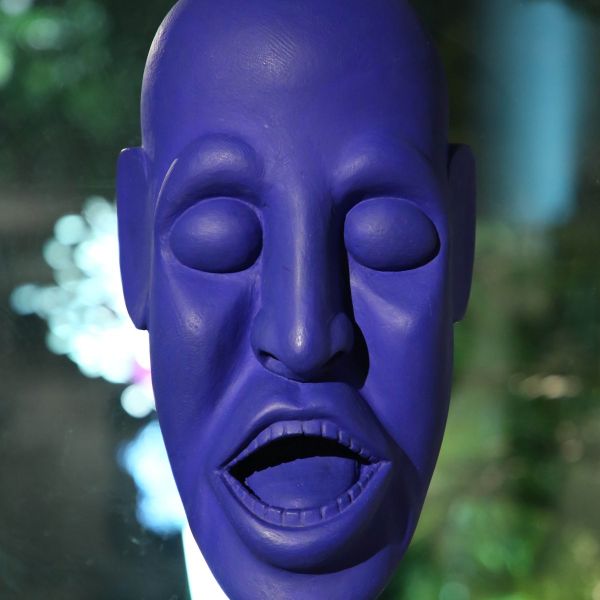 ExhibitionsIndian BlueAs low as $1.00
The colours we see around us are a complex network of visual signifiers. Like spoken dialects, each colour contains multiple—at times conflicting—meanings that are moulded by a universal base and many regional variances. A. A. Almelkar A. H. Müller A. P. Santhanaraj Abalall Rahiman Abanindranath Tagore Ahmed Amir Altaf Ambadas Amit Ambalal Amitava Anonymous Anupam Sud Avinash Chandra Benode Behari Mukherjee Bijan Choudhary Biren De Bireswar Sen Bishamber Khanna Bishnupada Roy Chowdhury Chittaprosad D. C. Joglekar D. P. Roy Chowdhury Dattatraya Apte Devayani Krishna Devraj Dakoji Dharamanarayan Dasgupta F. N. Souza G. R. Iranna G. R. Santosh G. S. Haldankar Ganesh Haloi Gobardhan Ash Gogi Saroj Pal Hemanta Misra Himmat Shah Indra Dugar Indu Rakshit J. P. Gonsalves J. Sultan Ali Jamini Roy Jeram Patel Jogen Chowdhury Jyoti Bhatt K. C. S. Paniker K. K. Hebbar K. Laxma Goud K. S. Kulkarni Kanwal Krishna Kavita Nayar Krishna Reddy Lalit Mohan Sen Laxman Pai M. F. Husain M. K. Parandekar M. R. Acharekar M. S. Joshi Madhvi Parekh Manu Parekh Nand Katyal Nandalal Bose Natvar Bhavsar Navjot Nicholas Roerich Nikhil Biswas Om Prakash P. Khemraj Paramjit Singh Paresh Maity Paritosh Sen Partha Pratim Deb Prabhakar Barwe Prokash Karmakar Rabin Mondal Radha Charan Bagchi Ramendranath Chakravorty Ramgopal Vijaivargiya Ramkinkar Baij Ranen Ayan Dutta S. H. Raza S. K. Bakre S. L. Haldankar Sanat Chatterjee Sanat Kar Sankho Chaudhuri Satish Gujral Shanti Dave Shobha Broota Somnath Hore Sudhir Khastgir Sunayani Devi Sunil Das V. B. Pathare Vasundhara Tewari Broota Vivan Sundaram Walter Langhammer
Learn More -
 ExhibitionsThe Seventies ShowAs low as $1.00
The 1970s was a decade like no other for a young India gaining in confidence nationally as well as on the global firmament. In 1971, Prime Minister Indira Gandhi led the country to a decisive victory against Pakistan, leading to the creation of Bangladesh. The Green Revolution had borne fruit, and Operation Flood now launched a milk revolution in the country, and the culmination of the privy purse turned it into a socialist republic with a strong handle on its economic button. Internationally, much was made of India’s resilience, and the country’s soft power began to win it recognition for its films, fashion, food and culture. India had arrived. ALTAF AMBADAS AMITAVA AVINASH CHANDRA BIKASH BHATTACHARJEE BIREN DE BIRESWAR SEN ERIC BOWEN F. N. SOUZA G. R. SANTOSH GANESH HALOI GOGI SAROJ PAL INDRA DUGAR J. SULTAN ALI J. SWAMINATHAN K C S PANIKER K. K. HEBBAR K. LAXMA GOUD KRISHNA REDDY LAXMAN PAI M. F. HUSAIN MADHVI PAREKH NAVJOT ALTAF P. T. REDDY PARITOSH SEN PRABHAKAR BARWE PRODOSH DASGUPTA PROKASH KARMAKAR RABIN MONDAL RAJENDRA DHAWAN RAM KUMAR S G VASUDEV SATISH GUJRAL SHANTI DAVE SHYAMAL DUTTA RAY SOHAN QADRI TYEB MEHTA V. VISWANADHAN ZARINA HASHMI
Learn More -
 ExhibitionsA Place In The Sun: Women Artists From 20th Century IndiaAs low as $1.00
Sunayani Devi picked up a paintbrush in 1905 when she was thirty years old while supervising her kitchen duties, self-taught, but with enough talent to attract the critical attention of Stella Kramrisch who organised an exhibition of her paintings in Germany in 1927. It was in her worthy footsteps that India’s women artists followed. Devayani Krishna was born five years after Sunayani Devi began painting; Amrita Sher-Gil already had a career in Paris by the time India’s first art school-trained woman artist, Ambika Dhurandhar, earned her diploma in Bombay. B. Prabha followed next, her work reflecting the realities of the marginalised in a piquant language. By the time Nasreen Mohamedi and Zarina Hashmi, both born a decade before Independence, established their careers, women were joining art schools in greater numbers, validating their practice not on the basis of their gender but on its context. Anupam Sud Devayani Krishna Gogi Saroj Pal Latika Katt Madhvi Parekh Mrinalini Mukherjee Navjot Rekha Rodwittiya Shobha Broota Zarina Hashmi
Learn More -
 JournalRemembering Ambadas with art critic Prayag Shukla$0.00
A well-known poet and essayist, Prayag Shukla is also one the foremost writers on art in Hindi. He has authored monographs on artists like J. Swaminathan, M. F. Husain and Ambadas, expanding upon these artists’ relationships with local institutions and contexts of art-making in India since the 1960s.
Learn More -
 JournalDebating secularism in South Asian Art with Tapati Guha-Thakurta$0.00
This collection of essays, co-edited by eminent scholars of art history, Tapati Guha-Thakurta and Vazira Zamindar, navigate the fraught religio-political contexts of South Asia to bring into relief the fragility and amorphous nature of a contested term like the ‘secular’.
Learn More -
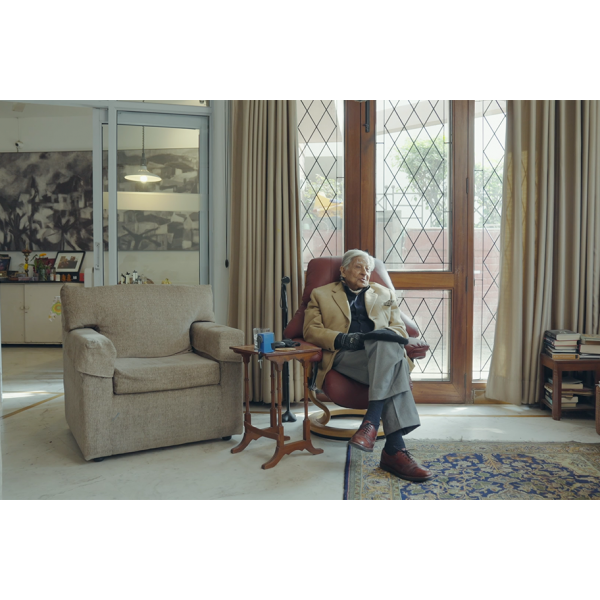 JournalKrishen Khanna on ‘Woman with a Basket of Fruit’$0.00'Iconic Masterpieces of Indian Modern Art, Edition 2' opened on 11 February, featuring fifty artworks which shaped the trajectory of pre-modern and modern art in the country. As part of the exhibition, Krishen Khanna speaks on the relationship between colors in his work and reflects on his painting ‘Woman with a Basket of Fruit’ which draws gestural elements, like the swinging posture, from South Asian bronzes. Learn More
 -
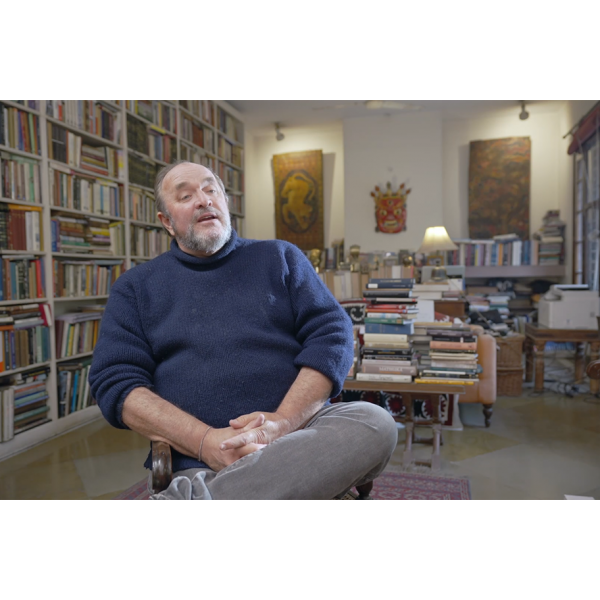 JournalWilliam Dalrymple on ‘Panorama of a Small British Station on the Ganges’$0.00
'Iconic Masterpieces of Indian Modern Art, Edition 2' opened on 11 February, featuring fifty artworks which shaped the trajectory of pre-modern and modern art in the country. As part of the exhibition, William Dalrymple reflects on the painting ‘Panorama of a Small British Station on the Ganges’. Commissioned by Major James Natheniel Rind and painted like a scientific record of a scenario, the composition evokes a transitional phase between an older Mughal ethos and the emerging world of the Company.
Join us for a talk by William Dalrymple on Indian Painting for the East India Company on Wednesday, 5th April 2023, 7pm at DAG, 22A Janpath Road, Windsor Place, New Delhi
Learn More -
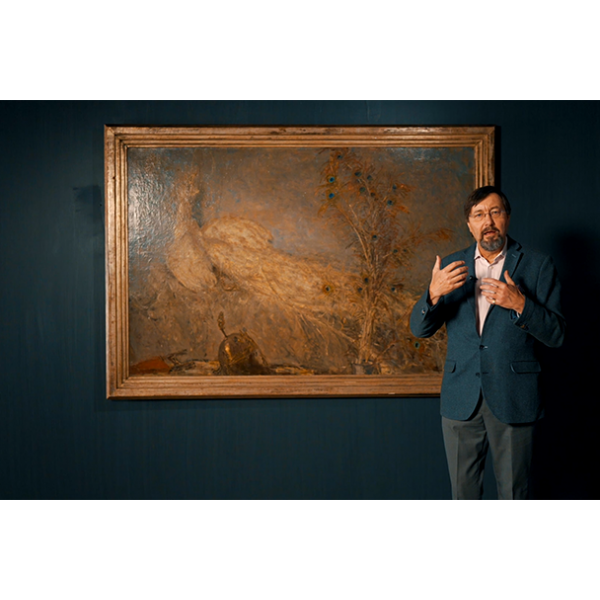 JournalGiles Tillotson on Marius Bauer$0.00‘Iconic Masterpieces of Indian Modern Art, Edition 2’ opened on 11 February at DAG’s Janpath Gallery in New Delhi featuring fifty artworks which shaped the trajectory of pre-modern and modern art in the country. As part of the exhibition, Giles Tillotson speaks on the Dutch Orientalist Marius Bower’s painting ‘Witte Pauw’ where he tries to evoke the sense of a Rajput court through motifs like peacock feathers, along with adding an element of fantasy. Learn More
 -
 Collection OnlineDEVIS$1.00
The Devi or the female power in Hindu mythology appears in various avatars in our everyday lives—as idols during the puja, on covers of magazines, product labels, calendars and posters. The modern history of visualising the Devi goes back to naturalistic depictions in oil paintings by the Early Bengal artists, which were surpassed in popularity and fame by Raja Ravi Varma and his studio. His representation, however, was regarded as too human-like by artists of the Bengal School in the early twentieth century, who created idealised forms based on a synthesis of classical visual traditions. In the twentieth century, we find artists responding to distinctive traits of the goddess to portray specific aspects of her power, or to convey the artist's own relationship with divinity. Few artists who have turned to Hindu myths have been able to escape the temptation to interpret the female power in their own way, and the diversity in style, medium, and mood is a testament to that.
Learn More -
 Collection Stories150 years of Abanindranath Tagore$1.00
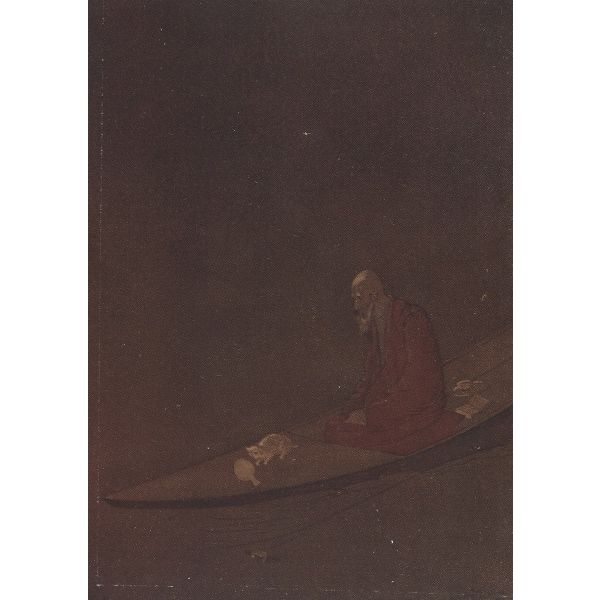
At the turn of the twentieth century, Abanindranath Tagore asked himself if the emerging artists of modern India should continue to paint in the manner of their European colonizers; or was there a new path waiting to be forged? His answers led him to envision a pan-Asian cultural identity, spanning traditions from Persia to Japan, and culminating in a ‘new “Indian” art.’ Regarded as the founder of the Bengal School, Abanindranath left an unparalleled legacy both in terms of his own diverse body of work, and through his pupils, like Nandalal Bose, who shaped the contours of art across the subcontinent in the twentieth century.
Learn More -
 Art FairsArt Mumbai$0.00
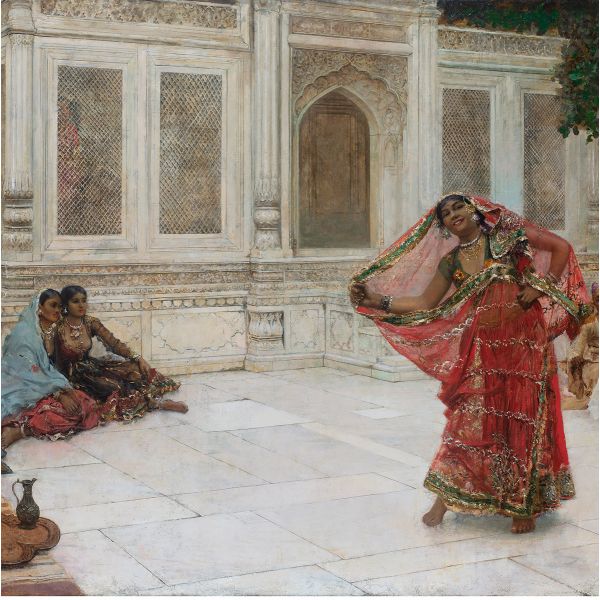
As in previous editions, ‘Iconic Masterpieces’ allows viewers to experience the pinnacles of Indian art through its lens of quality, historicity, and rarity—to which the element of surprise adds an unexpected piquancy. An ‘Iconic’ exhibition from DAG is like a museum tour where the best Indian art can be enjoyed through a lively and perceptive curatorial eye that acknowledges and helps extend our knowledge of it.
Learn More