


Search results for: 'Artwork of sadequian and meaning'
-
 Institutional CollaborationsGhare Baire: The World, the Home and Beyond 18th – 20th Century Art in Bengal$1.00
Ghare Baire was a museum-exhibition showcasing over 200 years of art in Bengal. Presented by DAG in collaboration with the National Gallery of Modern Art and the Archaeological Survey of India, the exhibition was housed at the historic Currency Building, across twelve galleries featuring over 700 artworks. The exhibition was the largest showcase of Bengal Art, presenting a panoramic view of the evolution of art in a region that has been critical to the development of Indian modern art. The exhibition starts with the arrival of the travelling European artists at a time of exchange between Bengal and the world. This confluence of cultures stimulated new visual languages as we see in the Kalighat pat, the Bengal School, and the subsequent emergence of artists who fearlessly and freely experimented with form and subject, reshaping the trajectory of art in India.
Learn More -
 ExhibitionsG. R. Santosh: AwakeningAs low as $1.00
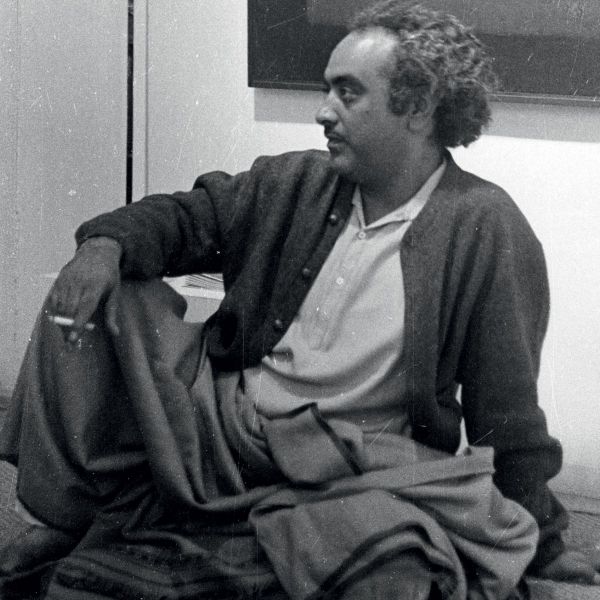
An unassuming trailblazer, Gulam Rasool Santosh is the most important artist from the movement known as neo-tantra in Indian art, synonymous with masters such as Biren De and Sohan Qadri. Self-taught, Santosh began his career painting landscapes in his native Kashmir before being spotted by S. H. Raza, which enabled him to study at the Maharaja Sayajirao University at Baroda under the famous artist N. S. Bendre. After a few years of painting figurative and abstract works in the mould of the other Indian Progressives, Santosh’s art changed dramatically towards tantra when he had a mystical experience in the Amarnath cave in 1964. From then on, until his death in 1997, G. R. Santosh dedicated his life to the study and practice of tantra, a yogi as much as an artist.
Learn More -
 JournalOn Collecting Textiles with Uthra Rajgopal$0.00
Are the histories of art and fashion distinct from each other? Even a cursory glimpse at the contemporary art landscape—on view during occasions such as the India Art Fair, 2023—tells us otherwise. Fabrics, textiles and weaving practices are being increasingly incorporated into the body of works produced by artists today. They bring with them a host of connotations, historical narratives and sensorial memories that working with other media does not. Uthra Rajgopal, a curator and collection adviser for museums, spoke with DAG briefly on the practice of collecting textiles for museums, their historical significance as artworks as well as trading commodities from South Asia, and how contemporary artists are responding to this complex colonial legacy through their own interventions.
Learn More -
 ExhibitionsThe World Will Go OnAs low as $1.00
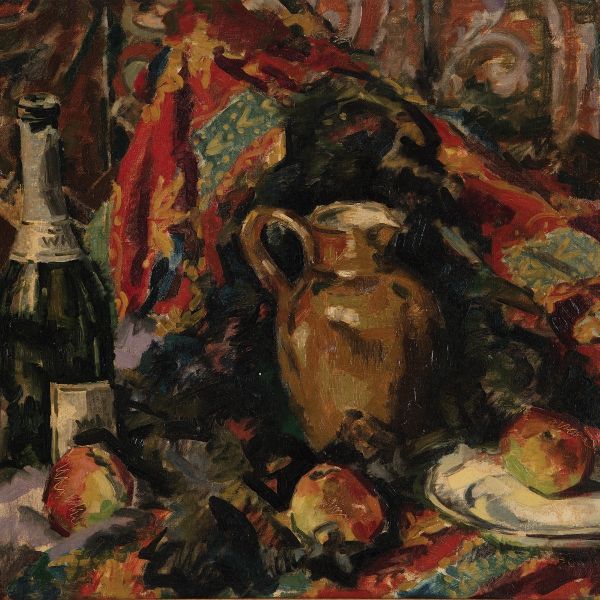
2020 marks a special year in mankind’s history and India’s destiny. Often used in reference to development goals, 2020 has taught us to never take things for granted. While humanity has made major leaps, even conquering outer space, nature has shown us how little we know about it, and how little we appreciate what we have. 2020 has taught us to review our values. We have suffered but also been comforted, and we have learned to acknowledge that irrespective of our joys and sorrows, our triumphs and our failures, the world will not stop, it will go on. Husain Rabin Mondal Santosh Jehangir Sabavala Mohan Samant Swaminathan Paramjit Paramjeet Ramgopal Vijaivargiya Seal Singh Dasgupta Haren Das Shanti Dave Jagadish Dhanapal Dhurandhar Bipin Behari Goswami Laxma Goud George Keyt Ara Nandalal Bose Jyoti Bhatt Natvar Bhavsar Eric Bowen Shobha Broota Avinash Chandra Sanat Chatterjee Shiavax Chavda Hebbar Khemraj Krishen Khanna Walter Langhammer Jeram Patel Aroomogam Pillay Raza Reddy Jamini Roy Vasudev Viswanadhan Manu Madhvi Parekh Laxman Pai Dhirendra Narayan Dharamanarayan.
Learn More -
 ExhibitionsGroup 1890As low as $1.00
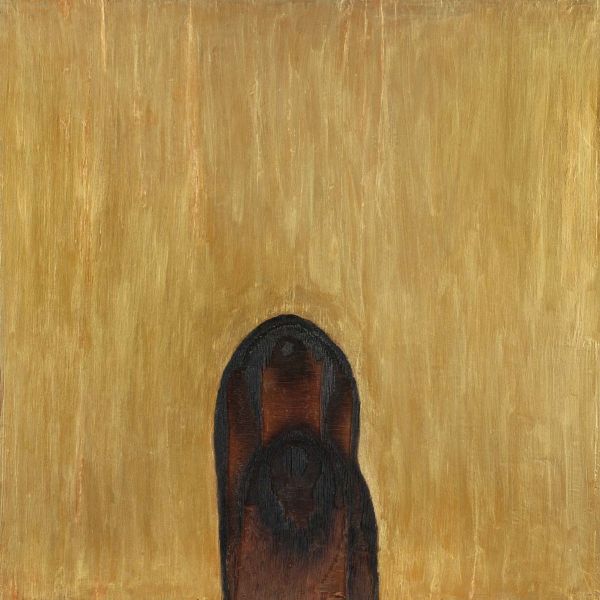
A great number of short-lived but nonetheless significant art movements arose in India over the twentieth century as Indian artists struggled with evolving or arriving at their identity as modern artists and an appropriate visual language of Indian modernism. One of the most significant amongst these is the artist collective, Group 1890, formed in 1962 with twelve young artists, led by the artist and art critic J. Swaminathan. The group consisted of J. Swaminathan, Gulammohammed Sheikh, Himmat Shah, Jeram Patel, Ambadas, Jyoti Bhatt, Raghav Kaneria, M. Reddeppa Naidu, Rajesh Mehra, Eric Bowen, S. G. Nikam and Balkrishna Patel. Ambadas Balkrishna Patel Eric Bowen Gulammohammed Sheikh Himmat Shah J. swaminathan Jeram Patel Jyoti Bhatt Raghav Kaneria Rajesh Mehra Reddappa Naidu S. G. Nikam
Learn More -
 ExhibitionsChittaprosadAs low as $1.00
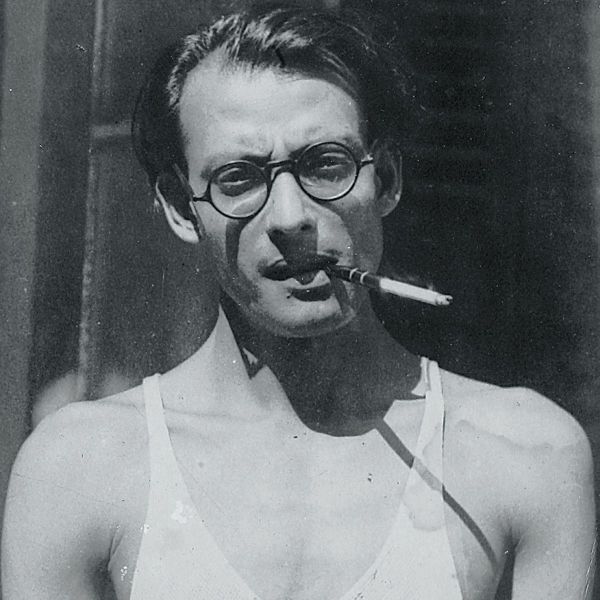
One of India’s most important artists, Chittaprosad recorded pivotal political and social movements in the country, such as the Great Bengal Famine of 1943-44 and its fallout, in heart-wrenching sketches and drawings, alongside protests against colonialism, economic exploitation, urban poverty and depravity, just as beautifully as the many drawings, linocuts and scraper board illustrations he made for children, recording a beatific phase of plenitude and family values, and involving himself with marionettes for their entertainment.
Learn More -
 JournalArt Lab: Transforming Classrooms into Museums$0.00
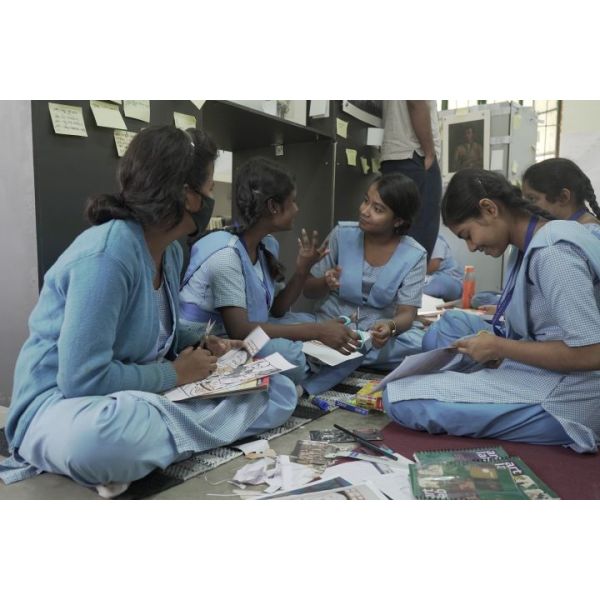
Art Lab by DAG’s Museums Programme is a pop-up art exhibition of facsimiles of works from the DAG Museum Collection that travels to schools and introduces students to modes of visual learning. After two successful iterations in CBSE and ICSE schools in Kolkata, Art Lab travelled to its first Bengali medium West Bengal Board school—Barisha Janakalyan Vidyapith for Girls. Through three days of workshops spread across two weeks, the students interacted with the artworks, learnt the basics of research, delved into historical material, and developed their own creative projects. Take a peek at some of the wonderful projects they curated as they took over the exhibition and made it their own.
Learn More -
 Collection StoriesSYNCRETISM IN BENGAL ART$1.00
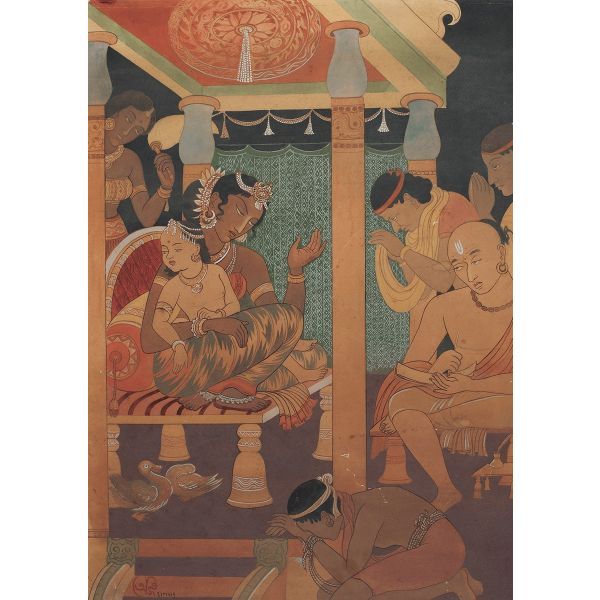
As a region that is home to many religions and cultures, South Asia has been a fertile ground for art that blends different styles, ideas, and influences. Conquest, migration, or friendly exchange of cultural ideas and values—be it in the visual arts, food, or politics—all played a part in shaping the region as a melting pot of civilisations. Explore artworks that showcase this syncretic legacy from DAG's museum collection—starting with the early encounters with European realism, the pan-Asian influences on the Bengal School, and beyond.
Learn More -
 ExhibitionsAvinash Chandra: HumanscapesAs low as $1.00
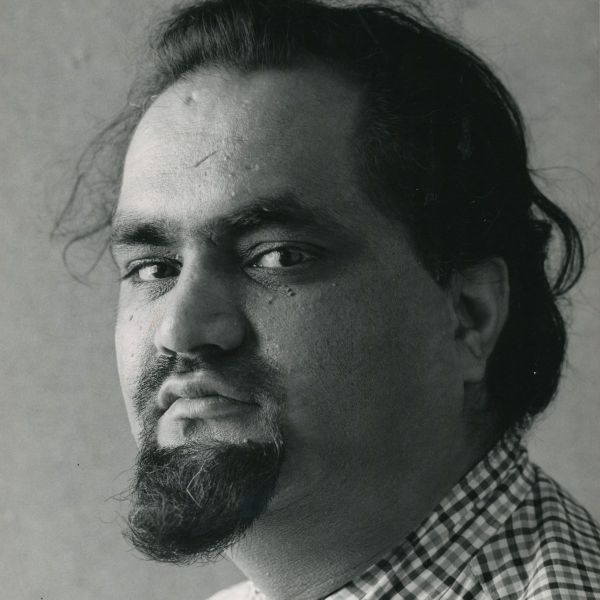
This is the first-ever retrospective of the Indian modern artist Avinash Chandra who lived most of his life in the West, in London and New York. The artist, who had trained in New Delhi, left soon after for London, and most of his practice was limited to London and New York, the two cities he called his home till his unfortunately early death in 1991. In the roughly three-and-a-half decades of his career, Avinash’s work changed amazingly, reflecting his environment and milieu as he grew and adapted to cities vastly different from their Indian counterparts, with their own sub-cultures. That this happily coincided with a discovery of India, however superfluously, as a land of spirituality and sexuality, seemed to serve him well as his muse.
Learn More -
 JournalConscious Collecting with Asia Art Archive and Durjoy Rahman$0.00
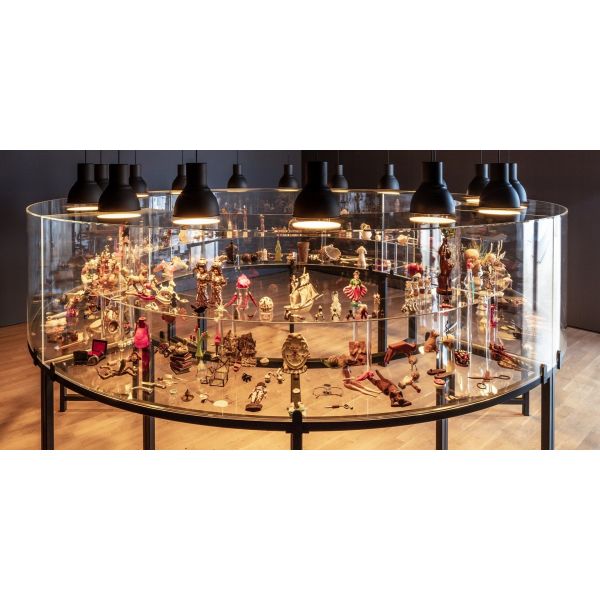
What is the role of collectors and collections or archives in the world of art today? Does it simply allude to practices of producing a consumable past today or does it also aspire to question the ways in which history has been shaped by powerful interventions in the form of artworks, performances and installations? In this series of conversations, we wanted to explore the idea of collecting recent or contemporary art—and how it inevitably takes us back to the moderns who influenced such practices heavily.
Learn More -
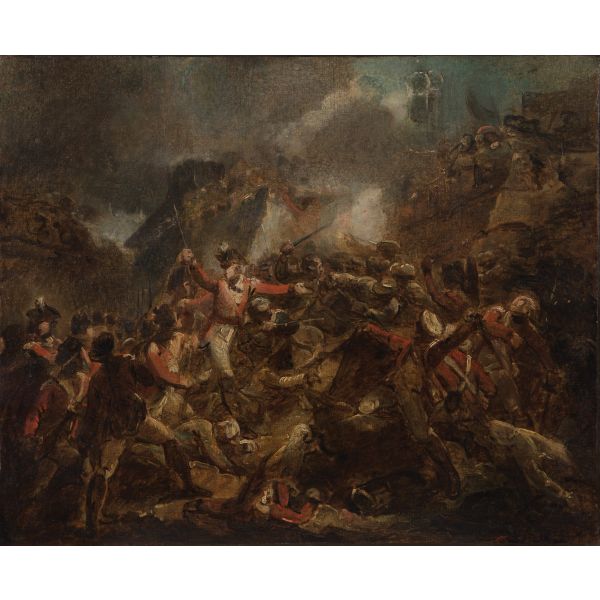 Teaching Through ArtTipoo: The man and the myth$1.00
A creative response guide on exploring multiple historical perspectives through artworks and archival material on the fall of Tipoo Sultan.
Learn More -
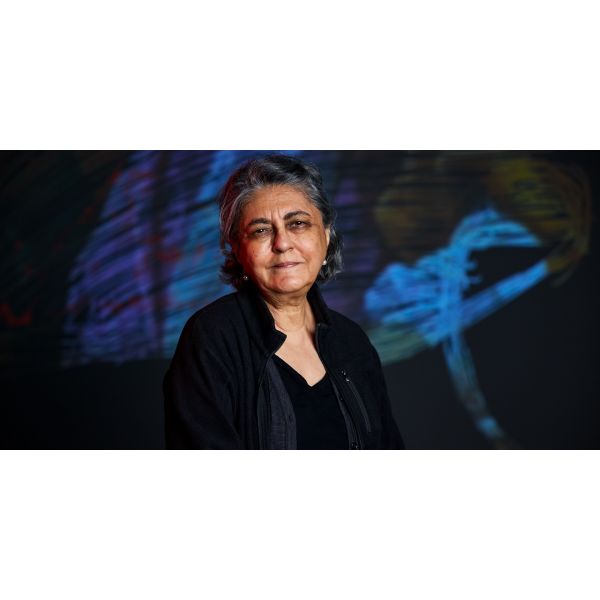 JournalRadical as a way of Being: Inaugural Contemporary Fellow Nalini Malani at London's National Gallery$0.00
What is the role of collectors and collections or archives in the world of art today? Does it simply allude to practices of producing a consumable past today or does it also aspire to question the ways in which history has been shaped by powerful interventions in the form of artworks, performances and installations? In this series of conversations, we wanted to explore the idea of collecting recent or contemporary art—and how it inevitably takes us back to the moderns who influenced such practices heavily.
Learn More