


Search results for: '1929 k h Ara a notable work c'
-
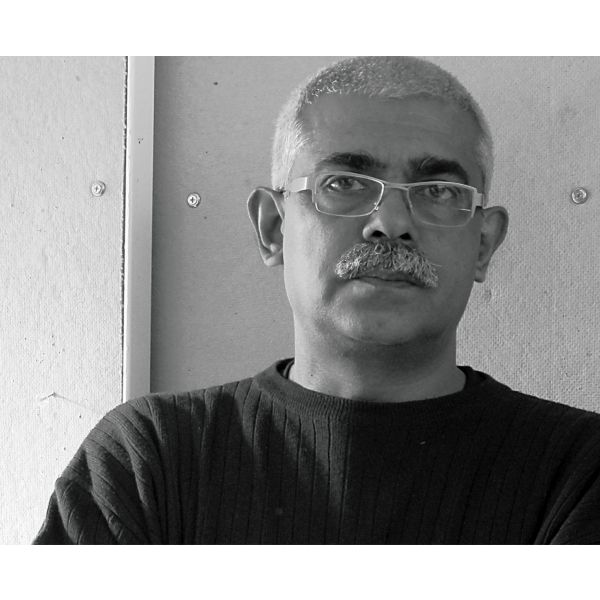 ArtistsSurendran Nair$0.00Born in Onkkoor, Kerala, Surendran Nair graduated in painting from College of Fine Arts, Trivandrum, in 1982, and studied printmaking from M. S. University, Baroda, in 1986. Nair began his art practice with strongly realist pen and ink drawings, etchings and lithographs, and commemorated people from his immediate surroundings or literary heroes in his portraiture. Learn More
 -
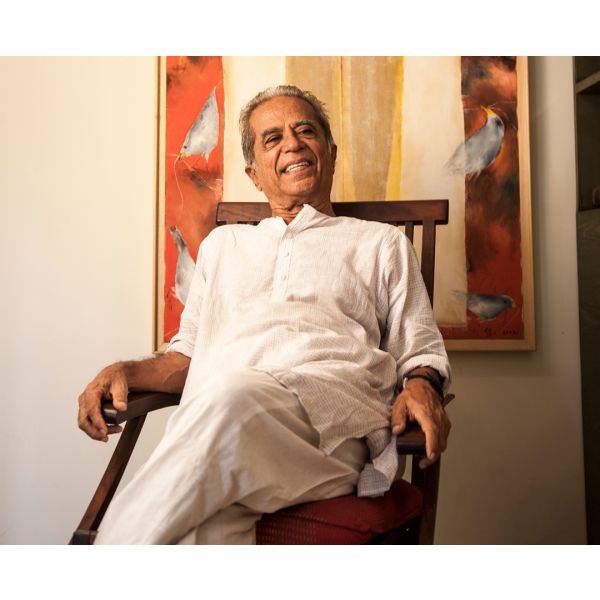 ArtistsHaku Shah$0.00Born on 26 March 1934 in the village of Valod, Gujarat, Haku Shah absorbed deeply the way of life, culture and beliefs of the pastoral and the folk, which he amply manifested in his works. This understanding also moulded him into a cultural anthropologist who brought global academic focus on tribal and folk arts and culture of India. Learn More
 -
 ArtistsM. S. Joshi$0.00Born in Nashik, Maharashtra, M. S. Joshi studied at Sir J. J. School of Art, Bombay, in the 1930s. Joshi combined his training in academic realism with a sense of vitality, precision and aesthetics to reveal India’s rich cityscapes and landscapes in his watercolour and gouache works. There was immense depth in the rendering of his subjects, which included people, places, architectural elements, all done in a subdued yet textured palette. Learn More
 -
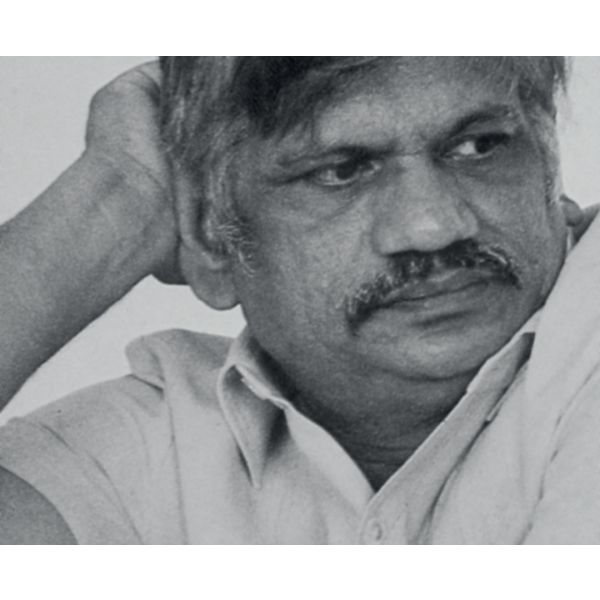 ArtistsB. Vithal$0.00Born in Maharashtra, B. Vithal took a diploma in sculptural art from Sir J. J. School of Art, Bombay. Taking to art with natural ease, he began drawing as early as five years of age, making Ganesha and other popular Hindu deities on his slate using chalk. The inspiration sustained through his entire life, and his work was mainly inspired by Hindu mythology, philosophy, and ancient Indian art. Learn More
 -
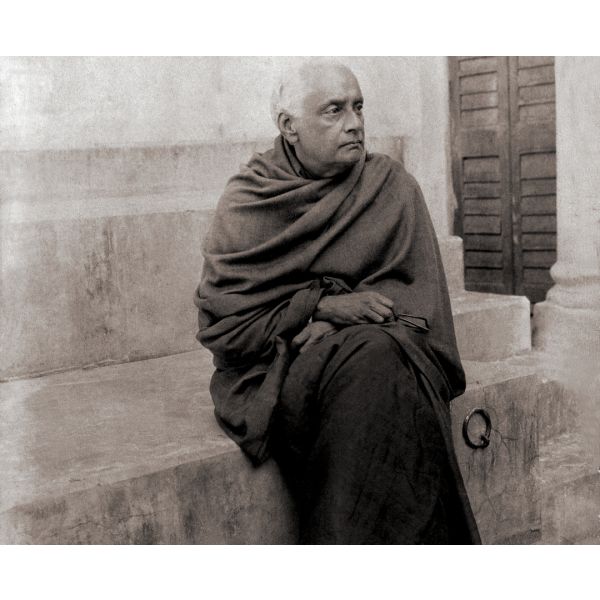 ArtistsGaganendranath Tagore$0.00The true pioneer of cubism in India and acclaimed for his satirical works of art, Gaganendranath Tagore was born on 17 September 1867. Along with his Nobel-laureate uncle Rabindranath Tagore, and brother Abanindranath Tagore, he was at the forefront of cultural revival in Bengal in the early twentieth century; the brothers established the Indian Society of Oriental Art, Calcutta, in 1907. Learn More
 -
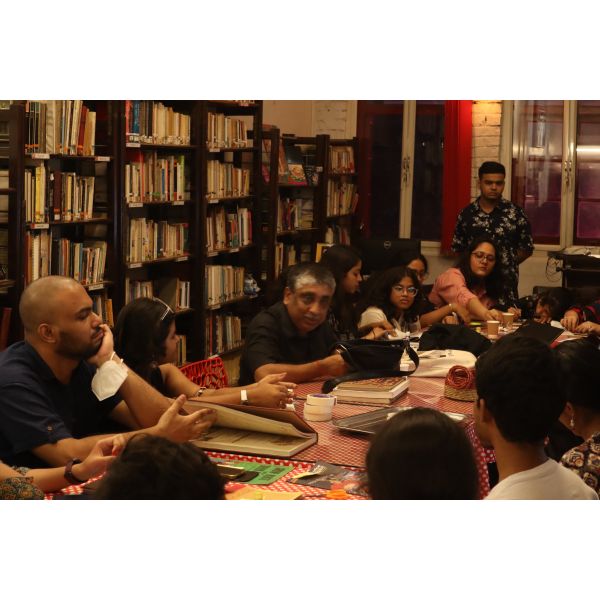 Events and ProgrammesAssemblage: Histories$1.00
A sketching and reading session with art historian Debdutta Gupta on the artistic practice of assemblage centred on the text Khuddur Jatra by Abanindranath Tagore.
Learn More -
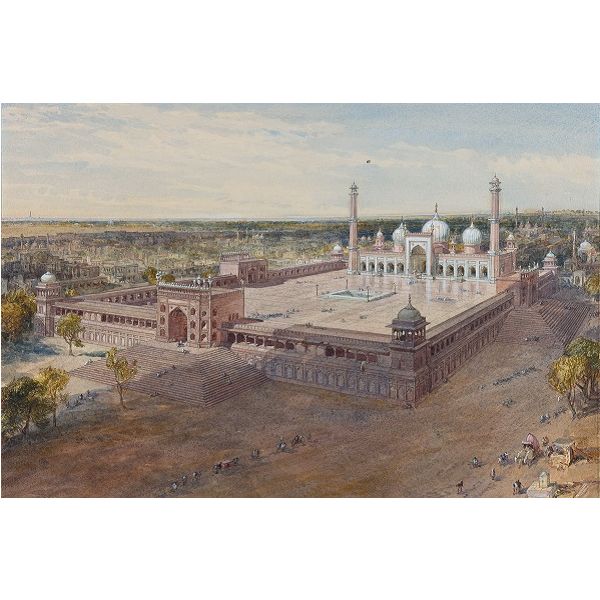 JournalRepresenting Architecture: How art influenced architecture$0.00European artists and architects were deeply influenced by the rich cultural heritage and artistic traditions of India, which, in turn, influenced their architectural designs. Artistic representations served as a bridge between cultures, leading to the incorporation of Indian motifs, styles, and decorative elements in colonial architecture. Learn More
 -
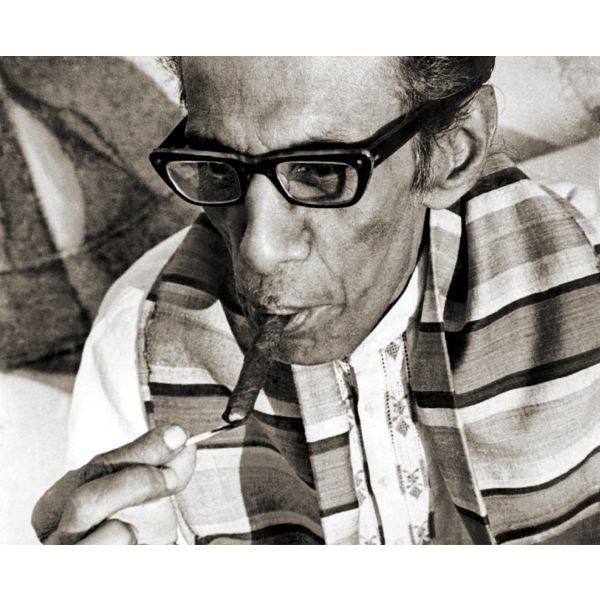 ArtistsSunil Madhav Sen$0.00Born in Purulia in West Bengal, Sunil Madhav Sen was a self-taught artist. Though he learned drawing as a child from a local teacher, he studied law and the liberal arts at Calcutta University and worked for the government. He pursued his passion for art privately alongside his legal practise, visiting the studios of Abanindranath Tagore, Atul Bose, J. P. Gangooly, and Satish Sinha. He also apprenticed for two years under Hemendranath Mazumdar, honing his skills in portrait painting. Learn More
 -
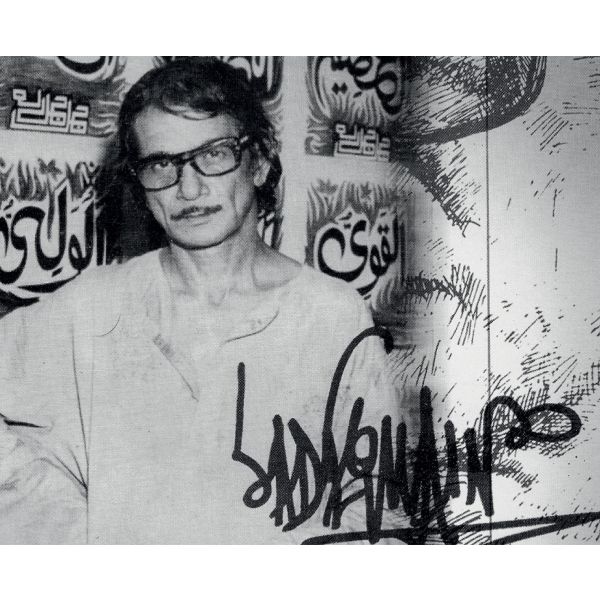 ArtistsSadequain$0.00One of the most important South Asian artists of the twentieth century, Syed Ahmed Sadequain Naqvi was born in Amroha in Uttar Pradesh in pre-Partition India and grew up in a family that highly valued calligraphy. He moved to Delhi in 1944 to work as a calligrapher-copyist with All India Radio where his elder brother was also working, but shifted to Pakistan following Partition. Moving between jobs for a few years in his new homeland, Sadequain devoted himself fully to the arts in 1955 after his fame as an artist rose with the patronage of the country’s prime minister, Huseyn Shaheed Suhrawardy. Learn More
 -
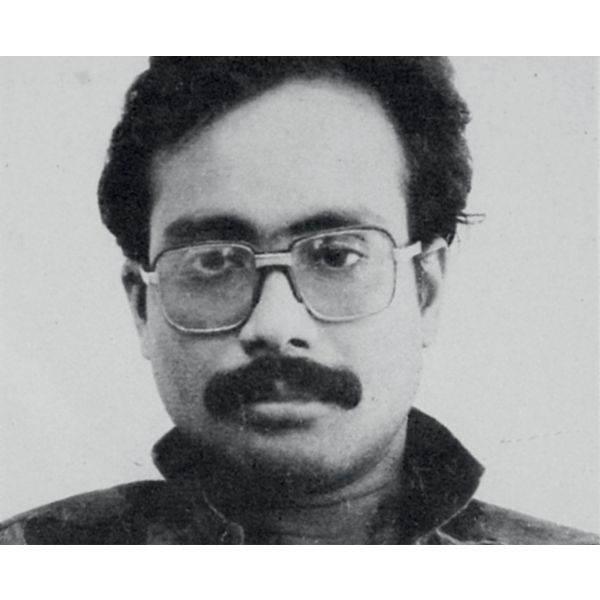 ArtistsRm. Palaniappan$0.00Born in Devakottai in Tamil Nadu, Rm. Palaniappan often incorporates the syntax of the sciences such as diagrammatic notations, and symbols, in his work. The memory of the first sight of the earth from above, while on a flight, also appears frequently in the form of maps, grids, and aerial terrain. Another important trope in his works has been imagery associated with the flying machine, inspired by his fascination with Second World War cinema. Learn More
 -
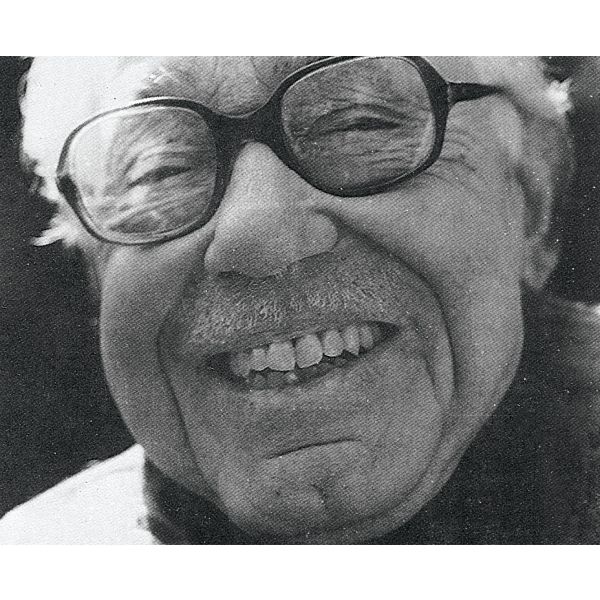 ArtistsR. N. Pasricha$0.00Born in Amritsar on 17 November 1926, R. N. Pasricha grew up in Delhi. Graduating in science, he worked as a typist to earn his livelihood. But, it was painting that drew him—a passion since childhood— and he enrolled for night classes in art. He honed his skills in painting under the guidance of artist Abani Sen. Learn More
 -
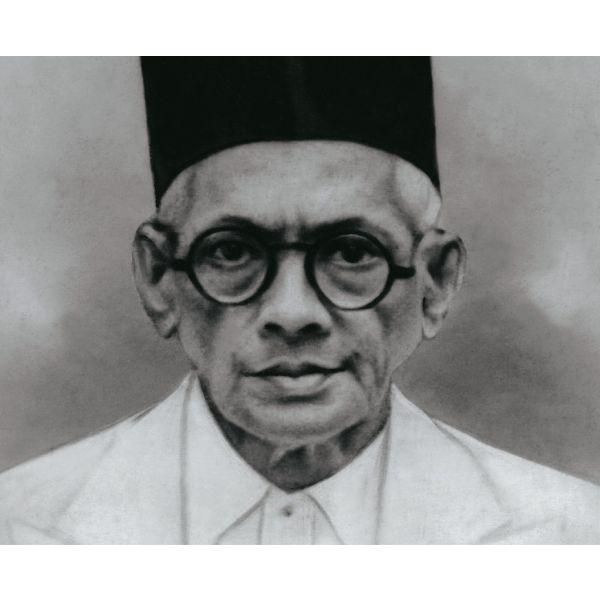 ArtistsN. R. Sardesai$0.00N. R. Sardesai was born in 1885 in Ratnagiri, Maharashtra, and completed his early education at the Ratnagiri School of Industry. Here, he studied carpentry and drawing in 1906, before joining Sir J. J. School of Art, Bombay, for formal training in art. Thereafter, he began work as a drawing teacher in a school in Fort, Bombay. In 1915, he had a short stint as a drawing teacher at his alma mater too. Learn More