


Search results for: 'which culture believes a redheaded woman on a ship is unlucky'
-
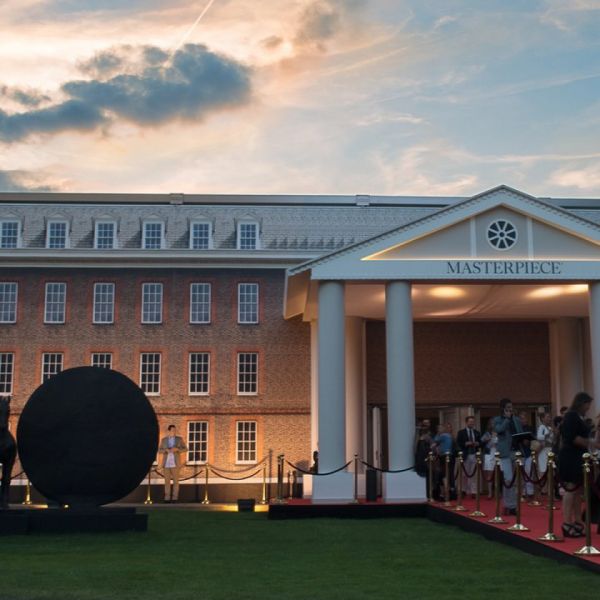 Art FairsMasterpiece$0.00
DAG’s second outing at Masterpiece London, the prestigious fair for everything from exceptional jewellery, furniture and antiquities to works of art held annually at Chelsea, was marked by outstanding inclusions of works by modern masters. The showstopper was a massive sized British Raj - Procession by M. F. Husain (one of two works, the other being his Theorem II) that grabbed everyone’s attention, but equally hypnotising were paintings by Natvar Bhavsar (Eketak), George Keyt (Two Women Amid Plants), F. N. Souza’s fabulous Temple Dancer, tantra-based paintings by G. R. Santosh, Prabhakar Barwe and a work in relief by Satish Gujral. Bikash Bhattacharjee Natvar Bhavsar Avinash Chandra K. K. Hebbar M. F. Husain Ranbir Singh Kaleka George Keyt Krishen Khanna Jehangir Sabavala G. R. Santosh F. N. Souza
Learn More -
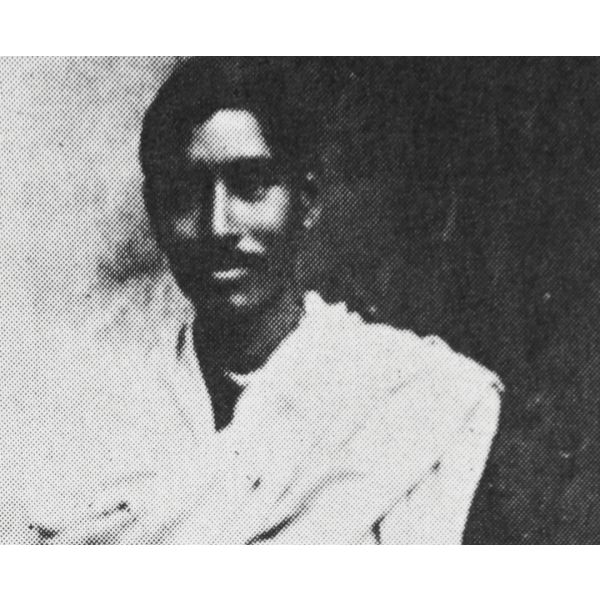 ArtistsJogesh Chandra Seal$0.00Jogesh Chandra Seal was an active member of the enthusiastic art scene of Calcutta in the early decades of the twentieth century. However, due to his short life of thirty-one years, he could not leave behind a comprehensive body of work. His academic oil paintings, Untitled (Disappointed), 1919, and Lady Lighting a Diya, 1921, have recently appeared at international auctions, bringing spotlight on this accomplished artist who was closely associated with the values of the Bengal School of painting. Learn More
 -
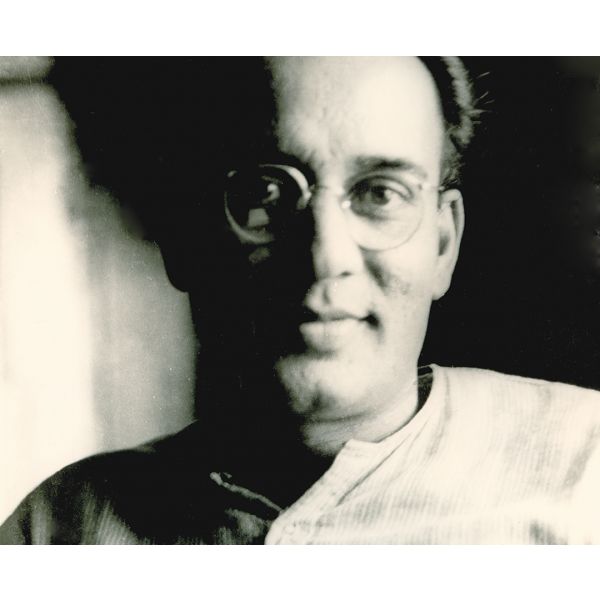 ArtistsIndra Dugar$0.00Indra Dugar, unlike his illustrious father Hirachand Dugar (1898-1951), did not have any formal education in art. Born in 1918 in Jiaganj in Murshidabad, West Bengal, he sub-consciously absorbed the artistic ambience of Santiniketan where he grew up; his father was one of the earliest students at Kala Bhavana at the Visva-Bharati University. Dugar acquired art skills from his father and considered Santiniketan his alma mater. He was inspired by his father’s mentor Nandalal Bose, who saw great promise in him. Learn More
 -
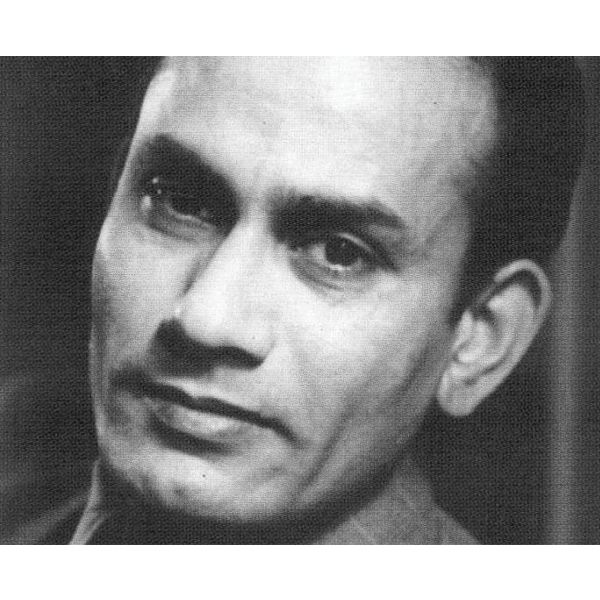 ArtistsVishwanath Nageshkar$0.00Of Goan origin, Vishwanath Nageshkar was born and raised in Kolhapur, Maharashtra, in 1910. He obtained his diploma from Sir. J. J. School of Art, Bombay, in 1930; he also specialised in frescos from the same institute. A contemporary of Amrita Sher-Gil, Nageshkar was one of the first Indian artists to move to Paris for his education—he studied at École National Supérieure des Beaux-Arts from 1930-35. Later, he studied at Kunstakademic in Munich, Germany, from 1938-40, and under Professor A. Strübe in Berlin, 1940-41. Learn More
 -
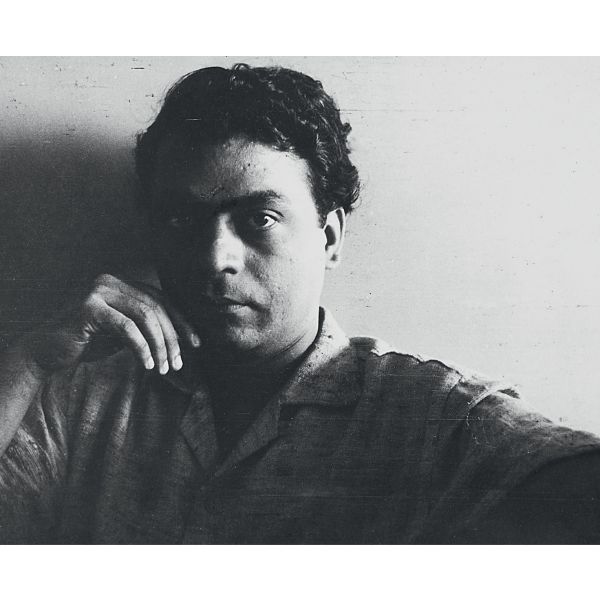 ArtistsV. S. Gaitonde$0.00One of India’s most revered ‘non-objective’ painters—he preferred that term over ‘abstraction’—Vasudeo Santu Gaitonde was born in Nagpur in 1924. He received his diploma in painting from Sir J. J. School of Art, Bombay, in 1948. Impressed by his work, the members of the Progressive Artists’ Group—formed in 1947—pulled him into their meetings. The strength of his talent was soon recognised elsewhere—he won the first prize of the Young Asian Artists Association in Tokyo in 1957, and a John D. Rockefeller III Fund fellowship in 1964. Learn More
 -
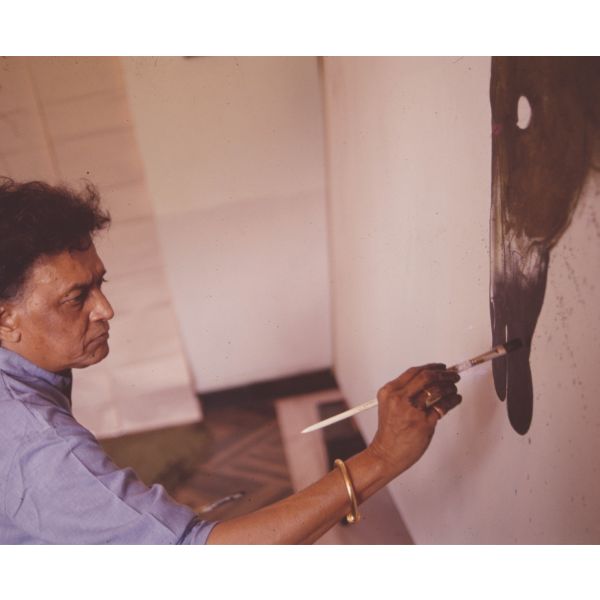 ArtistsSunil Das$0.00One of India’s most important post-modernist painters, Sunil Das is known for his iconic drawings and paintings of horses and bulls. He rose to prominence early when he became the only Indian artist to win the Lalit Kala Akademi’s national award while still an undergraduate student, in 1959. Learn More
 -
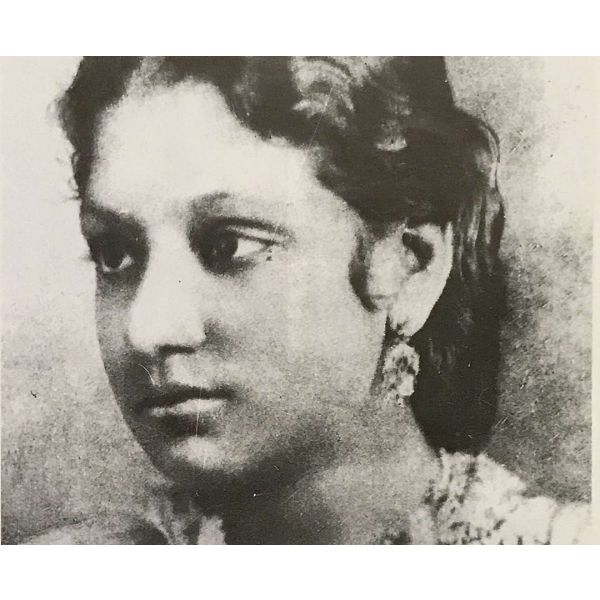 ArtistsSunayani Devi$0.00Sunayani Devi was born on 18 June 1875 in the Tagore family of talented writers and painters—Nobel-laureate Rabindranath Tagore was an uncle, and Gaganendranath and Abanindranath Tagore were her elder brothers. Essentially a self-taught artist, she witnessed the Bengal renaissance, but it was only in her thirties that she began to paint, encouraged by her husband, the grandson of reformist Raja Ram Mohun Roy. Learn More
 -
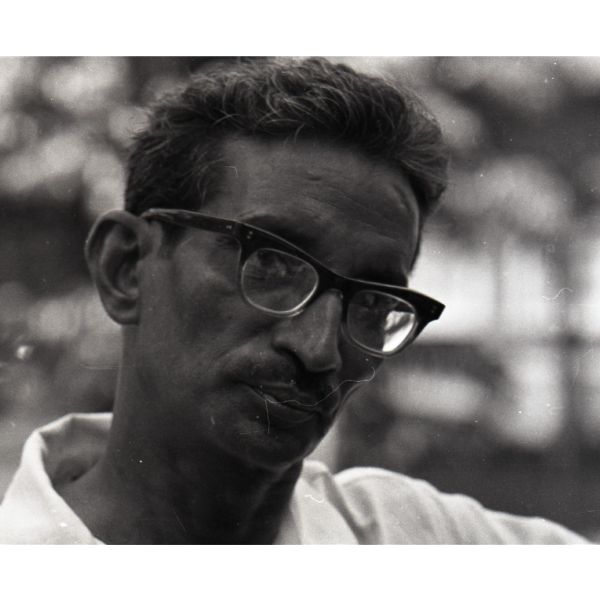 ArtistsSankho Chaudhuri$0.00One of India’s foremost sculptors, Sankho Chaudhuri’s work is an important key in the evolution of modern, abstract sculpture in the country, breaking away from traditional figuration and mid-Victorian academic naturalism. Learn More
 -
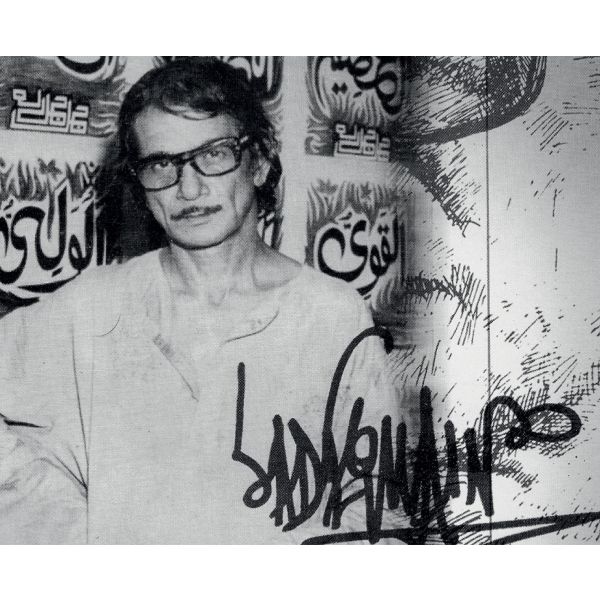 ArtistsSadequain$0.00One of the most important South Asian artists of the twentieth century, Syed Ahmed Sadequain Naqvi was born in Amroha in Uttar Pradesh in pre-Partition India and grew up in a family that highly valued calligraphy. He moved to Delhi in 1944 to work as a calligrapher-copyist with All India Radio where his elder brother was also working, but shifted to Pakistan following Partition. Moving between jobs for a few years in his new homeland, Sadequain devoted himself fully to the arts in 1955 after his fame as an artist rose with the patronage of the country’s prime minister, Huseyn Shaheed Suhrawardy. Learn More
 -
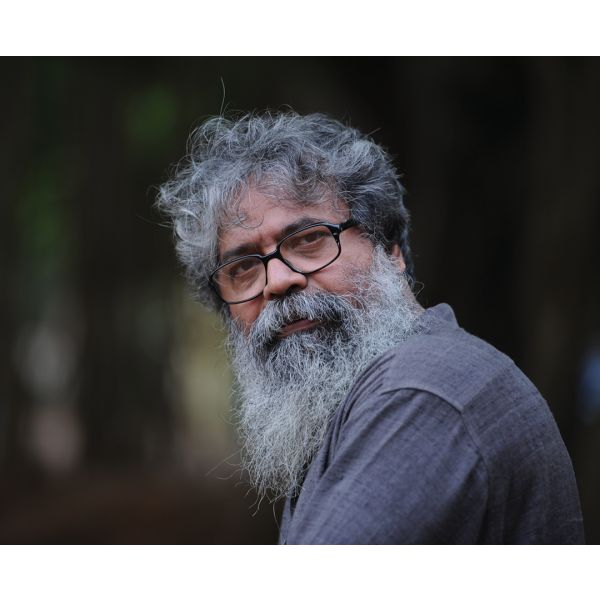 ArtistsK. S. Radhakrishnan$0.00Maiya and Musui—the thinly-fluted male and female bronze figures, often swaying or leaping in joy—are perhaps as well-known as their creator, K. S. Radhakrishnan. One of the most significant contemporary sculptors, Radhakrishnan often refers to the bronze characters as his alter egos. Learn More
 -
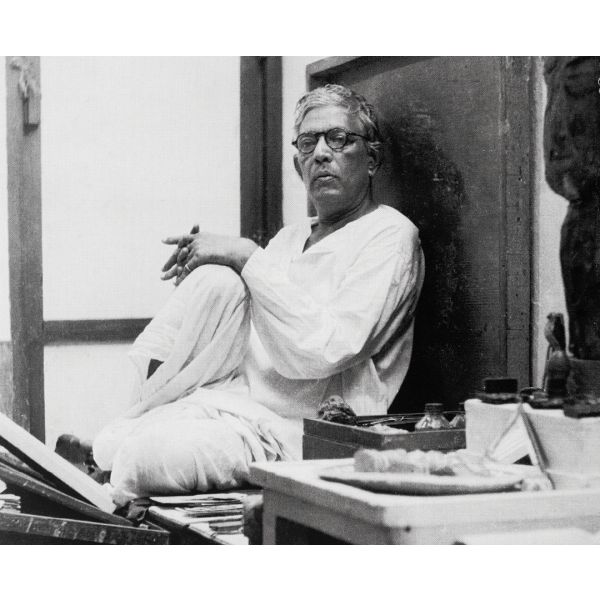 ArtistsJamini Roy$0.00One of India’s most loved artists, Jamini Roy is remembered for forging a unique Indian aesthetic for modern art by bringing together elements of traditional Bengali folk art and Kalighat patachitras, rendered in clean lines and earthy colours. Learn More
 -
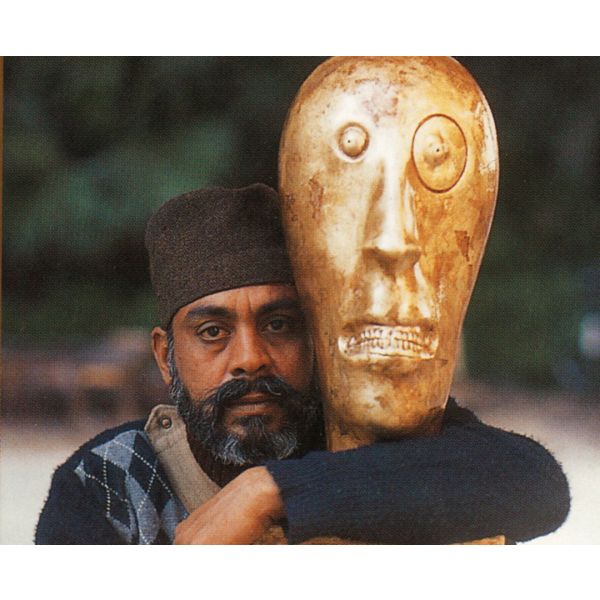 ArtistsHimmat Shah$0.00Born in Lothal in Gujarat, one of the most important sites of the Harappan civilisation (3300-1300 BCE), Himmat Shah’s long-term engagement with terracotta traces its roots to the ancient antecedents of his birthplace, seen especially in his sculptural Heads. Learn More