Search results for: 'would green shutters look good with a front door that is 2 shades darker on the same color strip'
-
-
 ArtistsThomas Daniell$0.00
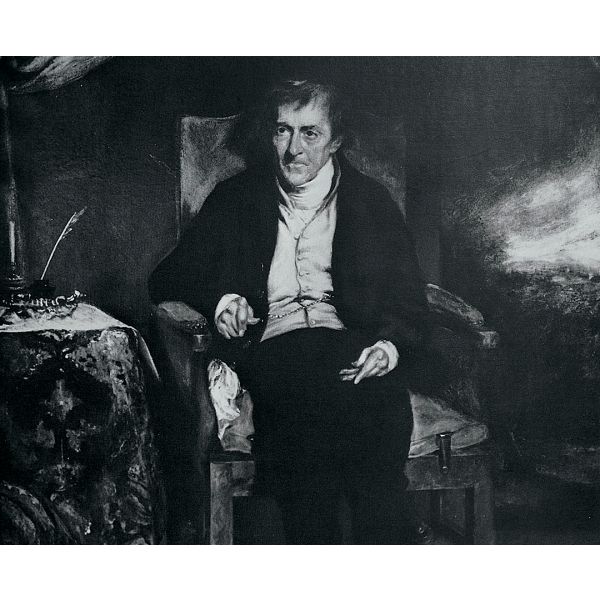
One of the earliest British artists to arrive in India on a painting expedition, Thomas Daniell is one half of the famous painting duo, the Daniells, the other being his nephew William, with whom he created some of the earliest and most celebrated views of India.
Learn More -
 ArtistsSailoz Mookherjea$0.00
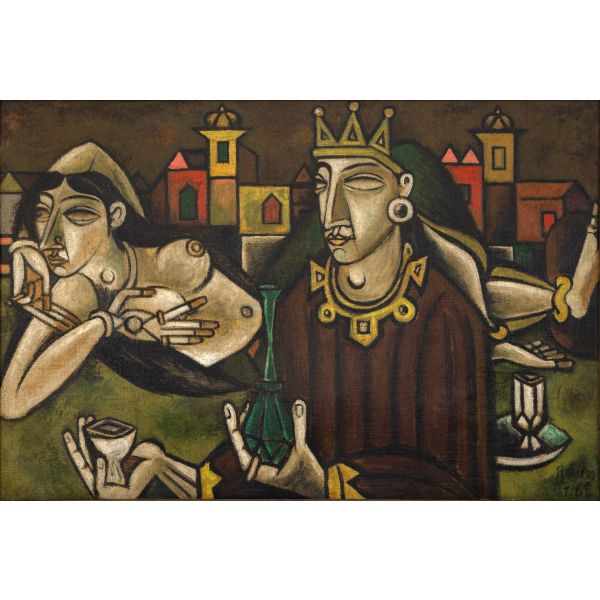
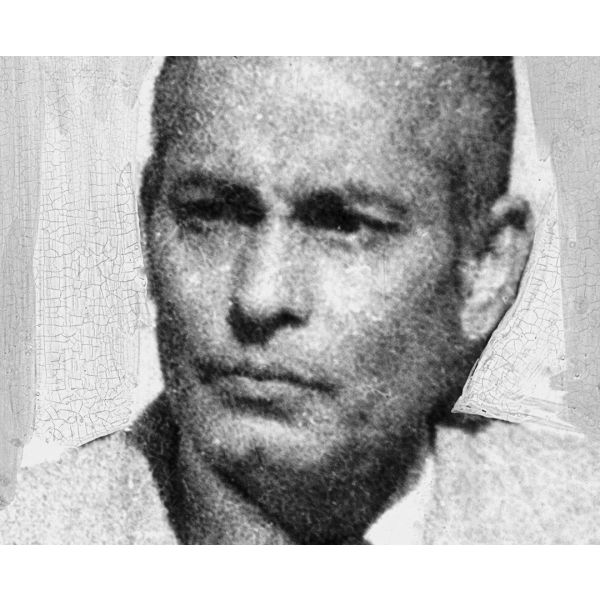
Perhaps the least celebrated of the nine National Treasure artists of India, Sailoz Mookherjea was one of the earliest modern painters of the country, and also one of the earliest to study in Paris, in 1937.
Learn More -
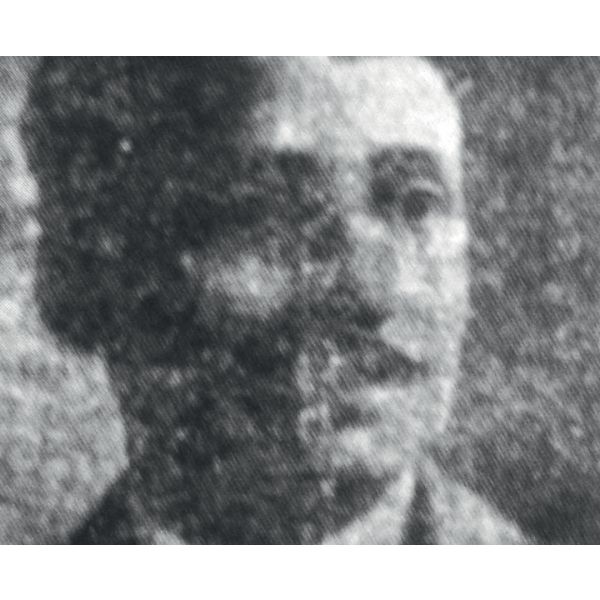 ArtistsHiranmoy Roychaudhuri$0.00One of the earliest pioneers of European modernism in Indian sculpture, Hiranmoy Roychaudhuri studied under E. B. Havell at the Government School of Art, Calcutta in 1905. He was also one of the earliest Indian artists to go to England to study art; he went to the Royal College of Art, London, in 1910 to train in sculpture. Learn More
 -
 JournalOriental Scenery: Aquatints by Thomas & William Daniell$0.00
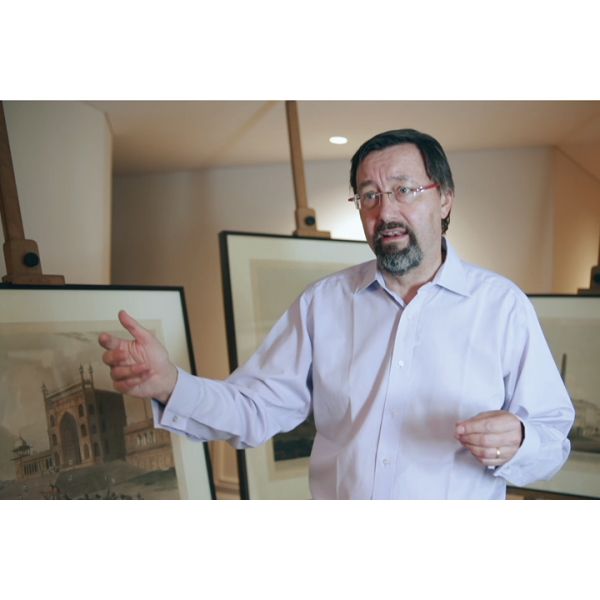
What wonder it must have been for the people in England to ‘see’ India for the first time, the exotica that they had only heard of until then! The artists who made this possible through their paintings and aquatints were the uncle-nephew duo of Thomas Daniell and William Daniell, whose magnum opus, Oriental Scenery, was the subject of this landmark exhibition at Drishyakala, a joint collaboration between DAG and the Archaeological Survey of India.
Learn More -
 JournalRemembering Ambadas with art critic Prayag Shukla$0.00
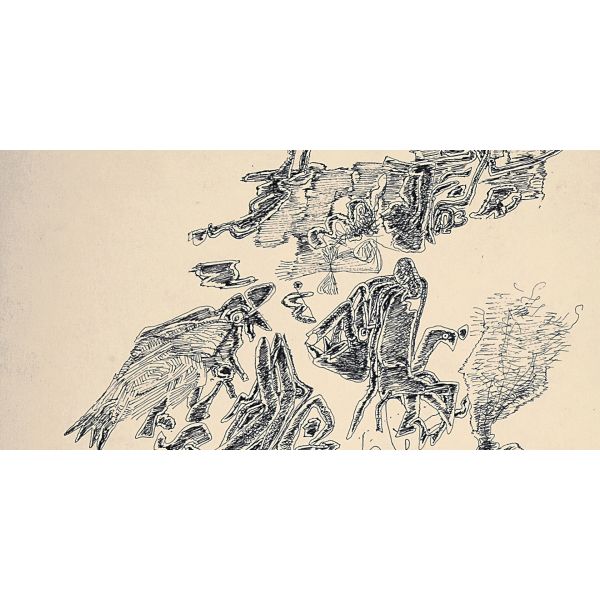
A well-known poet and essayist, Prayag Shukla is also one the foremost writers on art in Hindi. He has authored monographs on artists like J. Swaminathan, M. F. Husain and Ambadas, expanding upon these artists’ relationships with local institutions and contexts of art-making in India since the 1960s.
Learn More -
 ExhibitionsPrabhakar Barwe: Between Object and SpaceAs low as $1.00
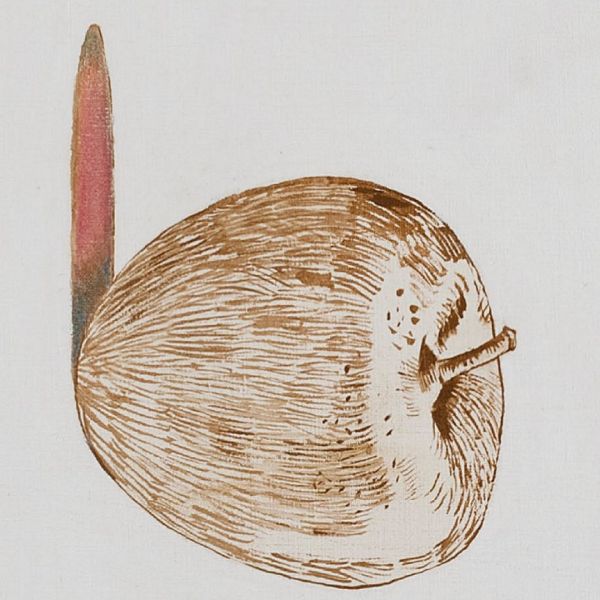
Prabhakar Barwe (1936-95) could well have ended up a theoretician whose book 'Kora Canvas' (Blank Canvas) was a manifesto that established the multi-dimensional relationship between an artist, the object on which he paints, and his subjects. That he was not just an intellectual scholar but an artist whose work speaks for him, is evident through a range of works in which Barwe dissects our understanding of the world and how we view it. Taking commonplace objects and our perception of their existence in the space they occupy, he shifts the dialogue to a point of discomfiture that makes us question our understanding of them. Using scale, discordant juxtapositions, and displacements, he reimagines the everyday in a manner that is thought-provoking, even provocative, as alternate realities—whether perceived or imagined.
Learn More -
 Events and ProgrammesMappa theke Manchitra$1.00
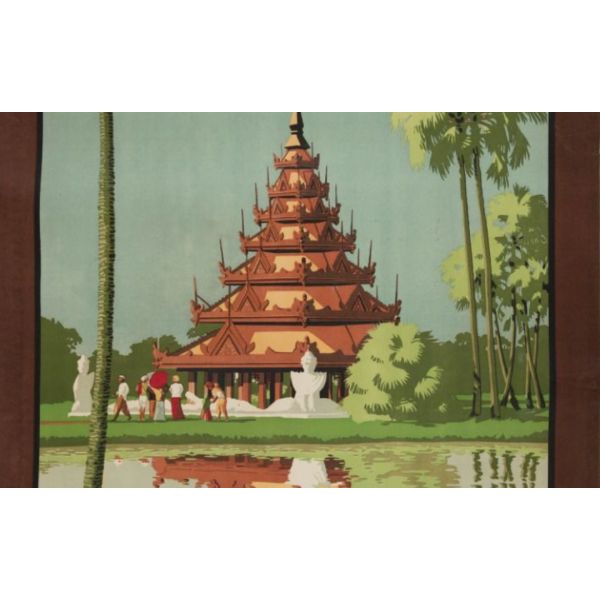
A guided walk of the first free circulating public library of India—Uttarpara Public Library—with researcher Sarbajit Mitra, traversing the history of regional literary cultures, and sifting through their vast archive to delve into the vibrant world of illustrated periodicals in colonial Bengal, followed by a poetry reading by Sujoy Prasad Chatterjee.
Learn More -
 Collection StoriesThe Afterlife of the Taj Gardens: Changes in the Landscape$1.00
Often described as ‘Poetry in Stone’, the Taj Mahal was laid out between 1631-43 by Mughal Emperor Shah Jahan as a mausoleum for his wife Mumtaz Mahal. It is the architectural elements of the Taj complex that grab the most attention, but in fact the garden is the heart of the complex . The visitors today are so transfixed by the Taj itself that they remember very little of the garden. DAG Archive attempts to illustrate the life and ‘afterlife’ of the Taj gardens, once its control was taken over by the British. This archive deep dive showcases the objects from A. E. P. Griessen’s (1875–1935) collection.
Learn More -
 ExhibitionsNatvar Bhavsar: HomecomingAs low as $1.00
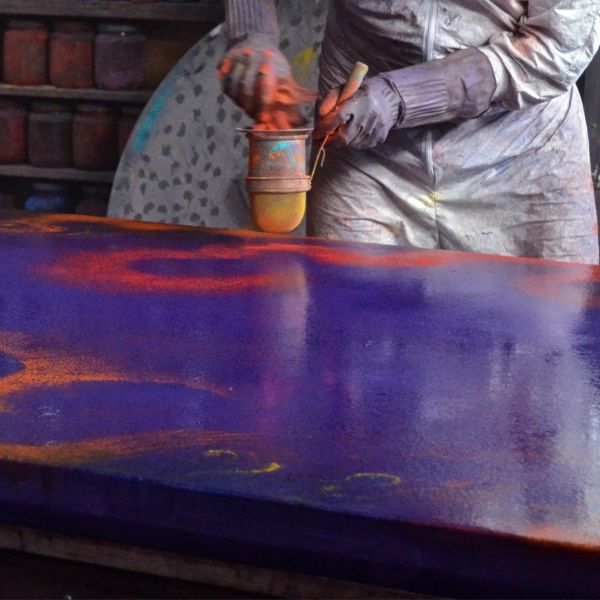
It is strange that Natvar Bhavsar, one of Indian art’s leading names, should never have been shown in India before. Having lived and worked in USA from 1962 onwards, it remains a mystery why his work has been seen in America but almost not at all in India. In spite of a few eminent collectors who have his work, Bhavsar has remained inexplicably ignored—an anomaly DAG is happy to correct with this seminal exhibition.
Learn More -