Search results for: 'hall and oates say it isn't so'
-
 ExhibitionsThe Wonder of IndiaAs low as $1.00
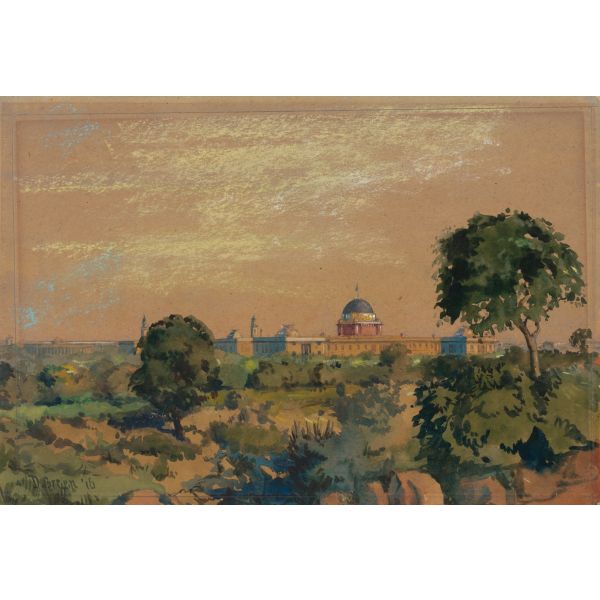
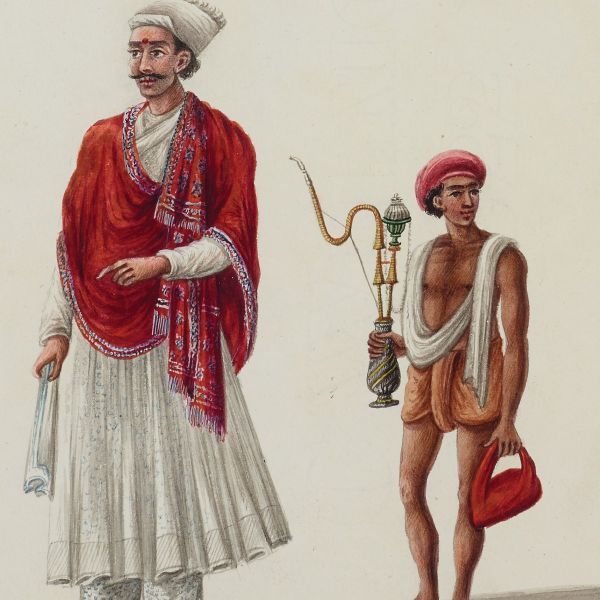
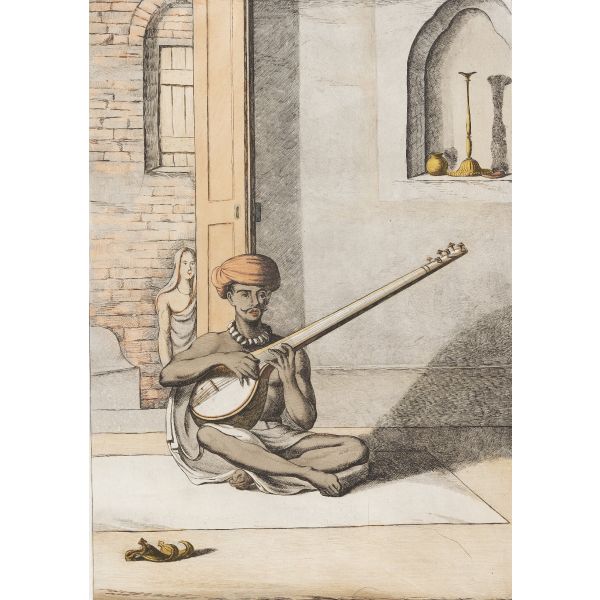
An ancient civilisation, India was always prized for her fabled wealth—textiles, crafts, spices—her knowledge—literature, scholarship, universities—and her culture—music, dance, theatre, art. It is the only country with an unbroken tradition in each of these disciplines extending all the way back to the Indus Valley Civilisation. Ambadas Anonymous (Kalighat Pat) Arun Bose Asit Kumar Haldar Avinash Chandra B. Prabha Balraj Khanna Bikash Bhattacharjee Bimal Dasgupta Biren De Chittaprosad Company Painting D. P. Roy Chowdhury Early Views of India G. R. Santosh Ganesh Haloi Himmat Shah J. Sultan Ali Jamini Roy Jeram Patel K. S. Kulkarni Krishna Reddy L. Munuswamy M. F. Husain M. Suriyamoorthy Natvar Bhavsar Nikhil Biswas P. T. Reddy Paritosh Sen Prodosh Das Gupta Prokash Karmakar Prosanto Roy Rabin Mondal Rajendra Dhawan S. G. Vasudev Sakti Burman Sanat Kar Sankho Chaudhuri Satish Sinha Shanti Dave Shyamal Dutta Ray Sunayani Devi Sunil Das Sunil Madhav Sen V. Viswanadhan
Learn More -
 ExhibitionsManifestations 5: 75 ArtistsAs low as $1.00
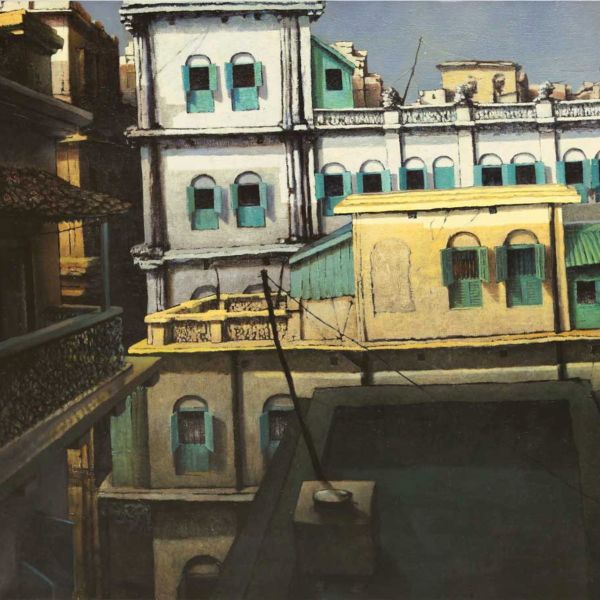
The fifth edition in the Manifestations series continues the tradition of showcasing the very best of Indian modern art. Seventy-five artists feature in Manifestations 5, bringing together the country’s best known and most established modern artists. To reduce the work of one whole century (give or take a few decades more or less) could be flawed, for this most dynamic period in Indian art history covers many genres, styles, mediums, and influences, and is difficult to paraphrase, especially in the absence of a theme for the collection. It is for this reason that the selection has to be incisive, open to change till the very end, where the addition, or deletion, can change the contextual bird’s eye-view we hope to provide in every series. The exhibition is accompanied by our traditional publication that helps to create a comprehensive understanding about the exhibition’s curatorial decisions. A. H. Muller Altaf Ambadas Amit Ambalal Amitava Arpita Singh Avinash Chandra Badri Narayan Bhupen Khakhar Bikash Bhattacharjee Bimal Dasgupta Biren De Bireswar Sen C. Douglas Chintamani Kar Chittaprosad D. P. Roy Chowdhury Dhanraj Bhagat Dharamnarayan Dasgupta F. N. Souza G. R. Santosh Ganesh Haloi Ganesh Pyne Gogi Saroj Pal Gopal Ghose Himmat Shah Indra Dugar J. C. Seal J. Sultan Ali J. Swaminathan Jamini Roy Jeram Patel Jogen Chowdhury Jyoti Bhatt K. C. S. Panicker K. H. Ara K. K. Hebbar K. Laxma Goud K. S. Kulkarni Krishen Khanna Kshitindranath Majumdar L. Munuswamy Lalu Prasad Shaw Laxman Pai M. F. Husain M. V. Dhurandhar Nandalal Bose Navjot Nikhil Biswas P. Khemraj Paritosh Sen Partha Pratim Deb Prabhakar Barwe Prodosh Das Gupta Prokash Karmakar Prosanto Roy Rabin Mondal Rabindranath Tagore Rameshwar Broota Ramkinkar Baij Rekha Rodwittiya S. H. Raza S. L. Haldankar Satish Gujral Shobha Broota Sohan Qadri Sunil Das Sunil Madhav Sen Surendran Nair V. S. Gaitonde Vasudha Thozhur Ved Nayar Viswanadhan Vivan Sundaram Zarina Hashmi
Learn More -
 Art FairsMasterpiece$0.00
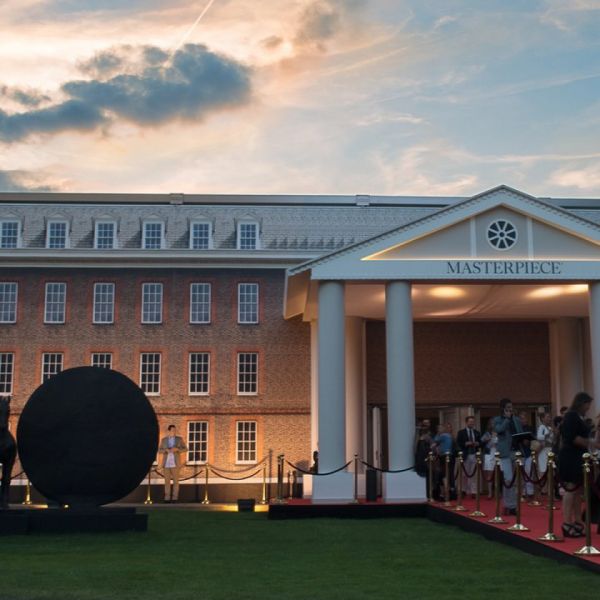
DAG’s second outing at Masterpiece London, the prestigious fair for everything from exceptional jewellery, furniture and antiquities to works of art held annually at Chelsea, was marked by outstanding inclusions of works by modern masters. The showstopper was a massive sized British Raj - Procession by M. F. Husain (one of two works, the other being his Theorem II) that grabbed everyone’s attention, but equally hypnotising were paintings by Natvar Bhavsar (Eketak), George Keyt (Two Women Amid Plants), F. N. Souza’s fabulous Temple Dancer, tantra-based paintings by G. R. Santosh, Prabhakar Barwe and a work in relief by Satish Gujral. Bikash Bhattacharjee Natvar Bhavsar Avinash Chandra K. K. Hebbar M. F. Husain Ranbir Singh Kaleka George Keyt Krishen Khanna Jehangir Sabavala G. R. Santosh F. N. Souza
Learn More -
 Art FairsArt Dubai$0.00
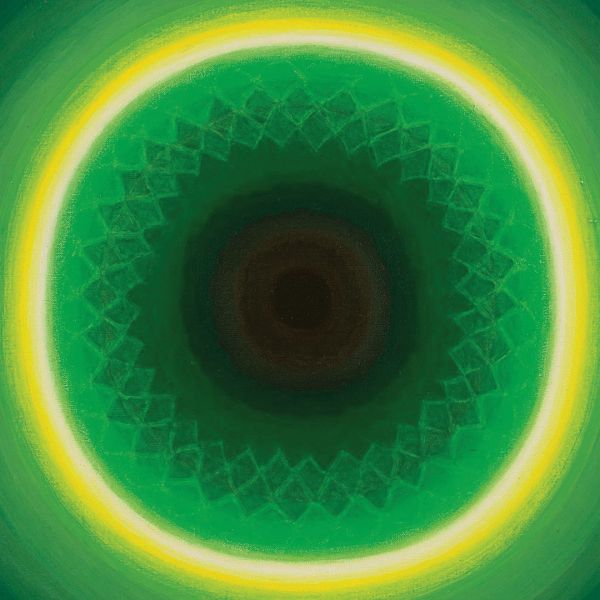
For its debut participation in the modern section of Art Dubai 2017, DAG focussed on the unconventional theme of Neo-Tantra as a way of bringing India’s unique school of abstraction to global attention. The booth featured works by two of the country’s leading practitioners of this school—G. R. Santosh and Biren De. The stunning, colour- and energy-filled canvases drew all eyes towards itself, making it the singularly most-visited booth in the section.
Learn More -
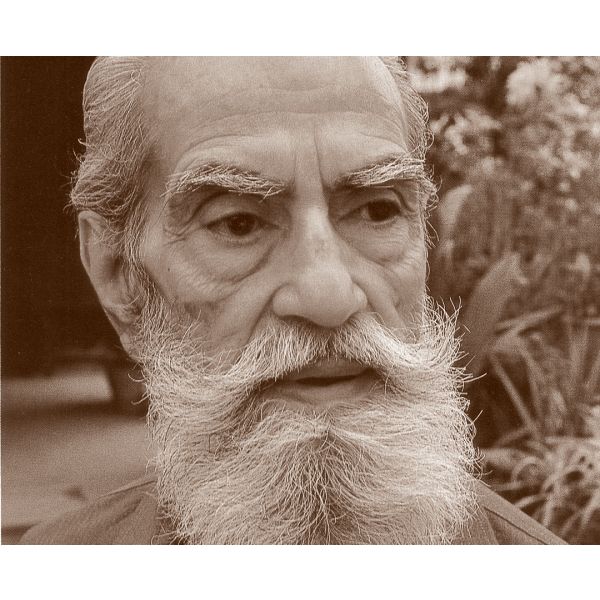 ArtistsB. C. Sanyal$0.00Bhabhesh Chandra Sanyal lived a unique life in the world of Indian art, witnessing the huge arc it cut across the twentieth century—he was born when the revivalist Bengal School was beginning to bloom, and by the time he passed away, modern Indian art had gone global and carved an international art market for itself. Learn More
 -
 Institutional CollaborationsGhare Baire: The World, the Home and Beyond 18th – 20th Century Art in Bengal$1.00
Ghare Baire was a museum-exhibition showcasing over 200 years of art in Bengal. Presented by DAG in collaboration with the National Gallery of Modern Art and the Archaeological Survey of India, the exhibition was housed at the historic Currency Building, across twelve galleries featuring over 700 artworks. The exhibition was the largest showcase of Bengal Art, presenting a panoramic view of the evolution of art in a region that has been critical to the development of Indian modern art. The exhibition starts with the arrival of the travelling European artists at a time of exchange between Bengal and the world. This confluence of cultures stimulated new visual languages as we see in the Kalighat pat, the Bengal School, and the subsequent emergence of artists who fearlessly and freely experimented with form and subject, reshaping the trajectory of art in India.
Learn More -
 JournalSearching for the ‘Inner Form’ in Prabhakar Barwe’s Blank Canvas$0.00
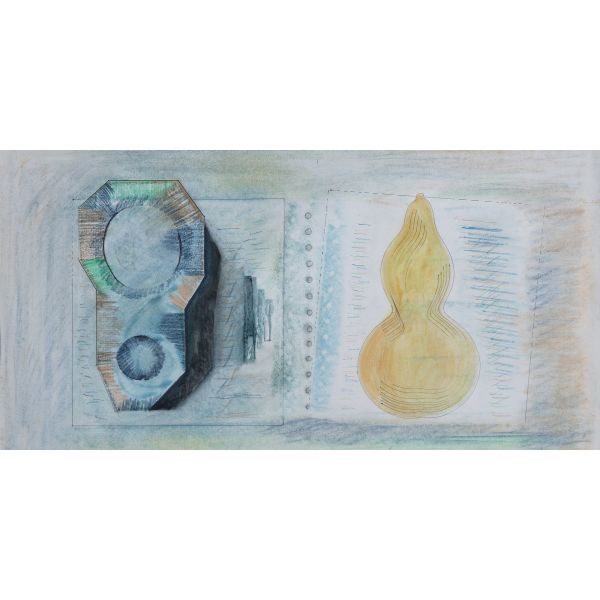
Artists have often formulated their theories and observations to analyse and become aware of the cognitive modes of art making, and to associate with broader contemporaneous art movements. These manifestos become a window into an artist’s process. Prabhakar Barwe’s seminal treatise, <i>Kora Canvas</I> (The Blank Canvas, 1989), exemplifies his deep understanding of the fundamental elements of art and keen observations of nature and his surroundings.
Learn More -
-
-
 Art FairsFrieze Seoul 2024$1.00
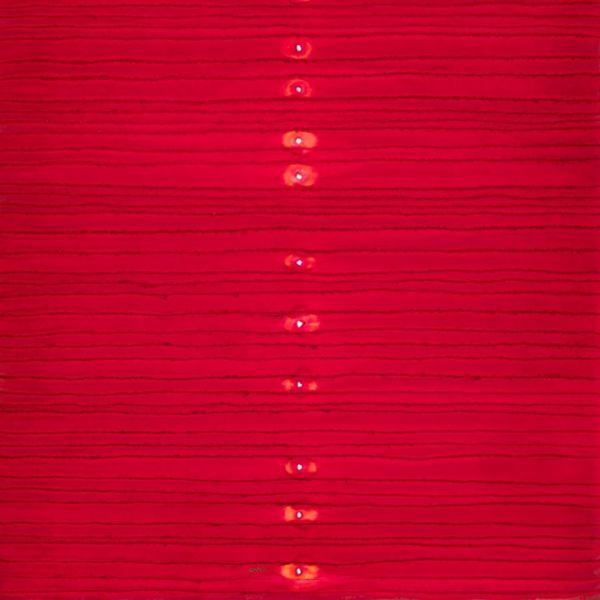
Steeped in sacred iconography particular to the Indian artist, Sohan Qadri (1932-2011), whose practice in Copenhagen brought him international renown, the ink and dye works represent the artist’s modernist vocabulary – minimalist, rendered in vibrant colours, with a tactile dimensionality that established him as a twentieth century painter whose legacy has impacted viewers around the world. Perhaps no other Indian artist has been as widely collected as Sohan Qadri.
Learn More -
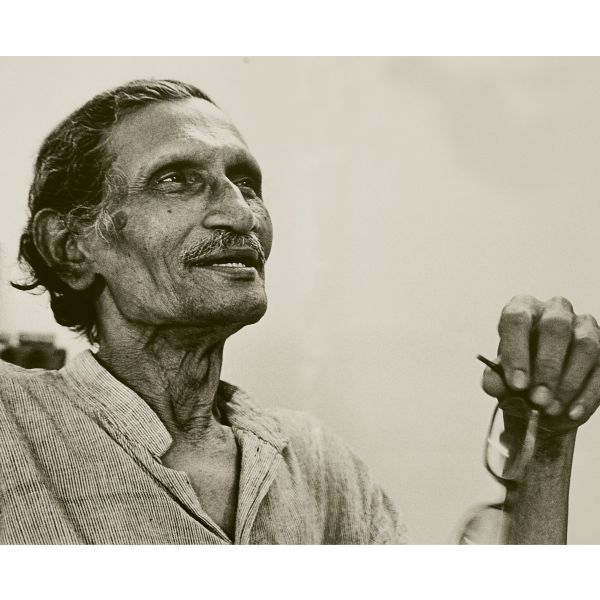 ArtistsRabin Mondal$0.00The son of a mechanical draughtsman, Mondal took to drawing and painting at the age of twelve when he injured his knee and was confined to bed. The Bengal famine of 1943 and the Calcutta communal riots of 1946 deeply impacted his psyche; he joined the Communist Party and became an activist. Mondal’s final refuge was art as the ultimate weapon of protest. Learn More