


Search results for: 'arrival m f hussain'
-
 Art FairsArt Basel$0.00
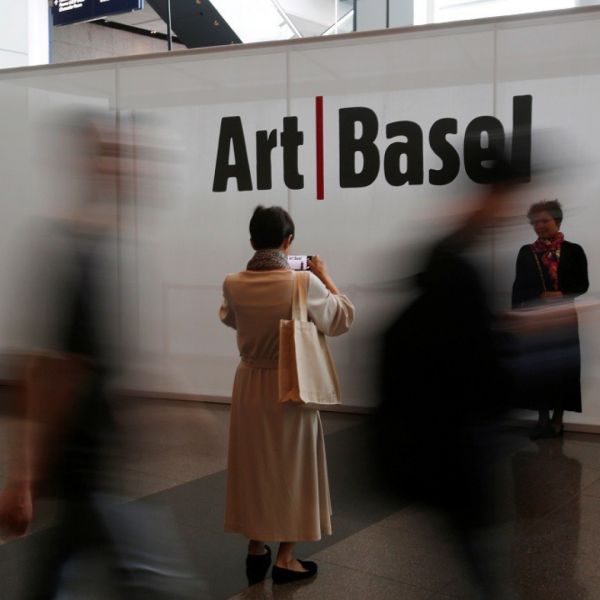
DAG’s booth at Art Basel Hong Kong at its second outing there consolidated its gains from the previous edition by building on the artists it had first presented at the seminal fair. It matched the fair’s focus of a vibrant Asian art with its premier selection of Indian modern art of the twentieth century. The selection presented twenty-five of the most significant Indian modern artists—consisting of painters and sculptors, figurative and abstract artists—who, with the innovations they brought to their art, contributed significantly to the rich diversity and expanse of Indian modern art as we know it today. Akbar Padamsee Ambadas Avinash Chandra B. Prabha Bikash Bhattacharjee Biren De F. N. Souza G. R. Santosh George Keyt Himmat Shah J. Sultan Ali K. H. Ara K. K. Hebbar K. Laxma Goud Krishen Khanna Laxman Pai M. F. Husain N. S. Bendre Rabin Mondal Ram Kumar S. H. Raza S. K. Bakre Sakti Burman Sohan Qadri Sunil Das
Learn More -
 Institutional CollaborationsIndia Modern: Narratives from 20th Century Indian Art$1.00
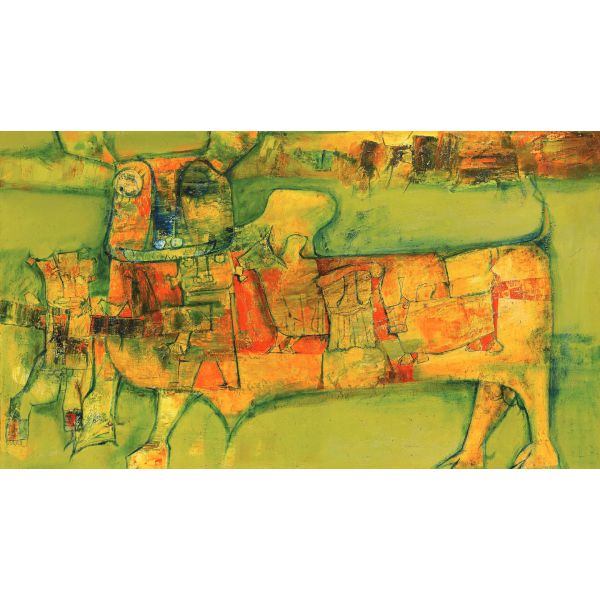
This exhibition takes us on a journey into the lives and works of artists from a diverse range of traditions and practices. Despite differences in technique, philosophy and politics, they are united by an attempt to forge a new language of Indian art which rebels against existing visual vocabularies while seamlessly combining influences from European modernism and the rich history of visual arts from South Asia. This assimilation is achieved in different ways. From M. F. Husain’s figurative renditions of Indian deities to the many languages of abstraction developed by artists like Ram Kumar, Ganesh Haloi and others—we see artists responding variously to the socio-cultural problems of a post-colonial nation.
Learn More -
 Art FairsMasterpiece$0.00
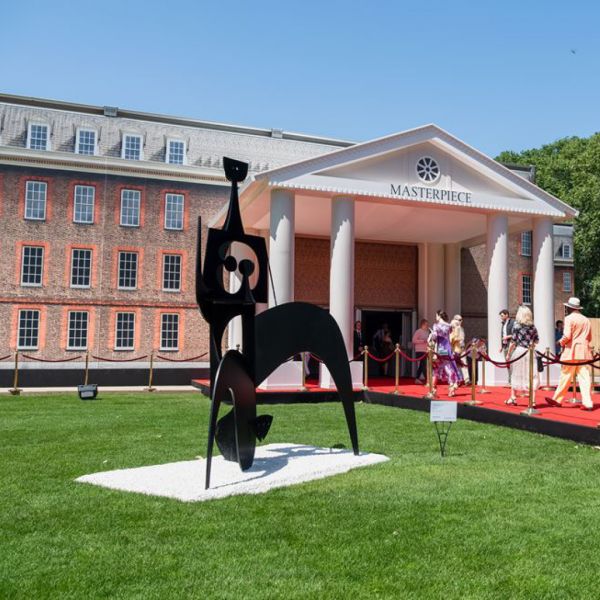
For the third year running, DAG participated at the Masterpiece London 2018, the UK’s leading cross collecting fair for art, design and collectibles. For this edition, DAG’s focus was sharper, and created a narrative for Indian modern art that addressed a sophisticated, discerning audience. Bikash Bhattacharjee F N Souza G R Santosh Jamini Roy Krishen Khanna M F Husain Rabin Mondal Ram Kumar Rameshwar Broota Shanti Dave Tyeb Mehta
Learn More -
 Art FairsMasterpiece$0.00
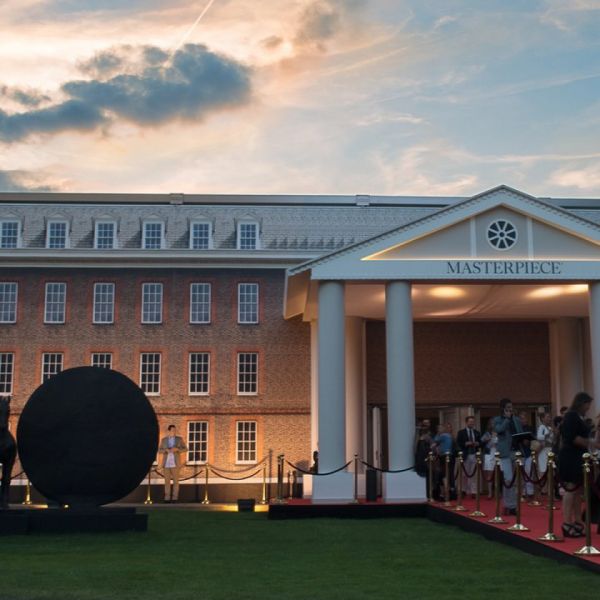
DAG’s second outing at Masterpiece London, the prestigious fair for everything from exceptional jewellery, furniture and antiquities to works of art held annually at Chelsea, was marked by outstanding inclusions of works by modern masters. The showstopper was a massive sized British Raj - Procession by M. F. Husain (one of two works, the other being his Theorem II) that grabbed everyone’s attention, but equally hypnotising were paintings by Natvar Bhavsar (Eketak), George Keyt (Two Women Amid Plants), F. N. Souza’s fabulous Temple Dancer, tantra-based paintings by G. R. Santosh, Prabhakar Barwe and a work in relief by Satish Gujral. Bikash Bhattacharjee Natvar Bhavsar Avinash Chandra K. K. Hebbar M. F. Husain Ranbir Singh Kaleka George Keyt Krishen Khanna Jehangir Sabavala G. R. Santosh F. N. Souza
Learn More -
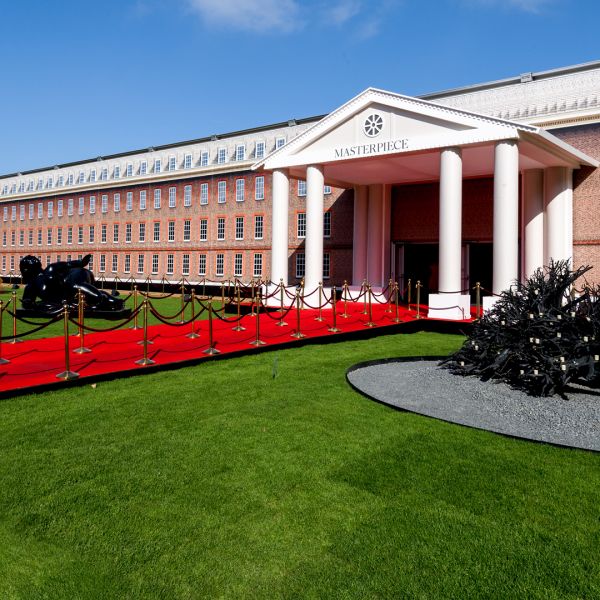 Art FairsMasterpiece$0.00
DAG debuted at the prestigious London fair in its seventh edition held in 2016. The gallery exhibited a delectable range by modern Indian masters such as Hemen Mazumdar, Rabindranath Tagore, F. N. Souza, G. R. Santosh and Avinash Chandra. Works on display included expressionist paintings by Rabindranath Tagore, metal sculptures by S. K. Bakre, erotica-inspired art by Avinash Chandra and Hemen Mazumdar, and tantric meditations of S. H. Raza and G. R. Santosh. The museum-quality show was executed along with an event-specific publication. Avinash Chandra Bikash Bhattacharjee Dhanraj Bhagat F. N. Souza G. R. Santosh Hemendranath Mazumdar Kshitindranath Majumdar M. F. Husain Rabindranath Tagore Radha Charan Bagchi Ramkinkar Baij S. K. Bakre S. H. Raza F. N. Souza George Keyt Jehangir Sabavala K. K. Hebbar Krishen Khanna Natvar Bhavsar Ranbir Kaleka Rameshwar Broota Krishen Khanna Ram Kumar Tyeb Mehta Rabin Mondal Jamini Roy
Learn More -
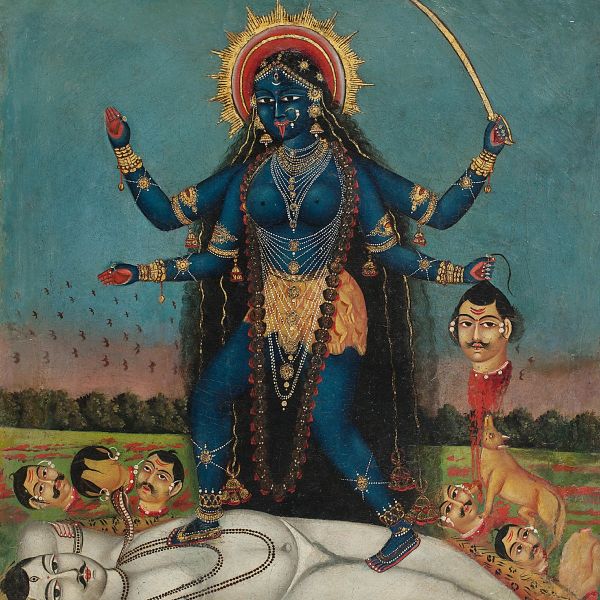 ExhibitionsThe Art of BengalAs low as $1.00
The contribution of the first renaissance capital of the country—Bengal—to Indian art and its development is longstanding, enormous and continued. As one of the largest repositories of Bengal art of the past two centuries, DAG is extremely pleased to announce its major exhibition. 19th Century Popular Paintings 19th Century Popular Prints Abani Sen Abanindranath Tagore Ajit Gupta Amalnath Chakladhar Amitabha Banerji Annada Prasad Bagchi Arun Bose Asit Haldar Atul Bose B C Law B. C. Sanyal Bampada Bandhopadhay Benjamin Hudson Benode Behari Mukherjee Bijan Choudhary Bikash Bhattacharjee Bipin Behari Goswami Biren De Bireswar Sen Biswanath Mukerji Chintamoni Kar Chittaprosad D. P. Roy Chowdhury Das Sunil Bimal Dasgupta Dharamnarayan Dasgupta Dhiraj Chowdhury Dhirendra Deb Burman Dipen Bose Early Bengal Oil Artists Gaganendranath Tagore Ganesh Haloi Ganesh Pyne Gobardhan Ash Gopal Ghoshe Gopal Sanyal Haren Das Hemanta Misra Hemendranath Majumdar Heramba Kumar Ganguly Hirachand Dugar Hiranmoy Roychaudhuri Indra Dugar Isha Mahammad J. P. Gangooly Jamini Roy Jogen Chowdhury Jogesh Chander Seal K. G. Subramanyan Kalighat Patuas Kalikinkar Ghosh Dastidar Kalipada Ghoshal Kartick Chandra Pyne Khagen Roy Kishory Roy Kshitindranath Majumdar Lalit Mohan Sen Lalu Prasad Shaw M. A. R. Chughtai Maniklal Banerjee Manishi Dey Meera Mukherjee Mukul Dey Nabin Chandra Ghosh Nandalal Bose Nikhil Biswas Nirode Majumdar Olinto Ghilardi Paritosh Sen Partha Pratim Deb Prahlad Karmakar Prankrishna Pal Prodosh Das Gupta Prokash Karmakar Prosanto Roy Rabin Mondal Rabindranath Tagore Radhacharan Bagchi Ramananda Bandhopadhyay Ramendranath Chakravorty Ramgopal Vijaivargiya Ramkinkar Baij Ranada Charan Ukil – Ranada Prasad Gupta Rathin Maitra Sailendranath Dey Sailoz Mukherjea Sakti Burman Samarendranath Gupta Sanat Kar Sankho Chaudhuri Sarada Chandra Ukil Sarbari Roy Chowdhury Satish Chandra Sinha Shuvaprasanna Shyamal Dutta Ray Somnath Hore Sudhir Ranjan Khastgir Suhas Roy Sunayani Devi Sunil Madhav Sen Surendranath Ganguly Surendranath Kar Sushil Chandra Sen Zainul Abedin
Learn More -
 ExhibitionsRabin Mondal: Kingdom of ExileAs low as $1.00
Rabin Mondal is like a striding colossus of our times, scorching up the firmament with images that reflect societal malaise and his own inner turmoil. His determination to paint in a market-unfriendly manner is characteristic of his resolve. His canvases provide no safety net for the unwary viewer. Here is a confident artist aware of his self and his role with no fig leaf to offer those seeking beauty in art—not that his work is unbeautiful.
Learn More -
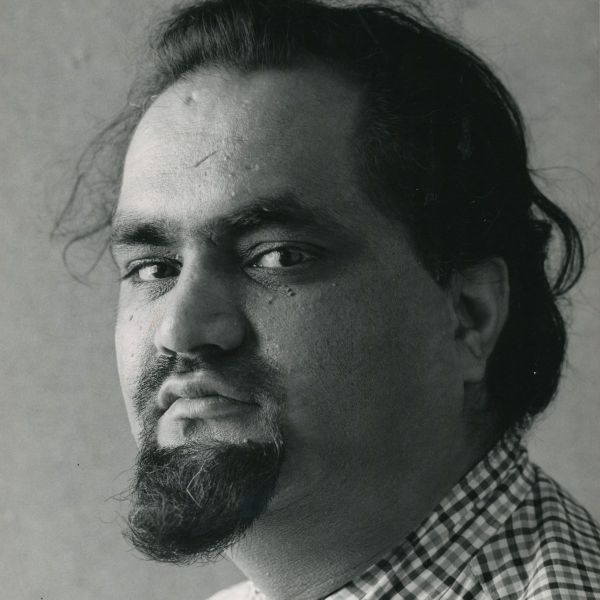 ExhibitionsAvinash Chandra: HumanscapesAs low as $1.00
This is the first-ever retrospective of the Indian modern artist Avinash Chandra who lived most of his life in the West, in London and New York. The artist, who had trained in New Delhi, left soon after for London, and most of his practice was limited to London and New York, the two cities he called his home till his unfortunately early death in 1991. In the roughly three-and-a-half decades of his career, Avinash’s work changed amazingly, reflecting his environment and milieu as he grew and adapted to cities vastly different from their Indian counterparts, with their own sub-cultures. That this happily coincided with a discovery of India, however superfluously, as a land of spirituality and sexuality, seemed to serve him well as his muse.
Learn More -
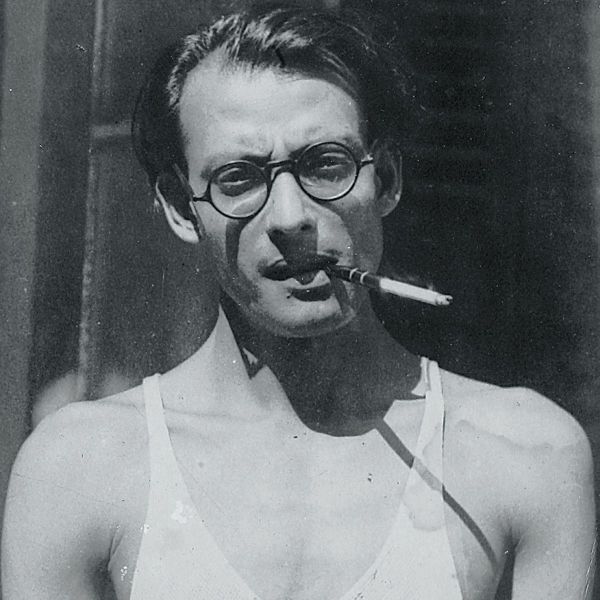 ExhibitionsChittaprosadAs low as $1.00
One of India’s most important artists, Chittaprosad recorded pivotal political and social movements in the country, such as the Great Bengal Famine of 1943-44 and its fallout, in heart-wrenching sketches and drawings, alongside protests against colonialism, economic exploitation, urban poverty and depravity, just as beautifully as the many drawings, linocuts and scraper board illustrations he made for children, recording a beatific phase of plenitude and family values, and involving himself with marionettes for their entertainment.
Learn More -
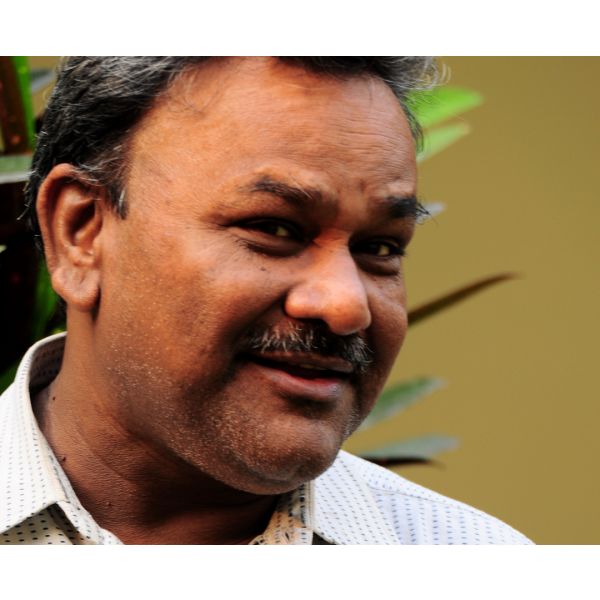 ArtistsMadan Lal Gupta$0.00Modernist sculptor Madan Lal Gupta is as much known for his constantly evolving experimental practise as for Ram Chhatpar Shilp Nyas, a trust he founded in 1989 in Varanasi for the promotion of contemporary arts and classical music, in memory of his guru, Ram Chhatpar, who passed away at the age of forty-four in 1978. Learn More
 -
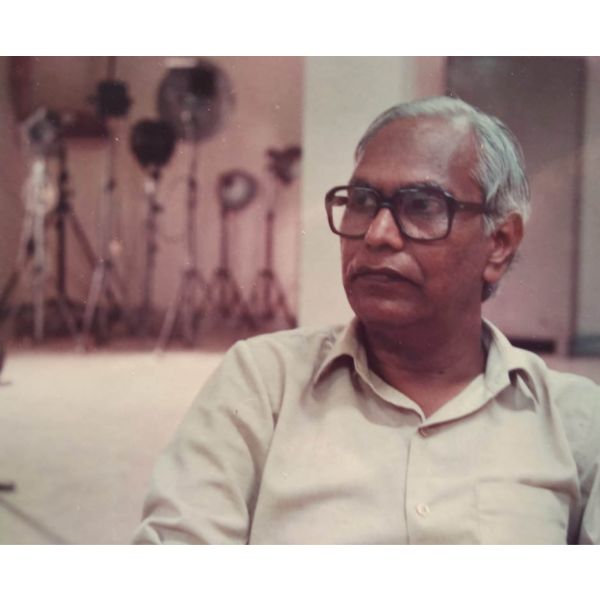 ArtistsMuni Singh$0.00Born in Shivpur Diyar in Ballia district of Uttar Pradesh, Muni Singh studied at College of Art, Lucknow. In 1963, he received formal training in fresco-making from Banasthali Vidyapith, Rajasthan. A contemporary of Badri Nath Arya, R. S. Bisht, and Sanat Chatterjee, Singh’s preferred medium was watercolour. He mastered the miniature style of painting—Mughal, Rajput, and Pahari—and translated it into his own idiom and technique. Learn More
 -
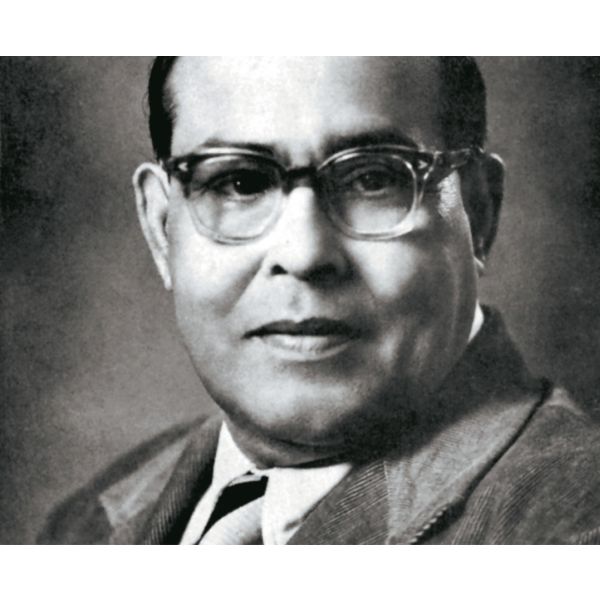 ArtistsMukul Dey$0.00India’s first creatively trained printmaker and pioneer of dry point etching in the country, Mukul Chandra Dey was born on 23 July 1895 in Sridharkhola, Bengal. He joined Santiniketan’s Brahmacharya Ashram school at the age of eleven and trained in art under the Tagore family stalwarts, becoming a close associate of Abanindranath Tagore. Learn More