


Search results for: 'Looking for info on a'
-
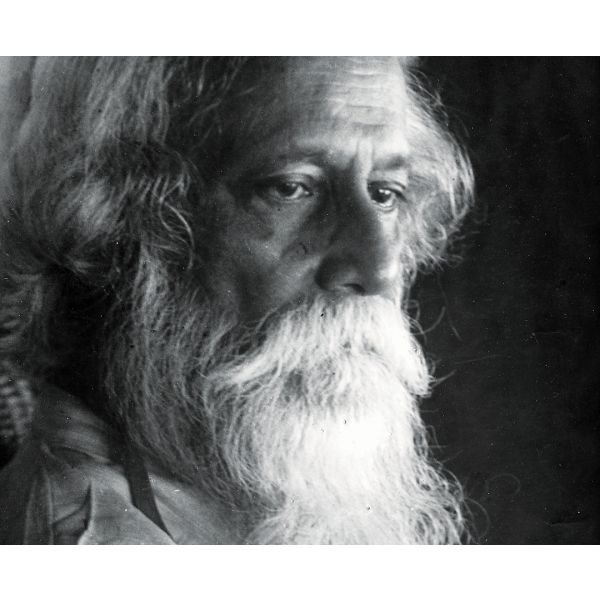 ArtistsRabindranath Tagore$0.00
Poet, novelist, musician, playwright, and Asia’s first Nobel Prize awardee—which he won for literature in 1913—Rabindranath Tagore was born on 7 May 1861, and took to painting and drawing only in his sixties.
Learn More -
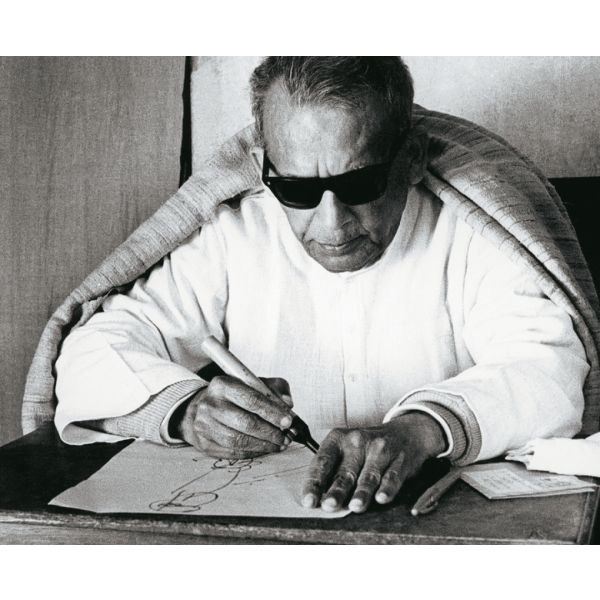 ArtistsBenode Behari Mukherjee$0.00Born on 7 February 1904, in Behala, Bengal, Benode Behari Mukherjee joined Santiniketan in 1917, and Kala Bhavana in 1919, where he was one of the first students of Nandalal Bose. A congenitally impaired vision that denied him normal schooling and resulted in a lonely childhood, brought him close to nature and had a deep impact on his art. Learn More
 -
 Institutional CollaborationsGhare Baire: The World, the Home and Beyond 18th – 20th Century Art in Bengal$1.00
Ghare Baire was a museum-exhibition showcasing over 200 years of art in Bengal. Presented by DAG in collaboration with the National Gallery of Modern Art and the Archaeological Survey of India, the exhibition was housed at the historic Currency Building, across twelve galleries featuring over 700 artworks. The exhibition was the largest showcase of Bengal Art, presenting a panoramic view of the evolution of art in a region that has been critical to the development of Indian modern art. The exhibition starts with the arrival of the travelling European artists at a time of exchange between Bengal and the world. This confluence of cultures stimulated new visual languages as we see in the Kalighat pat, the Bengal School, and the subsequent emergence of artists who fearlessly and freely experimented with form and subject, reshaping the trajectory of art in India.
Learn More -
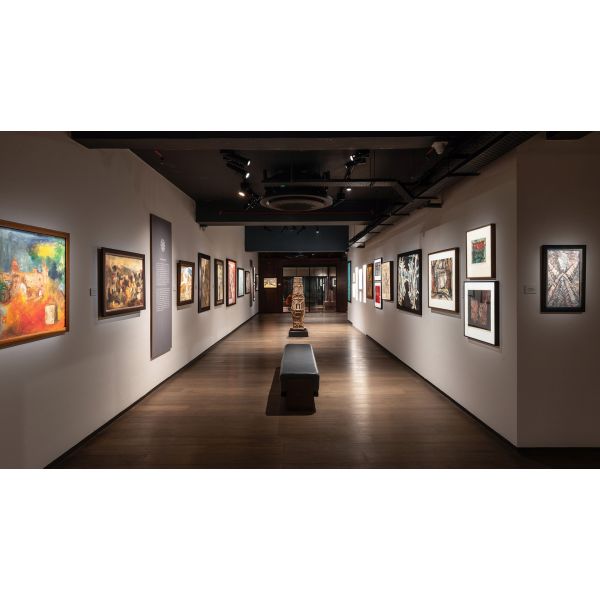 ExhibitionsArt Exhibitions$0.00
DAG has been a pioneer in curating exhibitions that have historical significance. These have ranged from themes around different genres and art movements to artist retrospectives as well as engagements with forgotten masters. Most exhibitions are sourced from its own inventory and in recent years DAG has begun to explore eighteenth and nineteenth century art and artists in addition to its presence as a stakeholder of twentieth century art. Exhibitions are routinely organised at its galleries in New Delhi, Mumbai, and New York, as well as in collaboration with museums and other institutions. All exhibitions are accompanied by well researched and designed books, adding considerably to the documentation of Indian art history.
Learn More -
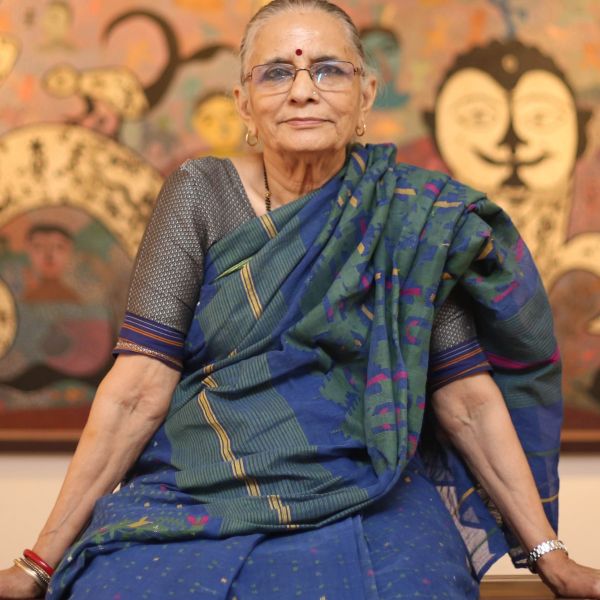 ExhibitionsMadhvi Parekh: The Curious SeekerAs low as $1.00
Spanning five decades of her painterly career, this retrospective includes iconic works by Madhvi Parekh which represent every phase of her illustrious career. The show also includes rare drawings and paintings from the 1960s, when the influence of Paul Klee’s abstraction on her early work was evident. Given the solid representation of Parekh’s paintings from every decade, the exhibition allows viewers to see the continuity in her vision and focus.
Learn More -
 ArtistsCompany Paintings$0.00
Ethnographic mapping and documentation of a vast country like India was an important part of the political and economic expansion of the East India Company from the middle of the seventeenth century onwards.
Learn More -
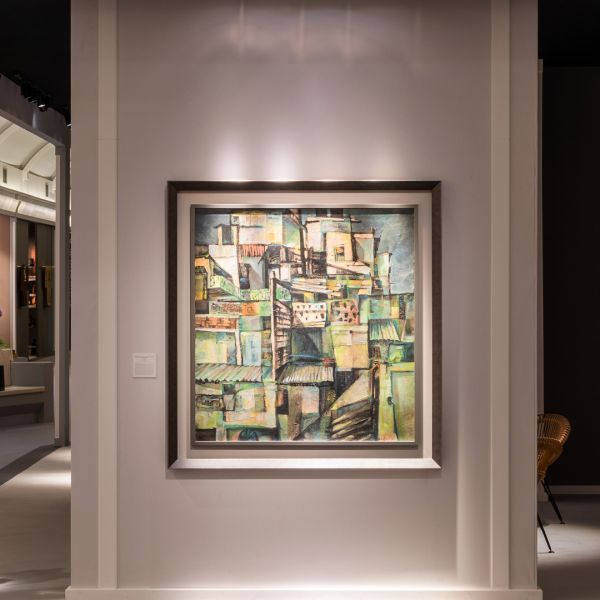 Art FairsMasterpiece$0.00
For its fourth consecutive outing at Masterpiece London, DAG continued with the tradition of showing artists who had grown in appeal at the city’s truly cross-collecting ‘masterpiece’ fair, but with enough surprises to interest even the most fair-hardened visitor. From a large and vivid G. R. Santosh to a collection of small-sized Bireswar Sen watercolours, the selection was sensitively curated keeping in mind the cosmopolitan nature of London city and the visitors to the fair. Along with the Progressives, the exhibition included one of the finest sculptures created by Adi Davierwalla, remarkable paintings by Tyeb Mehta, Bikash Bhattacharjee, J. Sultan Ali, Avinash Chandra, and Hemen Mazumdar. As always, the emphasis in the booth lay in creating a rarefied visitor experience in which a handful of works allowed visitors to enjoy them at leisure without causing visual fatigue. The response was overwhelming. G. R. SANTOSH BIRESWAR SEN MADHVI PAREKH S. H. RAZA F. N. SOUZA TYEB MEHTA J. SULTAN ALI DHANRAJ BHAGAT BIKASH BHATTACHARJEE AVINASH CHANDRA SHANTI DAVE ADI DAVIERWALLA SATISH GUJRAL HEMEN MAZUMDAR SOHAN QADRI BIREN DE
Learn More -
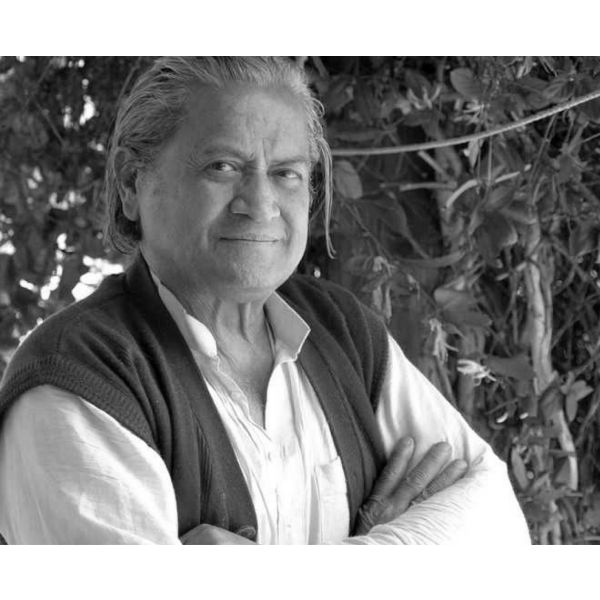 ArtistsSanat Chatterjee$0.00One of the last proponents of the Bengal School, Sanat Kumar Chatterjee was born in 1935 in Lucknow, and grew up in various cities of British India as his father had a transferable job with Indian Railways. Encouraged by his parents, he obtained a diploma in fine arts from the Government College of Arts and Crafts, Lucknow, in 1960. Learn More
 -
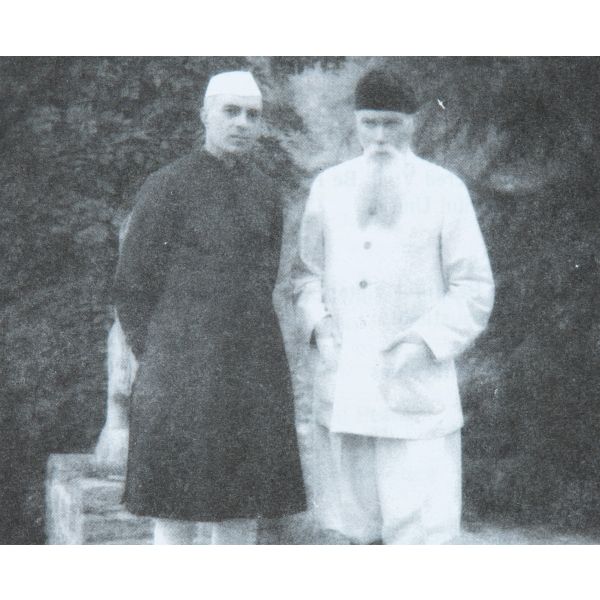 ArtistsNicholas Roerich$0.00One of the nine National Treasure artists of India, Russia-born Nicholas Roerich was not just a painter but a stage designer for ballets, an explorer, writer, and philosopher. As a painter, he is best remembered for his ethereal paintings of the mist-laden and wispy Himalayas, done mostly in tempera or oil. These paintings remain some of the best works celebrating the mighty mountain range. Learn More
 -
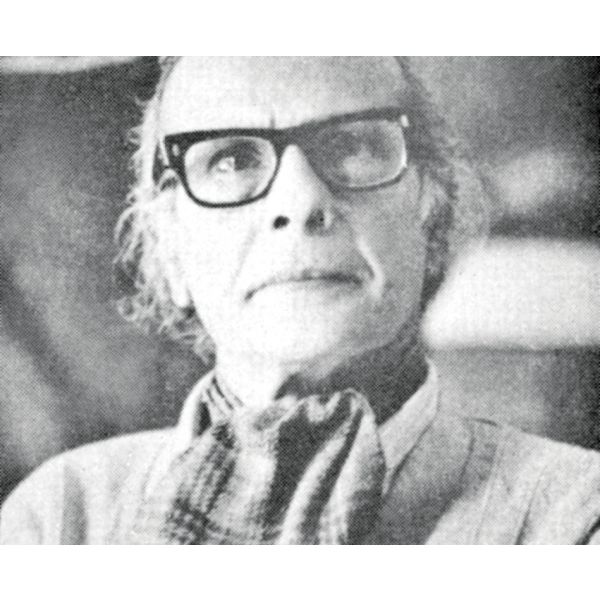 ArtistsHemanta Misra$0.00One of the pioneers of surrealism in Indian modern art, Hemanta Misra was born in Sivasagar, Assam, on 13 October 1917. He went to school in his hometown and later studied at Cotton College, Guwahati, and St. Edmund’s, Shillong. As for the arts, he was self-taught, polishing his skills through a correspondence course with British artist John Hassal. Learn More
 -
 JournalThe Poet (Head of Rabindranath Tagore) by Ramkinkar Baij$1.00
Ramkinkar Baij is rightfully described as India’s first modernist sculptor for his pathbreaking use of cement and laterite as material, his choice of subjects and scale in public art projects, and his unconventional development of ideas.
The Poet is an abstract portrait of Rabindranath Tagore, imagined through negative spaces, concaves and convexes forming the eyes in a hollowed head, a masterclass in Baij’s cubist vocabulary. The portrait shared almost no physical attributes with the subject, instead focusing on distorting Tagore’s visage to give us insights into the state of his mind.
Learn More -
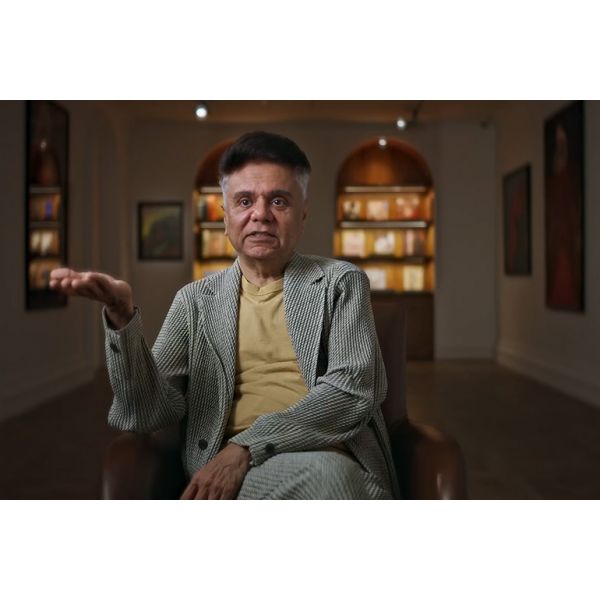 JournalIn the Snows of Kashmir by G. R. Santosh$1.00
G. R. Santosh created a hugely accomplished career without formal training in art. His abstract paintings made in the early 1960s had Kashmir as his muse, and often used encaustic and beeswax—a process he learned from Shanti Dave. Architect and designer Pinakin Patel shares his views about In the Snows of Kashmir, Santosh’s masterful painting with textural relief in a monochrome palette.
Learn More