


Search results for: 'capital de SC'
-
 JournalUntitled (Tigers) by Amrita Sher Gil$1.00
The birth of Amrita Sher-Gil to an Indian father and Hungarian mother bequeathed to the nation one of its most incandescent artists. Known for her luminous paintings, her work changed the face of modern Indian art and paved the course it was to take in the country. In a rare sculpture of tigers made, poignantly enough, in the last year of her life, Amrita Sher-Gil is revealed as someone exploring new directions before her tragic demise in 1941.
Learn More -
 JournalThe Last Effort and Fall of Tippoo Sultaun by Henry Singleton$1.00
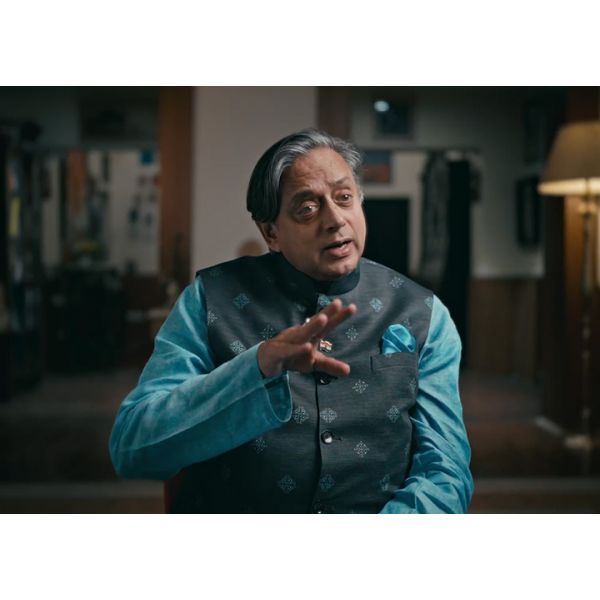
Henry Singleton’s The Last Effort and Fall of Tippoo Sultaun belongs to a genre known as history painting: the depiction of important historical events, usually on a large scale, as if they were playing out in front of one’s eyes. Author and parliamentarian Shashi Tharoor and art historian Giles Tillotson explain the lively imagination deployed in Singleton’s painting that depicts the British assault on Seringapatam and the killing of its ruler, Tipu Sultan—himself the source of so many stories that it was difficult to unravel the truth from the many falsities spun by the biased colonial administration and historians of the time.
Learn More -
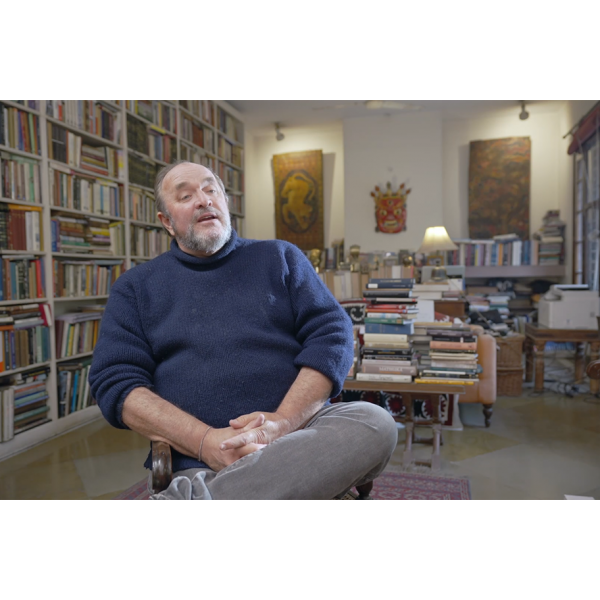 JournalWilliam Dalrymple on ‘Panorama of a Small British Station on the Ganges’$0.00
'Iconic Masterpieces of Indian Modern Art, Edition 2' opened on 11 February, featuring fifty artworks which shaped the trajectory of pre-modern and modern art in the country. As part of the exhibition, William Dalrymple reflects on the painting ‘Panorama of a Small British Station on the Ganges’. Commissioned by Major James Natheniel Rind and painted like a scientific record of a scenario, the composition evokes a transitional phase between an older Mughal ethos and the emerging world of the Company.
Join us for a talk by William Dalrymple on Indian Painting for the East India Company on Wednesday, 5th April 2023, 7pm at DAG, 22A Janpath Road, Windsor Place, New Delhi
Learn More -
 JournalGiles Tillotson on Thomas Daniell$0.00'Iconic Masterpieces of Indian Modern Art, Edition 2' opened on 11 February, featuring fifty artworks which shaped the trajectory of pre-modern and modern art in the country. As part of the exhibition, Giles Tillotson reflects on Thomas Daniell’s painting ‘Hunting the Serow in India’, which draws from the artist’s experience of travelling to India. The painting depicts an unusual hunting scene, where an act of sudden violence is juxtaposed with a space of tranquility. Learn More
 -
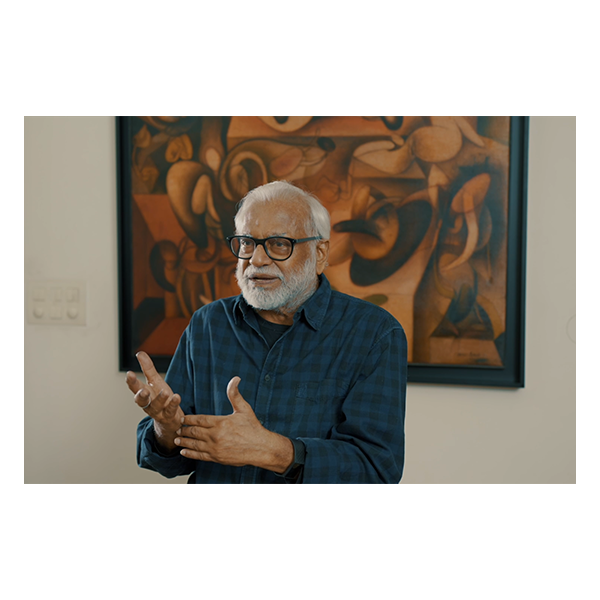 JournalManu Parekh on 'Shiva'$0.00‘Iconic Masterpieces of Indian Modern Art, Edition 2’ opened on 11 February at DAG’s Janpath Gallery in New Delhi featuring fifty artworks which shaped the trajectory of pre-modern and modern art in the country. As part of the exhibition, Manu Parekh speaks about his 1971 painting ‘Shiva’, created at a pivotal juncture of his artistic career when he was trying to forge a visual language different from the Bengal School. Learn More
 -
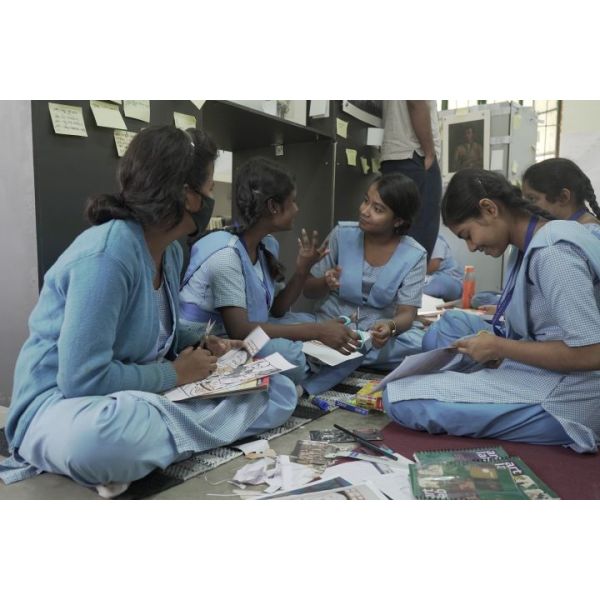 JournalArt Lab: Transforming Classrooms into Museums$0.00
Art Lab by DAG’s Museums Programme is a pop-up art exhibition of facsimiles of works from the DAG Museum Collection that travels to schools and introduces students to modes of visual learning. After two successful iterations in CBSE and ICSE schools in Kolkata, Art Lab travelled to its first Bengali medium West Bengal Board school—Barisha Janakalyan Vidyapith for Girls. Through three days of workshops spread across two weeks, the students interacted with the artworks, learnt the basics of research, delved into historical material, and developed their own creative projects. Take a peek at some of the wonderful projects they curated as they took over the exhibition and made it their own.
Learn More -
 Institutional CollaborationsGhare Baire: The World, the Home and Beyond 18th – 20th Century Art in Bengal$1.00
Ghare Baire was a museum-exhibition showcasing over 200 years of art in Bengal. Presented by DAG in collaboration with the National Gallery of Modern Art and the Archaeological Survey of India, the exhibition was housed at the historic Currency Building, across twelve galleries featuring over 700 artworks. The exhibition was the largest showcase of Bengal Art, presenting a panoramic view of the evolution of art in a region that has been critical to the development of Indian modern art. The exhibition starts with the arrival of the travelling European artists at a time of exchange between Bengal and the world. This confluence of cultures stimulated new visual languages as we see in the Kalighat pat, the Bengal School, and the subsequent emergence of artists who fearlessly and freely experimented with form and subject, reshaping the trajectory of art in India.
Learn More -
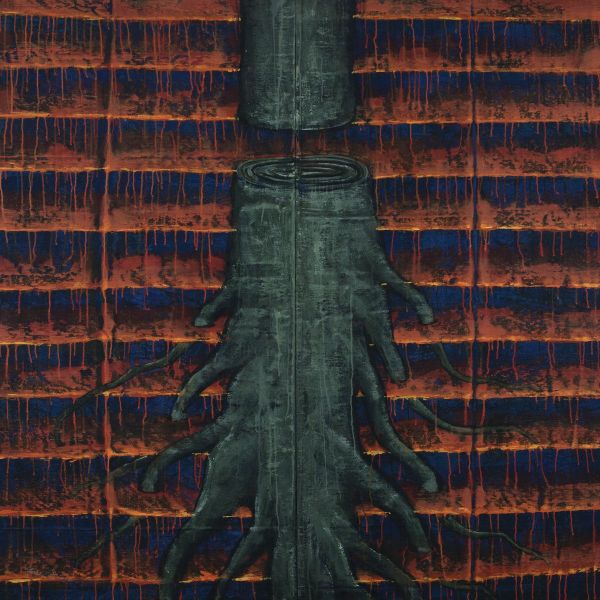 ExhibitionsThe Centum Series Edition 3As low as $1.00
Indian art defies any easily tailored silos to carve for itself a confident assertion of its own identity within a global context, while being a part of its larger assimilative journey. it is this rich legacy of Indian modernism that we hope to explore with The Centum Series which opens a window to the tantalising glimpse of the extraoridnary depth and breadth of its scope and variety. Akhilesh J. Sultan Ali Altaf Ambadas Amit Ambalal Amitava Anonymous (Early Bengal) Dattatraya Apte Radha Charan Bagchi Ramkinkar Baij S. K. Bakre Prabhakar Barwe R. B. Bhaskaran Jyoti Bhatt Natvar Bhavsar Bikash Bhattacharjee Nikhil Biswas Nandalal Bose Shobha Broota Sakti Burman Avinash Chandra Chittaprosad Jagmohan Chopra Bijan Choudhary Jogen Chowdhury Anita Roy Chowdhury D. P. Roy Chowdhury Thomas Daniell Haren Das Sunil Das
Learn More -
-
-
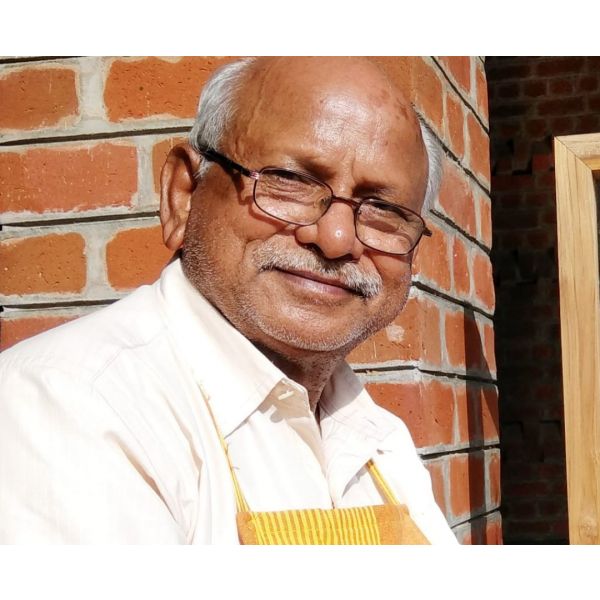 ArtistsMoti Zharotia$0.00Moti Zharotia was born in Delhi and remembers taking impressions of patterns carved on potatoes in childhood as his earliest artistic activity. He loved creating works of art but dreamt of becoming a lawyer, and therefore graduated in political science from Delhi University. Learn More
 -
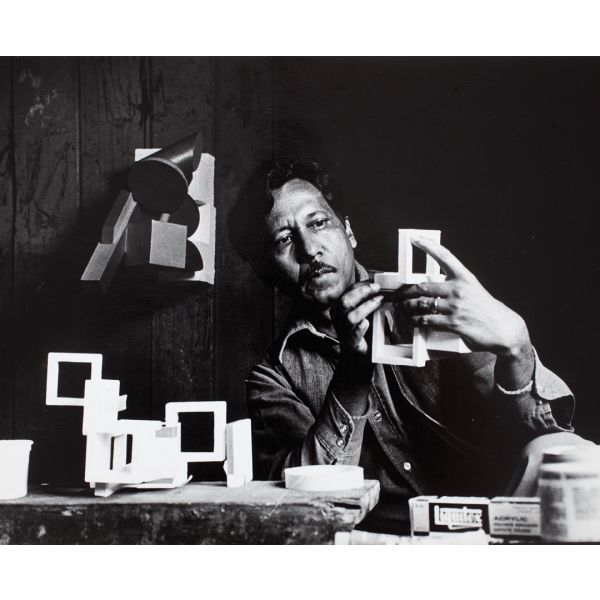 ArtistsEric Bowen$0.00Eric Bowen was born in Allahabad on 3 May 1929 and received a diploma from the College of Art, New Delhi, in 1959. Though he joined the short-lived Group 1890, his journey to be a part of the significant art movements in the 1960s took root when he and Paramjit Singh started the Group Unknown, a Delhi-based collective of young artists and sculptors. Learn More