


Search results for: 'Visual History of Indian Modern Art 10 Volumes'
-
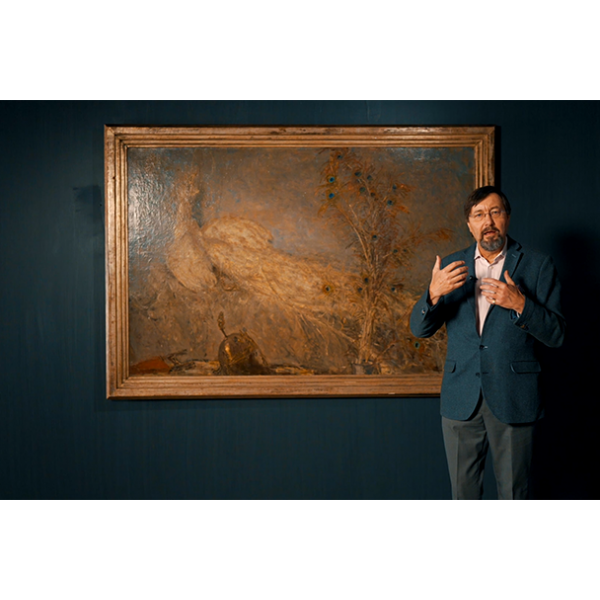 JournalGiles Tillotson on Marius Bauer$0.00‘Iconic Masterpieces of Indian Modern Art, Edition 2’ opened on 11 February at DAG’s Janpath Gallery in New Delhi featuring fifty artworks which shaped the trajectory of pre-modern and modern art in the country. As part of the exhibition, Giles Tillotson speaks on the Dutch Orientalist Marius Bower’s painting ‘Witte Pauw’ where he tries to evoke the sense of a Rajput court through motifs like peacock feathers, along with adding an element of fantasy. Learn More
 -
 JournalGiles Tillotson on Thomas Daniell$0.00'Iconic Masterpieces of Indian Modern Art, Edition 2' opened on 11 February, featuring fifty artworks which shaped the trajectory of pre-modern and modern art in the country. As part of the exhibition, Giles Tillotson reflects on Thomas Daniell’s painting ‘Hunting the Serow in India’, which draws from the artist’s experience of travelling to India. The painting depicts an unusual hunting scene, where an act of sudden violence is juxtaposed with a space of tranquility. Learn More
 -
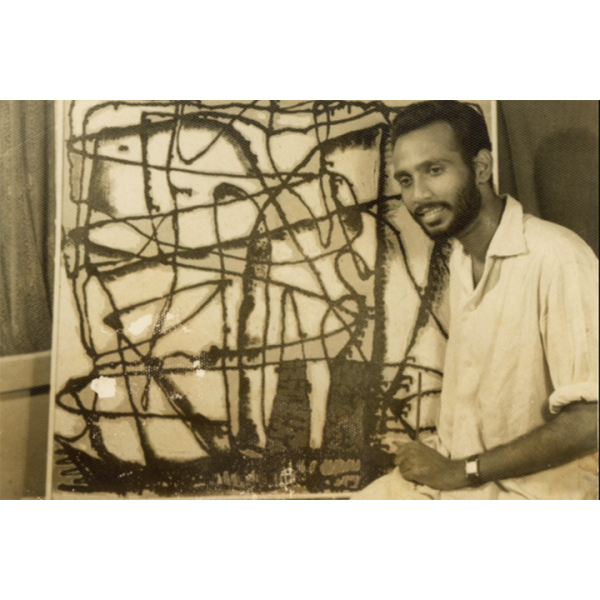 JournalKishore Singh on P. Khemraj$0.00‘Iconic Masterpieces of Indian Modern Art, Edition 2’ opened on 11 February at DAG’s Janpath Gallery in New Delhi featuring fifty artworks which shaped the trajectory of pre-modern and modern art in the country. As part of the exhibition, Kishore Singh speaks on P. Khemraj’s ‘Charpoi’ painting and its sensualist language. The autobiographical elements of the work and its depiction of universally felt emotions within a language of abstraction, personalizes its appeal. Learn More
 -
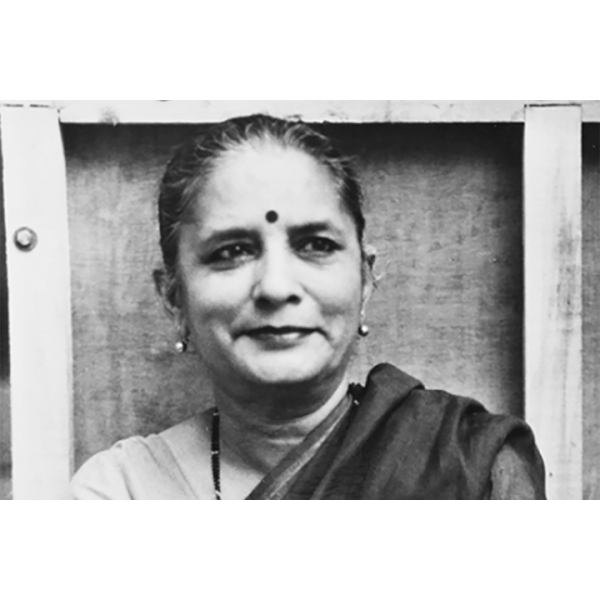 JournalManisha Parekh on Madhvi Parekh$0.00
‘Iconic Masterpieces of Indian Modern Art, Edition 2’ opened on 11 February at DAG’s Janpath Gallery in New Delhi featuring fifty artworks which shaped the trajectory of pre-modern and modern art in the country. As part of the exhibition, Manisha Parekh recalls her memory of her mother Madhvi Parekh as an artist working within spaces of familial intimacy.
Learn More -
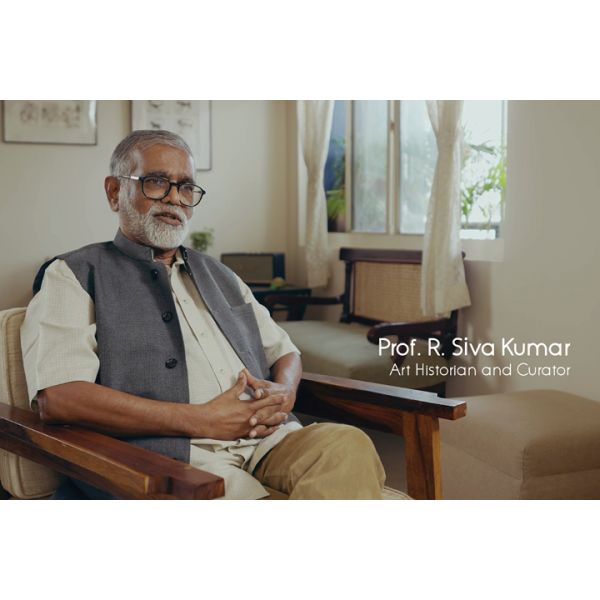 JournalProf. R Siva Kumar on Abanindranath Tagore$1.00'Iconic Masterpieces of Indian Modern Art, Edition 2' opened on 11 February, featuring fifty artworks which shaped the trajectory of pre-modern and modern art in the country. As part of the exhibition, R. Siva Kumar elaborates on Abanindranath Tagore’s wash technique and reflects on ‘The Dreamer’, a painting which conveys Tagore’s belief in the power of an artist to effect social changes. Learn More
 -
 Art FairsArt Stage Singapore$0.00
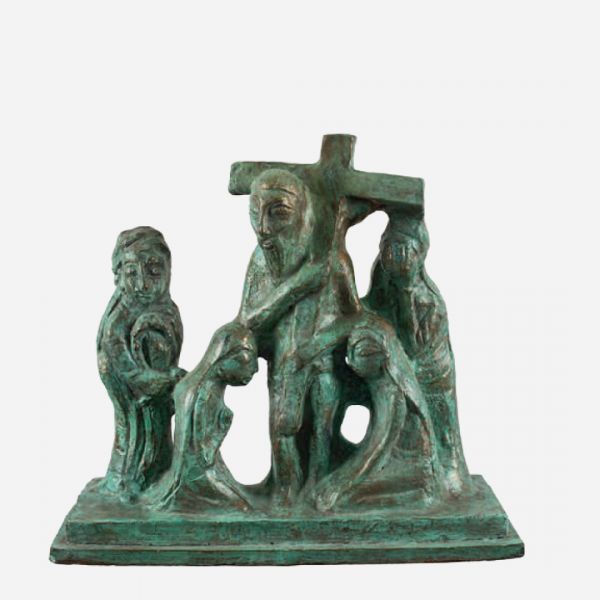
Given Singapore’s sizeable Indian population and its position as a leading financial centre, DAG’s debut at Art Stage Singapore was an obvious corollary. Indian artists are avidly collected in this city-state but DAG’s attempt, as always, was to introduce the masters to visitors at the fair. While keeping in mind the best modernists, it also curated a selection most likely to appeal to Eastern sensibilities—thereby displaying its range and the diversity of Indian art. Akbar Padamsee Ambadas Avinash Chandra B. Prabha Bikash Bhattacharjee Dhanraj Bhagat F. N. Souza G. R. Santosh Gogi Saroj Pal Himmat Shah J. Sultan Ali Jeram Patel K. H. Ara K. K. Hebbar Laxman Pai M. F. Husain N. S. Bendre P. T. Reddy Paramjit Singh Prokash Karmakar Rabin Mondal Ram Kumar S. Dhanapal S. H. Raza Sakti Burman Sohan Qadri Sunil Das
Learn More -
 JournalMemory and Identity - Indian Artists Abroad$0.00What do you make of a work of art? What was the artist attempting to communicate? These video shorts offer brief overviews on artists and their work in the way of expert opinions by scholars, curators art writers—and by the artists themselves. Learn More
 -
 JournalTerm of the Month: Figure Drawing$0.00
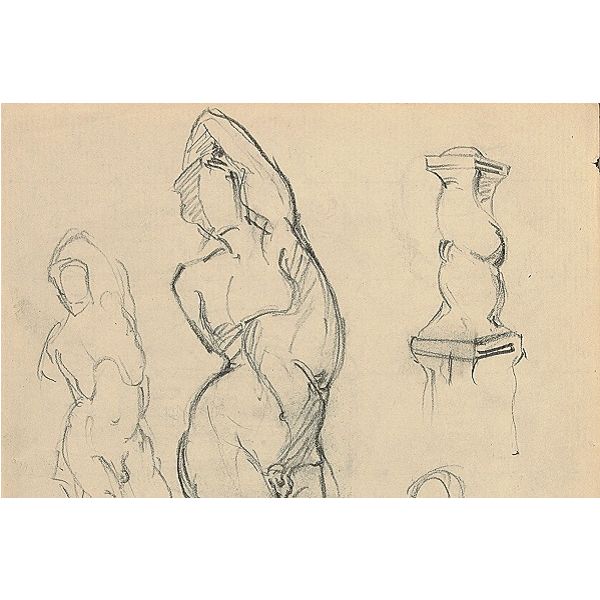
The advent of abstraction is a defining moment in art history as we devise divisions between representational, figurative, and abstract art, with the need arising from this pivotal formal shift in the modern world. The term ‘figurative’ has come to represent an antithesis of sorts to the term abstract. One is representational of reality, the latter a derived (abstracted) representation or even non-representational (colour-field paintings for example).
Learn More -
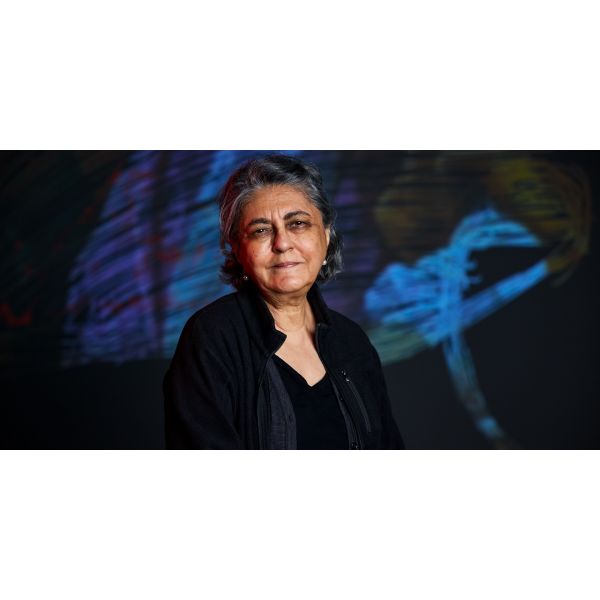 JournalRadical as a way of Being: Inaugural Contemporary Fellow Nalini Malani at London's National Gallery$0.00
What is the role of collectors and collections or archives in the world of art today? Does it simply allude to practices of producing a consumable past today or does it also aspire to question the ways in which history has been shaped by powerful interventions in the form of artworks, performances and installations? In this series of conversations, we wanted to explore the idea of collecting recent or contemporary art—and how it inevitably takes us back to the moderns who influenced such practices heavily.
Learn More -
 Art FairsIndia Art Fair$0.00
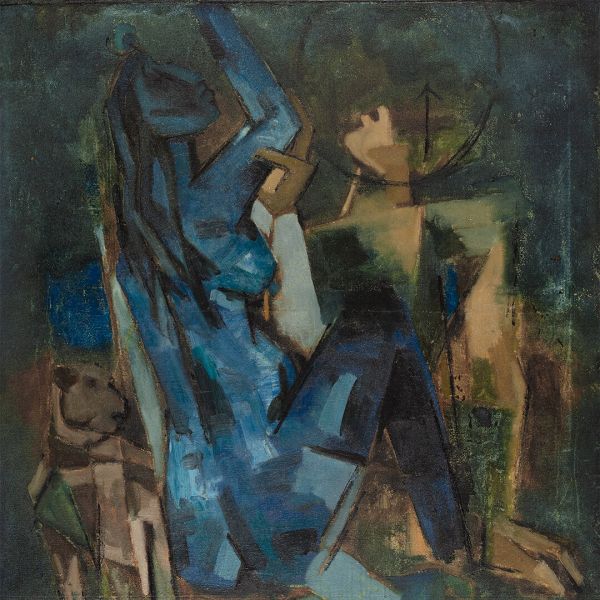
The DAG booth at the India Art Fair has gained iconic status for its selection and display of the finest works of Indian modern art. Over past editions, DAG had introduced pre-modern masters at its booth, and in 2022, it presented exemplary works by eighteenth and nineteenth century Indian and European artists at the fair. This was in addition to high quality works by the twentieth century masters.
Learn More -
 ExhibitionsManifestations VII: 75 ArtistsAs low as $1.00
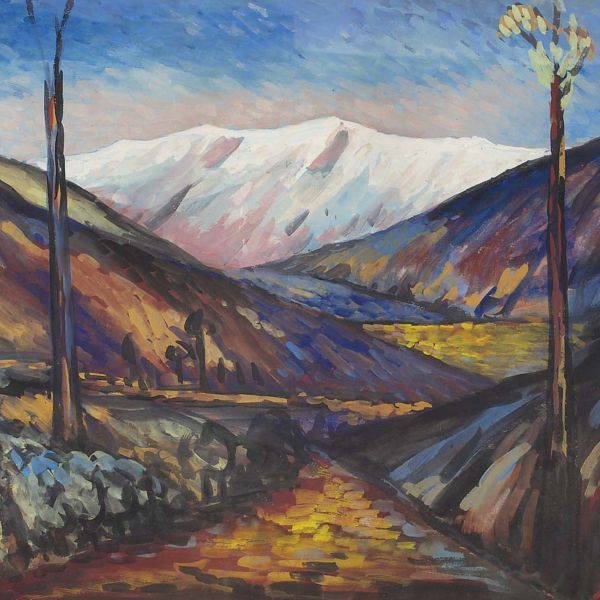
The exhibition features several works of academic realist portraiture from early 20th century—vivid oil portraits by masters of the form such as Pestonji Bomanji, M. F. Pithawalla, Baburao Painter and L. N. Taskar as well as charcoal sketches by M. V. Dhurandhar, an academic artist of renown of the same period. The selection features Western academic oil-influenced works on mythological themes by the school referred to as Early Bengal and two works painted in a Raja Ravi Varma-derived style—an anonymous work by the Ravi Varma ‘School’ and Aroomoogam Pillay. A. A. Almelkar Abalall Rahiman Abani Sen Akbar Padamsee Ambadas Anonymous (EarlyBengal) Anonymous (Portraiture ) Anupam Sud Aroomoogam Pillay Avinash Chandra Baburao Painter Badri Narayan Bijan Choudhary Bikash Bhattacharjee Biren De Chintamoni Kar Chittaprosad D. P. Roy Chowdhury Devyani Krishna Dharamnarayan Dasgupta F. N. Souza G. R. Santosh G. Ravinder Reddy Ganesh Haloi Gogi Saroj Pal Gopal Ghose H. A. Gade Himmat Shah J. Sultan Ali J. Swaminathan Jamini Roy Jeram Patel Jogen Chowdhury Jyoti Bhatt K. H. Ara K. K. Hebbar K. Laxma Goud K. S. Kulkarni K. V. Haridasan Kshitindranath Majumdar L. Munuswamy L. N. Taskar Laxman Pai M. F. Husain M. F. Pithawalla M. V. Dhurandhar Madhvi Parekh Mukul Dey N. S. Bendre Nandalal Bose Nasreen Mohammedi Nicholas Roerich Nikhil Biswas P. Khemraj P. T. Reddy Paritosh Sen Pestonji E. Bomanji Prosanto Roy Rabin Mondal Ram Kumar Ramkinkar Baij Ravi Varma ‘School’ S. H. Raza S. K. Bakre Sadequain Sailoz Mukherjea Shanti Dave Shyamal Dutta Ray Sohan Qadri Sudhir Patwardhan Sunil Das Sunil Madhav Sen Tarak Garai Ved Nayar Walter Langhammer
Learn More -
 Institutional CollaborationsDRISHYAKALA$1.00
How did the multiple trajectories of visual arts develop in the subcontinent? Where did they originate and how did their paths converge? Drishyakala offers a sweeping journey into the heterogenous histories of visual arts in India, from the first European travelling artists who drew landscapes to popular prints of the earliest woodcuts and lithographs evolving into the thriving advertising visuals of the 20th century. The exhibition is broadly divided into four categories, each exploring an unique area of development—the art of portraiture through photography and painting, oriental sceneries drawn by European travelling artists, popular prints from the late eighteenth century to post-independence and artworks of the nine National Treasure Artists. Together, these sections give brief glimpses into the dizzying variety of forms, styles and languages of South Asian art.
Learn More