


Search results for: 'babu's art shop'
-
 ExhibitionsChittaprosadAs low as $1.00
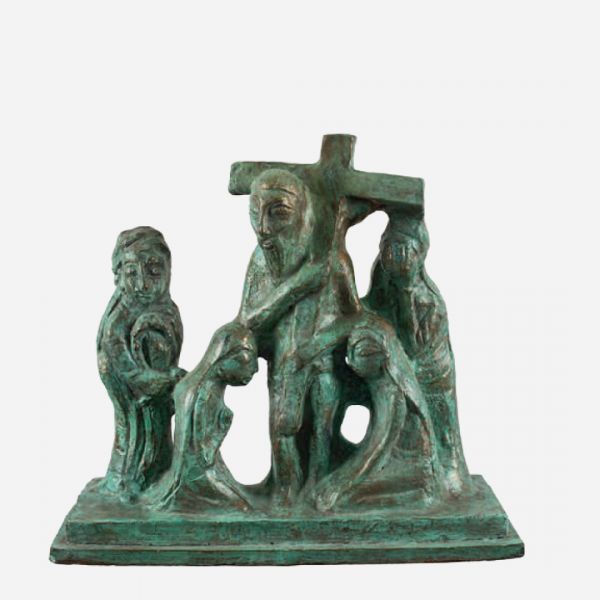
One of India’s most important artists, Chittaprosad recorded pivotal political and social movements in the country, such as the Great Bengal Famine of 1943-44 and its fallout, in heart-wrenching sketches and drawings, alongside protests against colonialism, economic exploitation, urban poverty and depravity, just as beautifully as the many drawings, linocuts and scraper board illustrations he made for children, recording a beatific phase of plenitude and family values, and involving himself with marionettes for their entertainment.
Learn More -
 Art FairsArt Stage Singapore$0.00
Given Singapore’s sizeable Indian population and its position as a leading financial centre, DAG’s debut at Art Stage Singapore was an obvious corollary. Indian artists are avidly collected in this city-state but DAG’s attempt, as always, was to introduce the masters to visitors at the fair. While keeping in mind the best modernists, it also curated a selection most likely to appeal to Eastern sensibilities—thereby displaying its range and the diversity of Indian art. Akbar Padamsee Ambadas Avinash Chandra B. Prabha Bikash Bhattacharjee Dhanraj Bhagat F. N. Souza G. R. Santosh Gogi Saroj Pal Himmat Shah J. Sultan Ali Jeram Patel K. H. Ara K. K. Hebbar Laxman Pai M. F. Husain N. S. Bendre P. T. Reddy Paramjit Singh Prokash Karmakar Rabin Mondal Ram Kumar S. Dhanapal S. H. Raza Sakti Burman Sohan Qadri Sunil Das
Learn More -
 ExhibitionsThe Printed PictureAs low as $1.00
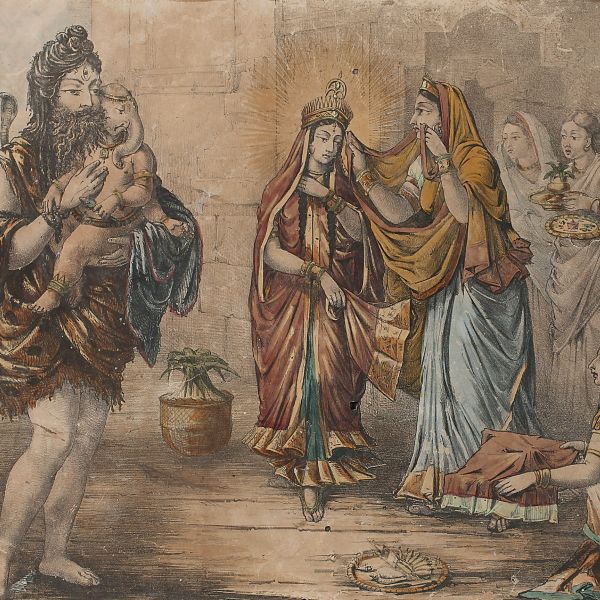
A print is an original work of art created and printed by hand by an artist or a professional printing assistant from a ‘matrix’—a plate, block of stone, wood or stencil. The image is created on the matrix and the artist takes a limited number of impressions or prints off it. These impressions are numbered and signed by the artist and belong to a limited edition, and this makes the print an original work of art and not a reproduction. Printmaking consists of a wide range of processes: relief printmaking which consists of techniques like engraving, woodcut and linocut; planographic processes such as lithography and oleography, intaglio processes such as drypoint, etching, aquatint, mezzotint, photo processes and collography; and serigraphy, where the image is printed through a silk screen on to the paper. A P Bagchi A Ramachandran Abanindranath Tagore Ajit Dubey Akhilesh verma Akkitham Naryanan Amitabh Banerjee Amitava Anonymous Print Anupam Sud Arun Bose B P Banerjee Basudev Roy Bengal Lithograph Bengal Oleographs Bengal Woodcut Benod Behari Mukherjee Bhupen Khakhar Bijan Choudhury Chittaprosad Daniell William Devraj Dakoji Devyani Krishna Francis N Souza F. B Solvyns Ganesh Haloi Gulam Sheikh Haren Das Himmat Shah Indu Rakshit Indumati Roop Krishna Jagdish Dey Jagmohan Chopra Jai Zahrotia Jamini Roy Jyoti Bhatt K Laxma Goud K V Haridasan Krishna Ahuja Krishna Reddy Lalu Prasad Shaw M F Husain M. V Dhurandhar Madhvi Parekh Maniklal Banerjee Manu Parekh Moti Zahrotia Mrinalini Mukherjee Mukul Dey Nagji Patel Nalini Malani Nandalal Bose Navjot Paneer Selvam Partha Pratim Deb Portrait Punjab Litho Qamrool Hassan R B Bhaskaran Rabin Mondal Radha Charan Bagchi Ram Kumar Ramendranath Chakravorthy Ramkinkar Baij Rani Dey Ravi Varma Press Ravi Varma Print Rini Dhumal Sakti Burman Sanat Kar Satish Gujral Shobha Broota Shyamal Dutta Ray Somnath Hore Sudhir Khastgir Sunil Das Sunil Madhav Sen Suren Gangooly Sushanta Guha Sushil Sen Suvaprasanna Tapan Bhowmik Tarak Basu Thoman Daniell V Vishwanadhan Various Litho and Olio Vijay Bagodi Vinayak Masoji Vivan Sundaram Walter D’Souza Yogesh Rawal Zainul Abedin
Learn More -
 ExhibitionsAltafAs low as $1.00
In the articulation of twentieth century art, where does one place Altaf Mohamedi? That question has probably troubled more curators than we realise. Altaf, who studied art in London before returning to Bombay (now Mumbai) was following in the footsteps of his elder sister and artist Nasreen Mohamedi, but that is where all similarities ended. Where Nasreen was an abstract, sparse artist who created a distinctive language using, for most part, rigid, inflexible lines that nevertheless sang on the paper over which they were made, Altaf’s work was intensely political and social.
Learn More -
 ExhibitionsManifestations VI: 75 ArtistsAs low as $1.00
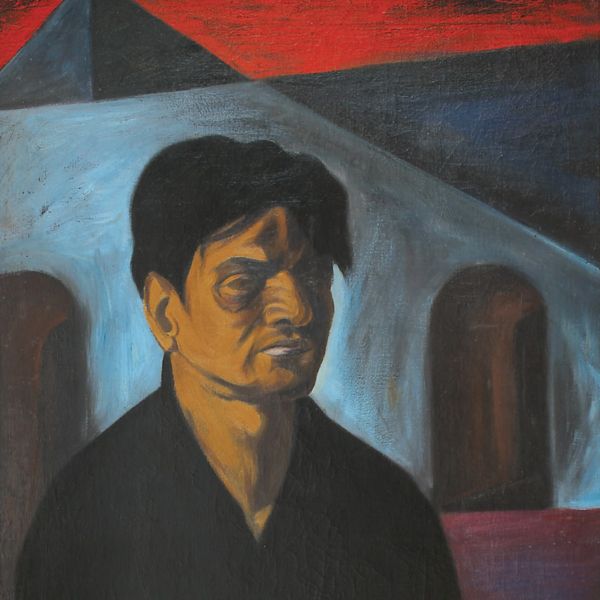
Manifestations VI features an assortment of seventy-five significant artists curated from its collection. Not organised around theme or style, Manifestations features a single work or a related series of works by each chosen artist, which reflect an important facet of their unique artistic journeys. Usually dominated by 20th century modern Indian art, Manifestations VI features works spanning three centuries, from a ‘Company Painting’ set in Tirunelveli district, Tamil Nadu, done by Thomas Daniell for the East India Company in the 1790s, to an Early Bengal work of a ferocious Kali astride a supine Shiva, to several 20th century modern works. A A. Raiba Ambadas Amitava Anonymous (Early Bengal) Asit Kumar Haldar Avinash Chandra Amitava N. Arya Benode Bihari Mukherjee Bikash Bhattacharjee Bimal Dasgupta Biren De Bireswar Sen Charan Bagchi Chintamani Kar Chittaprosad P. Roy Chowdhury Dharamnarayan Dasgupta F. N. Souza G. R. Santosh Ganesh Haloi George Keyt Gopal Deuskar Gopal Ghose Gulammohammed Sheikh Himmat Shah Indra Dugar J. P. Gangooly J. Sultan Ali Jamini Roy Jeram Patel Jyoti Bhatt Jogen Chowdhury K. C. S. Panicker K. K. Hebbar K. Laxma Goud K. S. Kulkarni Khagen Roy Kshitindranath Majumdar Laxman Pai M. A. R. Chughtai M. F. Husain M. F. Pithawalla M. V. Dhurandhar N. S. Bendre Nandalal Bose Nikhil Biswas P. Khemraj P. V. Janakiram Paritosh Sen Pestonji E. Bomanji Prodosh Das Gupta Prokash Karmakar R. Vijaiwargiya Rabin Mondal Raja Ravi Varma Ram Kumar Rameshwar Broota Ramkinkar Baij Ranbir Singh Kaleka Rasik Durgashankar Raval Radha Charan Bagchi S. H. Raza Satish Gujral Shanti Dave Shobha Broota Shyamal Dutta Ray Sohan Qadri Somnath Hore Suhas Roy Sunil Das Thomas Daniell Tyeb Mehta V. Nageshkar V. S. Gaitonde V. Viswanadhan
Learn More -
 JournalConscious Collecting with Asia Art Archive and Durjoy Rahman$0.00
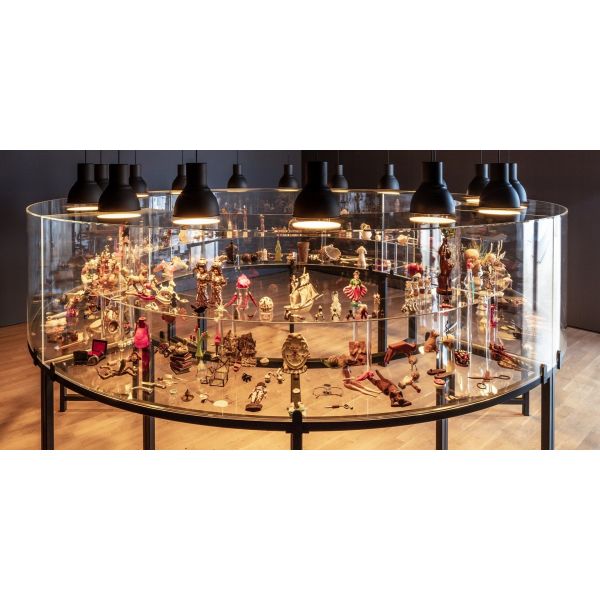
What is the role of collectors and collections or archives in the world of art today? Does it simply allude to practices of producing a consumable past today or does it also aspire to question the ways in which history has been shaped by powerful interventions in the form of artworks, performances and installations? In this series of conversations, we wanted to explore the idea of collecting recent or contemporary art—and how it inevitably takes us back to the moderns who influenced such practices heavily.
Learn More -
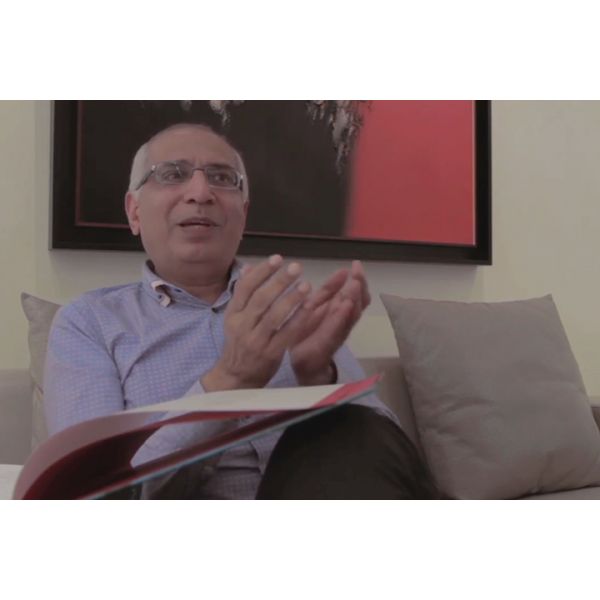 JournalMemory and Identity - Indian Artists Abroad$0.00What do you make of a work of art? What was the artist attempting to communicate? These video shorts offer brief overviews on artists and their work in the way of expert opinions by scholars, curators art writers—and by the artists themselves. Learn More
 -
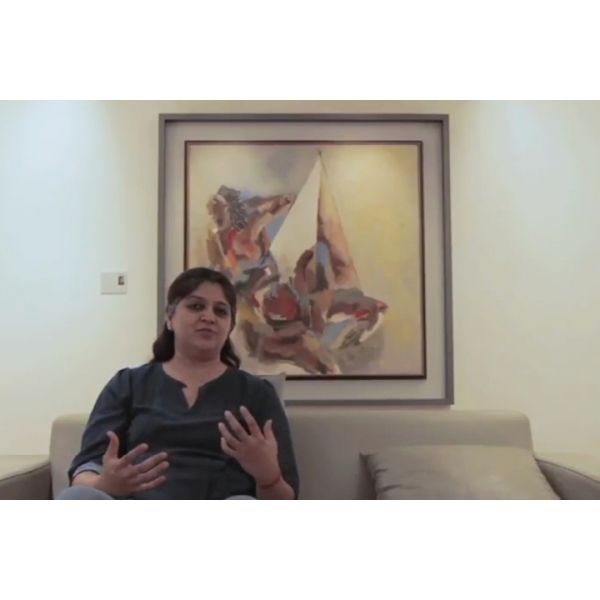 JournalMasterpieces of Indian Art Edition 2$0.00A landmark DAG exhibition, the second edition of Masterpieces of Indian Art at India Art Fair offered a microcosm of museum-quality works by well-known masters. Catch a glimpse of some of the masterpieces in this truly extraordinary exhibition. Learn More
 -
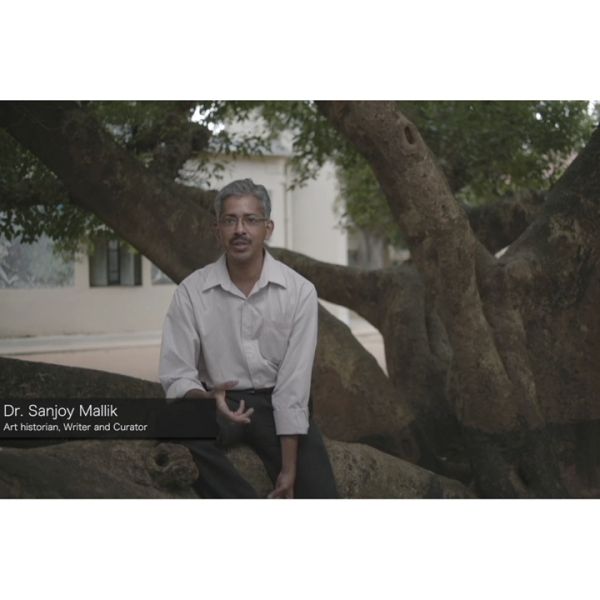 JournalNavratna: India’s National Treasure artists$0.00It was in the 1970s that the government of India declared nine artists as National Treasures, attesting to the significance of their contribution to the shaping of modern Indian art identity. ‘Navratna: Nine Gems of Indian Art’ was a unique opportunity to see seminal works by all the nine together, to understand the uniqueness of their collective contribution, at Drishyakala, a joint collaboration between DAG and the Archaeological Survey of India. Learn More
 -
 Collection OnlineTHE TAGORES$1.00
One of the most distinguished families in Bengal, the Tagores exercised unparalleled influence over the cultural landscape of the region. The Nobel Laureate, Rabindranath Tagore (1861 - 1941), and two of his nephews, Gaganendranath Tagore (1867-1938) and Abanindranath Tagore (1871 - 1951) were recognised as India’s National Art Treasure artists. Sunayani Devi (1875 -1962), their sister, is regarded as one of modern India’s first women painters known by name. Her lyrical paintings and embroideries often looked inward to an imagined world of fables and myths. At the turn of the twentieth century, we see Abanindranath emerging as the founder of the Bengal School as he envisioned a new Indian art that was free of colonial influence, rooted in pan-Asianism. Gaganendranath, on the other hand, was a prolific satirist and cartoonist, who imagined new forms and perspectives inspired by Cubism. Together they formed the influential Indian Society of Oriental Art in 1907, while Rabindranath’s school and university at Santiniketan would continue to shape modern art in Bengal for generations to come.
Learn More -
 Art FairsIndia Art Fair$0.00
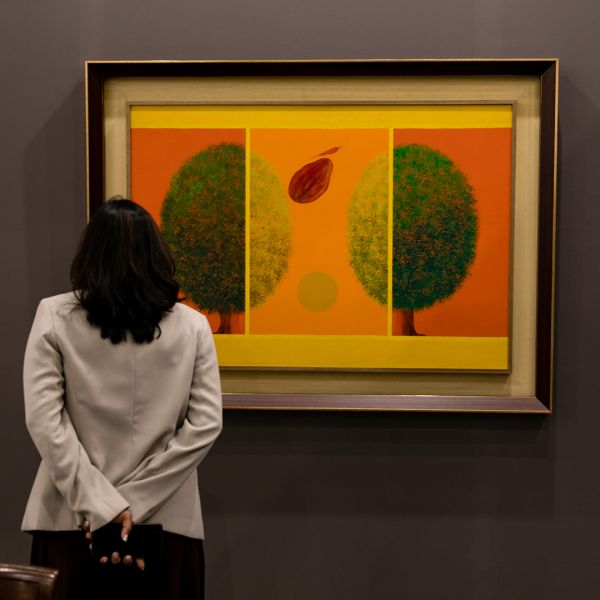
The showstoppers at the entrance of the DAG booth at the India Art Fair 2020 included a poignant painting of Draupadi’s saree being unfurled in the Kaurava court painted by M. V. Dhurandhar, alongside a work by an unknown artist in the style of the Early Bengal School—the oldest work on display. Together, they were a pointer to the masterpieces on display at the DAG booth, covering over roughly a century of art practice in India. DAG’s representation included some fine artworks such as a huge canvas by K. H. Ara, a ceramic sculpture by Mrinalini Mukherjee, a stunning canvas by Sohan Qadri, colourful abstract paintings by J. Swaminathan, Shanti Dave and G. R. Santosh, a masterful work by S. H. Raza, a lovely Jamini Roy, and paintings by M. F. Husain, Krishen Khanna, Paritosh Sen, J. Sultan Ali, Madhvi Parekh and others—each of unparalleled quality. J. SULTAN ALI BIKASH BHATTACHARJEE G. R. SANTOSH PARITOSH SEN EARLY BENGAL OIL K. C. S. PANIKER MADHVI PAREKH S. H. RAZA KRISHEN KHANNA SHANTI DAVE K. H. ARA PRABHAKAR BARWE M. V. DHURANDHAR M. F. HUSAIN HEMEN MAZUMDAR KSHITINDRANATH MAJUMDAR MRINALINI MUKHERJEE SOHAN QADRI JAMINI ROY J. SWAMINATHAN
Learn More -
 Art FairsART15$0.00
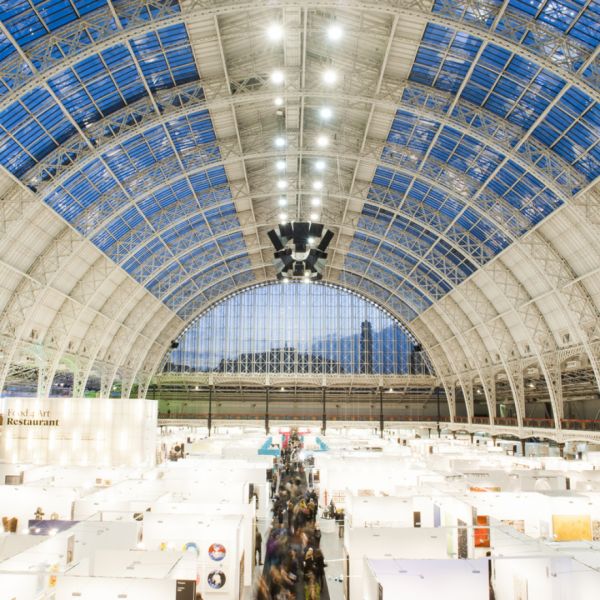
For its debut in London, DAG created a booth-in-booth display space at the historical exhibition venue, Olympia London, that offered glimpses of the artworks from all around, thereby improving its visibility and attracting visitors. Its choice of art too reflected the best from its collection of the twentieth century modern masters of Indian art, who, in turn, had been influenced by movements and artists in the West. Several of these had worked, briefly or for the duration of their careers, in London and Europe. These included Avinash Chandra, F. N. Souza, Ram Kumar, S. H. Raza, Laxman Pai, Manjit Bawa,
Learn More
S. K. Bakre, Sakti Burman and Sohan Qadri among others. The room within the booth was reserved solely for the paintings by F. N. Souza. Akbar Padamsee Ambadas Anjolie Ela Menon Avinash Chandra B. Prabha Bikash Bhattacharjee Dharamnarayan Dasgupta F. N. Souza G.R. Santosh George Keyt Himmat Shah J. Sultan Ali Jogen Chowdhury K. H. Ara K. K. Hebbar K. Laxma Goud Krishen Khanna Laxman Pai M. F. Husain Manjit Bawa N. S. Bendre P. T. Reddy Prodosh Das Gupta Rabin Mondal Ram Kumar S. H. Raza S. K. Bakre Sakti Burman Sohan Qadri Sunil Das