Search results for: 'where did devi prasad roy chowdury study in his life'
-
 Collection StoriesThe City as a Museum, Kolkata—A Visual Journey$1.00
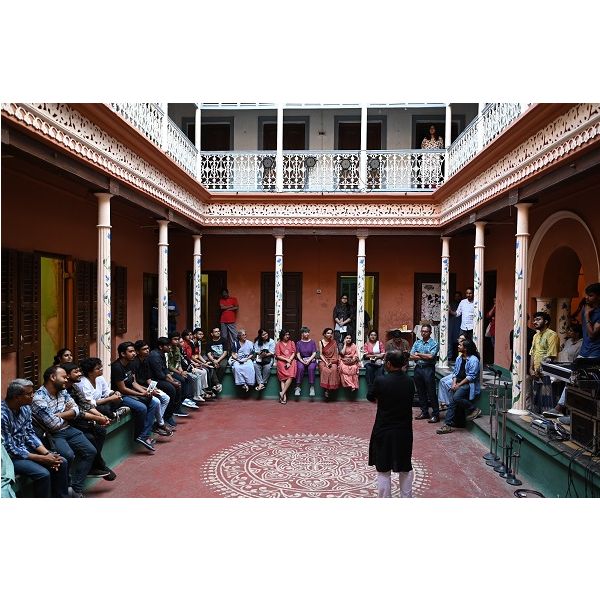
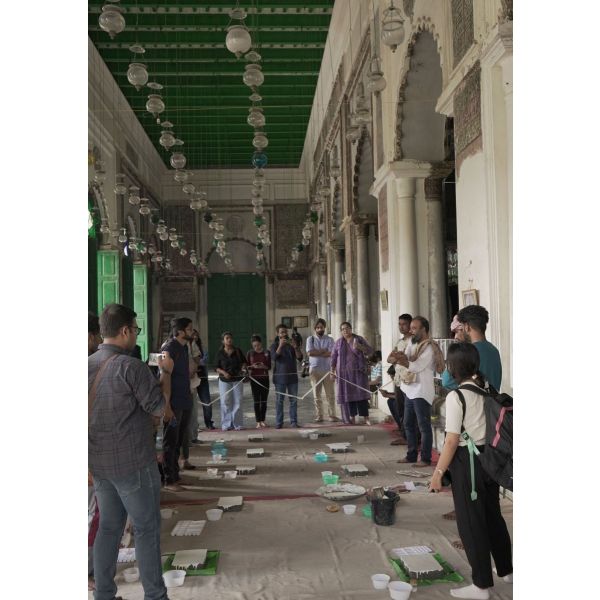
DAG Museum’s annual festival ‘The City as a Museum’ attempts to explore the various archives, communities and artistic traditions that cohere around the life of a city. Put together, they tell different stories about the city across time and space, from the point of view of neighbourhoods, collections and institutions, but not just limited to those either.
In order to learn more about this unique programme that seeks to explore heritage outside the walls of a traditional gallery or museum, read on!
Learn More -
 ExhibitionsVision & LandscapeAs low as $1.00
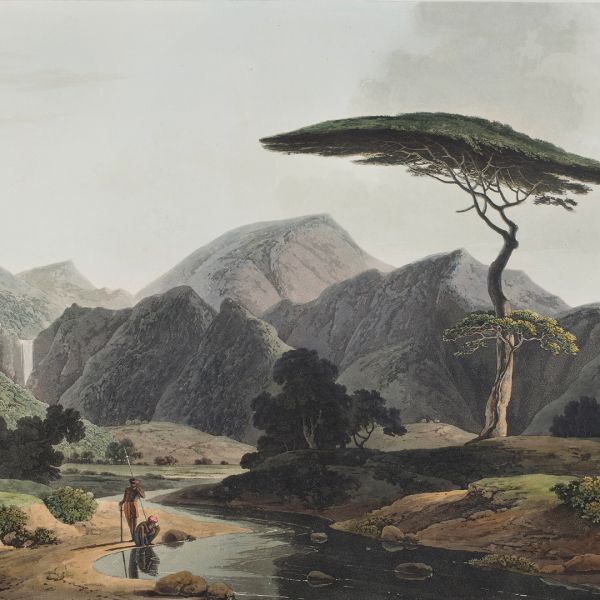
The series of aquatint prints known as Oriental Scenery represent the single largest and most impressive project by English artists to depict Indian architecture and landscape. Thomas Daniell (1749-1840) and his nephew William Daniell (1769-1837) travelled extensively in India between 1786 and 1793. On their return to Britain they produced many paintings, drawings and prints based on the sketches they had made while travelling. The aquatints were issued in pairs between March 1795 and December 1808. Subscribers who purchased all of them could assemble them into six volumes, each with 24 prints, making up a total of 144 – of which half are shown here.
Learn More -
 JournalIn the Snows of Kashmir by G. R. Santosh$1.00
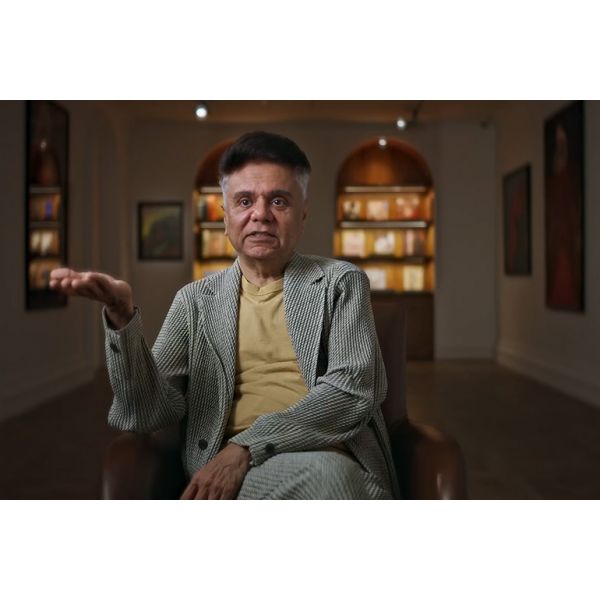
G. R. Santosh created a hugely accomplished career without formal training in art. His abstract paintings made in the early 1960s had Kashmir as his muse, and often used encaustic and beeswax—a process he learned from Shanti Dave. Architect and designer Pinakin Patel shares his views about In the Snows of Kashmir, Santosh’s masterful painting with textural relief in a monochrome palette.
Learn More -
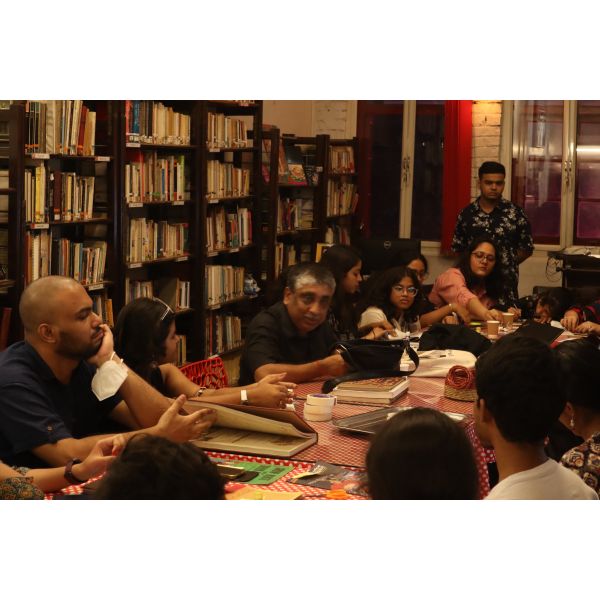 Events and ProgrammesAssemblage: Histories$1.00
A sketching and reading session with art historian Debdutta Gupta on the artistic practice of assemblage centred on the text Khuddur Jatra by Abanindranath Tagore.
Learn More -
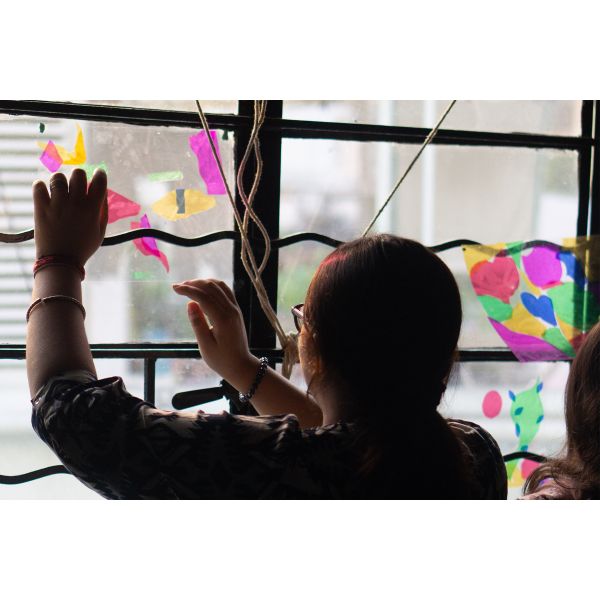 Events and ProgrammesPigment: Histories$1.00
Conversations, sketches and readings on Benode Behari Mukherjee’s practice and his experiments with pigment making, with Sampurna Chakraborty.
Learn More -
-
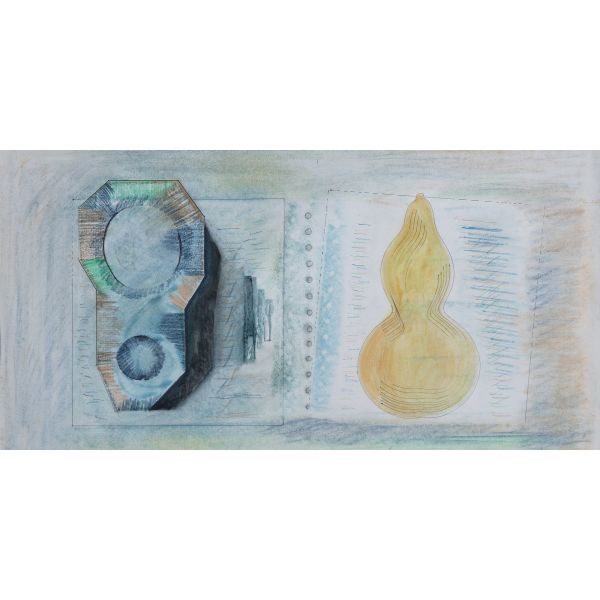 JournalSearching for the ‘Inner Form’ in Prabhakar Barwe’s Blank Canvas$0.00
Artists have often formulated their theories and observations to analyse and become aware of the cognitive modes of art making, and to associate with broader contemporaneous art movements. These manifestos become a window into an artist’s process. Prabhakar Barwe’s seminal treatise, <i>Kora Canvas</I> (The Blank Canvas, 1989), exemplifies his deep understanding of the fundamental elements of art and keen observations of nature and his surroundings.
Learn More -
-
-
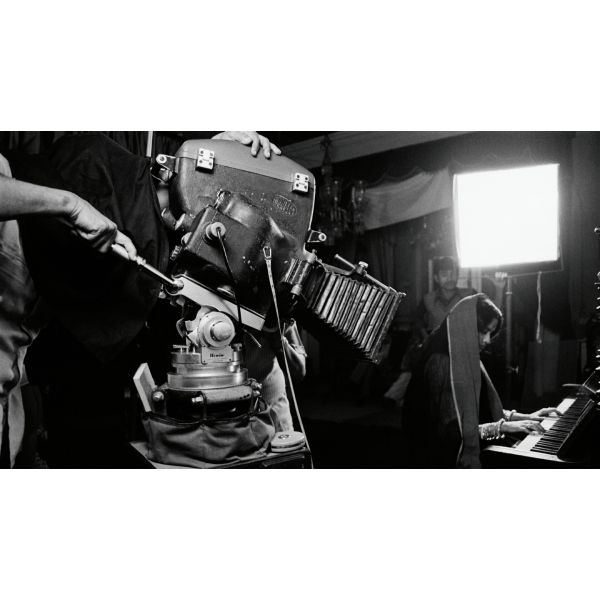 Institutional CollaborationsNemai Ghosh: Satyajit Ray and Beyond$1.00
Nemai Ghosh (1934-2020) is primarily remembered today as the photographer who, through his lens, composed a visual biography of Indian filmmaker, Satyajit Ray, for a period spanning close to three decades. This exhibition draws from DAG's extensive collection of Nemai Ghosh's ouevre to explore his work with Ray, while also exploring his contribution to documenting and immortalising the best of Indian cinema.
Learn More -
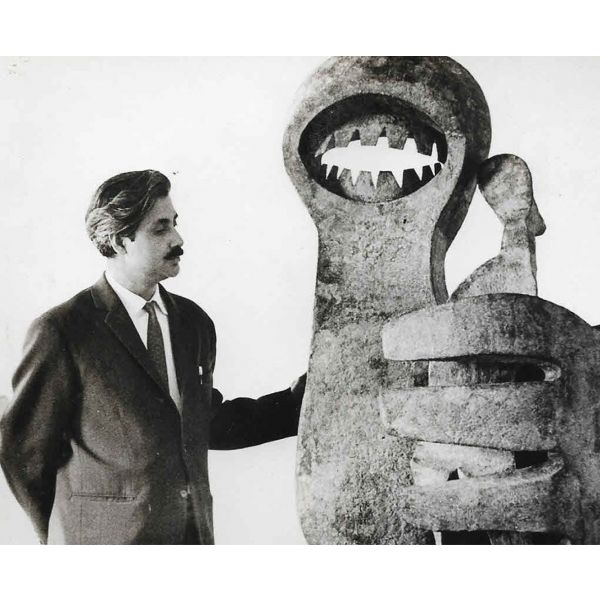 ArtistsAmar Nath Sehgal$0.00Modernist sculptor Amar Nath Sehgal was one of the earliest Indian artists to take legal action under the Indian Copyright Act defending his moral right over his work. In 1957, Sehgal created a mural for Vigyan Bhavan, New Delhi, on a government commission, which was pulled down without his permission or any intimation in 1979. Sehgal went to court and won the lawsuit. Learn More