Search results for: 'flora and fauna in company school art'
-
 Art FairsArt Dubai$0.00
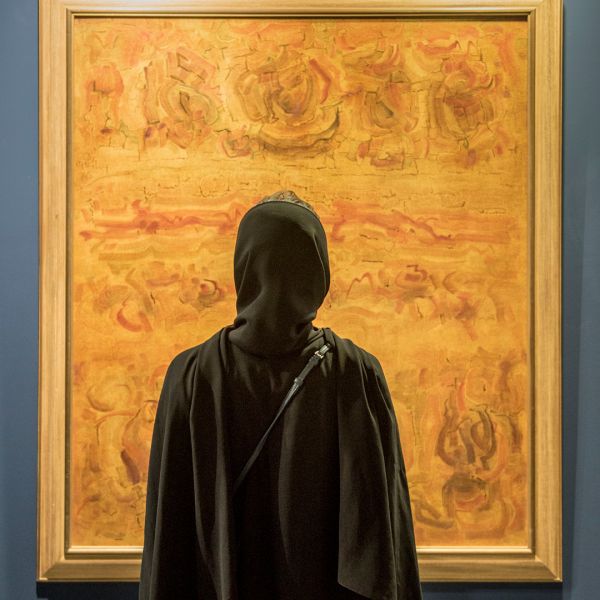
Continuing its theme of introducing Indian abstractionists at Art Dubai, DAG handpicked works by eight eminent abstract artists and juxtaposed them to bring into focus how brushwork and colour are imbued with emotion and can compel viewers to spend hours studying such works. The artists presented by DAG at Art Dubai 2018—Ambadas, Sohan Qadri, Natvar Bhavsar, Avinash Chandra, Rajendra Dhawan, Shanti Dave, Ram Kumar and S. H. Raza—worked in different styles but their use of vivid colours highlighted this somewhat neglected genre of art in India that has begun to enjoy a premium in recent years. These artists had their studios in different parts of the world—Copenhagen, Oslo, New York, Paris, London, New Delhi—but had one thing in common: they were all of Indian origin and had trained and begun their careers in India. AMBADAS SOHAN QADRI NATVAR BHAVSAR AVINASH CHANDRA SHANTI DAVE G. R. SANTOSH J. SWAMINATHAN RAM KUMAR JERAM PATEL RAJENDRA DHAWAN K. V. HARIDASAN
Learn More -
-
 ExhibitionsThe Gold SeriesAs low as $1.00
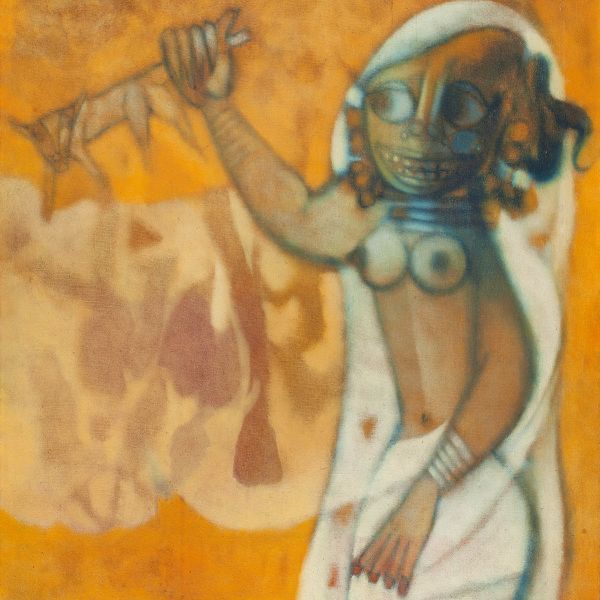
When we launched the Silver Series in May 2020 as our attempt to stay engaged with art-lovers no longer able to visit our galleries, we were unsure of the response. But the feedback we received was heartening, and it was backed by commensurate sales to prove that the art-loving fraternity supported the initiative and gave it a resounding thumbs-up. J. Sultan Ali Altaf Amit Ambalal Amitava Anonymous (Early Bengal) Anonymous (Kalighat Pat) Anonymous (Portraiture) K. H. Ara Prabhakar Barwe Bikash Bhattacharjee Nikhil Biswas Nandalal Bose Eric Bowen Shobha Broota Sakti Burman Avinash Chandra Jogen Chowdhury Sunil Das Prodosh Das Gupta Shanti Dave Rajendra Dhawan M. V. Dhurandhar K. Laxma Goud Satish Gujral Zarina Hashmi K. K. Hebbar M. F. Husain George Keyt Krishen Khanna K. S. Kulkarni Ram Kumar Rabin Mondal S. Nandagopal Laxman Pai Gogi Saroj Pal Madhvi Parekh Jeram Patel Ganesh Pyne Sohan Qadri A. A. Raiba S. H. Raza P. T. Reddy Rekha Rodwittiya Jamini Roy G. R. Santosh Paritosh Sen F. N. Souza Anupam Sud Ramgopal Vijaivargiya
Learn More -
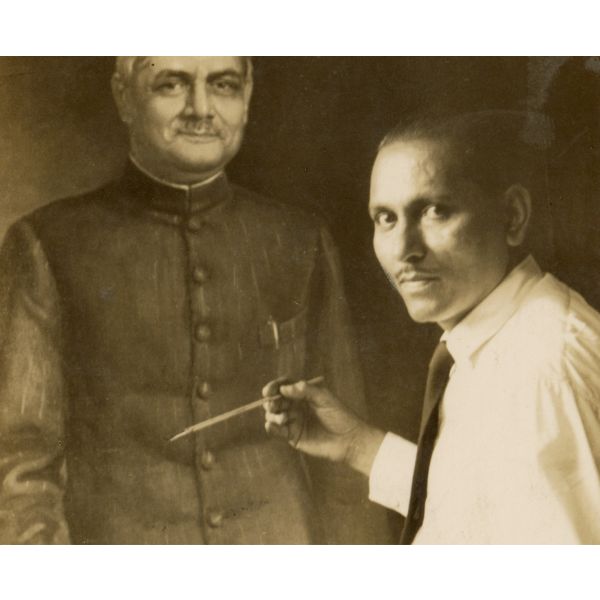 ArtistsV. A. Mali$0.00Born into a family of painters in Kolhapur, Vasant Anant Mali studied art professionally at Sir J. J. School of Art, Bombay, in the 1920s. It was here that he grasped the nuances of painting through academic realism. Working mostly in the medium of watercolour and oil, Mali keenly observed how some of his teachers, including Walter Langhammer, worked with various tools and applied bold brushstrokes with knife. Mali’s work had a forcefulness, a depth that was unique and could be seen, particularly, in portraits done by him. Learn More
 -
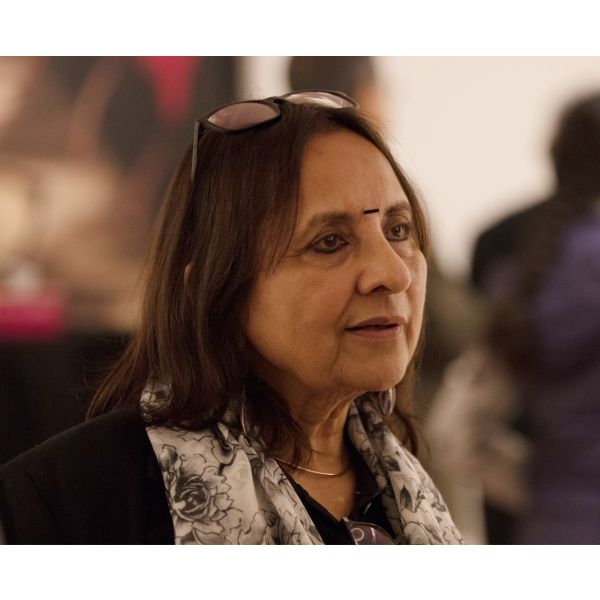 ArtistsNavjot$0.00Born in Meerut, Navjot Altaf studied fine and applied arts at Sir J. J. School of Art, Bombay, from 1967-72. A painter, sculptor, installation artist, and filmmaker inspired by Marxist ideologies, Navjot has consciously questioned various frameworks of social norms and created art to bring focus to the plight of the depressed classes. Learn More
 -
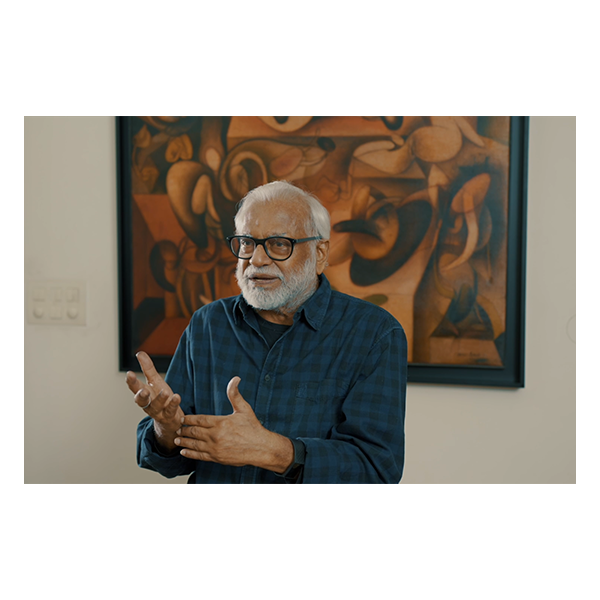 JournalManu Parekh on 'Shiva'$0.00‘Iconic Masterpieces of Indian Modern Art, Edition 2’ opened on 11 February at DAG’s Janpath Gallery in New Delhi featuring fifty artworks which shaped the trajectory of pre-modern and modern art in the country. As part of the exhibition, Manu Parekh speaks about his 1971 painting ‘Shiva’, created at a pivotal juncture of his artistic career when he was trying to forge a visual language different from the Bengal School. Learn More
 -
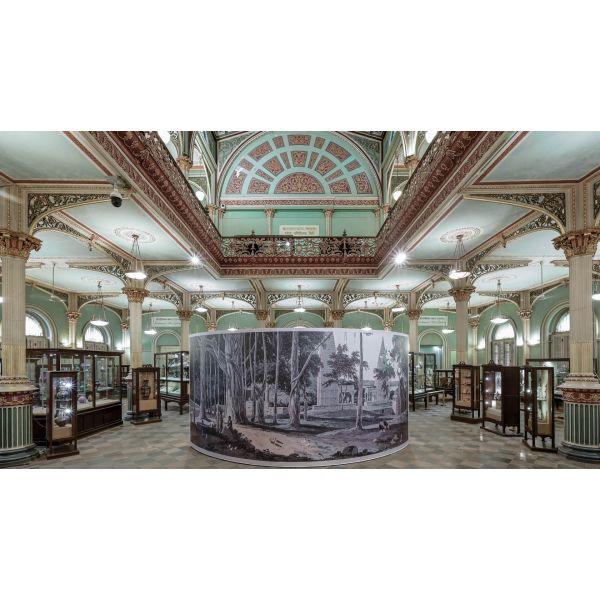 Institutional CollaborationsNew Found Lands: The Indian Landscape from Empire to Freedom$1.00
This exhibition looks at landscape painting in India over a period of two hundred years, from 1780 to 1980. We start with English artists who travelled in India from the late eighteenth century onwards, to rediscover what they were looking for, and how they saw what they found. The introduction of new materials, and the teaching of new methods in the art schools from the middle of the 19th century, encouraged some Indian artists to adopt similar academic style approaches. In the twentieth century, a reaction set in, as Indian artists sought new modes of expression. As if reclaiming their patrimony and the right to represent it, they invented a glorious array of new landscape styles.
Learn More -
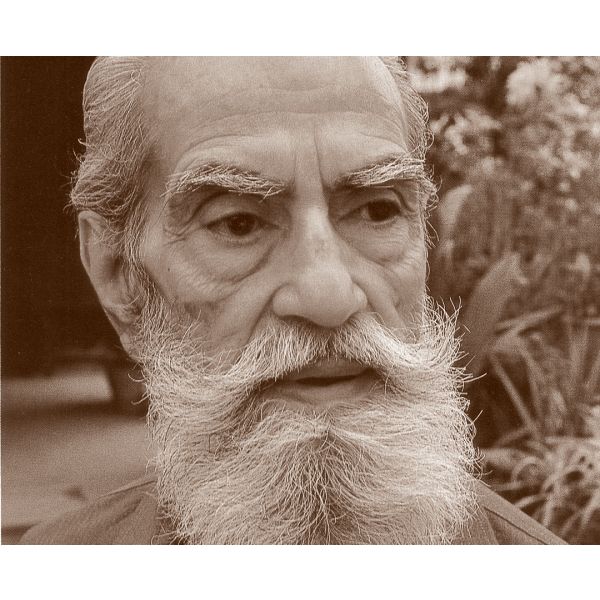 ArtistsB. C. Sanyal$0.00Bhabhesh Chandra Sanyal lived a unique life in the world of Indian art, witnessing the huge arc it cut across the twentieth century—he was born when the revivalist Bengal School was beginning to bloom, and by the time he passed away, modern Indian art had gone global and carved an international art market for itself. Learn More
 -
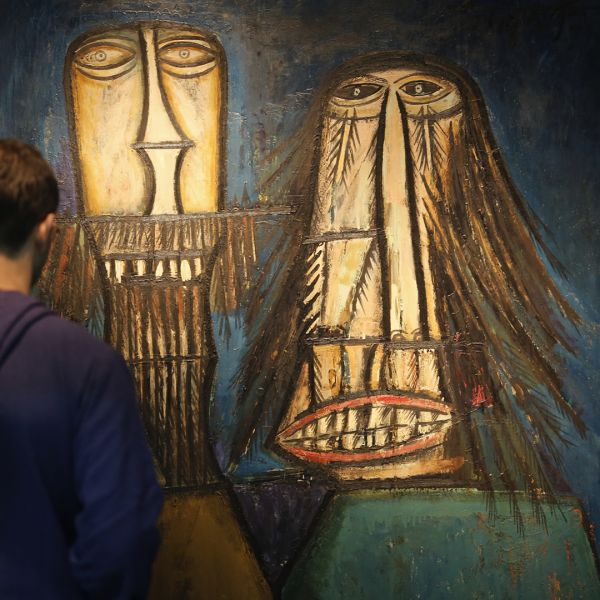 Art FairsIndia Art Fair$0.00
For the second year running at the India Art Fair, DAG built upon its theme with a second edition of ‘Masterpieces of Indian Modern Art’, on a scale as ambitious as the previous year. A portrait by Raja Ravi Varma was the highlight among the old masters, but a stunning painting by F. N. Souza—Man and Woman Laughing—stole the show. Once again, the lavish booth set new standards in terms of display, visitor experience, private lounges, and a souvenir and book store. Special lectures were organised at the booth, and a large number of walkthroughs were arranged for pre-booked groups. As in the previous edition, a large book was published on the displayed works, and a daily art newspaper was published for visitors to the fair. Avinash Chandra Nandalal Bose Chittaprosad F. N. Souza G. R. Santosh M. V. Dhurandhar J. Sultan Ali Jamini Roy K. H. Ara M. F. Husain Ram Kumar S. H. Raza Rabindranath Tagore
Learn More -
-
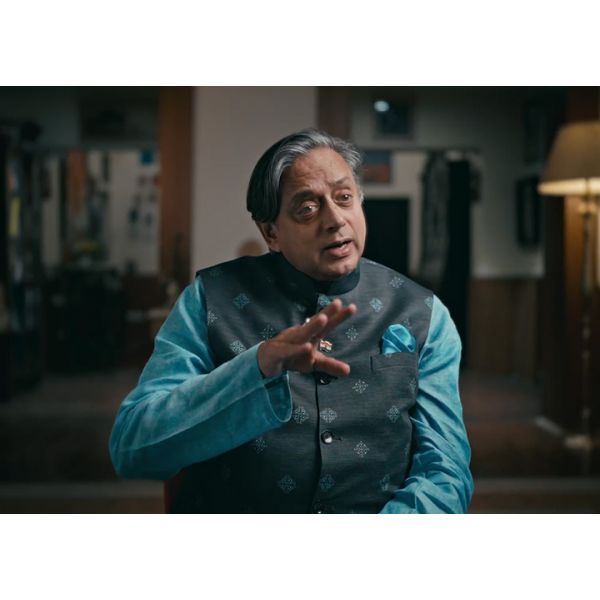 JournalThe Last Effort and Fall of Tippoo Sultaun by Henry Singleton$1.00
Henry Singleton’s The Last Effort and Fall of Tippoo Sultaun belongs to a genre known as history painting: the depiction of important historical events, usually on a large scale, as if they were playing out in front of one’s eyes. Author and parliamentarian Shashi Tharoor and art historian Giles Tillotson explain the lively imagination deployed in Singleton’s painting that depicts the British assault on Seringapatam and the killing of its ruler, Tipu Sultan—himself the source of so many stories that it was difficult to unravel the truth from the many falsities spun by the biased colonial administration and historians of the time.
Learn More