


Search results for: 'personagem religioso que eu sou'
-
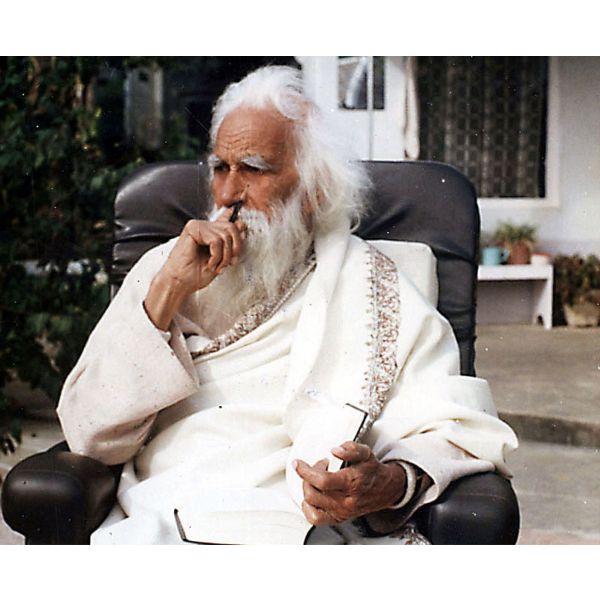 ArtistsSobha Singh$0.00The most definitive painter of the portraits of the Sikh gurus, Sobha Singh was born on 29 November 1901 at Gurdaspur in the Punjab. Interested in the arts since childhood, he learnt to draw and sculpt on his own, the early death of his parents depriving him of formal training in art. He joined the British Indian army as a draughtsman and continued to learn from studying the works of English and European artists. Learn More
 -
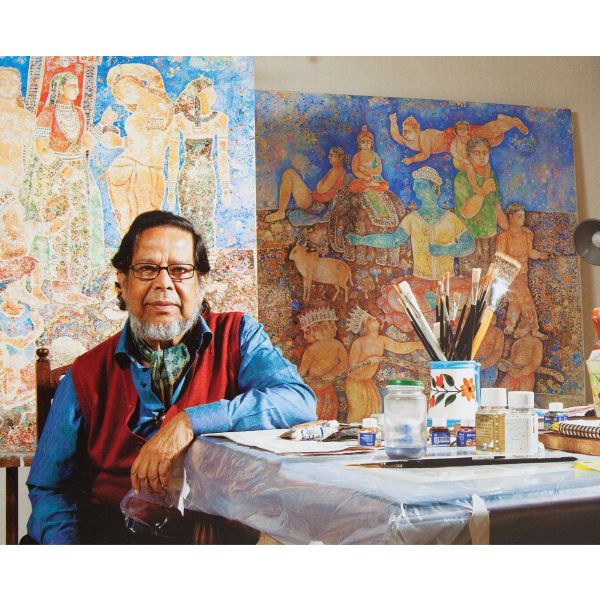 ArtistsSakti Burman$0.00Born in Calcutta, Sakti Burman studied at the city’s Government College of Arts and Crafts, and later at École Nationale des Beaux-Arts, Paris. Like most other Indian artists who studied or lived in the French capital, Paris-based Burman’s works blend European and Indian imagery. Learn More
 -
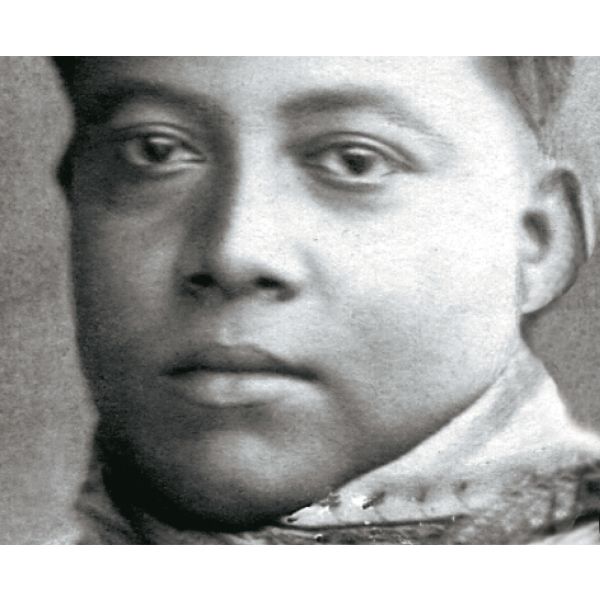 ArtistsProsanto Roy$0.00Born on 25 April 1908, Prosanto Roy joined Brahmacharya Ashram at the age of thirteen, under Rabindranath Tagore’s tutelage. He took to art at a young age, copying the paintings of the great masters. After initial training in art under a European teacher, Roy joined the Tagore residence at Jorasanko in the 1920s. Groomed by Gaganendranath and Abanindranath Tagore, he worked on stage design and illustrated student magazines. Learn More
 -
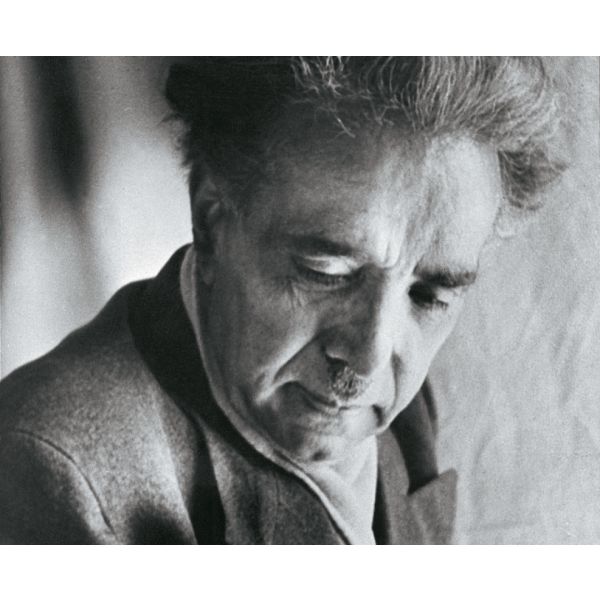 ArtistsM. A. R. Chughtai$0.00Born into a family of artists in Lahore on 21 September 1897, M. Abdur Rahman Chughtai learnt to draw from his father, Mia Karim Baksh. He joined Mayo School of Art in Lahore in 1911, where Samarendranath Gupta, a pupil of Abanindranath Tagore, was vice-principal. He obtained a diploma in photo lithography from Mayo School in 1914, where he went on to become the head instructor in chromo-lithography. He honed his printmaking skills during visits to London in the mid-1930s and exhibited his works across Europe; he also exhibited with Indian Society of Oriental Art in Calcutta around this time. Learn More
 -
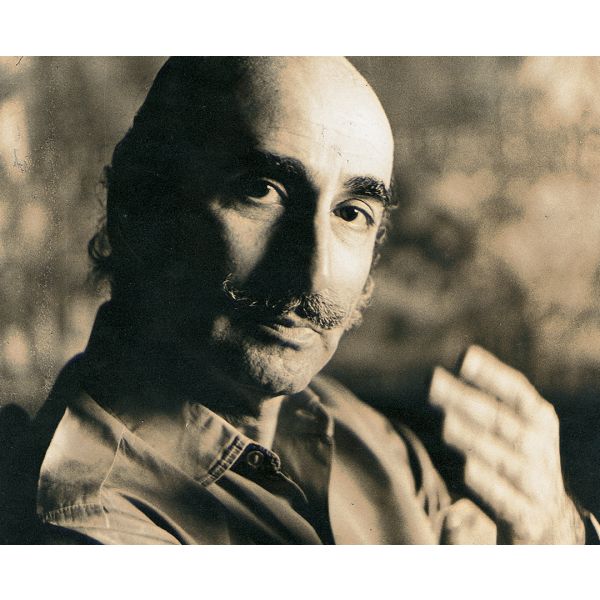 ArtistsJehangir Sabavala$0.00A painter with a strikingly elegant bearing, Jehangir Sabavala was born on 23 August 1922 in an affluent Parsi family in Bombay and grew up in an intellectually charged environment. He studied at Elphinstone College, Bombay, before graduating from Sir J. J. School of Art in 1944. Thereafter, he studied at some of the leading art schools of Europe—The Heatherly School of Art, London (1945-47), Académie André Lhote, Paris (1948-51), Académie Julian, Paris (1953-54), and Académie de la Grande Chaumière, Paris (1957). Learn More
 -
 ArtistsHiranmoy Roychaudhuri$0.00One of the earliest pioneers of European modernism in Indian sculpture, Hiranmoy Roychaudhuri studied under E. B. Havell at the Government School of Art, Calcutta in 1905. He was also one of the earliest Indian artists to go to England to study art; he went to the Royal College of Art, London, in 1910 to train in sculpture. Learn More
 -
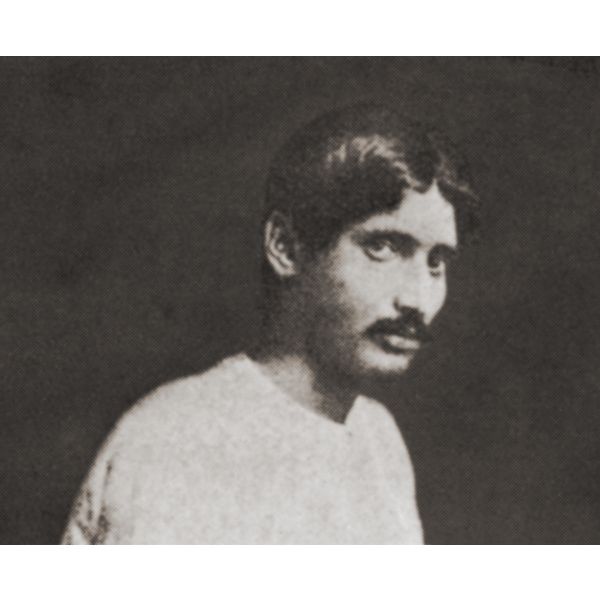 ArtistsHemen Mazumdar$0.00A notable artist of the rebel Jubilee Art School that trained students in the British academic style, breaking away from Abanindranath Tagore’s Orientalist emphasis, Hemendranath Mazumdar enjoyed great artistic success for his academic paintings of sensuous women and portraits of maharajas done in European realist style. Learn More
 -
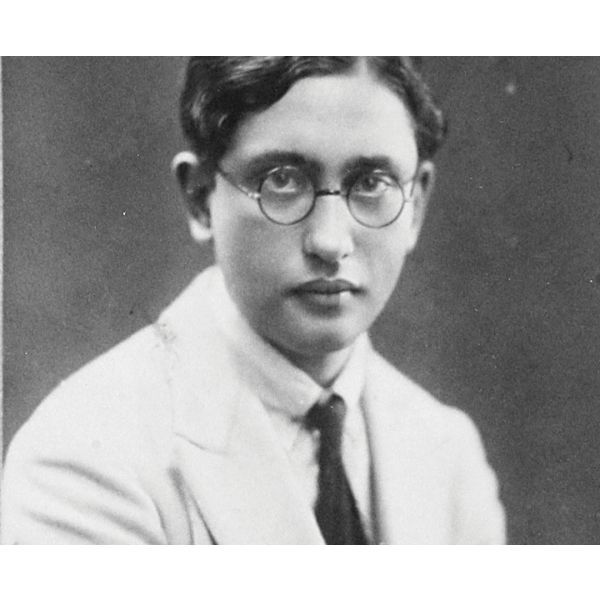 ArtistsGeorge Keyt$0.00Born into a prosperous Ceylonese family of Indo-Dutch origin, George Keyt spent his childhood in an environment where Buddhist, Hindu, Muslim, and European cultures commingled, a premise that would later appear in his work. A self-taught artist, Keyt’s success was unparalleled with many celebrities such as actor Vivian Leigh, writer Evelyn Waugh, poet Pablo Neruda, and photographer Henri Cartier-Bresson, among others, visiting him, his art, his exhibitions. Learn More
 -
 JournalThe Last Effort and Fall of Tippoo Sultaun by Henry Singleton$1.00
Henry Singleton’s The Last Effort and Fall of Tippoo Sultaun belongs to a genre known as history painting: the depiction of important historical events, usually on a large scale, as if they were playing out in front of one’s eyes. Author and parliamentarian Shashi Tharoor and art historian Giles Tillotson explain the lively imagination deployed in Singleton’s painting that depicts the British assault on Seringapatam and the killing of its ruler, Tipu Sultan—himself the source of so many stories that it was difficult to unravel the truth from the many falsities spun by the biased colonial administration and historians of the time.
Learn More -
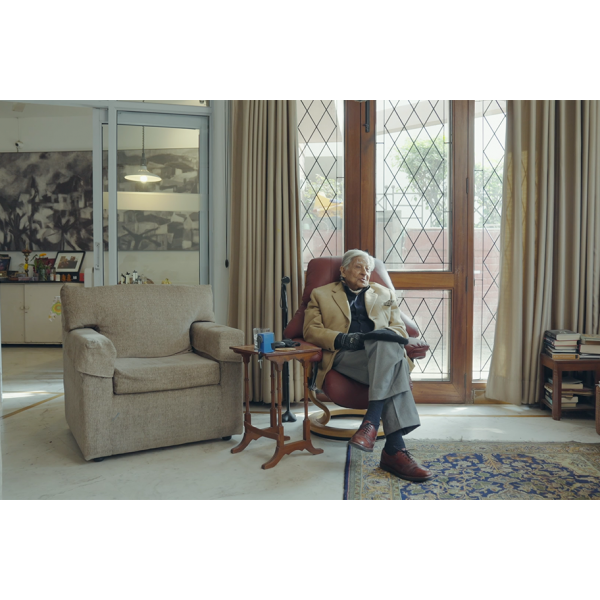 JournalKrishen Khanna on ‘Woman with a Basket of Fruit’$0.00'Iconic Masterpieces of Indian Modern Art, Edition 2' opened on 11 February, featuring fifty artworks which shaped the trajectory of pre-modern and modern art in the country. As part of the exhibition, Krishen Khanna speaks on the relationship between colors in his work and reflects on his painting ‘Woman with a Basket of Fruit’ which draws gestural elements, like the swinging posture, from South Asian bronzes. Learn More
 -
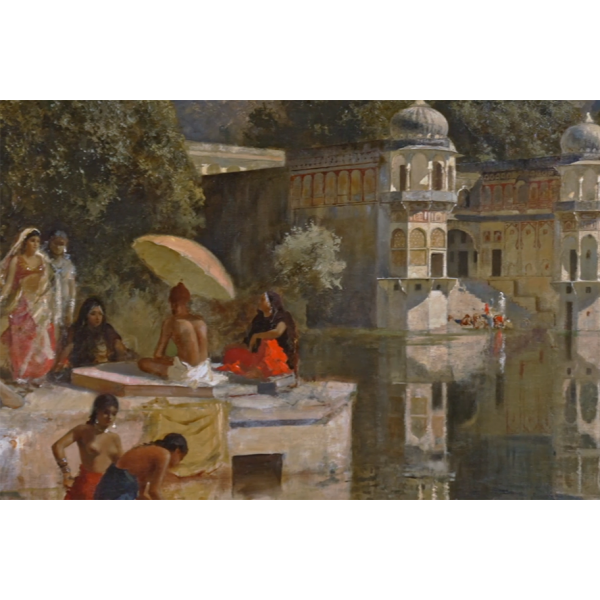 JournalLakshyaraj Singh Mewar on Edwin Lord Weeks$0.00'Iconic Masterpieces of Indian Modern Art, Edition 2' opened on 11 February, featuring fifty artworks which shaped the trajectory of pre-modern and modern art in the country. As part of the exhibition, Lakshyaraj Singh Mewar explores arts patronage in Mewar under Maharaja Fateh Singh and reflects on artist Edwin Lord Weeks’ painting ‘Lake at Oodeypore’, capturing, in the Orientalist style, lake Pichola as the soul of Udaipur. Learn More
 -
 JournalOn Collecting Textiles with Uthra Rajgopal$0.00
Are the histories of art and fashion distinct from each other? Even a cursory glimpse at the contemporary art landscape—on view during occasions such as the India Art Fair, 2023—tells us otherwise. Fabrics, textiles and weaving practices are being increasingly incorporated into the body of works produced by artists today. They bring with them a host of connotations, historical narratives and sensorial memories that working with other media does not. Uthra Rajgopal, a curator and collection adviser for museums, spoke with DAG briefly on the practice of collecting textiles for museums, their historical significance as artworks as well as trading commodities from South Asia, and how contemporary artists are responding to this complex colonial legacy through their own interventions.
Learn More