Search results for: 'dias de la semana en italiano'
-
 JournalOriental Scenery: Aquatints by Thomas & William Daniell$0.00
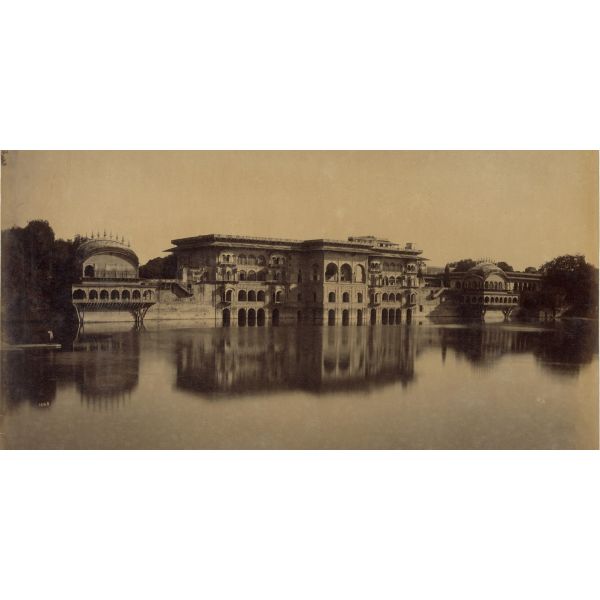
What wonder it must have been for the people in England to ‘see’ India for the first time, the exotica that they had only heard of until then! The artists who made this possible through their paintings and aquatints were the uncle-nephew duo of Thomas Daniell and William Daniell, whose magnum opus, Oriental Scenery, was the subject of this landmark exhibition at Drishyakala, a joint collaboration between DAG and the Archaeological Survey of India.
Learn More -
 ExhibitionsWays of SeeingAs low as $1.00
Do we view things differently as we grow older? What are the perspectives that matter most when viewing art? Do we see things differently as men and women? Do we see art differently as men and women? How does one’s gender impact the creation of art? In the months leading up to ‘Ways of Seeing’, these were some of the questions we posed to ourselves, and we wish we could say that we found a generic, universal response, for there are as many standpoints and views as there are viewers and people. Amrita Sher-Gil Anjolie Ela Menon Anupam Sud Arpana Caur B. Prabha Devayani Krishna Elizabeth Brunner Gogi Saroj Pal Jaya Ganguly Kanchan Chander Kavita Nayar Latika Katt Madhvi Parekh Mrinalini Mukherjee Nalini Malani Navjot Nilima Sheikh Rekha Rodwittiya Shobha Broota Sunayani Devi Vasundhara Tewari Broota Zarina Hashmi Akbar Padamsee Avinash Chandra B. C. Sanyal Baburao Painter Bikash Bhattacharjee D. P. Roy Chowdhury Dharamanarayan Dasgupta Dhruva Mistry F. N. Souza G. R. Santosh Ganesh Pyne George Keyt Haren Das Jagadish Dey Jamini Roy Jogen Chowdhury Jyoti Bhatt K. H. Ara K. S. Kulkarni Khagen Roy Krishen Khanna M. F. Husain M. Suriyamoorthy M. V. Dhurandhar Nandalal Bose P. T. Reddy Prokash Karmakar Sakti Burman Satish Sinha Sudhir Khastgir Sunil Das V. Nageshkar
Learn More -
 ExhibitionsManifestations VIII: 75 ArtistsAs low as $1.00
The exhibition brings together important and unusual works of art that span a wide range of genres, forms, periods and styles. They are grouped by genre, of abstract art, figurative art, landscape art, portraiture and still-life. Each thematic arrangement features a select collection of artworks from the artist’s mature period, several of which are of substantial art historical significance. Ambadas S. K. Bakre Avinash Chandra V. S. Gaitonde Ganesh Haloi Hemanta Misra Jeram Patel Sohan Qadri S. H. Raza Krishna Reddy G. R. Santosh Laxman Shreshtha Figurative J. Sultan Ali A. A. Almelkar Amitava Radha Charan Bagchi Bikash Bhattacharjee Nikhil Biswas Sakti Burman Chittaprosad Bijan Choudhary Prodosh Das Gupta Dharamnarayan Dasgupta Biren De S. Dhanpal M. V. Dhurandhar Shyamal Dutta Ray Early Bengal (Anonymous) K. Laxma Goud Satish Gujral M. F. Husain Kalighat Pat (Anonymous) Prokash Karmakar George Keyt Krishen Khanna P. Khemraj K. S. Kulkarni Ram Kumar Kshitindranath Majumdar Tyeb Mehta Anjolie Ela Menon Rabin Mondal M. Reddappa Naidu Badri Narayan Navjot Laxman Pai Gogi Saroj Pal Gieve Patel Ganesh Pyne Ravi Varma School (Anonymous) P. T. Reddy Jamini Roy Paritosh Sen Sunil Madhav Sen B. Vithal Landscape Akbar Padamsee Kisory Roy F. N. Souza J. Swaminathan Portraits Anonymous Jyoti Bhatt Sankho Chaudhuri Jogen Chowdhury Sunil Das Olinto Ghilardi Surendran Nair M. F. Pithawalla A. A. Raiba Himmat Shah Rabindranath Tagore Still-life K. H. Ara K. K. Hebbar B. Prabha Jehangir Sabavala S. G. Thakur singh
Learn More -
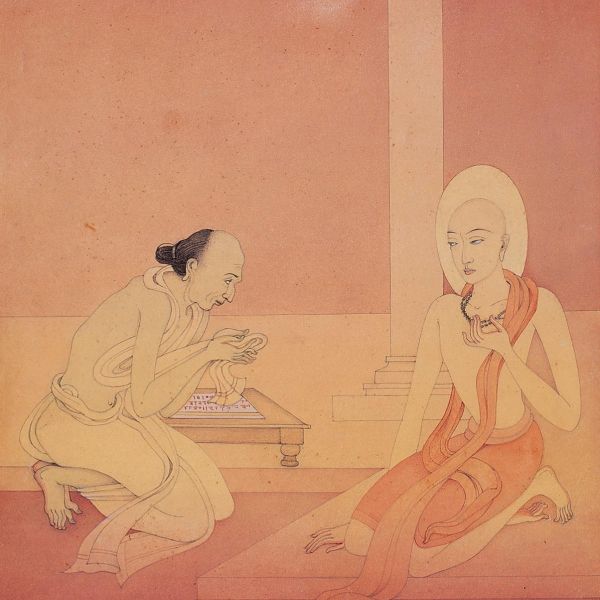
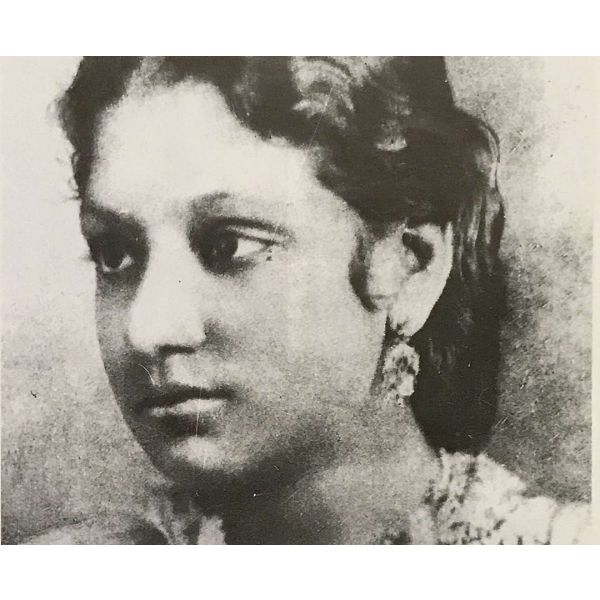 ArtistsSunayani Devi$0.00Sunayani Devi was born on 18 June 1875 in the Tagore family of talented writers and painters—Nobel-laureate Rabindranath Tagore was an uncle, and Gaganendranath and Abanindranath Tagore were her elder brothers. Essentially a self-taught artist, she witnessed the Bengal renaissance, but it was only in her thirties that she began to paint, encouraged by her husband, the grandson of reformist Raja Ram Mohun Roy. Learn More
 -
 ExhibitionsMaster Maqbool: Works by M. F. HusainAs low as $1.00
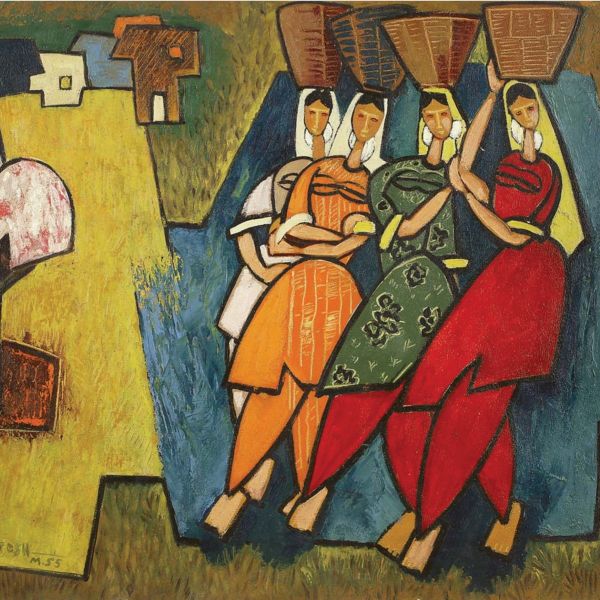
He was the colossus of the Indian art world whose reign over twentieth-century modern art remains unparalleled. M. F. Husain (1913-2011) was the face of Indian modernism and owned it completely. Having started out as a painter of billboards in Bombay, he became its unchallenged monarch as a member of the influential Progressive Artists’ Group in 1947. He claimed the first National Award instituted by the Lalit Kala Akademi in 1955, and went on to become India’s most celebrated artist. In a practice that spanned over seventy years, Husain was playful, experimental, provocative, controversial—but never mediocre.
Learn More -
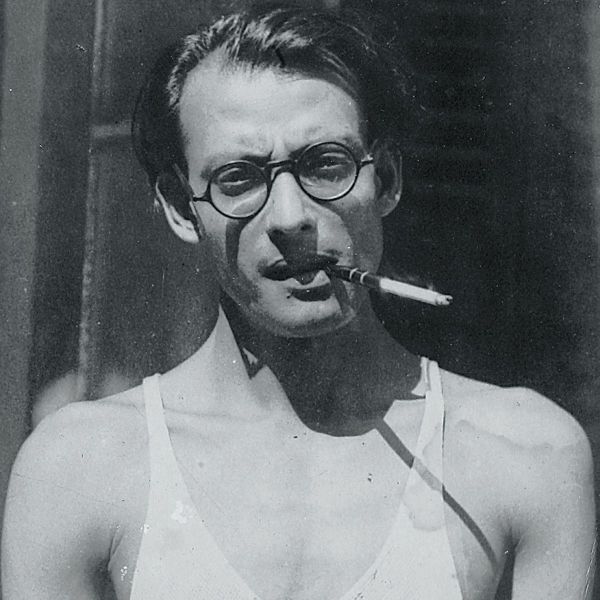 ExhibitionsChittaprosadAs low as $1.00
One of India’s most important artists, Chittaprosad recorded pivotal political and social movements in the country, such as the Great Bengal Famine of 1943-44 and its fallout, in heart-wrenching sketches and drawings, alongside protests against colonialism, economic exploitation, urban poverty and depravity, just as beautifully as the many drawings, linocuts and scraper board illustrations he made for children, recording a beatific phase of plenitude and family values, and involving himself with marionettes for their entertainment.
Learn More -
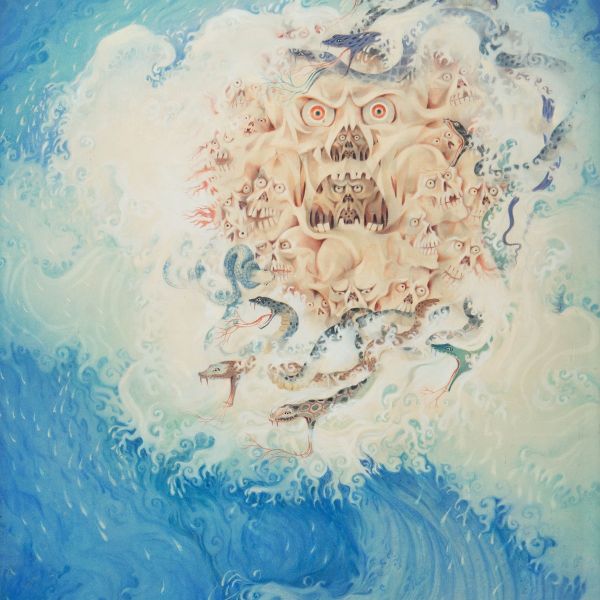 ExhibitionsNavrasaAs low as $1.00
The pinwheel of emotions is the genesis of our current exhibition, 'Navrasa: The Nine Emotions of Art'. This unique treatise of emotions and moods has formed the foundation for the performing and visual arts in India. As we researched deeper to explore the dynamics it shares with Indian modern art, we found that all emotions are intrinsically linked with each other, that they trigger actions and reactions and are catalysts for change. 'Navrasa' explores Indian modernism and looks at the works of masters through the nine primary emotions, and breaks new ground in the visualisation of Indian art. Raiba A. H. Muller A. Ramachandran Altaf Amal Nath Chakladar Amit Ambalal Anonymous Anonymous (Bengal ‘School’) Anonymous (Early Bengal School) Anonymous (Early Bengal, Kalighat Style) Anonymous (Kalighat Pat Anupam Sud Arpana Caur Arun Bose Arup Das Asit Haldar B. N. Arya B. Prabha Badri Narayan Bijan Choudhury Bikash Bhattacharjee Bireswar Sen C. Douglas Chintamoni Kar Chittaprosad D. P. Roy Chowdhury Dattatraya Apte Dharamanarayan Dasgupta F. N. Souza G. Reghu Gogi Saroj Pal Gopal Ghose Gopal Sanyal Haren Das Indu Rakshit J. Sultan Ali Jagadish Dey Jai Zharotia Jamini Roy Jaya Ganguly Jogen Chowdhury Jyoti Bhatt K. C. S. Paniker K. G. Subramanyan K. H. Ara K. K. Hebbar K. S. Kulkarni Kanchan Chander Kartick Chandra Pyne Krishen Khanna Kshitindranath Mazumdar Laxman Pai M. F. Husain Madhvi Parekh Mukul Dey Navjot Nemai Ghosh Nikhil Biswas P. S. Chander Shekar P. T. Reddy Paritosh Sen Prodosh Das Gupta Prokash Karmakar Rabin Mondal Radhacharan Bagchi Raja Ravi Varma Rameshwar Broota Ranbir Singh Kaleka S. Dhanapal Sakti Burman Sanat Chatterjee Sanat Kar Satish Gujral Satish Sinha Shyamal Dutta Ray Somnath Hore Stefan Norblin Subba Ghosh Sudhir Khastgir Sukhvinder Singh Sunil Das Sunil Madhav Sen Thota Vaikuntam Tyeb Mehta V. Nageshkar
Learn More -
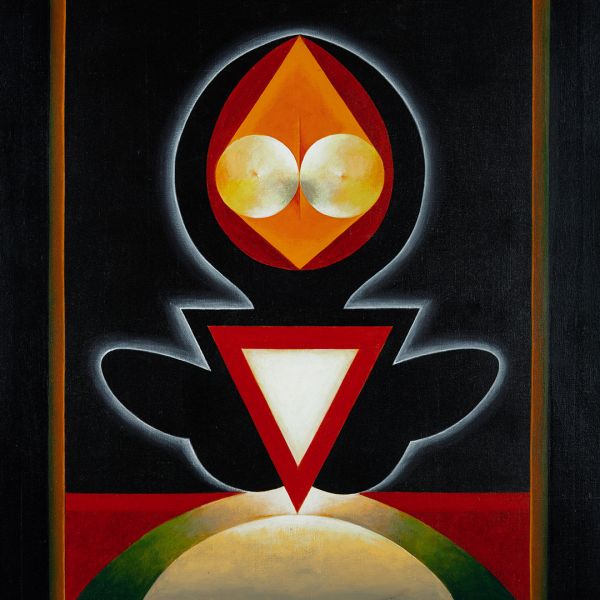 Art FairsFrieze Masters 2023$1.00The medieval ages saw the rise in India and parts of Asia of philosophical, theological, cultural, literary and visual manifestations that derived from diverse faiths but with one aim—to attain enlightened liberation. Its resistance to Brahmanical texts and hegemony resulted in the creation of geometrical aesthetics that were interpreted by way of texts, paintings, and architecture and had a monumental impact on society. At the centre of its geometric configurations—the triangle, the square, and the circle—lay the idea of Creation itself, the source of primal energy that could to be diverted towards a higher consciousness, and all universe was manifest in this. Learn More
 -
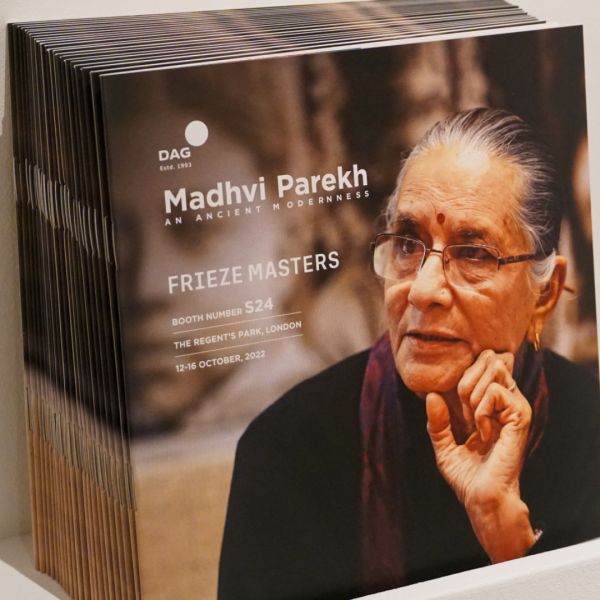 Art FairsFRIEZE MASTERS LONDON$1.00
January 2022 marked an incredible culmination in the life and career of Madhvi Parekh whose journey began from a small village in western India and has taken her, against incredible odds, to the world’s most glittering cities and capitals on the strength of her art practice. At the Paris Haute Couture Week in January, audiences around the world saw Dior launch its new spring/ summer 2022 range against striking tapestries inspired by her paintings made over a six-decade career that has had no parallel in Indian art. Often extolled as a ‘woman’ painter, Madhvi Parekh’s art has never been premised on gender. Instead, she occupies an artistic realm with strong ethical values based on a sense of humanitarianism, environmental inclusion, and memory.
Learn More -
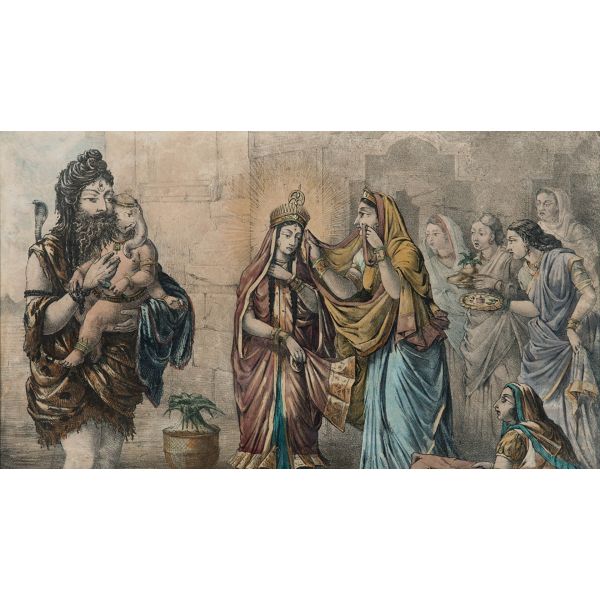 Institutional CollaborationsThe Printed Picture: Four Centuries of Indian Print-Making$1.00
As printing technologies improved around the turn of the 18th century, a large number of cheaply reproduced printed pictures—illustrated books, almanacs and mythological images—became available to the common people. This became an important vehicle of social change because people could own, produce and disseminate images of all kinds—from their beloved deities and favourite fictional characters to political cartoons critiquing colonial authorities. Printmaking was equally treasured by artists for its aesthetic potential, as techniques like lithography, etching, metal engraving, viscosity, gave practitioners infinite opportunities for creative exploration. This landmark exhibition gives us a comprehensive overview of the history of the printed picture in India.
Learn More -
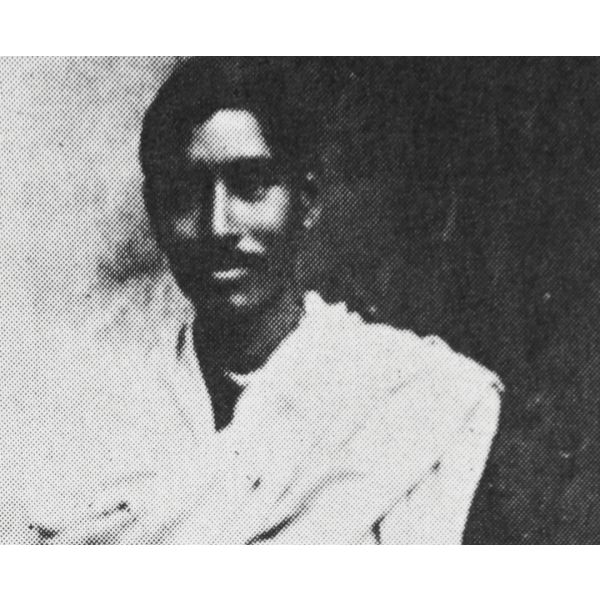 ArtistsJogesh Chandra Seal$0.00Jogesh Chandra Seal was an active member of the enthusiastic art scene of Calcutta in the early decades of the twentieth century. However, due to his short life of thirty-one years, he could not leave behind a comprehensive body of work. His academic oil paintings, Untitled (Disappointed), 1919, and Lady Lighting a Diya, 1921, have recently appeared at international auctions, bringing spotlight on this accomplished artist who was closely associated with the values of the Bengal School of painting. Learn More