


Search results for: 'vivo si me exiges latin mafia chords guitarra'
-
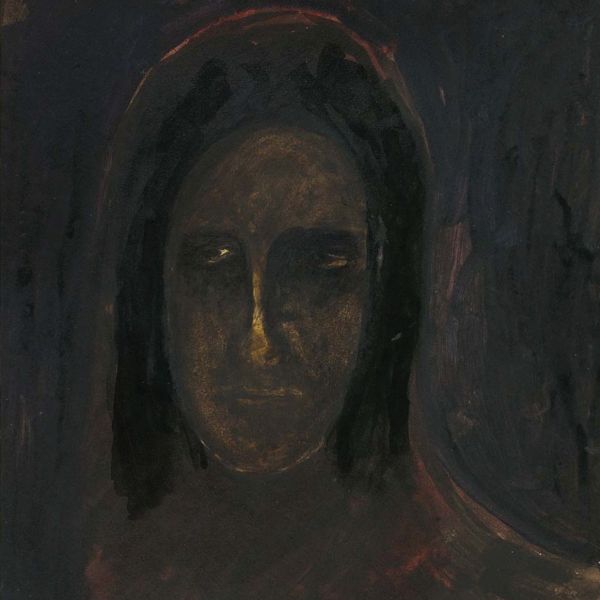 ExhibitionsThe Art Of SantiniketanAs low as $1.00
The Art of Santiniketan showcases the work of its four chief artists—Santiniketan’s founder, Rabindranath Tagore, its first principal and the architect of the Santiniketan pedagogy, Nandalal Bose, and his two illustrious students who went on to make a name for themselves as highly original and significant artists—Benode Behari Mukherjee and Ramkinkar Baij. Santiniketan was a path-breaking educational institution Rabindranath Tagore set up in rural Bengal in the early twentieth century, and the exhibition begins by examining its genesis in Tagore’s radical ideas of basing education in freedom and in the midst of nature. Benode Behari Mukherjee Nandalal Bose Rabindranath Tagore Ramkinkar Baij
Learn More -
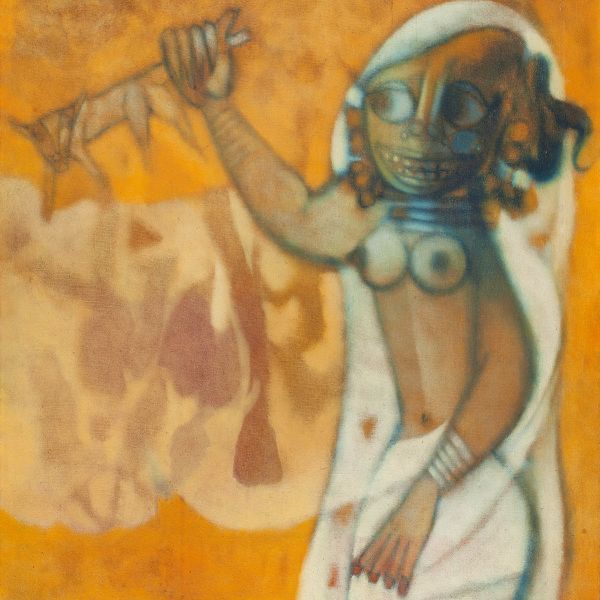 ExhibitionsThe Gold SeriesAs low as $1.00
When we launched the Silver Series in May 2020 as our attempt to stay engaged with art-lovers no longer able to visit our galleries, we were unsure of the response. But the feedback we received was heartening, and it was backed by commensurate sales to prove that the art-loving fraternity supported the initiative and gave it a resounding thumbs-up. J. Sultan Ali Altaf Amit Ambalal Amitava Anonymous (Early Bengal) Anonymous (Kalighat Pat) Anonymous (Portraiture) K. H. Ara Prabhakar Barwe Bikash Bhattacharjee Nikhil Biswas Nandalal Bose Eric Bowen Shobha Broota Sakti Burman Avinash Chandra Jogen Chowdhury Sunil Das Prodosh Das Gupta Shanti Dave Rajendra Dhawan M. V. Dhurandhar K. Laxma Goud Satish Gujral Zarina Hashmi K. K. Hebbar M. F. Husain George Keyt Krishen Khanna K. S. Kulkarni Ram Kumar Rabin Mondal S. Nandagopal Laxman Pai Gogi Saroj Pal Madhvi Parekh Jeram Patel Ganesh Pyne Sohan Qadri A. A. Raiba S. H. Raza P. T. Reddy Rekha Rodwittiya Jamini Roy G. R. Santosh Paritosh Sen F. N. Souza Anupam Sud Ramgopal Vijaivargiya
Learn More -
 ExhibitionsIndian DivineAs low as $1.00
The exhibition, Indian Divine, begins with the late nineteenth century art on mythological and religious themes from regions as diverse as Bombay and Bengal—these include Western style oil paintings of deities by such well-known artists of the academic realist styles as Raja Ravi Varma and M. V. Dhurandhar, and mythological/ religious episodes and figures featured in the hybrid style, a mix of Western realistic painting and traditional Indian art and concerns—the Early Bengal style, a very popular form, of which the exhibition presents over fifty works. It goes on to document Kalighat paintings on religious and mythological themes from the late nineteenth and early twentieth centuries that were very popular, as well popular bazaar prints on these themes that flooded the markets with the advent of lithography and mechanical printing. 19th-20th century Popular Print Art School Print A. A. Almelkar A. A. Raiba A. P. Bagchi Asit Haldar B. C. Law B. N. Jija Baburao Painter Bat-tala Print (Anonymous) Bikash Bhattacharjee Bipin Behari Goswami Bishnupada Roychowdhury Chittaprosad D. B. Onkar D. D. Burman D. N. Sharma Debabrata Chakraborty Devyani Krishna Dhanraj Bhagat Dhirendra Narayan Dhruva Mistry Dipen Bose Early Bengal Early Bengal (Anonymous) F. N. Souza G. R. Santosh Ganesh Pyne Gogi Saroj Pal Haren Das Heramba Kumar Ganguly Indu Rakshit J. Sultan Ali Jamini Roy K. C. Pyne K. K. Hebbar K. Laxma Goud K. S. Kulkarni Kalighat pat (Anonymous) Kalipada Ghoshal Kamal Chattopadhyay Kanwal Krishna Krishen Khanna Kshitindranath Majumdar Laxman Pai M. F. Husain M. V. Dhurandhar Madhvi Parekh Mukul Dey Nandalal Bose Nihar Ranjan Sengupta P. T. Reddy P. V. Janakiram R. Vijaivargiya Rabin Mondal Radha Charan Bagchi Raja Ravi Varma Ramananda Bandhopadhyay Ramendranath Chakravorty Ranada Charan Ukil Ravi Varma School (Anonymous) Reddappa Naidu Roopkrishna S. Dhanapal S. G. Vasudev Sanat Chatterjee Sanjay Bhattacharya Sarada Charan Ukil Shyamal Dutta Ray Sohan Qadri Sudhanshu Ghosh Sudhir Ranjan Khastagir Sunil Das Sunil Madhav Sen Surendranath Ganguly V. Nageshkar
Learn More -
 ExhibitionsMarch to FreedomAs low as $1.00March to Freedom re-interprets the well-known story of the Indian freedom struggle and anticolonial movement through works of art and some historic artefacts. Drawn from the collections of DAG, they range from eighteenth and nineteenth century European paintings and prints, to lesser known works by Indian artists that merit greater recognition, alongside some iconic pieces. Rather than following the usual chronological path, the story is structured around eight themes. Each represents one arena, or stage, on which the anti-colonial struggle took place, to expand the story beyond politics, politicians, and battles (which also feature). Conceived to commemorate and celebrate the 75th anniversary of India’s independence, this visual journey seeks to do more. A. A. Raiba Asit Kumar Haldar Alfred Crowdy Lovett Atul Bose Baburao Sadwelkar Bijan Chowdhury Biren De C. Stanfield Charles D’Oyly Charles Shepherd Charles Walter D’Oyly Chintamoni Kar Chittaprosad Dattatraya Apte David Gould Green Devayani Krishna D. Newsome Edward Orme Gobardhan Ash Gopal Ghose G. Tait Haren Das Hemanta Misra Henri Cartier-Bresson Henry Martens Henry Salt Henry Singleton Jacob Epstein James Hunter James Fraser John Gantz John Jabez Edwin Mayall K. K. Hebbar Kanwal Krishna K. C. S. Paniker K. G. Subramanyan K. Sreenivasulu K. S. Kulkarni Laxman Pai M. Eyre Proudman M. K. Parandekar M. S. Morgan Nemai Ghosh N. R. Sardesai Prahlad Anant Dhond Paritosh Sen Prokash Karmakar P. T. Reddy Radha Charan Bagchi Robert Dodd R. Vijay Satish Gujral Satish Sinha S. Dhanapal Stella Brown Sudhir Khastgir Sushil Chandra Sen Sunil Das Sunil Madhav Sen Thomas Anbury Thomas Daniell Thomas Jones Barker V. A. Mali V. B. Pathare V. Veevers William Daniell William Hodges Anonymous Artists Learn More
 -
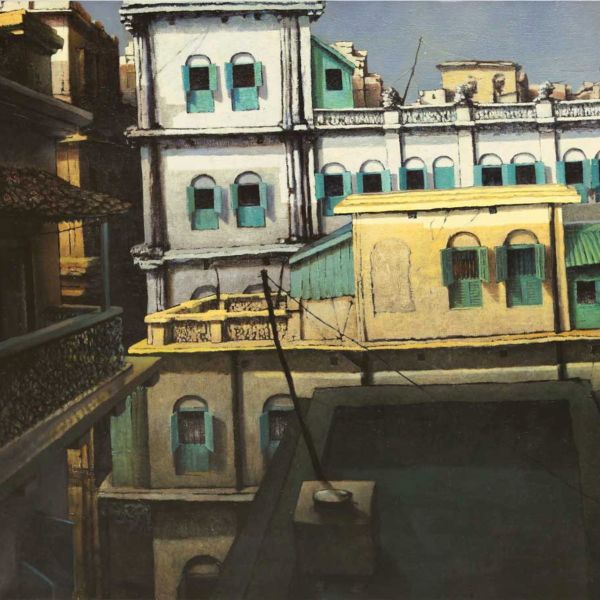 ExhibitionsManifestations 5: 75 ArtistsAs low as $1.00
The fifth edition in the Manifestations series continues the tradition of showcasing the very best of Indian modern art. Seventy-five artists feature in Manifestations 5, bringing together the country’s best known and most established modern artists. To reduce the work of one whole century (give or take a few decades more or less) could be flawed, for this most dynamic period in Indian art history covers many genres, styles, mediums, and influences, and is difficult to paraphrase, especially in the absence of a theme for the collection. It is for this reason that the selection has to be incisive, open to change till the very end, where the addition, or deletion, can change the contextual bird’s eye-view we hope to provide in every series. The exhibition is accompanied by our traditional publication that helps to create a comprehensive understanding about the exhibition’s curatorial decisions. A. H. Muller Altaf Ambadas Amit Ambalal Amitava Arpita Singh Avinash Chandra Badri Narayan Bhupen Khakhar Bikash Bhattacharjee Bimal Dasgupta Biren De Bireswar Sen C. Douglas Chintamani Kar Chittaprosad D. P. Roy Chowdhury Dhanraj Bhagat Dharamnarayan Dasgupta F. N. Souza G. R. Santosh Ganesh Haloi Ganesh Pyne Gogi Saroj Pal Gopal Ghose Himmat Shah Indra Dugar J. C. Seal J. Sultan Ali J. Swaminathan Jamini Roy Jeram Patel Jogen Chowdhury Jyoti Bhatt K. C. S. Panicker K. H. Ara K. K. Hebbar K. Laxma Goud K. S. Kulkarni Krishen Khanna Kshitindranath Majumdar L. Munuswamy Lalu Prasad Shaw Laxman Pai M. F. Husain M. V. Dhurandhar Nandalal Bose Navjot Nikhil Biswas P. Khemraj Paritosh Sen Partha Pratim Deb Prabhakar Barwe Prodosh Das Gupta Prokash Karmakar Prosanto Roy Rabin Mondal Rabindranath Tagore Rameshwar Broota Ramkinkar Baij Rekha Rodwittiya S. H. Raza S. L. Haldankar Satish Gujral Shobha Broota Sohan Qadri Sunil Das Sunil Madhav Sen Surendran Nair V. S. Gaitonde Vasudha Thozhur Ved Nayar Viswanadhan Vivan Sundaram Zarina Hashmi
Learn More -
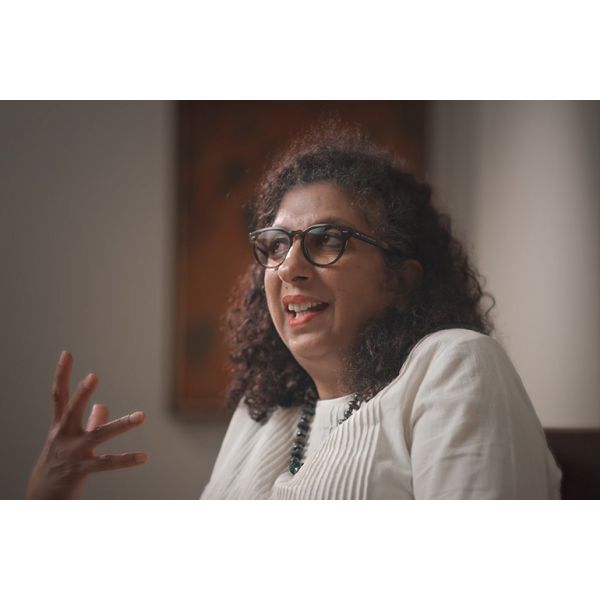 JournalEighty-Five Safety Pins by Prabhakar Barwe$1.00
Prabhakar Barwe’s Eighty-Five Safety Pins is a pioneering work that merges technology and traditional art. Created in 1991 using graphic design software on an Apple Macintosh, Barwe explored the concept of pixels, a hallmark of the digital era, while incorporating his signature enamel paint. This innovative approach reflects his curiosity about embracing the unknown future and reinterpreting it artistically. By abstracting the safety pin from its conventional form, Barwe invites viewers to reconsider its essence, offering an open-ended visual experience that challenges preconceived notions and encourages alternative perspectives. Art connoisseur Shireen Gandhy, a friend of the late artist, takes us behind the making of this extraordinary painting.
Learn More -
 JournalThakor Becharsinhji of Chuda by Frank Brooks$1.00
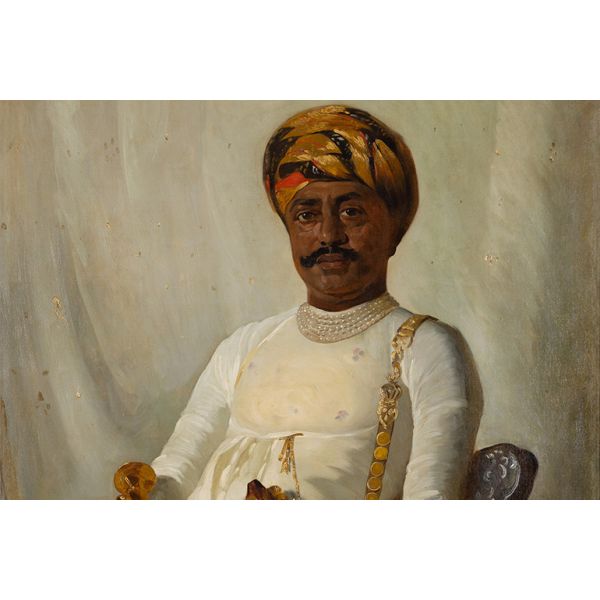
Did you know that the portrait painter Frank Brooks whose two trips to India won him commissions from the rulers of principalities in the Bombay Presidency, trained Raja Ravi Varma’s brother in the art of figure painting? For his second India voyage (1892-93), he was invited specially to paint the heads of the twenty-eight rulers of the Kathiawar Agency. The subject of this stunning portrait is Thakur Becharsinhji of Chuda, a state so small it did not even merit a gun salute for its ruler. Explore in detail with Kishore Singh, SVP, DAG.
Learn More -
 JournalOn Collecting Textiles with Uthra Rajgopal$0.00
Are the histories of art and fashion distinct from each other? Even a cursory glimpse at the contemporary art landscape—on view during occasions such as the India Art Fair, 2023—tells us otherwise. Fabrics, textiles and weaving practices are being increasingly incorporated into the body of works produced by artists today. They bring with them a host of connotations, historical narratives and sensorial memories that working with other media does not. Uthra Rajgopal, a curator and collection adviser for museums, spoke with DAG briefly on the practice of collecting textiles for museums, their historical significance as artworks as well as trading commodities from South Asia, and how contemporary artists are responding to this complex colonial legacy through their own interventions.
Learn More -
 JournalBefore the Chaos of Destruction: Jeram Patel's Iconic Works$0.00
Artists often proceed through a trial and error method—an incessant experimentation—leaving behind a singular trail of oeuvre composed of an irreconcilable, yet inseparable, set of works. Born in the small town of Sojitra in the Kheda district of Gujarat, Jeram Patel studied drawing and painting at Sir J. J. School of Art, Bombay. In 1959, excellence in his work led him to pursue commercial design at Central School of Arts and Crafts, London, on a scholarship, and also travel to France and Japan. Thereafter, he successfully held solo exhibition at various places in India and abroad, and participated in international events such as the Tokyo Biennale and Sao Paulo Art Biennale (both in 1963).
Learn More -
 JournalSinging the Body Electric: A Conversation with Gogi Saroj Pal$0.00
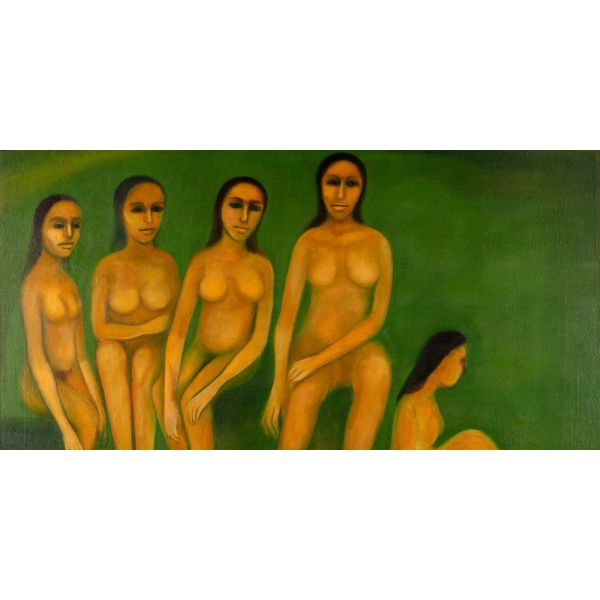
Gogi Saroj Pal is one of India's most important artists working with the female body.
Learn More -
 ExhibitionsManifestations VIII: 75 ArtistsAs low as $1.00
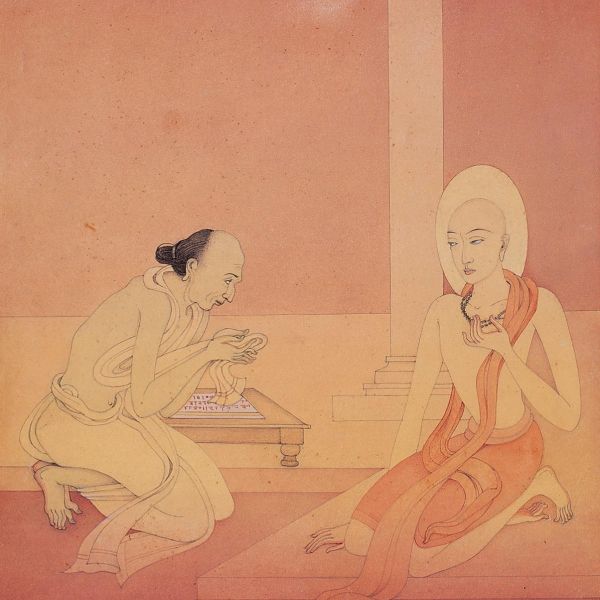
The exhibition brings together important and unusual works of art that span a wide range of genres, forms, periods and styles. They are grouped by genre, of abstract art, figurative art, landscape art, portraiture and still-life. Each thematic arrangement features a select collection of artworks from the artist’s mature period, several of which are of substantial art historical significance. Ambadas S. K. Bakre Avinash Chandra V. S. Gaitonde Ganesh Haloi Hemanta Misra Jeram Patel Sohan Qadri S. H. Raza Krishna Reddy G. R. Santosh Laxman Shreshtha Figurative J. Sultan Ali A. A. Almelkar Amitava Radha Charan Bagchi Bikash Bhattacharjee Nikhil Biswas Sakti Burman Chittaprosad Bijan Choudhary Prodosh Das Gupta Dharamnarayan Dasgupta Biren De S. Dhanpal M. V. Dhurandhar Shyamal Dutta Ray Early Bengal (Anonymous) K. Laxma Goud Satish Gujral M. F. Husain Kalighat Pat (Anonymous) Prokash Karmakar George Keyt Krishen Khanna P. Khemraj K. S. Kulkarni Ram Kumar Kshitindranath Majumdar Tyeb Mehta Anjolie Ela Menon Rabin Mondal M. Reddappa Naidu Badri Narayan Navjot Laxman Pai Gogi Saroj Pal Gieve Patel Ganesh Pyne Ravi Varma School (Anonymous) P. T. Reddy Jamini Roy Paritosh Sen Sunil Madhav Sen B. Vithal Landscape Akbar Padamsee Kisory Roy F. N. Souza J. Swaminathan Portraits Anonymous Jyoti Bhatt Sankho Chaudhuri Jogen Chowdhury Sunil Das Olinto Ghilardi Surendran Nair M. F. Pithawalla A. A. Raiba Himmat Shah Rabindranath Tagore Still-life K. H. Ara K. K. Hebbar B. Prabha Jehangir Sabavala S. G. Thakur singh
Learn More -
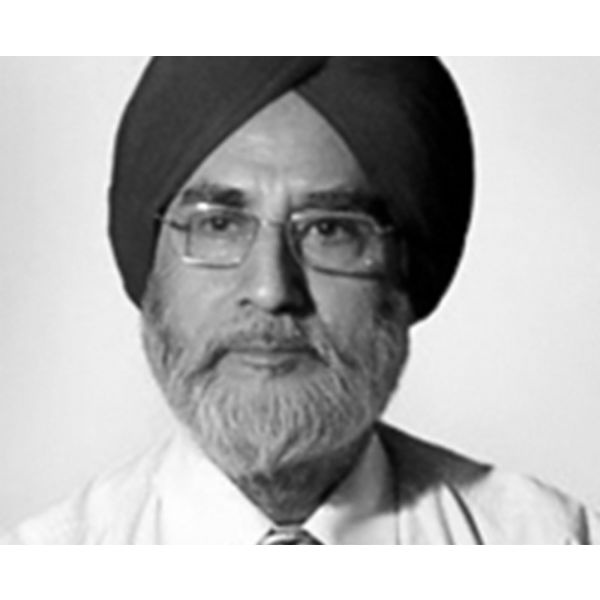 ArtistsParamjeet Singh$0.00Well-known for his silkscreen prints, Paramjeet Singh was born and brought up in Jamshedpur in present-day Jharkhand where career prospects appeared limited to engineering or medicine. His parents hoped he would study architecture, but destiny had other plans as a friend took Singh to a local art class, which spurred his interest in drawing and painting. Learn More