


Search results for: 'mom to mom sale Pankow theatre bld clinton township mi'
-
 Events and ProgrammesRelearning the Fresco$1.00
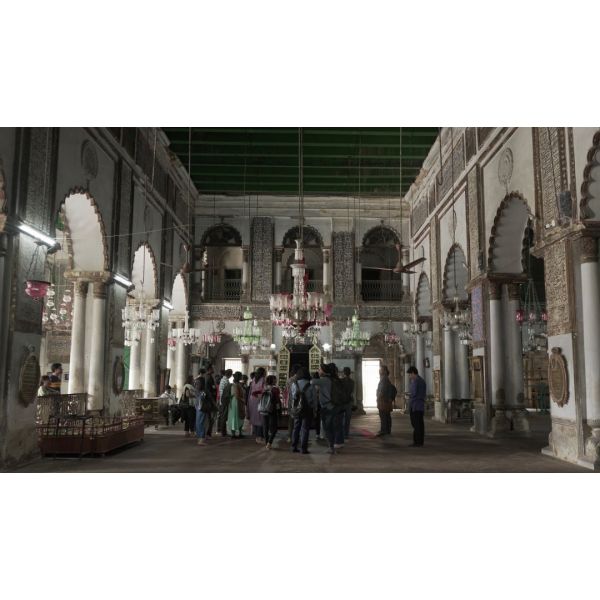
An art workshop and a tour of the Hooghly Imambara, relating the history of this iconic monument and the remaking of the fresco paintings that adorn its interiors with Agnibesh Ghosh, Mirza Sajid Ali and Sumantra Mukherjee.
Learn More -
 Art FairsIndia Art Fair$0.00
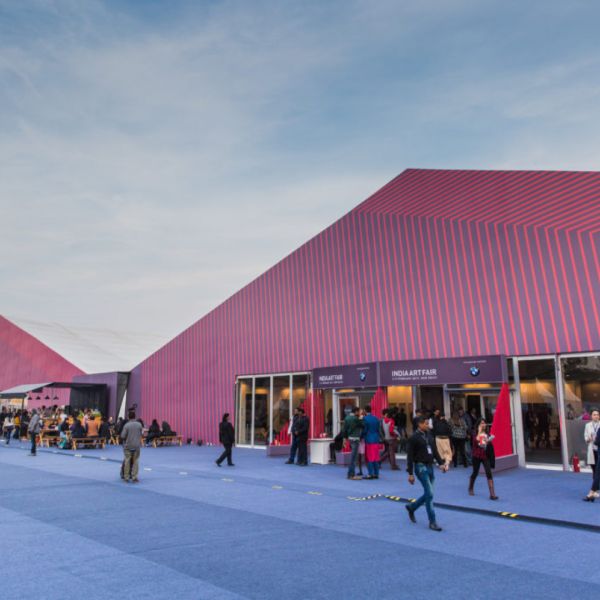
The 2015 edition of the India Art fair saw DAG securing a lavish booth across two different spaces spread over 11,000 sq. ft. Likened to a museum (albeit a temporary one), the gallery presented a show of close to one thousand artworks that consisted of both paintings and sculptures. The thematically curated exhibition consisted of nine categories: pre-modern art, the Bengal school, academic realism, the Bombay Progressive artists, high modernism, the Baroda School and Group 1890, the Cholamandal artists, tantra and sculptures. This categorically-placed collection successfully attempted to showcase the dynamic range of Indian art over two hundred years. A special sculpture gallery was set up in a covered courtyard and featured the largest sculpture in India—by K. S. Radhakrishnan. Pre-Moderns Early Bengal Kalighat Pat Company School Popular Prints Birth of Modernism M. R. Achrekar Almelkar Radha Charan Bagchi Richard Barron Pestonji E. Bomanji Atul Bose Sakti Burman William Carpenter Jogen Chowdhury Devraj Dakoji Thomas Daniell John Deschamps M. V. Dhurandhar Indra Dugar J. P. Gangooly Olinto Ghilardi S. L. Haldankar K. K. Hebbar Benjamin Hudson D. C. Joglekar Prahlad C. Karmakar J. A. Lalkaka B. C. Law Hemendranath Mazumdar M. Mali H. Muller Ramaswamy Naidu M. K. Parandekar William Parker Prema Pathare V. B. Pathare M. F. Pithawalla Portraiture (Anonymous) Thomas Prinsep Abalall Rahiman ‘Ravi Varma School’ Kisory Roy Baburao Sadwelkar N. R. Sardesai Bireswar Sen Lalit Mohan Sen Sushil Chandra Sen S. G. Thakar Singh Satish Chandra Sinha L. N. Taskar Raja Ravi Varma Revivalism and Beyond Radha Charan Bagchi Bengal School (Anonymous) Nandalal Bose Ramendranath Chakravorty M. A. R. Chughtai Haren Das Sunayini Devi 438 Mukul Dey Surendranath Ganguly Asit Kumar Haldar Chintamoni Kar Kshitindranath Majumdar Indu Rakshit Prosanto Roy Bisnhupada Roychowdhury D. P. Roy Chowdhury Abanindranath Tagore Sarada Charan Ukil Ramgopal Vijaivargiya Jamini Roy Santiniketan: A New Expressionism Ramkinkar Baij Nandalal Bose Benode Behari Mukherjee The Bengal Famine in Art Gobardhan Ash Ramkinkar Baij Chittaprosad Somnath Hore Bengal Modernist Calcutta Group Gopal Ghose Hemanta Misra Prankrishna Pal Paritosh Sen Sunil Madhav Sen Calcutta Painters Nikhil Biswas Bijan Chowdhury Jogen Chowdhury Prokash Karmakar Rabin Mondal Society of Contemporary Artists Bikash Bhattacharjee Sunil Das Shyamal Dutta Ray Ganesh Haloi Ganesh Pyne Lalu Prasad Shaw Lone Stars: Other Bengal Modernists Amalnath Chakladhar Partha Pratim Deb Nemai Ghosh Somnath Hore Sudhir Ranjan Khastgir Sailoz Mookherjea Gaganendranath Tagore Rabindranath Tagore Rise of Modernsim K. H. Ara S. K. Bakre Bal Chhabda H. A. Gade V. S. Gaitonde M. F. Husain Krishen Khanna Ram Kumar Tyeb Mehta Akbar Padamsee S. H. Raza Mohan Samant F. N. Souza A Modern Vernacular Baroda School N. S. Bendre Devraj Dakoji Shanti Dave Bhupen Khakhar Dhruva Mistry Haku Shah Nilima Sheikh K. G. Subramanyan Vivan Sundaram Group 1890 Ambadas Jyoti Bhatt Eric Bowen Jeram Patel Raghav Kaneria Himmat Shah Gulammohammed Sheikh J. Swaminathan Alternate Sensibilities Discourses in Feminism Arpana Caur Nalini Malani Navjot Gogi Saroj Pal Anupam Sud A Language of Minimalism Zarina Hashmi Nasreen Mohammedi The Topsy Turvy World of Magic Realism Amit Ambalal Sakti Burman Dharamnarayan Dasgupta Ranbir Singh Kaleka Sanat Kar P. Khemraj Anjolie Ela Menon New Delhi Modernists Amitava Manjit Bawa Rameshwar Broota Shobha Broota Bimal Dasgupta Biren De Manu Parekh Ved Nayar Ramachandran G. R. Santosh Arpita Singh Silpi Chakra Group Dhanraj Bhagat Avinash Chandra Satish Gujral Bishamber Khanna Devayani Krishna Kanwal Krishna K. S. Kulkarni C. Sanya Mumbai Modernists Altaf Prabhakar Barwe Chittaprosad K. K. Hebbar George Keyt Gieve Patel Prabha Raiba V. Nageshkar Jehangir Sabavala Laxman Shreshtha Region and Identity Cholamandal Artists’ Village J. Sultan Ali Reddappa Naidu Akkitham Narayanan K. C. S. Paniker K. Ramanujam M. Senathipathi S. G. Vasudev V. Viswanadhan Modernists of the South K. M. Adimoolam R. B. Bhaskaran S. Dhanapal P. V. Janakiram L. Munuswamy P. Santhanraj Laxman Pai K. Laxma Goud Badri Narayan G. Ravinder Reddy Krishna Reddy P. T. Reddy S. Krishnaswamy Srinivasulu Thota Vaikuntam Sacred and Sensual Neo-Tantra as a Modern Conceit Jyoti Bhatt Sunil Das Biren De K. V. Haridasan Jeram Patel Sohan Qadri P. T. Reddy G. R. Santosh Erotic Art Ramkinkar Baij Sunil Das K. Laxma Goud M. F. Husain Ranbir Singh Kaleka Prokash Karmakar K. S. Kulkarni Laxman Pai P. T. Reddy G. R. Santosh F. N. Souza Modernism in Indian Sculpture Ramkinkar Baij S. K. Bakre P. Roy Chowdhury Jogen Chowdhury Sankho Chaudhuri Prodosh Das Gupta M. Davierwala Jacob Epstein Tarak Garai Bipin Behari Goswami Satish Gujral Asit Kumar Haldar Dhruva Mistry Mrinalini Mukherjee S. Nandagopal Navjot Nagji Patel K. S. Radhakrishnan S. H. Raza Jamini Roy Himmat Shah Prabhas Sen B. Vithal Other Sculptors
Learn More -
 ExhibitionsHome is a PlaceAs low as $1.00
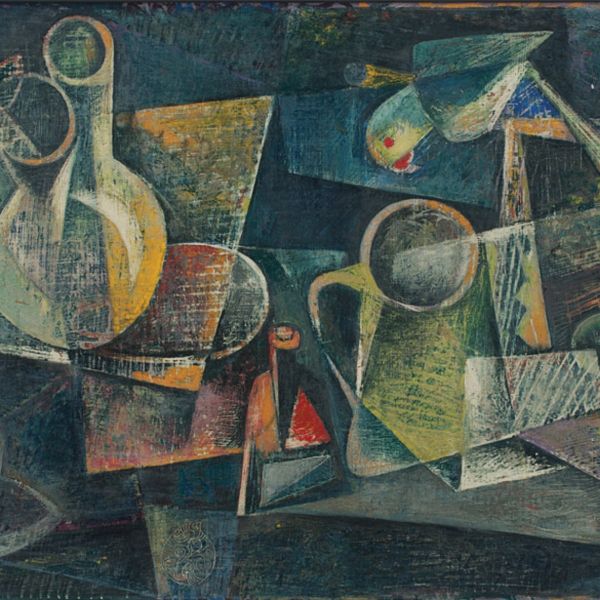
'Home is a Place’ explores the visual world of the home as a physical space having both an exterior and an interior—with all its magic, hope and memories—in villages and towns. Our homes are central to our existence and society, being the reason for shaping towns and countries, civilisations and histories. The exhibition covers the complexity of lives within the jurisdiction of the home—women at their toilettes, women painted alone gazing out of the window or gossiping in a group; figures working in their library, engaged in household work, or as parents bathing children; a family posing together or feuding over a game of cards, food or egos; and those fighting tyranny or painted as embracing lovers. Altaf Ambika Dhurandhar Amit Ambalal Anonymous Anonymous (Kalighat Pat) Anonymous (Waring & Gillow) Avinash Chandra Badri Narayan Bijan Choudhary Chakravorty Chittaprosad Dattatraya Apte Dhanraj Bhagat G. R. Santosh Ganesh Pyne Gogi Saroj Pal Gopal Ghose Haren Das Hemen Mazumdar Hiranmoy Indra Dugar Indu Rakshit Jagadish Dey Jagmohan Chopra Jamini Roy Jyoti Bhatt K. C. S. Paniker K. S. Kulkarni Kisory Roy M. A. R. Chughtai M. Bulkley M. F. Husain M. V. Dhurandhar Madhvi Parekh Maniklal Banerjee N. R. Sardesai Nandalal Bose Navjot Nemai Ghosh P. T. Reddy Partha Pratim Deb Piraji Sagara Prabhakar Barwe R. B. Bhaskaran Rabin Mondal Radha Charan Bagchi Ramendranath Rekha Rodwittiya Roychaudhuri S S. K. Bakre Sadequain Sakti Burman Sanat Kar Shanti Dave Shyamal Dutta Ray Somnath Hore Subba Ghosh V. A. Mali V. Nageshkar Ved Nayar Abani Sen Paritosh Sen Sunil Madhav Sen Sushil Chandra Sen Nataraj Sharma Shuvaprasanna Muni Singh Paramjeet Singh Paramjit Singh S. G. Thakar Singh Sobha Singh Satish Sinha F. N. Souza K. G. Subramanyan Anupam Sud L. N. Taskar Vasudha Thozhur
Learn More -
 ExhibitionsThe Naked and the NudeAs low as $1.00
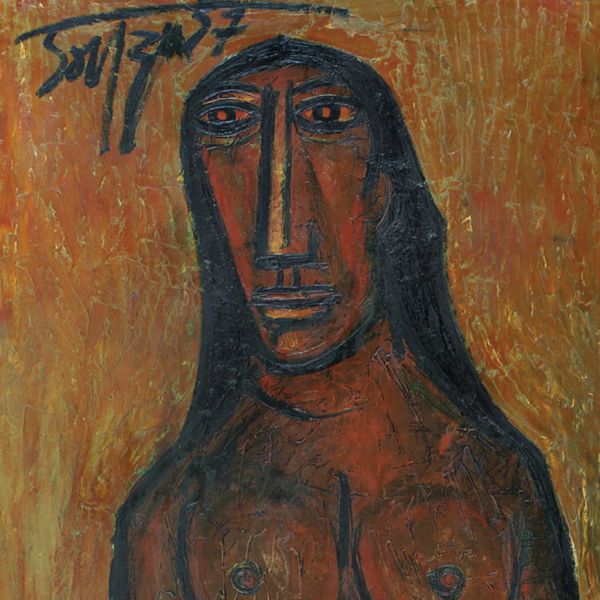
The nude. Just the term sends a frisson of excitement down the spine in most people. For the few of us who are part of the art fraternity, however, more than just the anticipation of being able to view the human body as an artistic work in its many forms and avatars, its beauty and its degradation both, is the true mark of an artist’s genius. And yet, the history of the nude in Indian art has remained curiously unmapped. A. A. Almelkar A. A. Raiba A. P. Bagchi A. Ramachandran Abalall Rahiman Akbar Padamsee Anita Roychowdhury Anupam Sud Avinash Chandra B. Prabha B.Vithal Bengal School (Anonymous) Bikash Bhattacharjee Chintamoni Kar Chittaprosad F. N. Souza G. R. Santosh George Keyt Gogi Saroj Pal Gopal Ghose Hemendranath Majumdar J. Sultan Ali Jamini Roy Jaya Ganguly Jehangir Sabavala Jeram Patel Jogen Chowdhury Jyoti Bhatt K. H. Ara K. K. Hebbar K. Laxma Goud K. S. Kulkarni L. Munuswamy Laxman Pai M. F. Husain M. R. Acharaker Madhav Bhattacharjee Maniklal Banerjee Nalini Malani Navjot Nikhil Biswas P. Khemraj P. T. Reddy Prodosh Das Gupta Prokash Karmakar R.Vijaivargiya Rabin Mondal Radha Charan Bagchi Rameshwar Broota Ramkinkar Baij Ranbir Kaleka Ravi Varma Press Rekha Rodwittiya S. Dhanapal Sakti Burman Satish Sinha Sudhir Khastgir Suhas Roy Sunil Das Sunil Madhav Sen Surendran Nair V. Nageshkar Ved Nayar
Learn More -
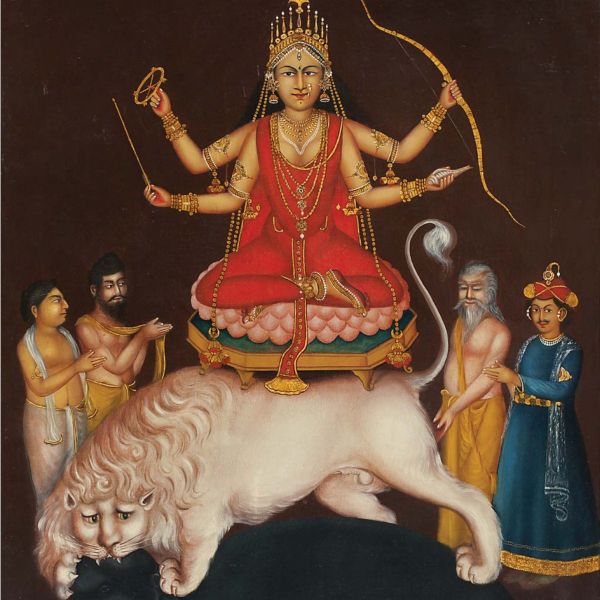 ExhibitionsIndian DivineAs low as $1.00
The exhibition, Indian Divine, begins with the late nineteenth century art on mythological and religious themes from regions as diverse as Bombay and Bengal—these include Western style oil paintings of deities by such well-known artists of the academic realist styles as Raja Ravi Varma and M. V. Dhurandhar, and mythological/ religious episodes and figures featured in the hybrid style, a mix of Western realistic painting and traditional Indian art and concerns—the Early Bengal style, a very popular form, of which the exhibition presents over fifty works. It goes on to document Kalighat paintings on religious and mythological themes from the late nineteenth and early twentieth centuries that were very popular, as well popular bazaar prints on these themes that flooded the markets with the advent of lithography and mechanical printing. 19th-20th century Popular Print Art School Print A. A. Almelkar A. A. Raiba A. P. Bagchi Asit Haldar B. C. Law B. N. Jija Baburao Painter Bat-tala Print (Anonymous) Bikash Bhattacharjee Bipin Behari Goswami Bishnupada Roychowdhury Chittaprosad D. B. Onkar D. D. Burman D. N. Sharma Debabrata Chakraborty Devyani Krishna Dhanraj Bhagat Dhirendra Narayan Dhruva Mistry Dipen Bose Early Bengal Early Bengal (Anonymous) F. N. Souza G. R. Santosh Ganesh Pyne Gogi Saroj Pal Haren Das Heramba Kumar Ganguly Indu Rakshit J. Sultan Ali Jamini Roy K. C. Pyne K. K. Hebbar K. Laxma Goud K. S. Kulkarni Kalighat pat (Anonymous) Kalipada Ghoshal Kamal Chattopadhyay Kanwal Krishna Krishen Khanna Kshitindranath Majumdar Laxman Pai M. F. Husain M. V. Dhurandhar Madhvi Parekh Mukul Dey Nandalal Bose Nihar Ranjan Sengupta P. T. Reddy P. V. Janakiram R. Vijaivargiya Rabin Mondal Radha Charan Bagchi Raja Ravi Varma Ramananda Bandhopadhyay Ramendranath Chakravorty Ranada Charan Ukil Ravi Varma School (Anonymous) Reddappa Naidu Roopkrishna S. Dhanapal S. G. Vasudev Sanat Chatterjee Sanjay Bhattacharya Sarada Charan Ukil Shyamal Dutta Ray Sohan Qadri Sudhanshu Ghosh Sudhir Ranjan Khastagir Sunil Das Sunil Madhav Sen Surendranath Ganguly V. Nageshkar
Learn More -
 ExhibitionsThe Art Of SantiniketanAs low as $1.00
The Art of Santiniketan showcases the work of its four chief artists—Santiniketan’s founder, Rabindranath Tagore, its first principal and the architect of the Santiniketan pedagogy, Nandalal Bose, and his two illustrious students who went on to make a name for themselves as highly original and significant artists—Benode Behari Mukherjee and Ramkinkar Baij. Santiniketan was a path-breaking educational institution Rabindranath Tagore set up in rural Bengal in the early twentieth century, and the exhibition begins by examining its genesis in Tagore’s radical ideas of basing education in freedom and in the midst of nature. Benode Behari Mukherjee Nandalal Bose Rabindranath Tagore Ramkinkar Baij
Learn More -
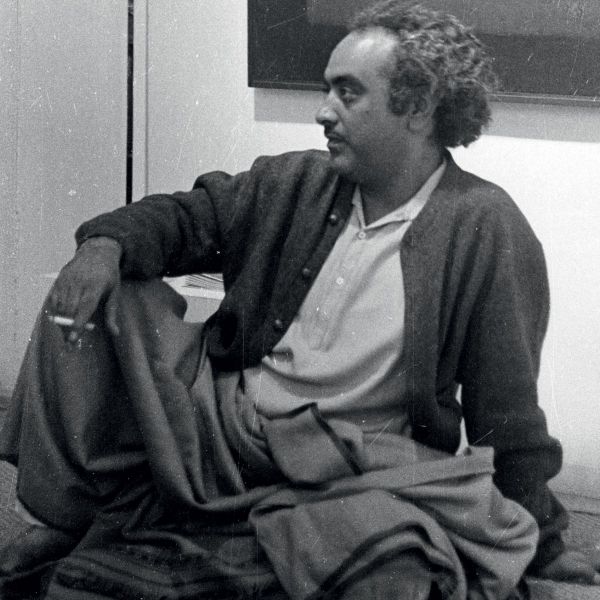 ExhibitionsG. R. Santosh: AwakeningAs low as $1.00
An unassuming trailblazer, Gulam Rasool Santosh is the most important artist from the movement known as neo-tantra in Indian art, synonymous with masters such as Biren De and Sohan Qadri. Self-taught, Santosh began his career painting landscapes in his native Kashmir before being spotted by S. H. Raza, which enabled him to study at the Maharaja Sayajirao University at Baroda under the famous artist N. S. Bendre. After a few years of painting figurative and abstract works in the mould of the other Indian Progressives, Santosh’s art changed dramatically towards tantra when he had a mystical experience in the Amarnath cave in 1964. From then on, until his death in 1997, G. R. Santosh dedicated his life to the study and practice of tantra, a yogi as much as an artist.
Learn More -
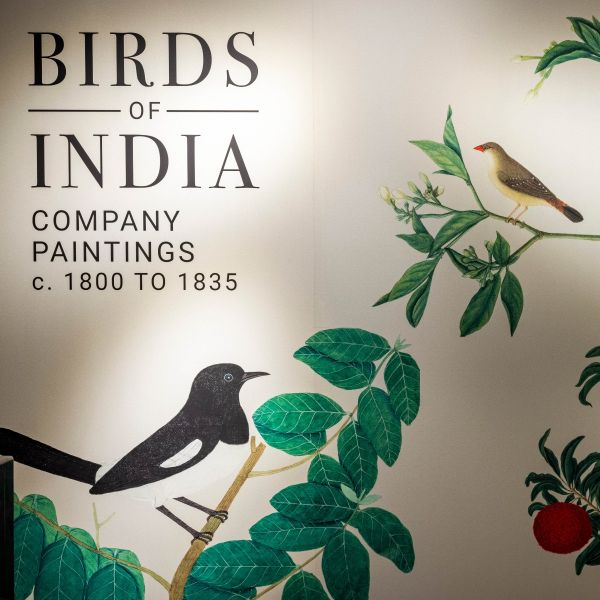 ExhibitionsBIRDS OF INDIAAs low as $1.00
Works of art made by Indian artists for Western patrons in the early colonial period are what we now call Company Painting. The artists, who might otherwise have worked for an Indian court, sought new markets among those employed in various capacities by the European trading companies, and especially the British East India Company. Some patrons supplied the artists with new materials such as European-made paper and transparent watercolour pigments, and expressed preferences regarding subject matter, leading to new departures in both style and substance in Indian art. One of the most delightful genres of Company Painting was natural history: images of India’s plants, animals, and birds. Company Painting Company Paintings British Era
Learn More -
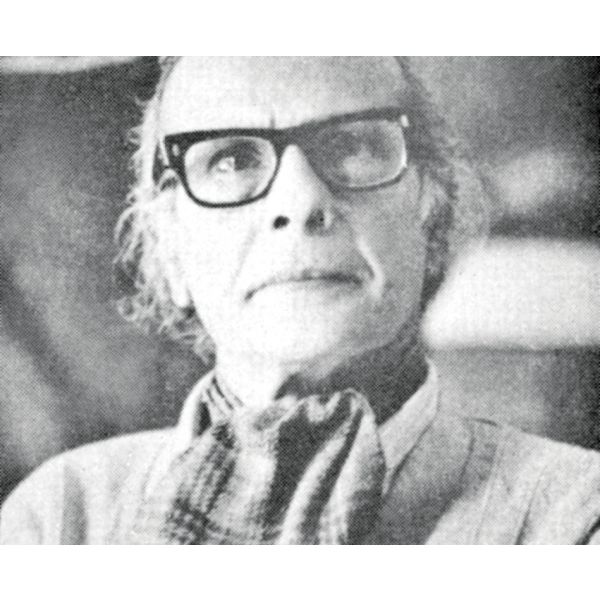 ArtistsHemanta Misra$0.00One of the pioneers of surrealism in Indian modern art, Hemanta Misra was born in Sivasagar, Assam, on 13 October 1917. He went to school in his hometown and later studied at Cotton College, Guwahati, and St. Edmund’s, Shillong. As for the arts, he was self-taught, polishing his skills through a correspondence course with British artist John Hassal. Learn More
 -
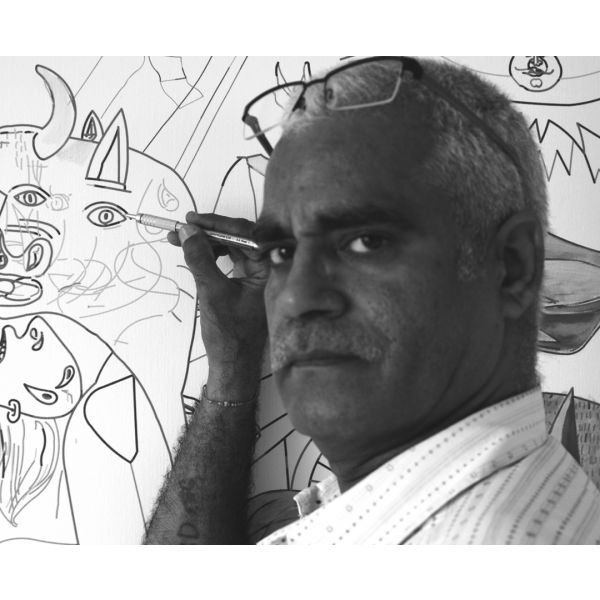 ArtistsDhruva Mistry$0.00A seminal and well-known contemporary Indian sculptor, Dhruva Mistry’s art, in his own words, is a ‘dialogue of an artist as a maker pursuing enigma of an omnipresent consciousness’. Learn More
 -
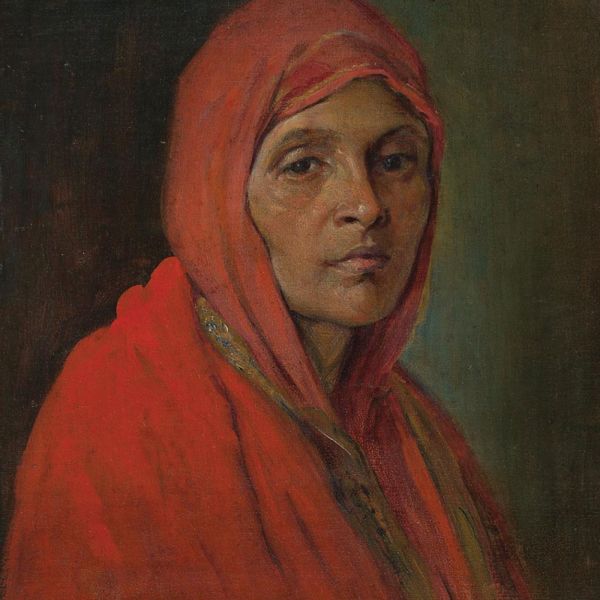 ExhibitionsIndian PortraitsAs low as $1.00
A portrait is a painting, photograph, sculpture, or other artistic representation of a person, in which the face and its expression are predominant. The intent is to display the likeness, personality, and even the mood of the person. For this reason, in photography, a portrait is generally not a snapshot, but a composed image of a person in a still position. A portrait often shows a person looking directly at the painter or photographer, in order to most successfully engage the subject with the viewer A. A. Raiba Abalall Rahiman Abanindranath Tagore Akbar Padamsee Alagiri Naidu Alphonso Doss Ambika Dhurandhar Anjolie Ela Menon Anonymous (Bengal Lithographs) Anonymous (Ladies and Gentlemen) Anonymous (Painted Photographs) Anonymous (Parsi Eminences) 90 Anonymous (Raja Ravi Varma School) Anonymous (Royal Personages) Anonymous (Spiritual) Anonymous (Studio Photographs) Ardeshir Duishajee Tavaria Asit Kumar Haldar B. Paul Baburao Sadwelkar Badri Narayan Benjamin Hudson Bhunath Mukherjee Bhupen Khakhar Bikash Bhattacharjee Bipin Behari Goswami Biswanath Mukerji C. N. Kistnasawmy Naidu Cecil Burns Chintamoni Kar Chittaprosad D. L. N. Reddy D. P. Roy Chowdhury Devyani Krishna F. N. Souza Fatima Ahmed Frank Brooks G. Kamble G. N. Jadhav G. R. Santosh Gaganendranath Tagore George Keyt Gobardhan Ash Gogi Saroj Pal Gopal Deuskar Gopal Ghose Gopal Sanyal H. Hormusji Deboo Himmat Shah Hiranmoy Roychaudhuri J. A. Lalkaka J. Barton J. D. Dalvi J. D. Gondhalekar J. P. Gonsalves J. P. Gangooly J. Sultan Ali Jacob Epstein Jai Zharotia Jamini Roy Jogen Chowdhury Jyoti Bhatt K. C. Pyne K. K. Hebbar K. Lall K. Laxma Goud K. S. Kulkarni Kanwal Krishna Keshavrao Sadashiv Kisory Roy Koulji Ardeshir Tachakra Krishen Khanna L. M. Sen L. Munuswamy L. N. Taskar L. P. Shaw Laxman Pai M. F. Husain M. F. Pithawalla M. K. Parandekar M. R. Acharekar M. V. Dhurandhar Mukul Dey Muni Singh N. R. Sardesai Nemai Ghosh Nirode Majumdar Olinto Ghilardi P. T. Reddy Paritosh Sen Partha Pratim Deb Pestonji E. Bomanji Pradip Maitra Prahlad Karmakar Prokash Karmakar R. D. Panvalkar R. S. Bisht Rabin Mondal Rabindranath Tagore Raja Ravi Varma Rama Lal Ramendranath Chakravorty S. A. Meerza S. Dhanapal S. G. Thakar Singh S. L. Haldankar Sankho Choudhuri Satish Sinha Savi Savarkar Shanti Dave Sudhir Khastgir Suhas Roy Sunil Das Sunil Kumar Paul Sunil Madhav Sen Sunqua Surendran Nair Sushil Chandra Sen Tarak Garai V. A. Mali V. B. Pathare V. M. Oke V. Nageshkar Ved Nayar Vivan Sundaram Wasim Kapoor
Learn More -
 ExhibitionsAltafAs low as $1.00
In the articulation of twentieth century art, where does one place Altaf Mohamedi? That question has probably troubled more curators than we realise. Altaf, who studied art in London before returning to Bombay (now Mumbai) was following in the footsteps of his elder sister and artist Nasreen Mohamedi, but that is where all similarities ended. Where Nasreen was an abstract, sparse artist who created a distinctive language using, for most part, rigid, inflexible lines that nevertheless sang on the paper over which they were made, Altaf’s work was intensely political and social.
Learn More