Search results for: 'Dr. Abdulrahman Al-Shamiri editor in chief'
-
 ExhibitionsIconicAs low as $1.00
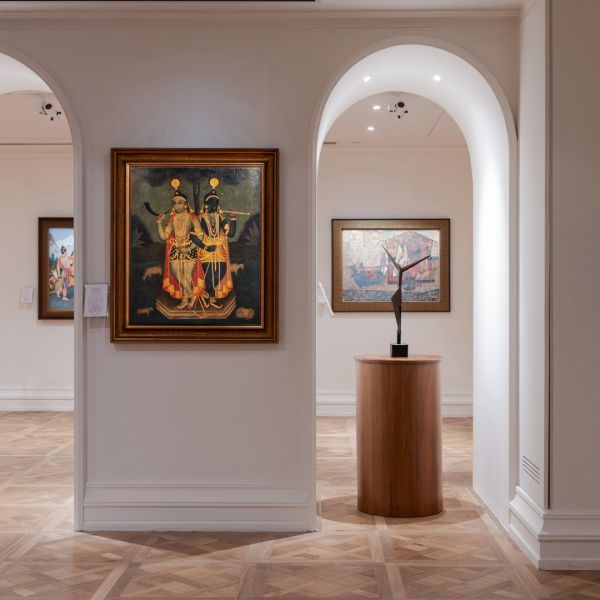
'Iconic Masterpieces of Indian Modern Art' is an exhibition specially curated to commemorate the opening of DAG’s new galleries at the Taj Mahal Palace in Mumbai. The pathbreaking exhibition of some of the finest nineteenth and twentieth century art related to India consists of fifty outstanding works, each of them exceptional for their historicity, rarity, and quality. Established in 1993, DAG has created an enviable reputation over the decades for its collection and exhibitions of twentieth century art. But with 'Iconic Masterpieces of Indian Modern Art', it draws attention to its growing strength in nineteenth century art, a new area that it has now committed itself to with a growing inventory of Western artists who travelled to India to paint, as well as Indian artists whose identities have remained unknown for lack of adequate documentation. The earliest work in this exhibition, dated 1805-10, is of one of the largest recorded Company Paintings, and concludes with a rare sculpture cast as recently as 2021 in Indonesia. Ramachandran Adi Davierwalla Ambadas Avinash Chandra Bikash Bhattacharjee Dhanraj Bhagat Early Bengal Oils Edwin Lord Weeks F. N. Souza Frank Brooks G. R. Santosh Ganesh Haloi J. Sultan Ali J. Swaminathan Jamini Roy Jeram Patel Jogen Chowdhury K. C. S. Paniker K. G. Subramanyan K. K. Hebbar K. Laxma Goud K. S. Radhakrishnan Krishen Khanna Laxman Pai M. A. R. Chughtai M. F. Husain M. V. Dhurandhar Madhvi Parekh Marius Bauer Natvar Bhavsar Nicholas Roerich Nikhil Biswas Paritosh Sen Prabhakar Barwe Rabin Mondal Rabindranath Tagore Rajendra Dhawan Ram Kumar Rameshwar Broota Ramgopal Vijaivargiya Ramkinkar Baij Ranbir Singh Kaleka Satish Gujral Shanti Dave Sohan Qadri Stefan Norblin Studio of Raja Ravi Varma Sunil Das Tyeb Mehta Company Paintings
Learn More -
 JournalNavratna: India’s National Treasure artists$0.00It was in the 1970s that the government of India declared nine artists as National Treasures, attesting to the significance of their contribution to the shaping of modern Indian art identity. ‘Navratna: Nine Gems of Indian Art’ was a unique opportunity to see seminal works by all the nine together, to understand the uniqueness of their collective contribution, at Drishyakala, a joint collaboration between DAG and the Archaeological Survey of India. Learn More
 -
 JournalAlita Chandra on Avinash Chandra$0.00
Alita Chandra, daughter of the artist Avinash Chandra reflects on the transcultural influences on his painting and his preoccupation with female subjects.
Learn More -
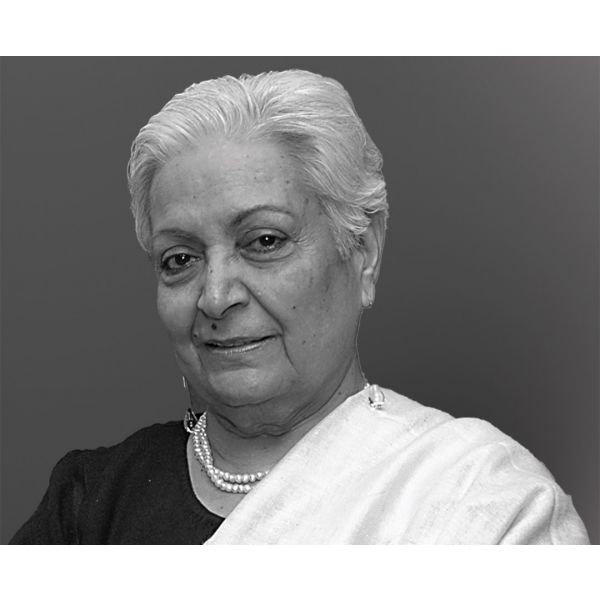 ArtistsZarina Hashmi$0.00Zarina Hashmi née Rasheed (she dropped her surname in later life) was born on 16 July 1937 in Aligarh to Sheikh Abdur Rasheed, a professor of history at the Aligarh Muslim University (AMU). She was ten at the time of the Partition and the consequent events impacted her life and her art forever, especially since her family chose to migrate to Pakistan some years later. Learn More
 -
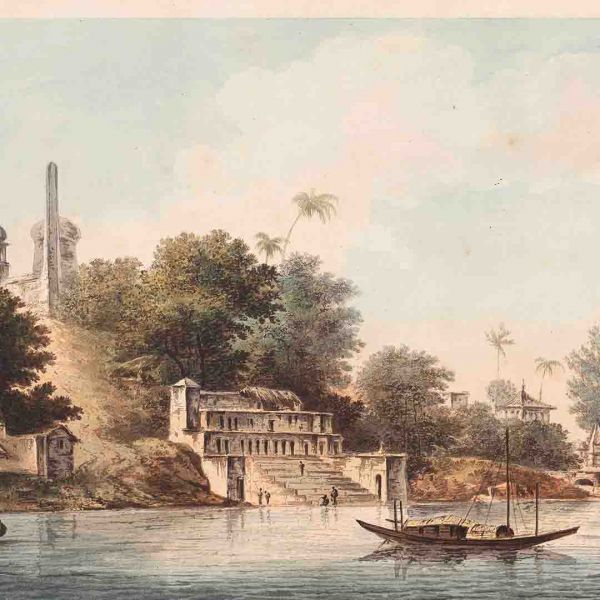 ExhibitionsWilliam Hodges & the Prospect of IndiaAs low as $1.00
William Hodges (1744-97) was a pioneer in more ways than one. He was the first British landscape painter to visit India, and to portray scenery across the whole breadth of the Gangetic plain. As a writer, he gave the first detailed descriptions of numerous historic Indian buildings, and he theorised about the origins and evolution of Indian architectural design. His art illustrates his exploration into terrain which—in its breadth and scope—was at the time almost as unfamiliar to Indian as to Western eyes.
Learn More -
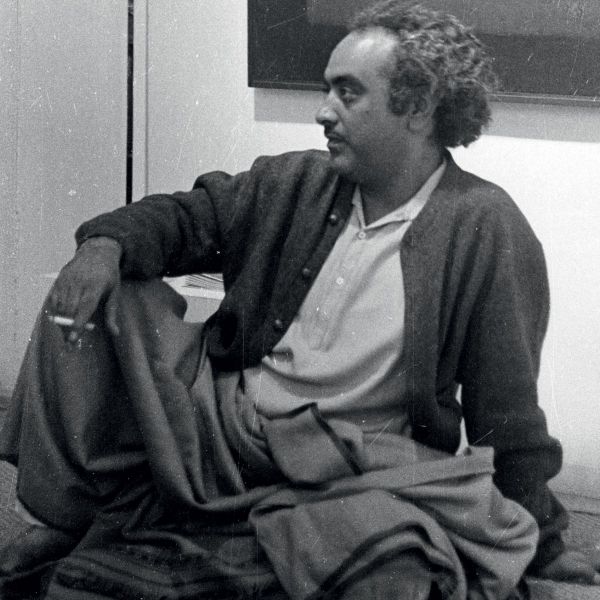 ExhibitionsG. R. Santosh: AwakeningAs low as $1.00
An unassuming trailblazer, Gulam Rasool Santosh is the most important artist from the movement known as neo-tantra in Indian art, synonymous with masters such as Biren De and Sohan Qadri. Self-taught, Santosh began his career painting landscapes in his native Kashmir before being spotted by S. H. Raza, which enabled him to study at the Maharaja Sayajirao University at Baroda under the famous artist N. S. Bendre. After a few years of painting figurative and abstract works in the mould of the other Indian Progressives, Santosh’s art changed dramatically towards tantra when he had a mystical experience in the Amarnath cave in 1964. From then on, until his death in 1997, G. R. Santosh dedicated his life to the study and practice of tantra, a yogi as much as an artist.
Learn More -
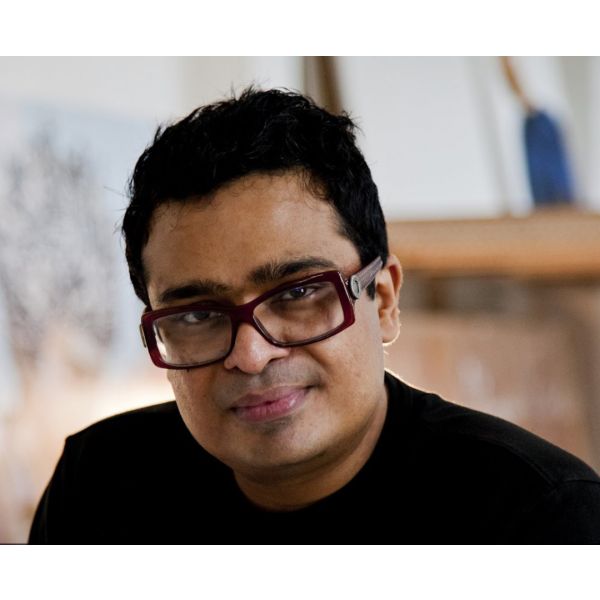 ArtistsJitish Kallat$0.00Born in Bombay, Jitish Kallat’s earliest memory of art was of helping his elder sister as a five-year-old for a drawing in her biology book. By the time he was in his mid-teens, he was, in his own words, ‘persistently and obsessively drawing’. Kallat secured a degree in fine arts in 1996 from Sir J. J. School of Art. An internationally acclaimed artist, his work includes painting, photography, collages, sculpture, installations, and multimedia. Learn More
 -
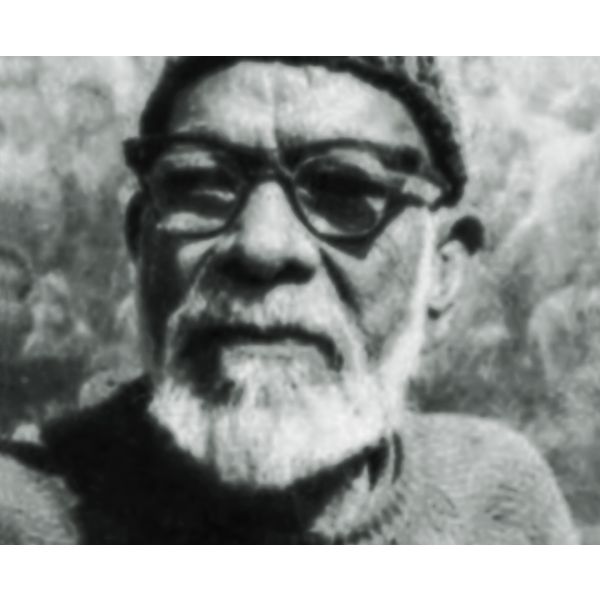 ArtistsAllah Bux$1.00
Ustad Allah Bux was born in Wazirabad in the Punjab province of undivided India (in present-day Pakistan) in the early 1890s.
Learn More -
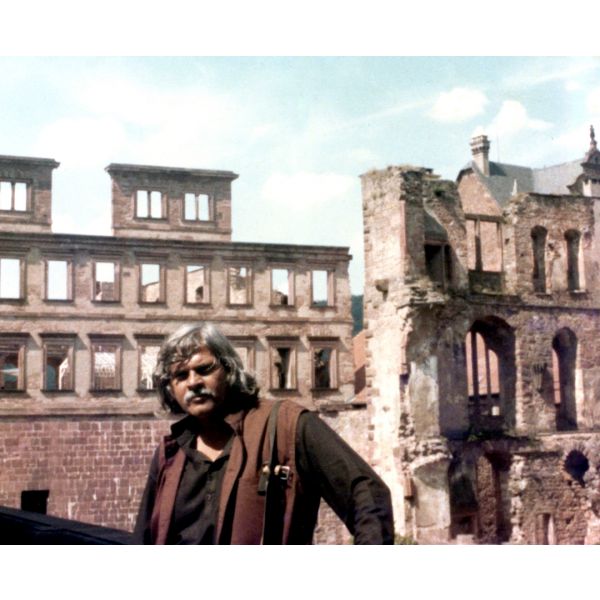 ArtistsAltaf$0.00Born in Baroda, Altaf Mohamedi’s interest in painting began while at the Scindia School in Gwalior under the tutelage of his art instructor Niyogi. His nascent interest was also encouraged by his elder sister and noted painter Nasreen Mohamedi. Learn More
 -
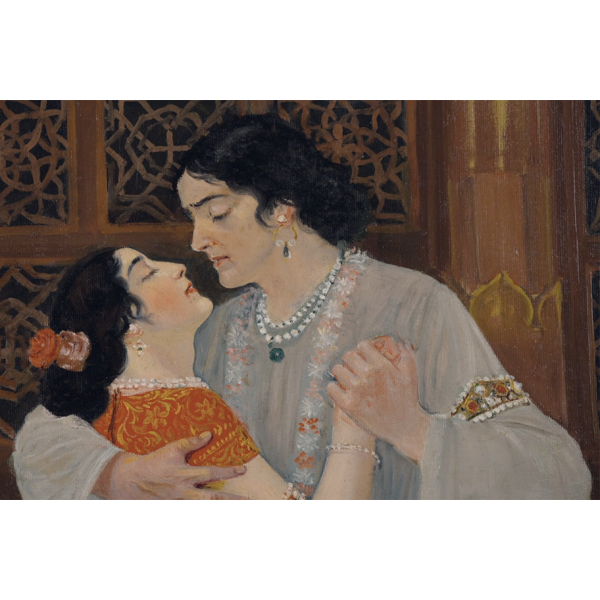 JournalTasneem Zakaria Mehta on M.V. Dhurandhar$0.00'Iconic Masterpieces of Indian Modern Art, Edition 2' opened on 11 February, featuring fifty artworks which shaped the trajectory of pre-modern and modern art in the country. As part of the exhibition, Tasneem Zakaria Mehta reflects on M.V Dhurandhar’s mythological painting of Usha and Anirudhdha’s union, drawing attention to the grace and fluidity that suffuse his expert rendition of form along with his mastery over capturing the intricate details of women’s dresses. Learn More
 -
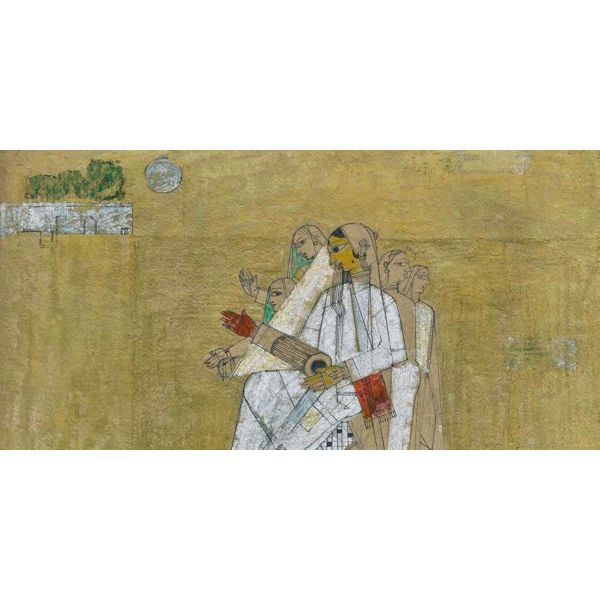 JournalBefore the Chaos of Destruction: Jeram Patel's Iconic Works$0.00
Artists often proceed through a trial and error method—an incessant experimentation—leaving behind a singular trail of oeuvre composed of an irreconcilable, yet inseparable, set of works. Born in the small town of Sojitra in the Kheda district of Gujarat, Jeram Patel studied drawing and painting at Sir J. J. School of Art, Bombay. In 1959, excellence in his work led him to pursue commercial design at Central School of Arts and Crafts, London, on a scholarship, and also travel to France and Japan. Thereafter, he successfully held solo exhibition at various places in India and abroad, and participated in international events such as the Tokyo Biennale and Sao Paulo Art Biennale (both in 1963).
Learn More