


Search results for: 'Views of Mecca and Medina by H A Mirza Sons'
-
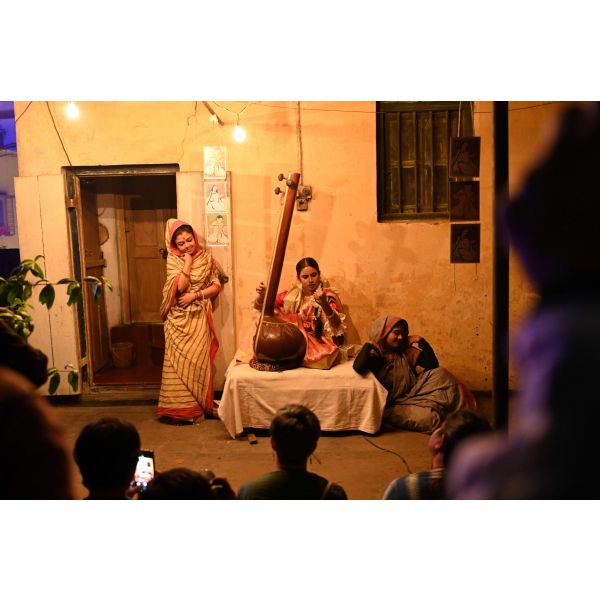 Events and ProgrammesKeyabat Meye$1.00
Feminist collective Samuho navigates the interplay between the interior and exterior lives of women at the cusp of nineteenth century reform movements through a performance-installation inspired by Shreepantha’s Keyabat Meye and the tradition of Prahasan.
Learn More -
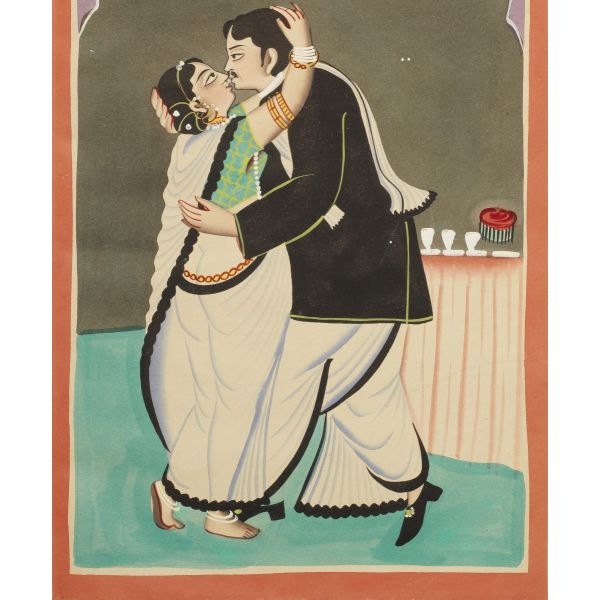 Events and ProgrammesKeyabat Meye$1.00
Queer-Feminist collective Samuho navigates the interplay between the interior and exterior lives of women at the cusp of nineteenth century reform movements through a performance-installation inspired by Shreepantha’s Keyabat Meye and the tradition of Prahasan.
Learn More -
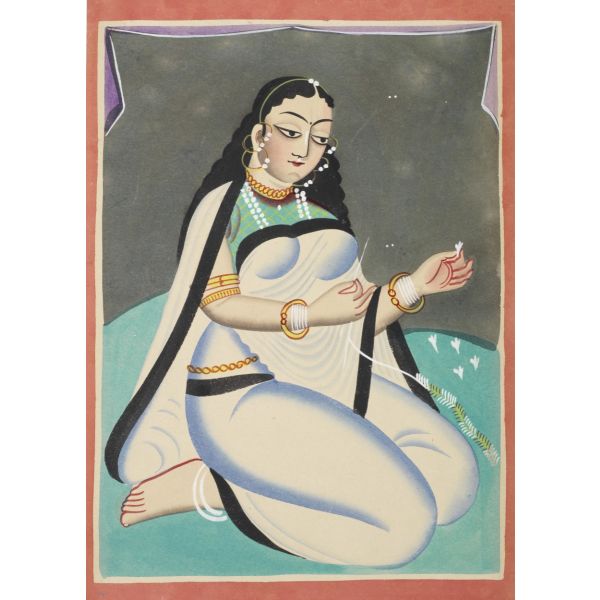 Events and ProgrammesKeyabat Meye$1.00
Queer-Feminist collective Samuho navigates the interplay between the interior and exterior lives of women at the cusp of nineteenth century reform movements through a performance-installation inspired by Shreepantha’s Keyabat Meye and the tradition of Prahasan.
Learn More -
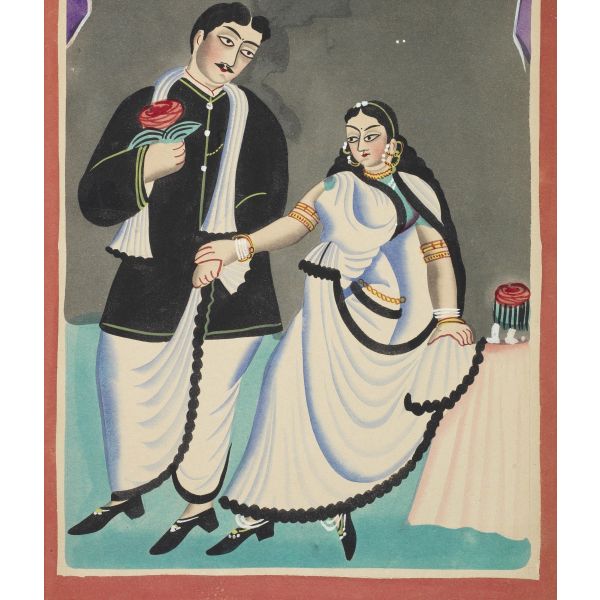 Events and ProgrammesKeyabat Meye$1.00
Feminist collective Samuho navigates the interplay between the interior and exterior lives of women at the cusp of nineteenth century reform movements through a performance-installation inspired by Shreepantha’s Keyabat Meye and the tradition of Prahasan.
Learn More -
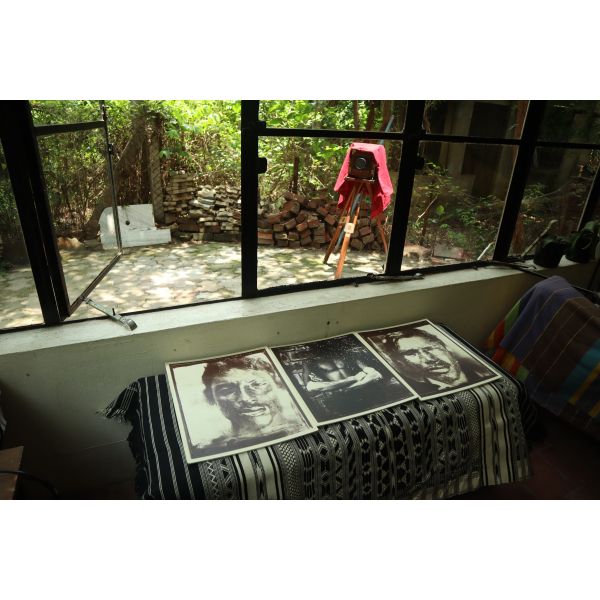 Events and ProgrammesPhotograph: Material Matters$1.00
A visit to Studio Goppo in Santiniketan to learn the process of wet plate collodion, which was used to develop photographs in 19th and early 20th century India, with the artist and pedagogue Arpan Mukherjee.
Learn More -
 ArtistsCompany Paintings$0.00
Ethnographic mapping and documentation of a vast country like India was an important part of the political and economic expansion of the East India Company from the middle of the seventeenth century onwards.
Learn More -
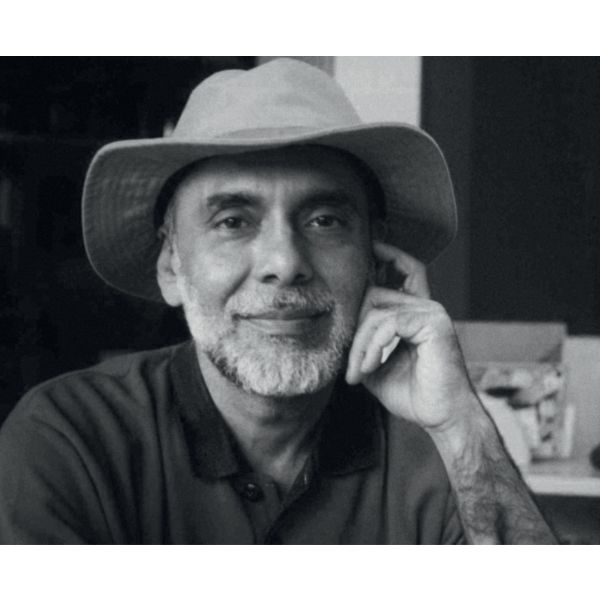 ArtistsRanbir Singh Kaleka$0.00Born in Patiala, Punjab, in 1953, Ranbir Kaleka earned a diploma in painting from Punjab University’s College of Art in Chandigarh. He spent the next few years teaching at Punjab University and College of Art, New Delhi, before leaving for London on a Charles Wallace scholarship to study at Royal College of Art from 1985-87. He stayed on in London for several years and returned to India in the late 1990s. Learn More
 -
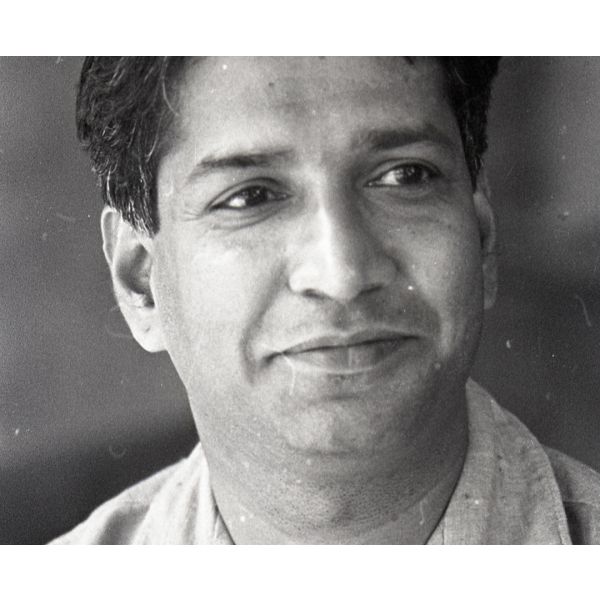 ArtistsK. G. Subramanyan$0.00Born in Kerala on 15 February 1924, K. G. Subramanyan was studying economics at the Presidency College, Madras, when he joined India’s struggle for freedom, and was imprisoned and debarred from government colleges. Learn More
 -
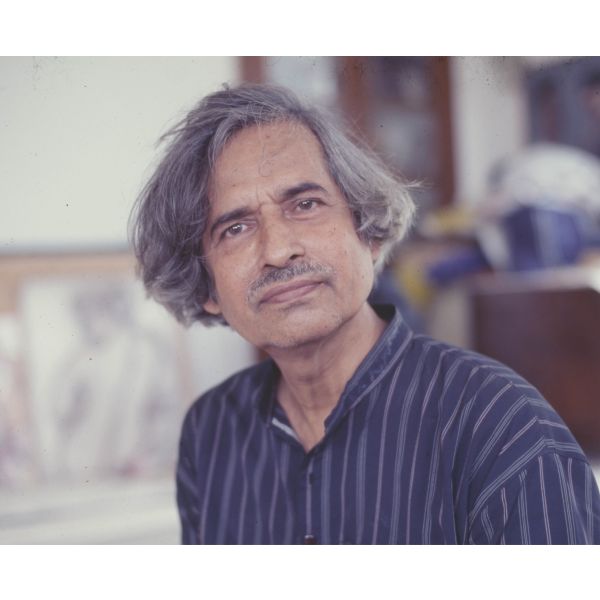 ArtistsJogen Chowdhury$0.00Born on 15 February 1939 in Faridpur (now in Bangladesh), Jogen Chowdhury’s family moved to Calcutta following the Partition. He studied art at the Government College of Art and Crafts, Calcutta, and subsequently at École Nationale Supérieure des Beaux-Arts, Paris. Learn More
 -
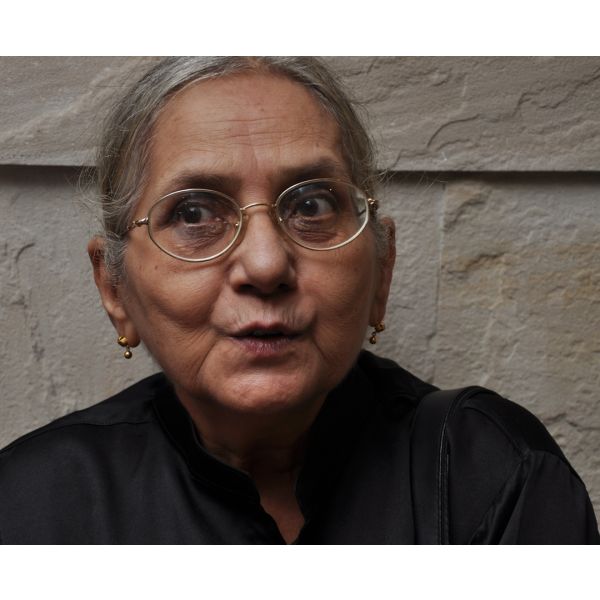 ArtistsGogi Saroj Pal$0.00Born in Uttar Pradesh in 1945, Gogi Saroj Pal studied art in Banasthali, Rajasthan, took a diploma at the Government College of Arts and Crafts, Lucknow, and a postgraduate diploma in painting from the College of Art, New Delhi. Learn More
 -
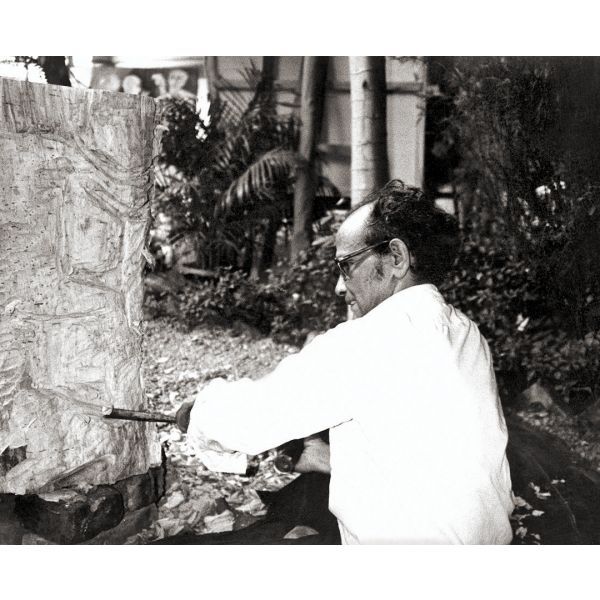 ArtistsBipin Behari Goswami$0.00Born in Calcutta, Bipin Behari Goswami studied at the city's Government College of Arts and Crafts, from where he graduated in 1956 with a diploma in sculpture and modelling. Learn More
 -
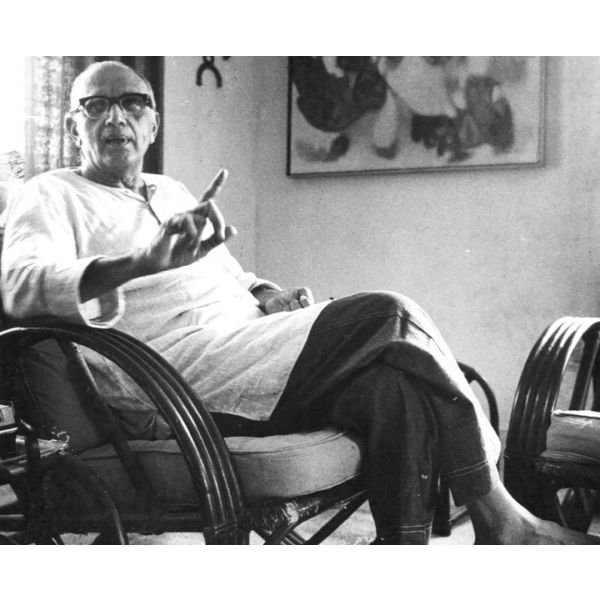 ArtistsJ. Sultan Ali$0.00Born in a Bombay-based business family, J. Sultan Ali’s first act of rebellion was to leave the safety of the family trade and join sculptor-teacher D. P. Roy Chowdhury at the Government College of Art in Madras in 1945. He also studied textile design at the Madras Government Textile Institute, and pursued a photography course in London. Learn More