


Search results for: 'drakan juego parecido a blade, con dragones y de personaje femenino'
-
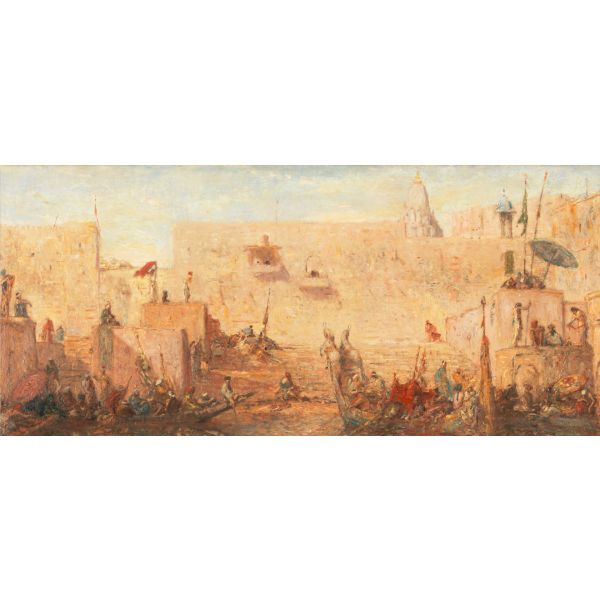 Events and ProgrammesMumbai Gallery Weekend$1.00
The exhibition presents views of the ancient city of Benares (now Varanasi) as depicted by foreign artists in the nineteenth and early twentieth centuries.
Learn More -
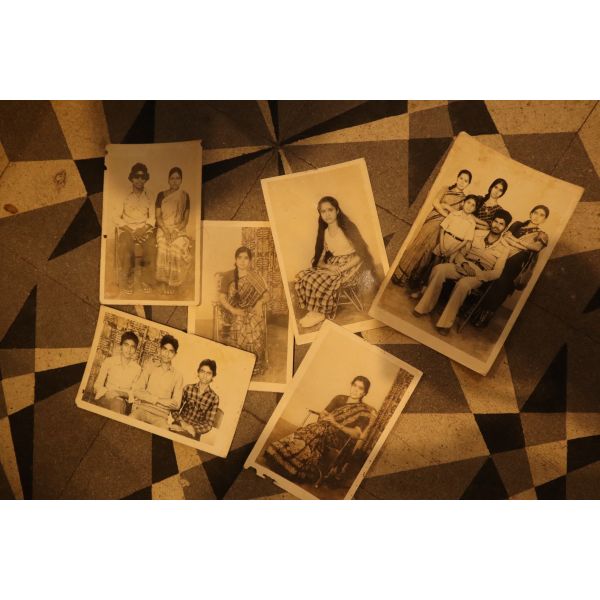 Events and ProgrammesPhotograph: Histories$1.00
A participatory reading and activity session with researcher Shreya Mukherjee to explore analogue photography of the 19th and early 20th century and the revival or adaptation of the medium in contemporary art.
Learn More -
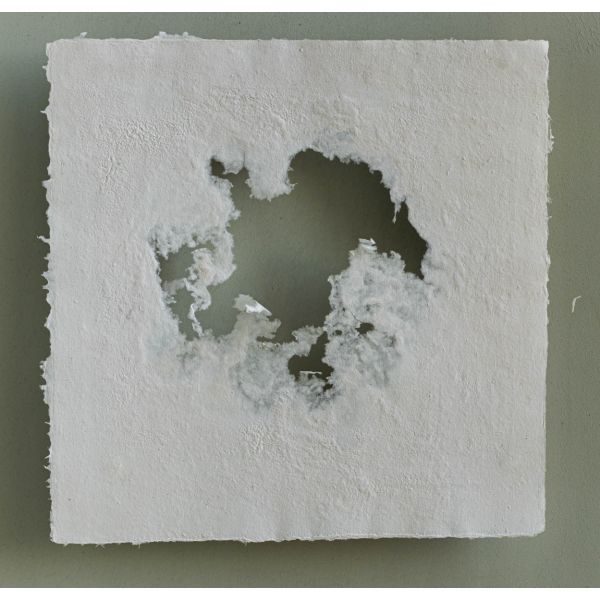 Events and ProgrammesPulp: Horizons$1.00
An interactive presentation by artist Sarmistha Bose on her contemporary engagement with pulp and natural fiber as a creative medium.
Learn More -
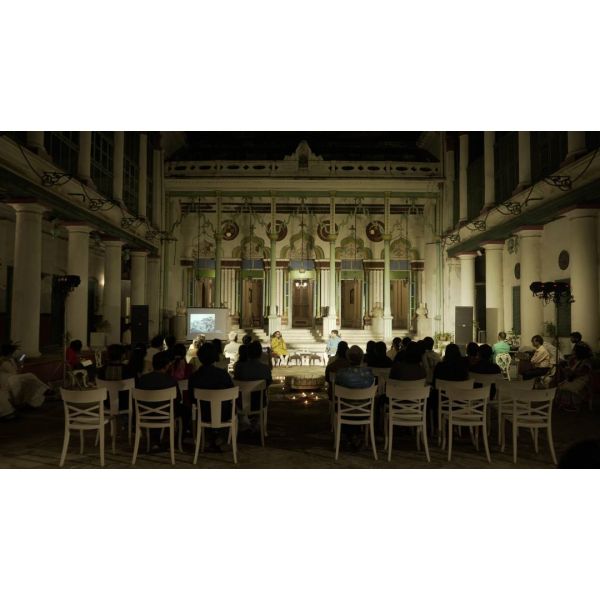 Events and ProgrammesRevisiting the Tagores$1.00
A musical evening at Prasad Tagore Palace, the heritage residence of Pramantha Tagore, preceded by a conversation with Sujaan Mukherjee about the Tagore family’s ties to music, theatre, and art patronage.
Learn More -
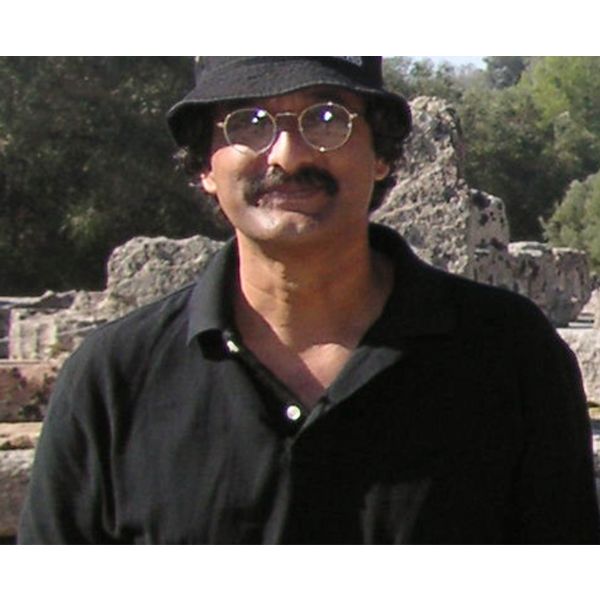 ArtistsNataraj Sharma$0.00For a socially responsive artist like Nataraj Sharma, the frenzied pace of change in contemporary times coupled with his upbringing in vastly different cultural milieus of India, Egypt, England, and Zambia, has proved to be the proverbial grist for his art mill. Learn More
 -
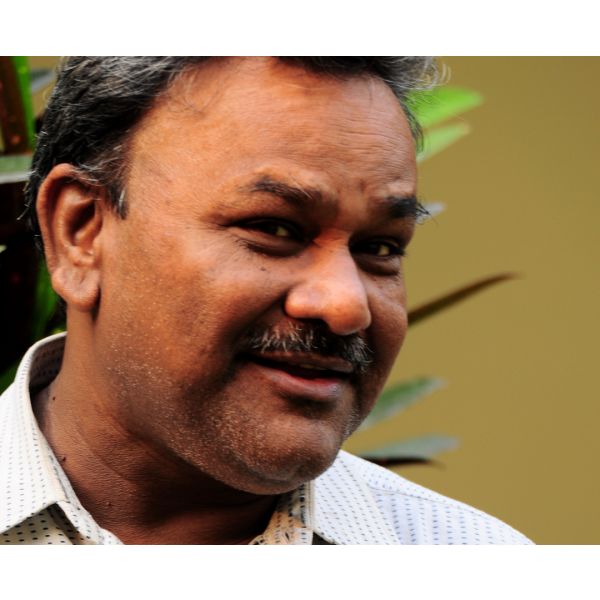 ArtistsMadan Lal Gupta$0.00Modernist sculptor Madan Lal Gupta is as much known for his constantly evolving experimental practise as for Ram Chhatpar Shilp Nyas, a trust he founded in 1989 in Varanasi for the promotion of contemporary arts and classical music, in memory of his guru, Ram Chhatpar, who passed away at the age of forty-four in 1978. Learn More
 -
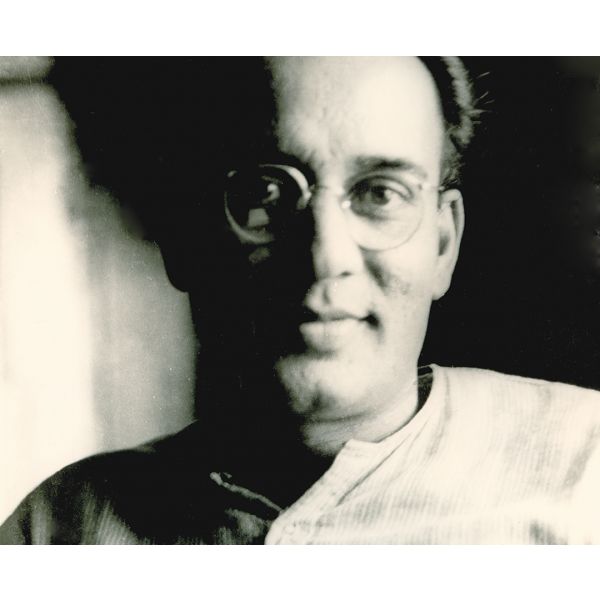 ArtistsIndra Dugar$0.00Indra Dugar, unlike his illustrious father Hirachand Dugar (1898-1951), did not have any formal education in art. Born in 1918 in Jiaganj in Murshidabad, West Bengal, he sub-consciously absorbed the artistic ambience of Santiniketan where he grew up; his father was one of the earliest students at Kala Bhavana at the Visva-Bharati University. Dugar acquired art skills from his father and considered Santiniketan his alma mater. He was inspired by his father’s mentor Nandalal Bose, who saw great promise in him. Learn More
 -
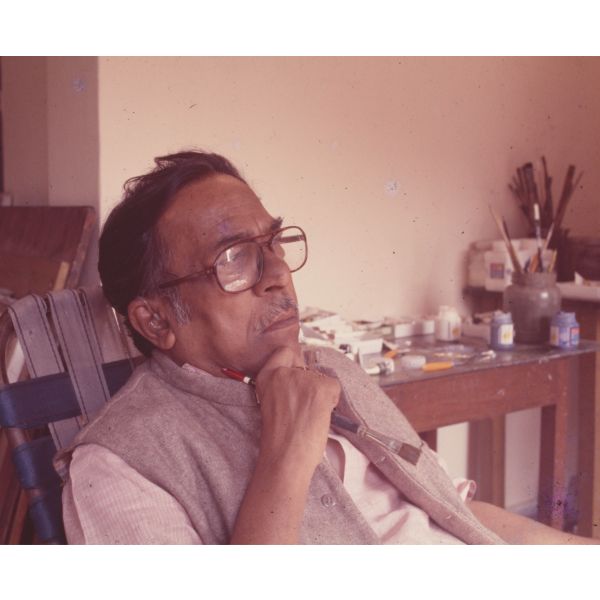 ArtistsShyamal Dutta Ray$0.00Among the most accomplished watercolourists of modern India, Shyamal Dutta Ray was born in Ranchi, then in Bihar, and studied at Government College of Arts and Crafts, Calcutta, from 1950-55. He was a founding member of Society of Contemporary Artists in 1959, and of Painters 80, founded in 1968. Learn More
 -
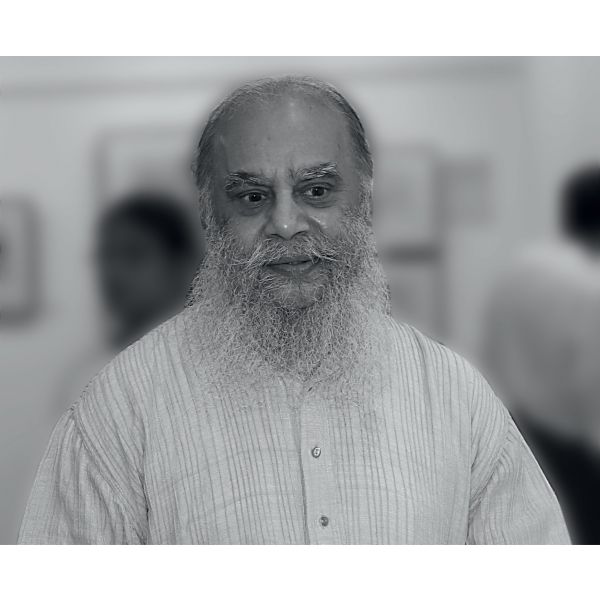 ArtistsShuvaprasanna$0.00Born in Calcutta on 20 October 1947, Shuvaprasanna is a quintessential painter of the eastern metropolis that he unabashedly loves. He graduated from Indian College of Art, Rabindra Bharati University, Calcutta, in 1969. An active member of Calcutta Painters group, urban themes are a constant in his work. Beset by problems and politics, but possessing great potential, Kolkata has remained his abiding inspiration as he absorbs and responds to its upheavals, the tumult of its masses, and its frequent political turbulence. Learn More
 -
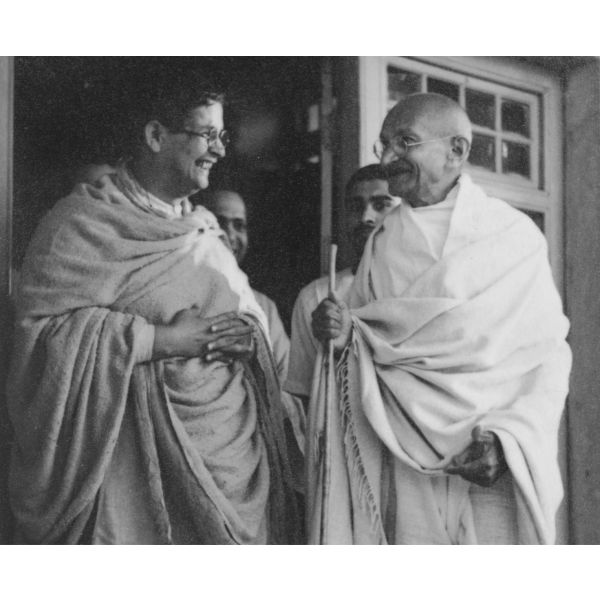 ArtistsNandalal Bose$0.00Nandalal Bose’s growth as a painter is closely associated with the Tagore family. Hailing from Munger in Bihar, Bose was fifteen when he came to Calcutta to continue his education, where his passion for art ultimately took him to the Government College of Arts and Crafts, to be groomed by Abanindranath Tagore from 1905-10. Learn More
 -
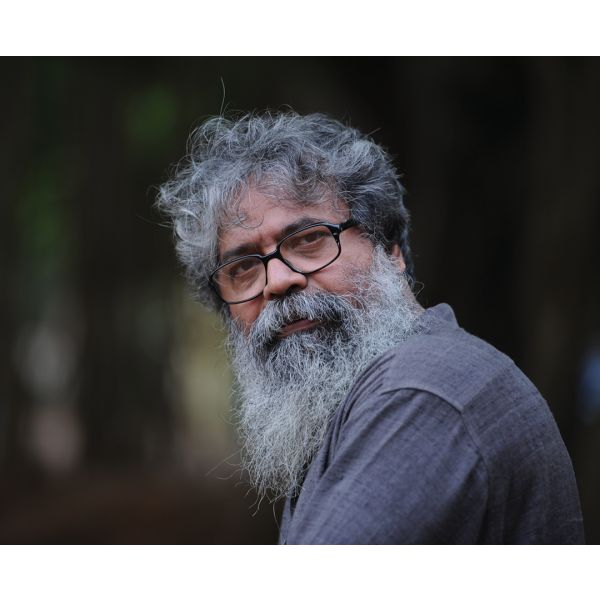 ArtistsK. S. Radhakrishnan$0.00Maiya and Musui—the thinly-fluted male and female bronze figures, often swaying or leaping in joy—are perhaps as well-known as their creator, K. S. Radhakrishnan. One of the most significant contemporary sculptors, Radhakrishnan often refers to the bronze characters as his alter egos. Learn More
 -
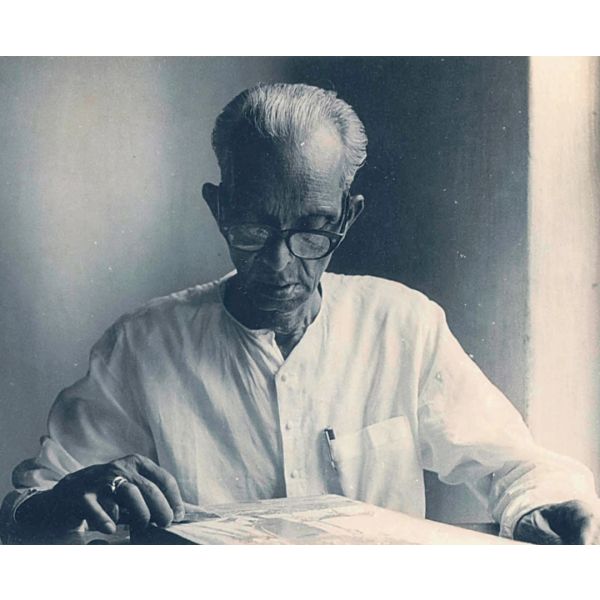 ArtistsHaren Das$0.00Master printmaker Harendra Narayan Das, popularly known as Haren Das, was born in Dinajpur in present day Bangladesh on 1 February 1921. He took a diploma in fine art, with specialisation in graphic arts, from the Government College of Arts and Crafts, Calcutta, in 1938. He worked almost exclusively in printmaking at a time when oil painting ruled popular consciousness and prints were considered inferior. Learn More