


Search results for: 'Plato's cosmology :the timaeus of Plato translated, with a running commentary'
-
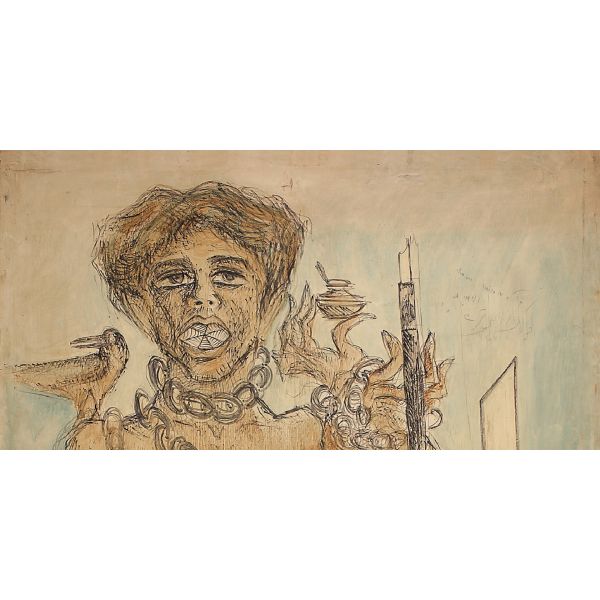 JournalDebating secularism in South Asian Art with Tapati Guha-Thakurta$0.00
This collection of essays, co-edited by eminent scholars of art history, Tapati Guha-Thakurta and Vazira Zamindar, navigate the fraught religio-political contexts of South Asia to bring into relief the fragility and amorphous nature of a contested term like the ‘secular’.
Learn More -
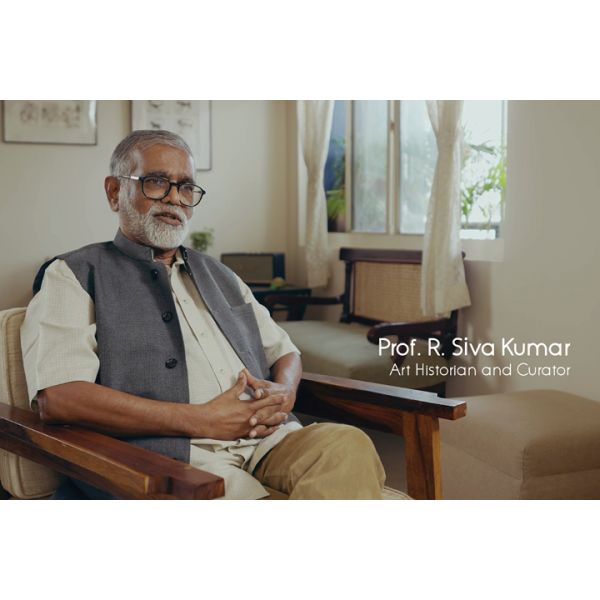 JournalProf. R Siva Kumar on Abanindranath Tagore$1.00'Iconic Masterpieces of Indian Modern Art, Edition 2' opened on 11 February, featuring fifty artworks which shaped the trajectory of pre-modern and modern art in the country. As part of the exhibition, R. Siva Kumar elaborates on Abanindranath Tagore’s wash technique and reflects on ‘The Dreamer’, a painting which conveys Tagore’s belief in the power of an artist to effect social changes. Learn More
 -
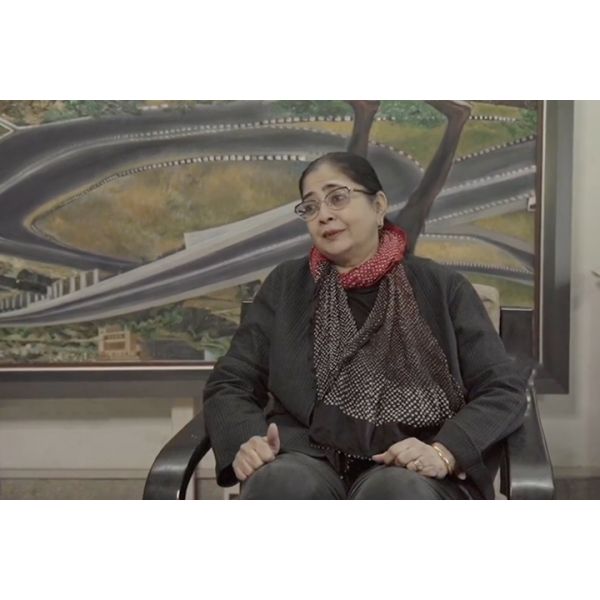 JournalArtists (Un)Scripted – Vasundhara Tewari Broota$0.00
What does it take to liberate a woman’s figure from patriarchal gaze? Courage and conviction, perhaps, as artist Vasundhara Tewari Broota shares in this short interview. Speaking from the experience of painting with courage, the artist also provides a peek into her thought process.
Learn More -
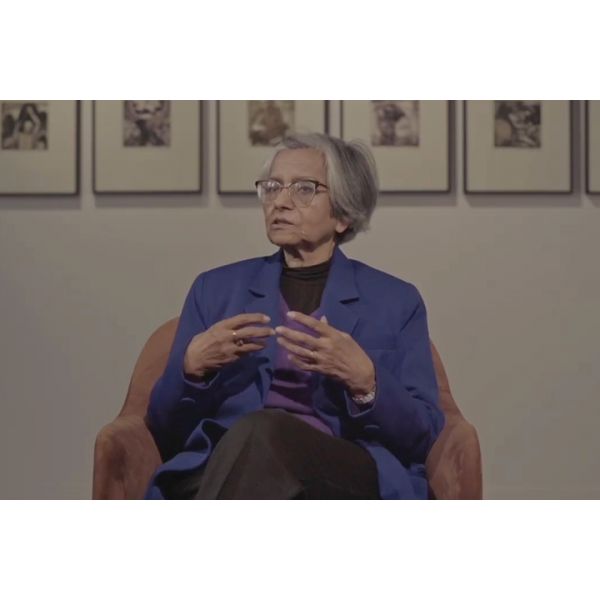 JournalArtists (Un)Scripted – Anupam Sud$0.00India’s foremost printmaker, Anupam Sud is perhaps also the country’s most well-known. What has tethered her to the democratic medium of printmaking—against all odds, needless to say—is a reason worth discovering in this short video in which the artist muses over her motivations and practice. Learn More
 -
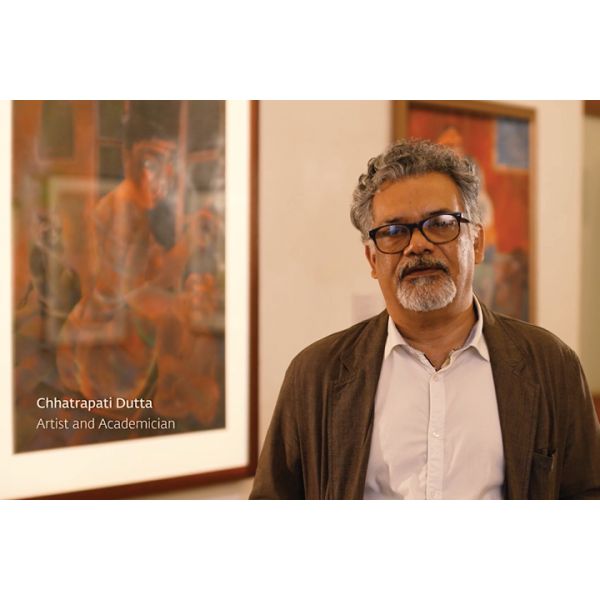 JournalThe Story of Bengal Art - Part 3$0.00
The Story of Bengal Art presents a panoramic view of the evolution of visual arts in the region. The final episode, presented by artist and academician, Prof. Chhatrapati Dutta, speaks of the fractious modernism that marks Bengal art in the mid and late 20th century. The series was shot in the majestic galleries of DAG's Ghare Baire museum-exhibition at Kolkata's Currency Building.
Learn More -
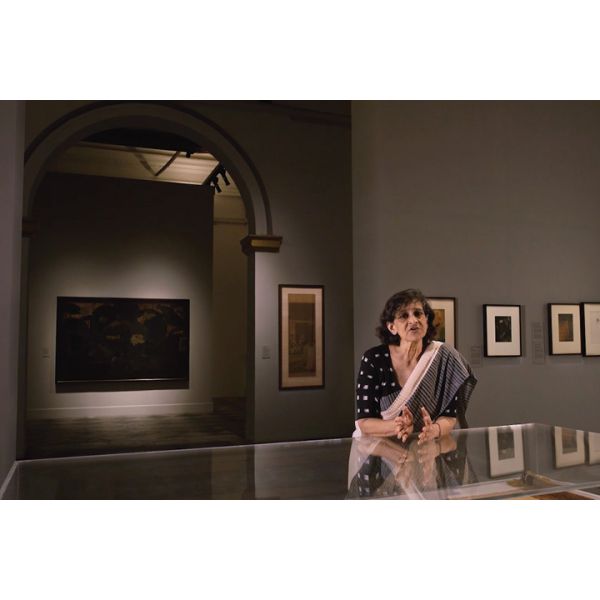 JournalThe Story of Bengal Art - Part 2$0.00
The Story of Bengal Art presents a panoramic view of the evolution of visual arts in the region. The second episode, presented by Prof. Tapati Guha-Thakurta, picks up at the turn of the 20th century, when Bengal became an important nerve-centre of India's nationalist movement. The series was shot in the majestic galleries of DAG's Ghare Baire museum-exhibition at Kolkata's Currecy Building.
Learn More -
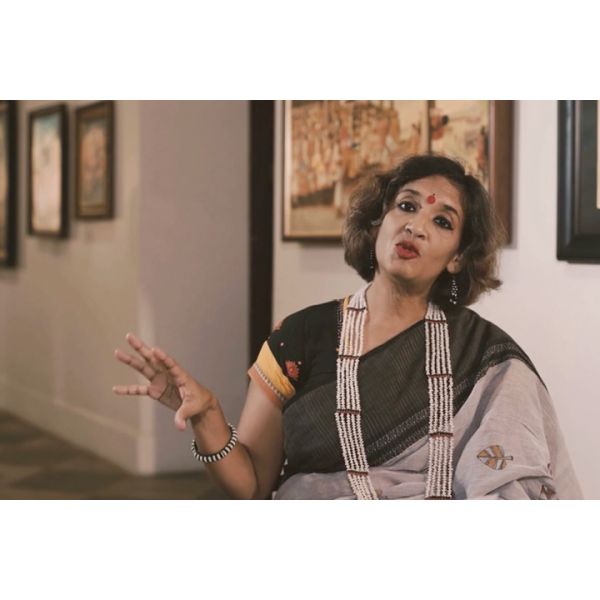 JournalThe Story of Bengal Art - Part 1$0.00The Story of Bengal Art presents a panoramic view of the evolution of visual arts in the region. The story of the first episode, presented by artist, academic, and curator, Dr. Paula Sengupta, begins in the late 18th century with the arrival of the first European traveling artists. The series was shot in the majestic galleries of DAG's Ghare Baire museum-exhibition at Kolkata's Currency Building. Learn More
 -
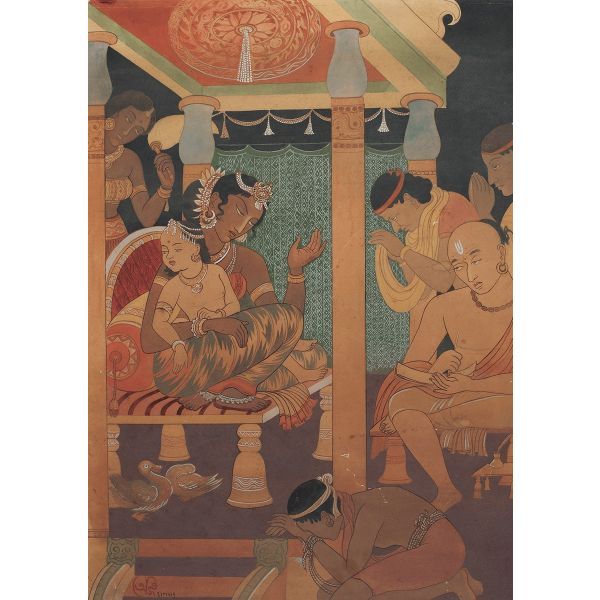 Collection StoriesSYNCRETISM IN BENGAL ART$1.00
As a region that is home to many religions and cultures, South Asia has been a fertile ground for art that blends different styles, ideas, and influences. Conquest, migration, or friendly exchange of cultural ideas and values—be it in the visual arts, food, or politics—all played a part in shaping the region as a melting pot of civilisations. Explore artworks that showcase this syncretic legacy from DAG's museum collection—starting with the early encounters with European realism, the pan-Asian influences on the Bengal School, and beyond.
Learn More -
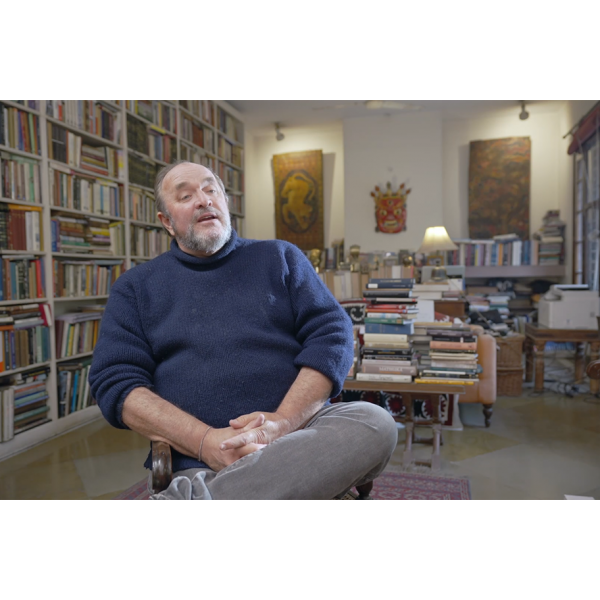 JournalWilliam Dalrymple on ‘Panorama of a Small British Station on the Ganges’$0.00
'Iconic Masterpieces of Indian Modern Art, Edition 2' opened on 11 February, featuring fifty artworks which shaped the trajectory of pre-modern and modern art in the country. As part of the exhibition, William Dalrymple reflects on the painting ‘Panorama of a Small British Station on the Ganges’. Commissioned by Major James Natheniel Rind and painted like a scientific record of a scenario, the composition evokes a transitional phase between an older Mughal ethos and the emerging world of the Company.
Join us for a talk by William Dalrymple on Indian Painting for the East India Company on Wednesday, 5th April 2023, 7pm at DAG, 22A Janpath Road, Windsor Place, New Delhi
Learn More -
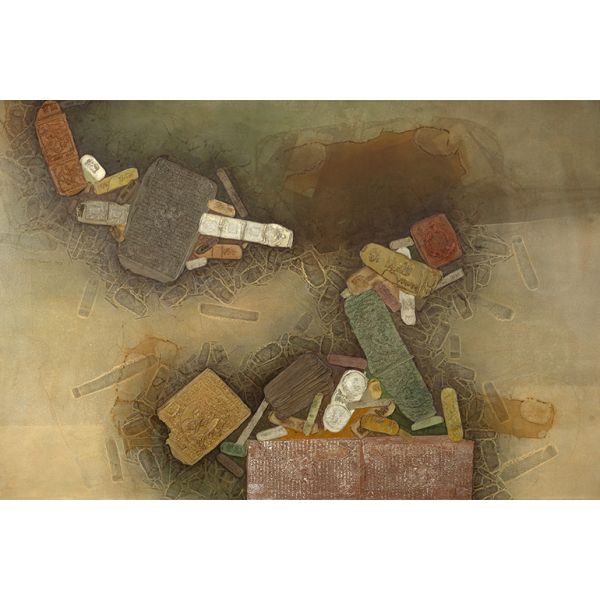 JournalUntitled by Shanti Dave$1.00
This Untitled painting, created in the early-to-mid-1970s, reflects Shanti Dave's fervent experimentation during a prolific period marked by international recognition in mural making and exhibitions. Drawing inspiration from childhood memories of Badapura and nearby archaeological ruins, the abstract composition blends colour pigments, beeswax, and oil solutions in a dynamic interplay. Employing a reverse image technique with molten wax, the painting challenges perceptions and invites contemplation on the nature of truth. Noted fashion designer and art-collector Tarun Tahiliani explains the nuances of Shanti Dave’s work in a film specially created on the painting.
Learn More -
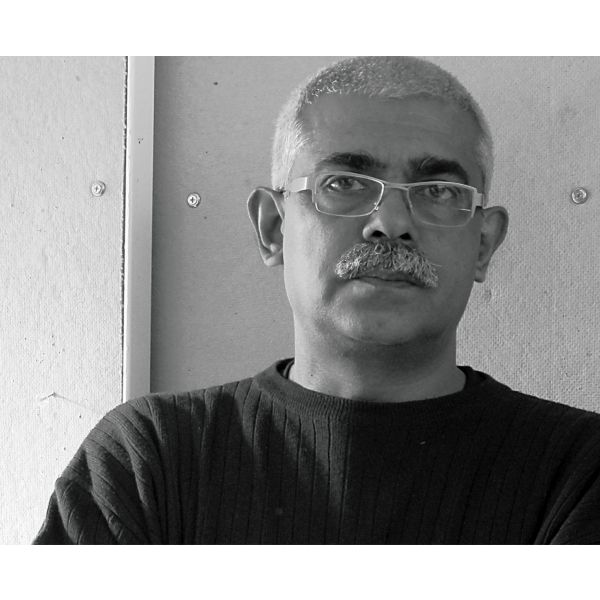 ArtistsSurendran Nair$0.00Born in Onkkoor, Kerala, Surendran Nair graduated in painting from College of Fine Arts, Trivandrum, in 1982, and studied printmaking from M. S. University, Baroda, in 1986. Nair began his art practice with strongly realist pen and ink drawings, etchings and lithographs, and commemorated people from his immediate surroundings or literary heroes in his portraiture. Learn More
 -
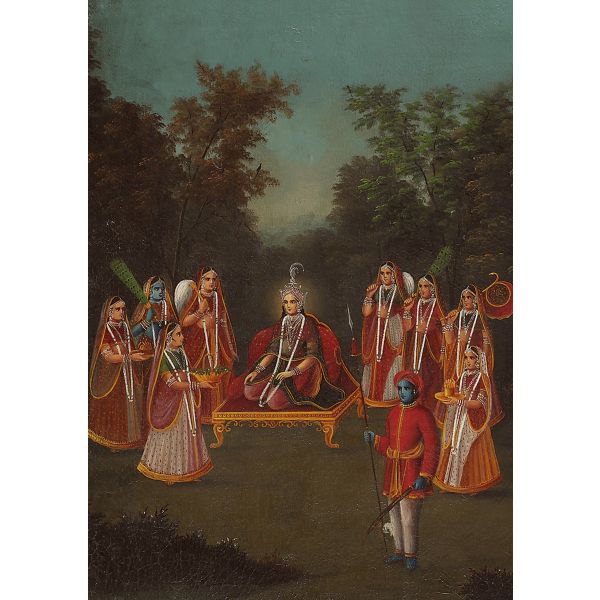 Collection StoriesUNTITLED (RADHA AS QUEEN)$1.00
Radha is painted as a queen in this Early Bengal oil painting, surrounded by her fellow Gopis (cowherds and companions) and Krishna—her divine consort and an incarnation of one of the Hindu trinity—dressed as a sentinel. She sits on her royal throne amid a forest landscape, perhaps recalling her identification as Vrindavaneshwari (goddess of Vrindavan). Going by the small but remarkable details of the jewellery, we can guess that it is the work of an artist trained in the miniature tradition. But does the painting hide other possible secrets?
Learn More