


Search results for: 'si compro una Olympus E-PM1 de japón le puedo cambiar el idioma a español'
-
 Collection OnlineTHE TAGORES$1.00
One of the most distinguished families in Bengal, the Tagores exercised unparalleled influence over the cultural landscape of the region. The Nobel Laureate, Rabindranath Tagore (1861 - 1941), and two of his nephews, Gaganendranath Tagore (1867-1938) and Abanindranath Tagore (1871 - 1951) were recognised as India’s National Art Treasure artists. Sunayani Devi (1875 -1962), their sister, is regarded as one of modern India’s first women painters known by name. Her lyrical paintings and embroideries often looked inward to an imagined world of fables and myths. At the turn of the twentieth century, we see Abanindranath emerging as the founder of the Bengal School as he envisioned a new Indian art that was free of colonial influence, rooted in pan-Asianism. Gaganendranath, on the other hand, was a prolific satirist and cartoonist, who imagined new forms and perspectives inspired by Cubism. Together they formed the influential Indian Society of Oriental Art in 1907, while Rabindranath’s school and university at Santiniketan would continue to shape modern art in Bengal for generations to come.
Learn More -
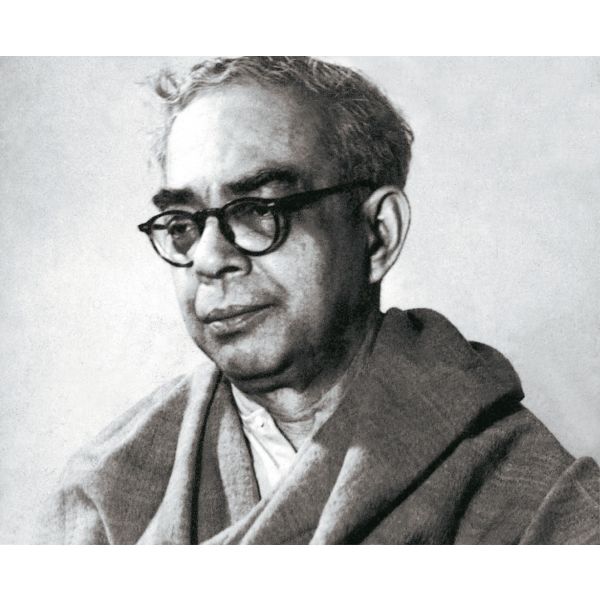 ArtistsSatish Sinha$0.00Born on 15 August 1894 in the north Calcutta neighbourhood of Nather Bagan, Satish Sinha showed an aptitude for the arts since childhood. He enrolled at the Government School of Art at the age of eighteen as a pupil of Abanindranath Tagore. However, he had to give up studying within three years due to his father’s death. He joined an insurance company as an agent to earn his livelihood but continued to study painting privately. Learn More
 -
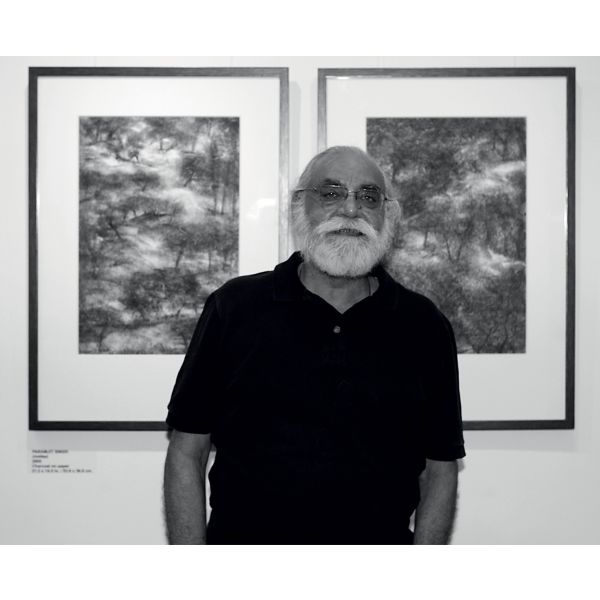 ArtistsParamjit Singh$0.00Born in Amritsar on 23 February 1935, Paramjit Singh studied art at Delhi Polytechnic from where he completed a diploma in 1958. About a decade later, he went to Norway to study printmaking at Atelier Nord. Learn More
 -
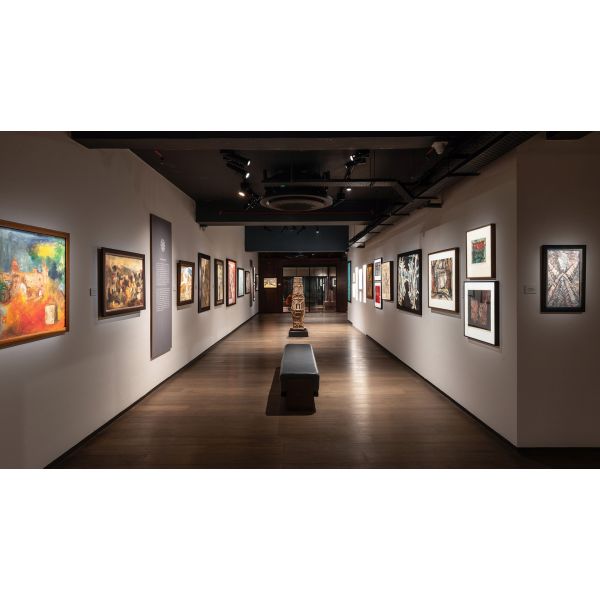 ExhibitionsArt Exhibitions$0.00
DAG has been a pioneer in curating exhibitions that have historical significance. These have ranged from themes around different genres and art movements to artist retrospectives as well as engagements with forgotten masters. Most exhibitions are sourced from its own inventory and in recent years DAG has begun to explore eighteenth and nineteenth century art and artists in addition to its presence as a stakeholder of twentieth century art. Exhibitions are routinely organised at its galleries in New Delhi, Mumbai, and New York, as well as in collaboration with museums and other institutions. All exhibitions are accompanied by well researched and designed books, adding considerably to the documentation of Indian art history.
Learn More -
 ExhibitionsA Place In The Sun: Women Artists From 20th Century IndiaAs low as $1.00
Sunayani Devi picked up a paintbrush in 1905 when she was thirty years old while supervising her kitchen duties, self-taught, but with enough talent to attract the critical attention of Stella Kramrisch who organised an exhibition of her paintings in Germany in 1927. It was in her worthy footsteps that India’s women artists followed. Devayani Krishna was born five years after Sunayani Devi began painting; Amrita Sher-Gil already had a career in Paris by the time India’s first art school-trained woman artist, Ambika Dhurandhar, earned her diploma in Bombay. B. Prabha followed next, her work reflecting the realities of the marginalised in a piquant language. By the time Nasreen Mohamedi and Zarina Hashmi, both born a decade before Independence, established their careers, women were joining art schools in greater numbers, validating their practice not on the basis of their gender but on its context. Anupam Sud Devayani Krishna Gogi Saroj Pal Latika Katt Madhvi Parekh Mrinalini Mukherjee Navjot Rekha Rodwittiya Shobha Broota Zarina Hashmi
Learn More -
 JournalEighty-Five Safety Pins by Prabhakar Barwe$1.00
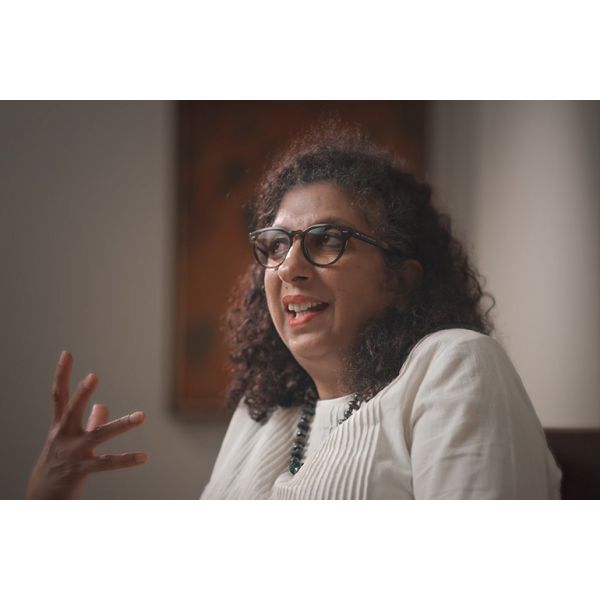
Prabhakar Barwe’s Eighty-Five Safety Pins is a pioneering work that merges technology and traditional art. Created in 1991 using graphic design software on an Apple Macintosh, Barwe explored the concept of pixels, a hallmark of the digital era, while incorporating his signature enamel paint. This innovative approach reflects his curiosity about embracing the unknown future and reinterpreting it artistically. By abstracting the safety pin from its conventional form, Barwe invites viewers to reconsider its essence, offering an open-ended visual experience that challenges preconceived notions and encourages alternative perspectives. Art connoisseur Shireen Gandhy, a friend of the late artist, takes us behind the making of this extraordinary painting.
Learn More -
-
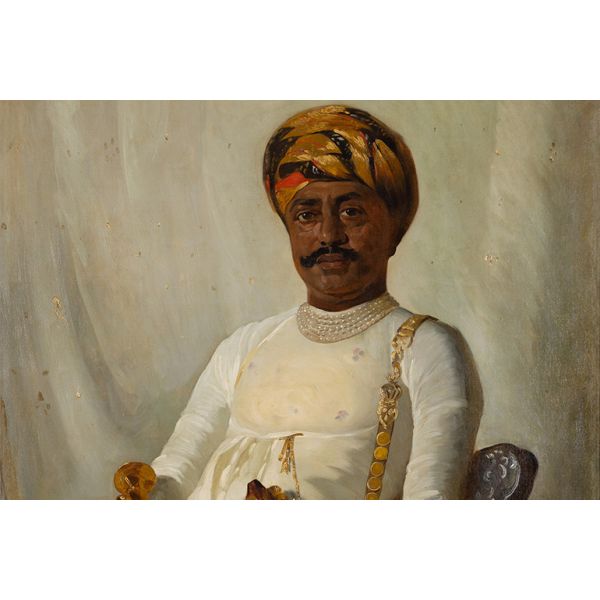 JournalThakor Becharsinhji of Chuda by Frank Brooks$1.00
Did you know that the portrait painter Frank Brooks whose two trips to India won him commissions from the rulers of principalities in the Bombay Presidency, trained Raja Ravi Varma’s brother in the art of figure painting? For his second India voyage (1892-93), he was invited specially to paint the heads of the twenty-eight rulers of the Kathiawar Agency. The subject of this stunning portrait is Thakur Becharsinhji of Chuda, a state so small it did not even merit a gun salute for its ruler. Explore in detail with Kishore Singh, SVP, DAG.
Learn More -
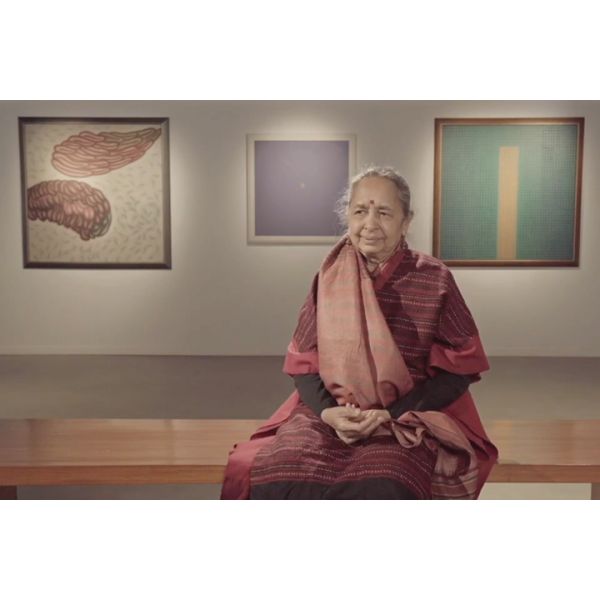 JournalArtists (Un)Scripted – Shobha Broota$0.00Shobha Broota is often described as among the most enigmatic artists of her generation. Her strength lies in ‘simplicity’, which she has used dexterously to explore the most complex of subjects in her art, making her a pioneer in choosing abstraction when very few women artists of India were doing so. Learn More
 -
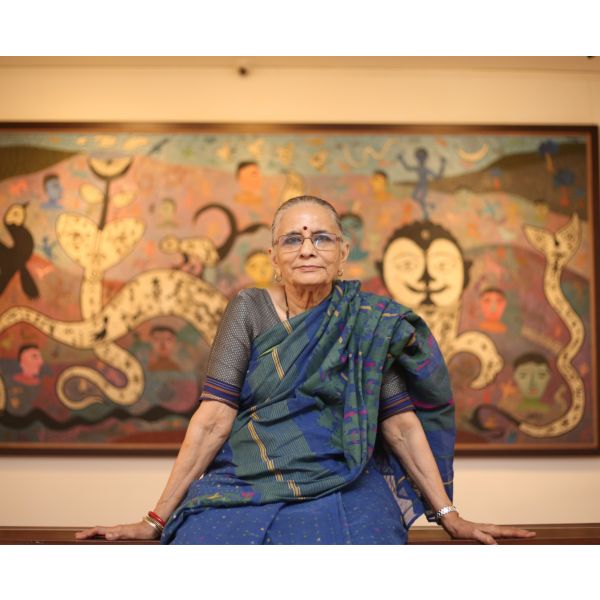 ArtistsMadhvi Parekh$0.00Madhvi Parekh was born and raised in Sanjaya, a village in Gujarat. Though she is self-taught and took up painting only in 1964, inspired by her artist-husband Manu Parekh, art remained a part of her consciousness through childhood memories, her family’s rituals such as the traditional floor designs of rangoli, popular folk stories, and simple village life. While expecting their first child, Parekh’s husband gifted her a book on drawing exercises by Paul Klee, and soon she was taking the first steps towards creating her own art vocabulary. Learn More
 -
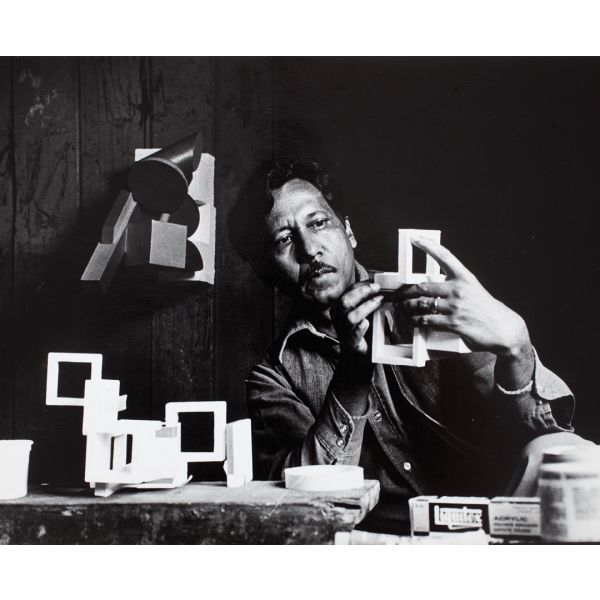 ArtistsEric Bowen$0.00Eric Bowen was born in Allahabad on 3 May 1929 and received a diploma from the College of Art, New Delhi, in 1959. Though he joined the short-lived Group 1890, his journey to be a part of the significant art movements in the 1960s took root when he and Paramjit Singh started the Group Unknown, a Delhi-based collective of young artists and sculptors. Learn More
 -
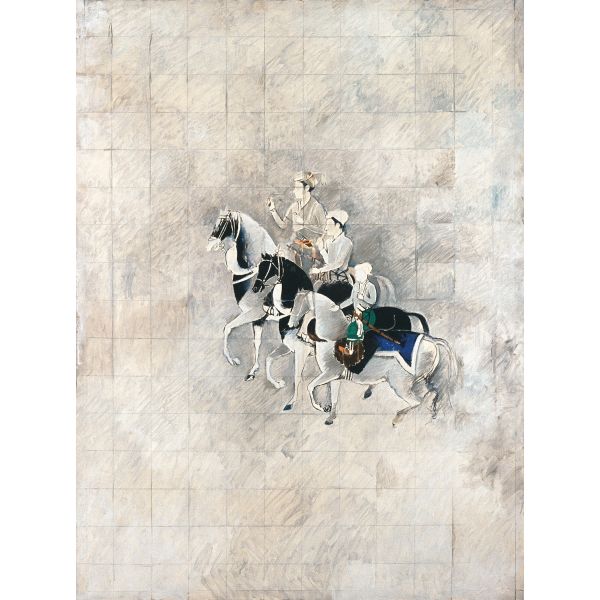 Events and ProgrammesModern Art in Pakistan$1.00
A journey through the decades post the 1950s in Pakistan with art historian Simone Wille, from the University of Innsbruck, exploring the works of pioneering artists who looked to history and tradition to develop new visual languages, while also creating dialogues globally through travel.
Learn More