Search results for: 'Foreign artists in india 1857 19'
-
-
-
-
-
 Art FairsIndia Art Fair$0.00
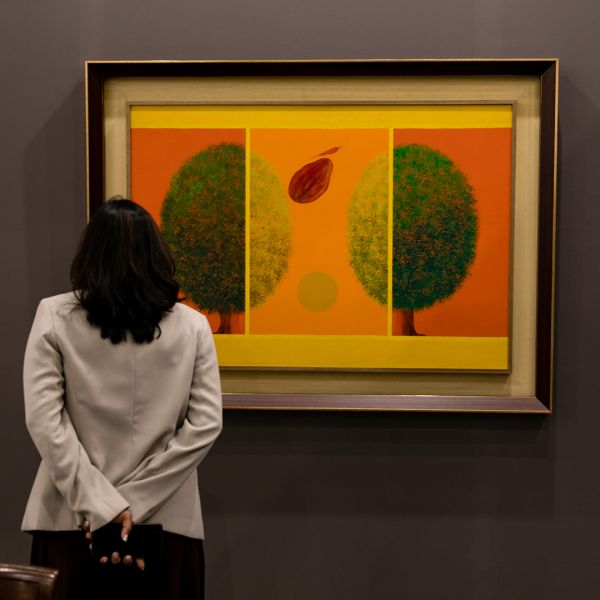
The showstoppers at the entrance of the DAG booth at the India Art Fair 2020 included a poignant painting of Draupadi’s saree being unfurled in the Kaurava court painted by M. V. Dhurandhar, alongside a work by an unknown artist in the style of the Early Bengal School—the oldest work on display. Together, they were a pointer to the masterpieces on display at the DAG booth, covering over roughly a century of art practice in India. DAG’s representation included some fine artworks such as a huge canvas by K. H. Ara, a ceramic sculpture by Mrinalini Mukherjee, a stunning canvas by Sohan Qadri, colourful abstract paintings by J. Swaminathan, Shanti Dave and G. R. Santosh, a masterful work by S. H. Raza, a lovely Jamini Roy, and paintings by M. F. Husain, Krishen Khanna, Paritosh Sen, J. Sultan Ali, Madhvi Parekh and others—each of unparalleled quality. J. SULTAN ALI BIKASH BHATTACHARJEE G. R. SANTOSH PARITOSH SEN EARLY BENGAL OIL K. C. S. PANIKER MADHVI PAREKH S. H. RAZA KRISHEN KHANNA SHANTI DAVE K. H. ARA PRABHAKAR BARWE M. V. DHURANDHAR M. F. HUSAIN HEMEN MAZUMDAR KSHITINDRANATH MAJUMDAR MRINALINI MUKHERJEE SOHAN QADRI JAMINI ROY J. SWAMINATHAN
Learn More -
 Art FairsExpo Chicago$0.00
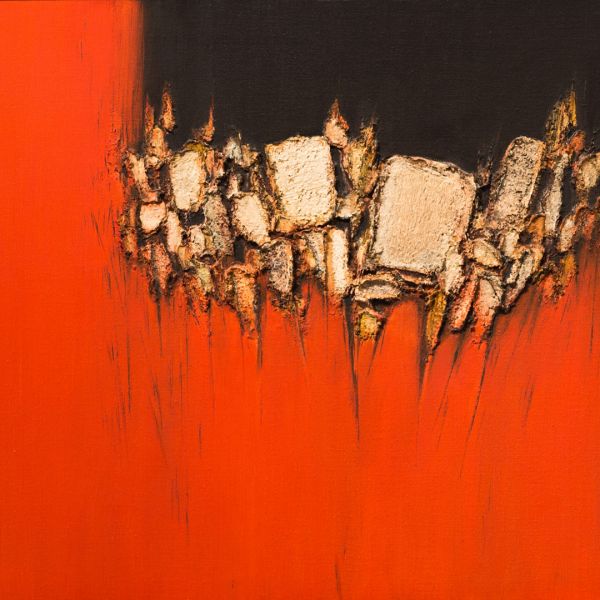
The midwestern city of Chicago hosts one of America’s most important art fairs—Expo Chicago—in which DAG participated in an attempt to introduce Indian moderns to the diaspora there as well as to art-lovers in general. To introduce art to this midwestern population, DAG picked on well-established names from the Indian art marquee. This included the National Treasure artist Jamini Roy whose works outside India are a rarity since they cannot be exported. Others included the Progressives F. N. Souza and M. F. Husain, New York-based printmakers Krishna Reddy and Zarina Hashmi (both now deceased) and artist Natvar Bhavsar, abstractionists Sohan Qadri and G. R. Santosh, a rare sculpture by Prodosh Das Gupta, and a body of other modernists representing the diverse range of works created by Indian artists in the twentieth century. A suite of small format watercolour landscapes by Bireswar Sen was a highlight of the booth. Avinash Chandra Bireswar Sen Chittaprosad F N Souza F N Souza G R Santosh Ganesh Pyne Jamini Roy K.S Kulkarni Krishna Reddy Laxman Pai M F Husain Madhvi Parekh Natvar Bhavsar Paritosh Sen Prodosh Das Gupta Rabin Mondal Sohan Qadri Zarina Hashmi
Learn More -
-
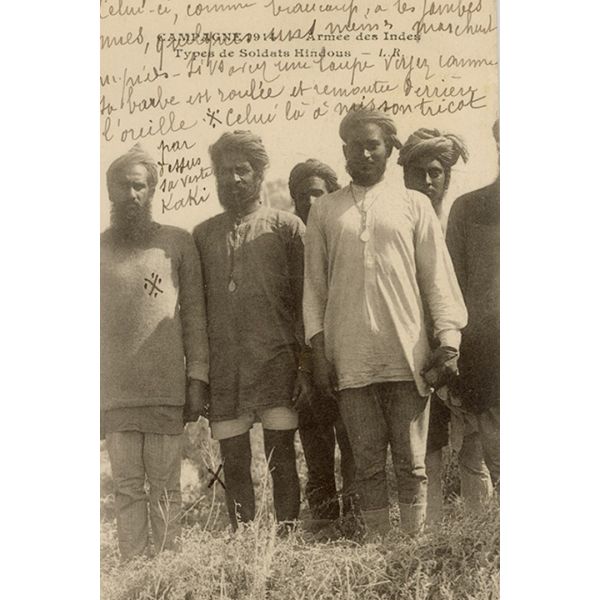
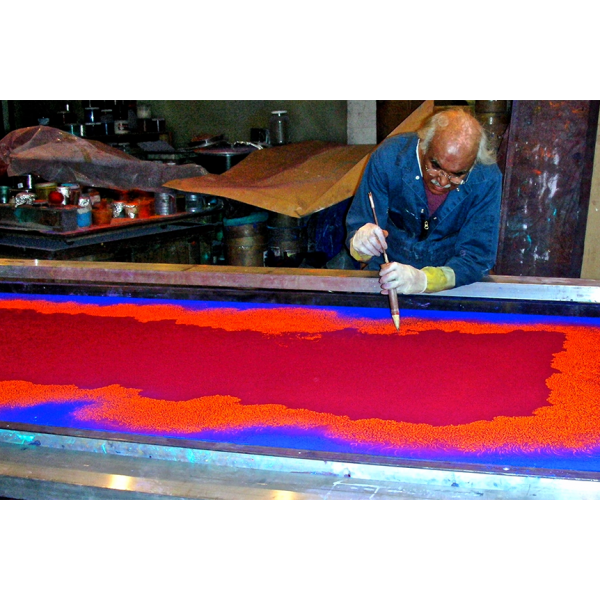 JournalNatvar Bhavsar: Cosmic Whispers$0.00‘Navtar Bhavsar: Cosmic Whispers’ opened on 1 March, featuring the art’s artworks which contributed to significantly to the discourse on abstractionism in New York and beyond. As part of the exhibition, Navtar Bhavsar speaks on working within the art scene in New York in the 1960s and his various points of reference rooted in Indian culture. Learn More
 -
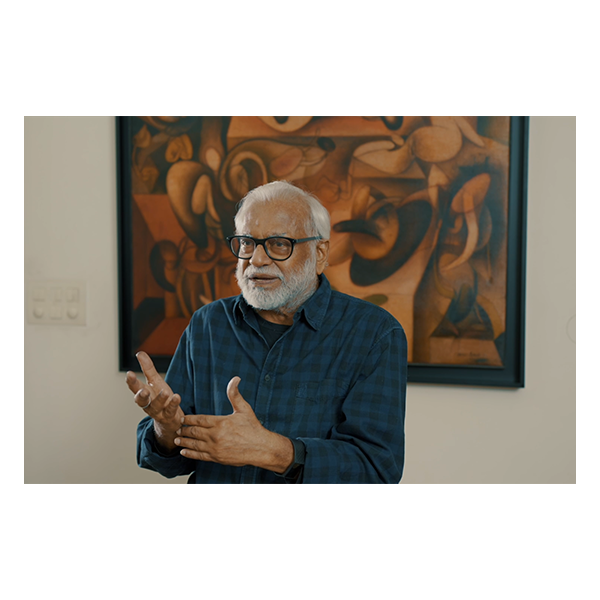 JournalManu Parekh on 'Shiva'$0.00‘Iconic Masterpieces of Indian Modern Art, Edition 2’ opened on 11 February at DAG’s Janpath Gallery in New Delhi featuring fifty artworks which shaped the trajectory of pre-modern and modern art in the country. As part of the exhibition, Manu Parekh speaks about his 1971 painting ‘Shiva’, created at a pivotal juncture of his artistic career when he was trying to forge a visual language different from the Bengal School. Learn More
 -
 JournalGroup 1890$0.00Group 1890 remains unique in the journey of modern Indian art for various reasons, the most important being J. Swaminathan as the force behind the short-lived collective that held only one exhibition in its lifetime, in 1963. In 2016, DAG organized a ‘second’ exhibition of the group, featuring works by all its founder members. Learn More
 -
 Collection OnlineCHITTAPROSAD$1.00
Chittaprosad (1915 – 1978) was an artist of the people. A firm believer in the power of political art to bring tangible change in society, he is remembered for political cartoons and caricatures lampooning the ruling elite while championing the cause of the working class.
He was also a dedicated journalist working for the Communist Party of India (CPI) and was sent by the party to document the effects of the Great Bengal Famine of 1943 in Bengal’s villages and towns. He would come back with harrowing stories and sketches of hunger and death and publish them in the CPI’s journal People’s War, something that would prove to be extremely important in the face of British censorship on news about the famine.
Post-Independence, Chittaprosad distanced himself from the CPI due to ideological differences and moved to the outskirts of Bombay. He continued registering protest through his art but focussed increasingly on art for children. He setup a puppet studio, Khela-ghar and created beautiful retellings of epics and folk tales in print.
Learn More