


Search results for: 'deviantart samus and pikachu we make a good team'
-
-
 Art FairsIndia Art Fair$0.00
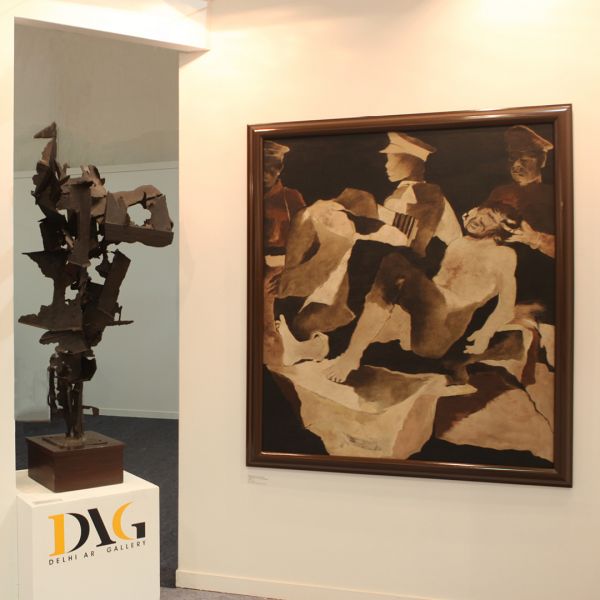
Stepping up its efforts to familiarise viewers with the extensive range of Indian modern art, DAG occupied an extensive booth at the India Art Fair 2014, where over 300 paintings and sculptures were displayed, featuring about 125 artists. The specially designed booth was the centre of attraction at the fair and the most prominent destination for art lovers wanting to understand the development of Indian art from the point of its history, chronology, movements, periods, regions, or genres. It was an art history lesson brought to life and was thronged by visitors. Special talks were organised at the booth. A 332-page catalogue was specially published for the fair and remains a compendium of India’s greatest artists ever. A. A. Almelkar A. A. Raiba A. D. Tavaria A. M. Davierwalla Abalall Rahiman Abanindranath Tagore Akbar Padamsee Altaf Amalnath Chakladhar Ambadas Amitava Aroomoogam Pillay Arpana Caur Avinash Chandra B. C. Law B. Prabha Badri Nath Arya Bal Chhabda Benjamin Hudson Benode Behari Mukherjee Bhupen Khakkar Bijan Choudhary Bikash Bhattacharjee Bimal Dasgupta Bipin Behari Goswami Biren De Bireswar Sen Chintamoni Kar Chittaprosad D. P. Roy Chowdhury Dhanraj Bhagat Dharamanarayan Dasgupta Early Bengal Oil (Anonymous) F. N. Souza G. R. Santosh Gaganendranath Tagore Ganesh Haloi Ganesh Pyne George Keyt Gieve Patel Gogi Saroj Pal Gopal Ghose H. A. Gade Haren Das Hemanta Misra Hemendranath Majumdar Henry Singleton Himmat Shah Indra Dugar J. Sultan Ali J. Swaminthan Jacob Epstein Jamini Roy Jeram Patel Jogen Chowdhury Jyoti Bhatt K. C. S. Panicker K. G. Subramanyan K. H. Ara K. K. Hebbar K. Laxma Goud K. S. Kulkarni Kalighat Pat Kanwal Krishna Khagen Roy Kisory Roy Krishen Khanna Kshitindranath Majumdar L. Munuswamy L. N. Taskar L. P. Shaw Laxman Pai M. A. R. Chughtai M. F. Husain M. F. Pithawalla M. V. Dhurandhar Manjit Bawa Manu Parekh Meera Mukherjee Mohan Samant N. R. Sardesai N. S. Bendre Nandalal Bose Nemai Ghosh Nikhil Biswas P. Chander Sheker P. Khemraj P. T. Reddy P. V. Janakiram Paritosh Sen Pestonji E. Bomanji Portrait (Anonymous) Prabhakar Barwe Prodosh Das Gupta Prokash Karmakar Prosanto Roy R. Vijaivargiya Rabin Mondal Rabindranath Tagore Radha Charan Bagchi Raghav Kaneria Raja Ravi Varma Ram Kumar Ramendranath Chakravorty Rameshwar Broota Ramkinkar Baij Ravi Varma School (Anonymous) S. Dhanapal S. G. Thakur Singh S. H. Raza S. L. Haldankar S.K. Bakre Sailoz Mukherjea Sankho Choudhuri Satish Gujral Shiavax Chavda Shyamal Dutta Ray Sohan Qadri Somnath Hore Suhas Roy Sunil Das Sunil Madhav Sen Thomas Daniell Tyeb Mehta V. Nageshkar V. S. Gaitonde Ved Nayar
Learn More -
 Events and ProgrammesWhy is Art Weird?$1.00
Art Lab is travelling pop-up exhibition on Indian modern art, that transforms classrooms into museums and creates an immersive, participatory learning environment for learners.
Learn More -
-
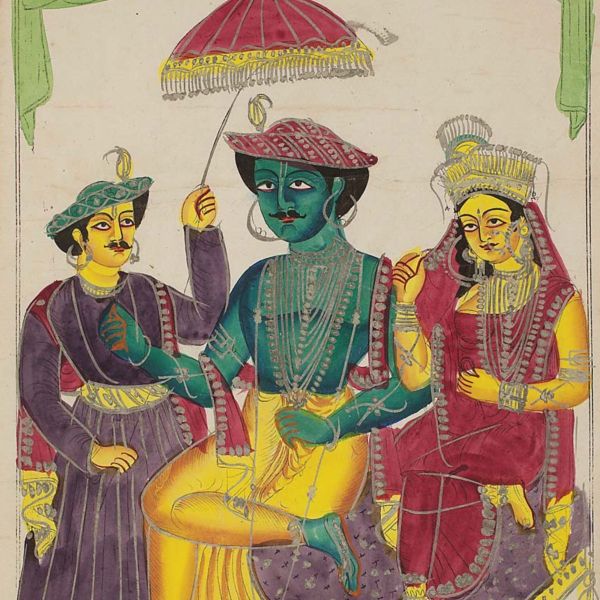 ExhibitionsManifestations X: 75 ArtistsAs low as $1.00
Manifestations, DAG’s signature exhibition showcasing the very best of modern Indian art, appears this winter in its landmark tenth edition, bringing together seventy-five of India’s best-known and most established modernists. The artworks are grouped by genre into the categories of mythology, landscape, still-life, figurative, narrative and abstract art, and present the mature styles of the participating artists. Raiba A. M. Davierwalla Abanindranath Tagore Ambadas Arpana Caur Avinash Chandra Benode Behari Mukherjee Bikash Bhattacharjee Biren De Chittaprosad D. P. Roy Chowdhury Dhanraj Bhagat Early Bengal (Anonymous) F. N. Souza G. R. Santosh Gaganendranath Tagore Ganesh Haloi Ganesh Pyne George Keyt Gieve Patel Gogi Saroj Pal Gopal Ghose Haku Shah Hemanta Misra Hemendranath Majumdar Himmat Shah Indra Dugar J. Sultan Ali J. Swaminathan Jamini Roy Jeram Patel Jogen Chowdhury Jyoti Bhatt K. C. S. Panicker K. G. Subramanyan K. K. Hebbar K. Laxma Goud K. S. Kulkarni K. S. Radhakrishnan Kalighat Pat (Anonymous) Laxman Pai M. A. R. Chughtai M. F. Husain M. V. Dhurandhar Manu Parekh Meera Mukherjee N. S. Bendre Nandalal Bose Dharamnarayan Dasgupta Nikhil Biswas P. Khemraj P. T. Reddy P. V. Janakiram Paritosh Sen Piloo Pochkhanawalla Prosanto Roy R. Vijaivargiya Rabin Mondal Rabindranath Tagore Raghav Kaneria Raja Ravi Varma Ramkinkar Baij S. Dhanapal S. H. Raza S. K. Bakre Satish Gujral Shanti Dave Shyamal Dutta Ray Sohan Qadri Somnath Hore Sunayani Devi Sunil Das Sunil Madhav Sen Thota Vaikuntam V. Nageshkar
Learn More -
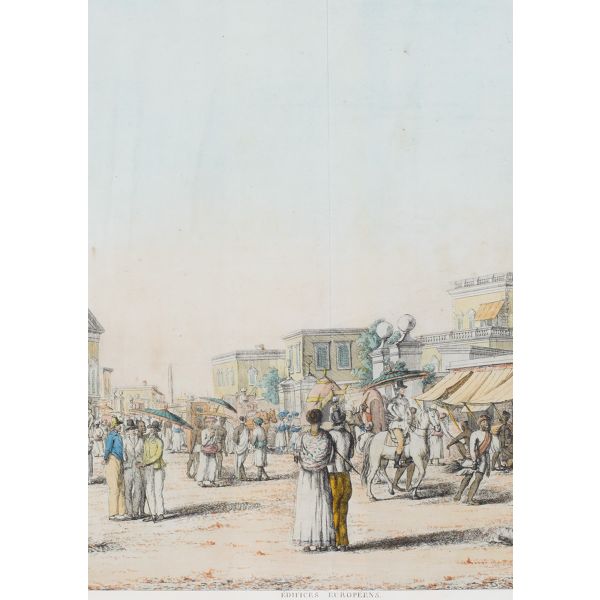
 JournalRepresenting Architecture: How art influenced architecture$0.00European artists and architects were deeply influenced by the rich cultural heritage and artistic traditions of India, which, in turn, influenced their architectural designs. Artistic representations served as a bridge between cultures, leading to the incorporation of Indian motifs, styles, and decorative elements in colonial architecture. Learn More
 -
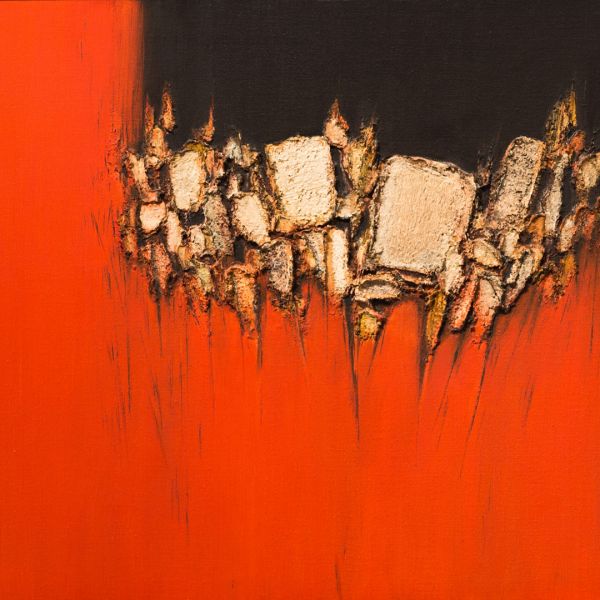 Art FairsExpo Chicago$0.00
The midwestern city of Chicago hosts one of America’s most important art fairs—Expo Chicago—in which DAG participated in an attempt to introduce Indian moderns to the diaspora there as well as to art-lovers in general. To introduce art to this midwestern population, DAG picked on well-established names from the Indian art marquee. This included the National Treasure artist Jamini Roy whose works outside India are a rarity since they cannot be exported. Others included the Progressives F. N. Souza and M. F. Husain, New York-based printmakers Krishna Reddy and Zarina Hashmi (both now deceased) and artist Natvar Bhavsar, abstractionists Sohan Qadri and G. R. Santosh, a rare sculpture by Prodosh Das Gupta, and a body of other modernists representing the diverse range of works created by Indian artists in the twentieth century. A suite of small format watercolour landscapes by Bireswar Sen was a highlight of the booth. Avinash Chandra Bireswar Sen Chittaprosad F N Souza F N Souza G R Santosh Ganesh Pyne Jamini Roy K.S Kulkarni Krishna Reddy Laxman Pai M F Husain Madhvi Parekh Natvar Bhavsar Paritosh Sen Prodosh Das Gupta Rabin Mondal Sohan Qadri Zarina Hashmi
Learn More -
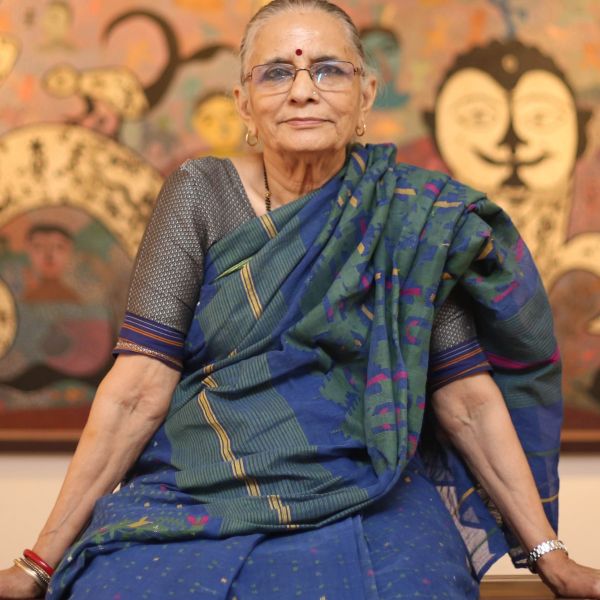 ExhibitionsMadhvi Parekh: The Curious SeekerAs low as $1.00
Spanning five decades of her painterly career, this retrospective includes iconic works by Madhvi Parekh which represent every phase of her illustrious career. The show also includes rare drawings and paintings from the 1960s, when the influence of Paul Klee’s abstraction on her early work was evident. Given the solid representation of Parekh’s paintings from every decade, the exhibition allows viewers to see the continuity in her vision and focus.
Learn More -
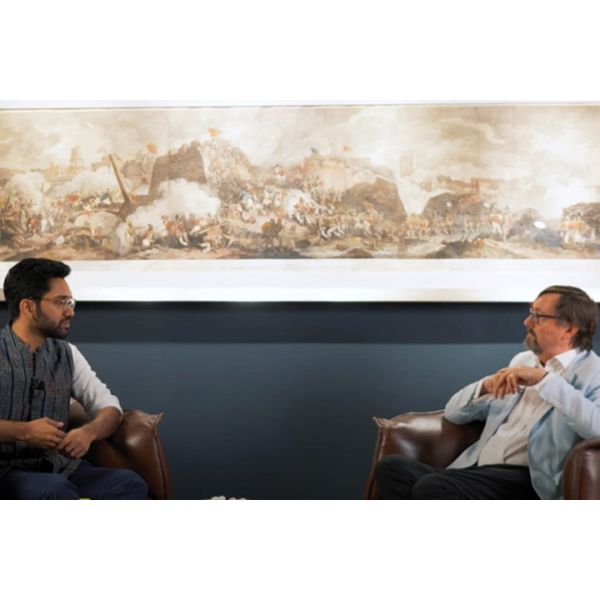 JournalRemembering Tipu Sultan: Manu Pillai and Giles Tillotson$0.00Historian and author Manu S. Pillai in conversation with art historian and curator Giles Tillotson on the subject of Tipu Sultan in the context of DAG’s exhibition, 'Tipu Sultan: Image and Distance' Learn More
 -
 ExhibitionsIndian PortraitsAs low as $1.00
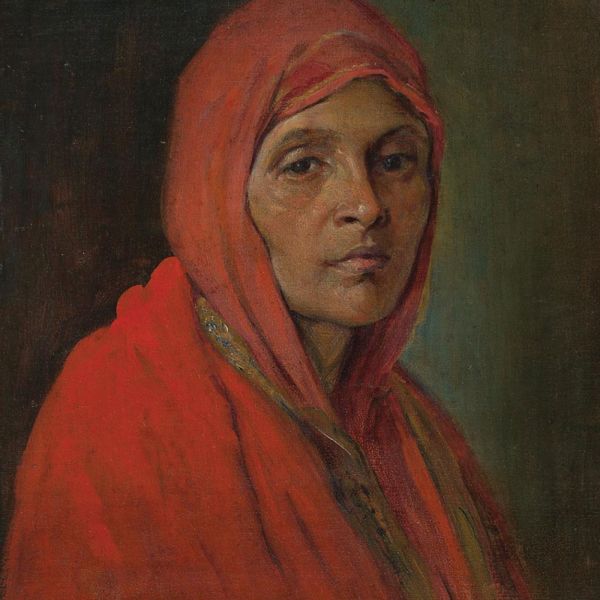
A portrait is a painting, photograph, sculpture, or other artistic representation of a person, in which the face and its expression are predominant. The intent is to display the likeness, personality, and even the mood of the person. For this reason, in photography, a portrait is generally not a snapshot, but a composed image of a person in a still position. A portrait often shows a person looking directly at the painter or photographer, in order to most successfully engage the subject with the viewer A. A. Raiba Abalall Rahiman Abanindranath Tagore Akbar Padamsee Alagiri Naidu Alphonso Doss Ambika Dhurandhar Anjolie Ela Menon Anonymous (Bengal Lithographs) Anonymous (Ladies and Gentlemen) Anonymous (Painted Photographs) Anonymous (Parsi Eminences) 90 Anonymous (Raja Ravi Varma School) Anonymous (Royal Personages) Anonymous (Spiritual) Anonymous (Studio Photographs) Ardeshir Duishajee Tavaria Asit Kumar Haldar B. Paul Baburao Sadwelkar Badri Narayan Benjamin Hudson Bhunath Mukherjee Bhupen Khakhar Bikash Bhattacharjee Bipin Behari Goswami Biswanath Mukerji C. N. Kistnasawmy Naidu Cecil Burns Chintamoni Kar Chittaprosad D. L. N. Reddy D. P. Roy Chowdhury Devyani Krishna F. N. Souza Fatima Ahmed Frank Brooks G. Kamble G. N. Jadhav G. R. Santosh Gaganendranath Tagore George Keyt Gobardhan Ash Gogi Saroj Pal Gopal Deuskar Gopal Ghose Gopal Sanyal H. Hormusji Deboo Himmat Shah Hiranmoy Roychaudhuri J. A. Lalkaka J. Barton J. D. Dalvi J. D. Gondhalekar J. P. Gonsalves J. P. Gangooly J. Sultan Ali Jacob Epstein Jai Zharotia Jamini Roy Jogen Chowdhury Jyoti Bhatt K. C. Pyne K. K. Hebbar K. Lall K. Laxma Goud K. S. Kulkarni Kanwal Krishna Keshavrao Sadashiv Kisory Roy Koulji Ardeshir Tachakra Krishen Khanna L. M. Sen L. Munuswamy L. N. Taskar L. P. Shaw Laxman Pai M. F. Husain M. F. Pithawalla M. K. Parandekar M. R. Acharekar M. V. Dhurandhar Mukul Dey Muni Singh N. R. Sardesai Nemai Ghosh Nirode Majumdar Olinto Ghilardi P. T. Reddy Paritosh Sen Partha Pratim Deb Pestonji E. Bomanji Pradip Maitra Prahlad Karmakar Prokash Karmakar R. D. Panvalkar R. S. Bisht Rabin Mondal Rabindranath Tagore Raja Ravi Varma Rama Lal Ramendranath Chakravorty S. A. Meerza S. Dhanapal S. G. Thakar Singh S. L. Haldankar Sankho Choudhuri Satish Sinha Savi Savarkar Shanti Dave Sudhir Khastgir Suhas Roy Sunil Das Sunil Kumar Paul Sunil Madhav Sen Sunqua Surendran Nair Sushil Chandra Sen Tarak Garai V. A. Mali V. B. Pathare V. M. Oke V. Nageshkar Ved Nayar Vivan Sundaram Wasim Kapoor
Learn More -
-
 Events and ProgrammesMumbai Gallery Weekend$1.00
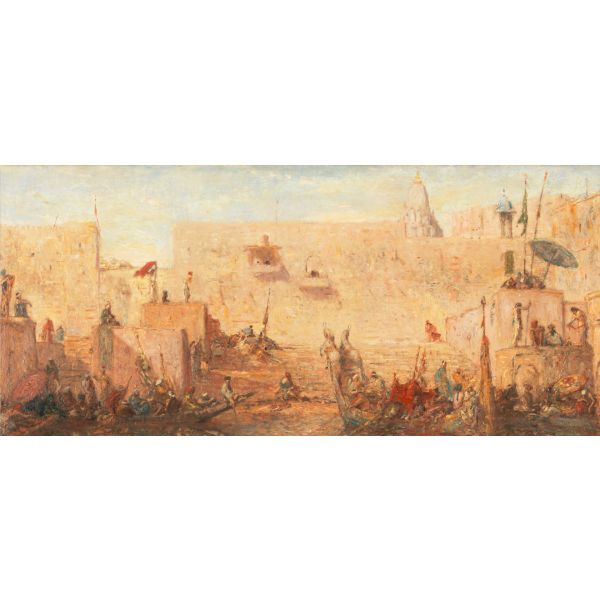
The exhibition presents views of the ancient city of Benares (now Varanasi) as depicted by foreign artists in the nineteenth and early twentieth centuries.
Learn More