Search results for: 'Museum sains terbesar di China, mirip kapal di Shenzhen'
-
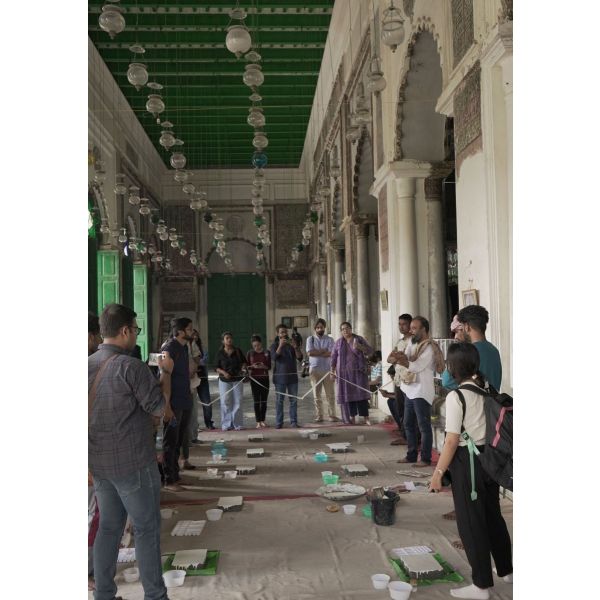 Collection StoriesThe City as a Museum, Kolkata—A Visual Journey$1.00
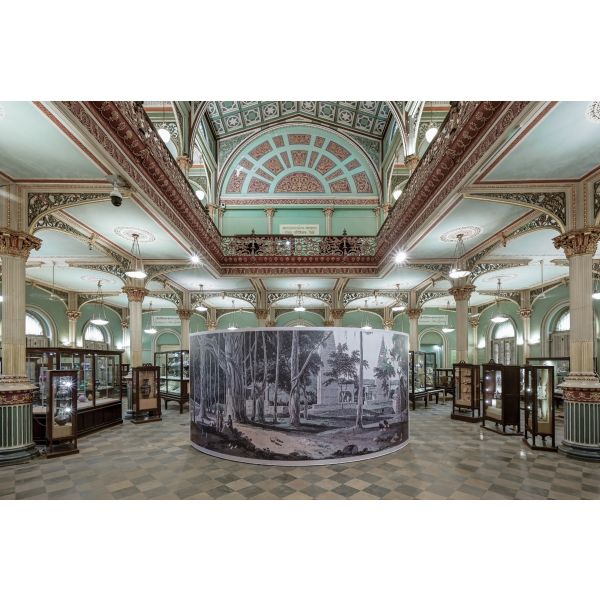
DAG Museum’s annual festival ‘The City as a Museum’ attempts to explore the various archives, communities and artistic traditions that cohere around the life of a city. Put together, they tell different stories about the city across time and space, from the point of view of neighbourhoods, collections and institutions, but not just limited to those either.
In order to learn more about this unique programme that seeks to explore heritage outside the walls of a traditional gallery or museum, read on!
Learn More -
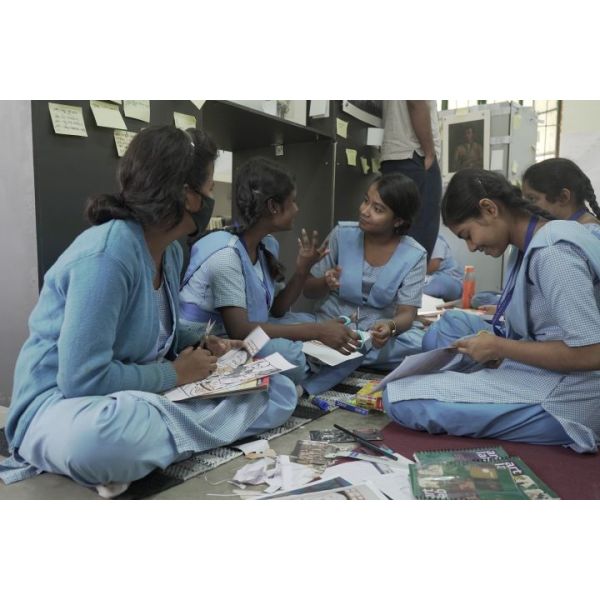 JournalArt Lab: Transforming Classrooms into Museums$0.00
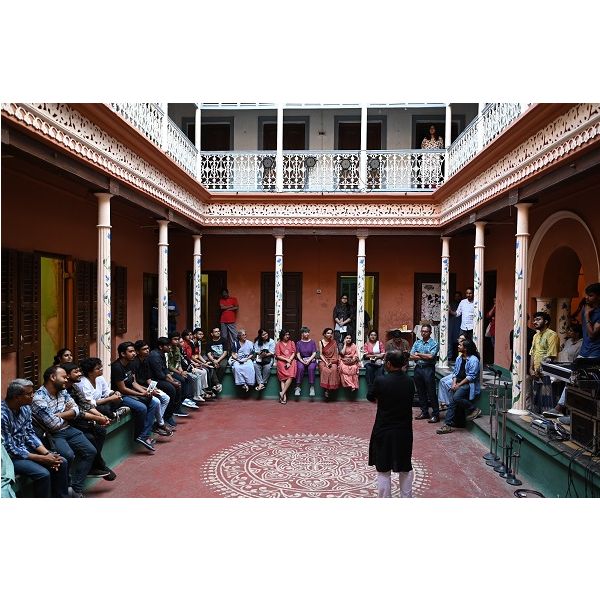
Art Lab by DAG’s Museums Programme is a pop-up art exhibition of facsimiles of works from the DAG Museum Collection that travels to schools and introduces students to modes of visual learning. After two successful iterations in CBSE and ICSE schools in Kolkata, Art Lab travelled to its first Bengali medium West Bengal Board school—Barisha Janakalyan Vidyapith for Girls. Through three days of workshops spread across two weeks, the students interacted with the artworks, learnt the basics of research, delved into historical material, and developed their own creative projects. Take a peek at some of the wonderful projects they curated as they took over the exhibition and made it their own.
Learn More -
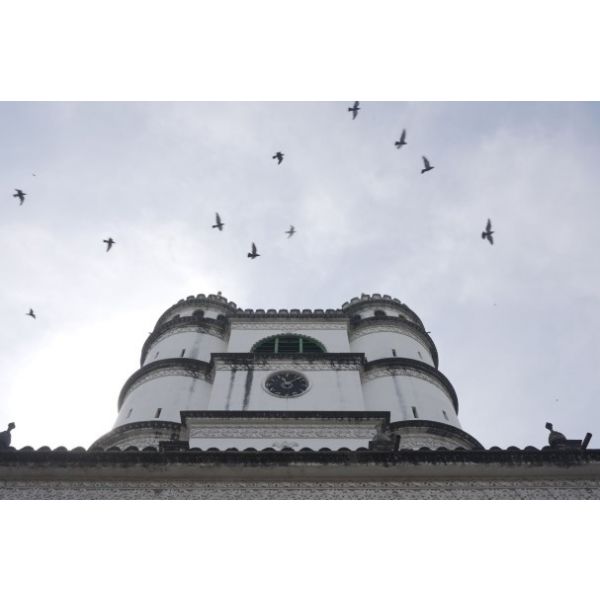 JournalThe City as a Museum: Edition 2, Kolkata 2023$0.00
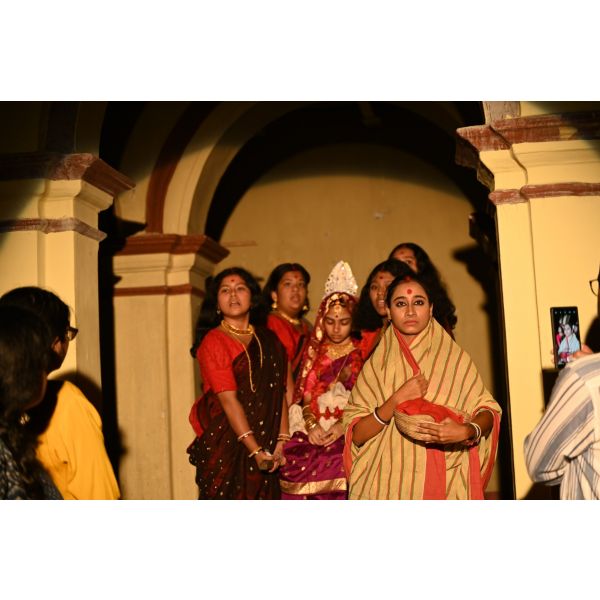
'The City as a Museum' in an annual art and heritage festival by DAG's Museums Programme. The second edition returned to Kolkata to celebrate the city's rich history of artistic practices and exchange. We travelled across the city and beyond to heritage spaces, artists' homes, and rare collections through unique walks, workshops, talks, performances and more. Explore a snapshot of this journey through photographs by Parameshwar Halder.
Learn More -
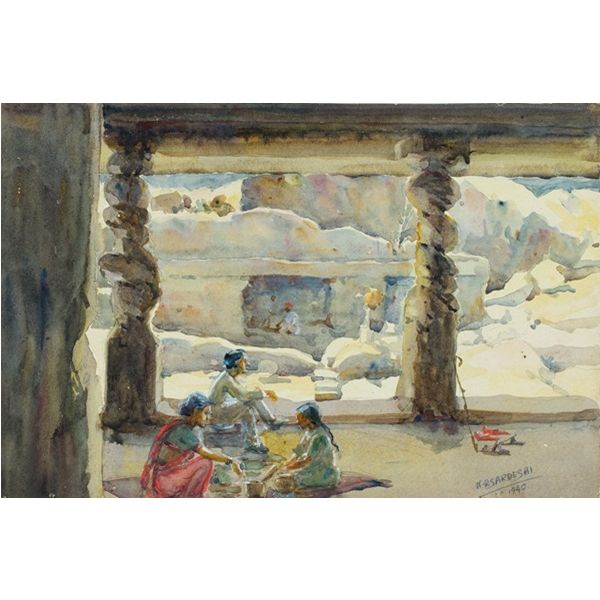
 ExhibitionsThe Sixties ShowAs low as $1.00
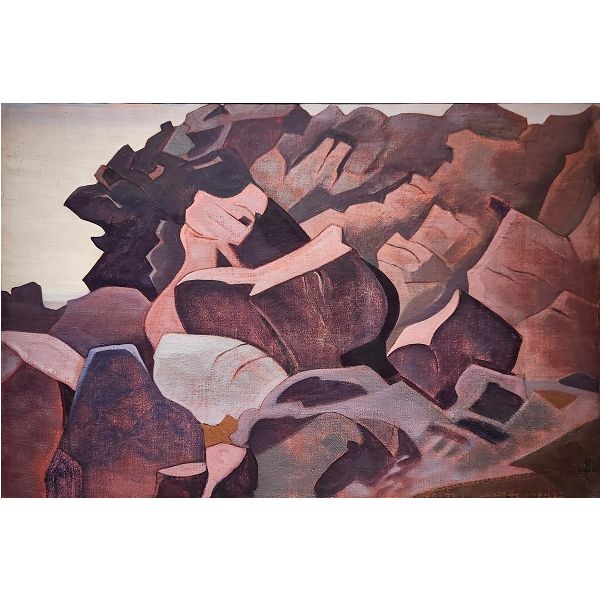
The 1960s was a period of immense change around the world, and it had deep ramifications on India’s socio-political scenario. The country had left behind the jubilation of Independence and was feeling the pinch of a nation grappling with the issues of development that impacted society and environment. A war with China in 1962 and Pakistan in 1965 had far-reaching implications on the national psyche— the first of shame, the latter of pride. Crippling shortages and unemployment were impacting life, even as the country’s success with the Green Revolution was directed at self-sufficiency. Migration from the villages to urban centres was increasing. Disparities—economic, gender or class—provided fertile ground for the alienation of the other. The more anglicised among the youth found themselves being drawn into the vortex of a global hippie movement. A. A. RAIBA AMBADAS ANUPAM SUD AVINASH CHANDRA BIKASH BHATTACHARJEE BIMAL DASGUPTA DHANRAJ BHAGAT F. N. SOUZA G. R. SANTOSH HIMMAT SHAH J. SULTAN ALI J. SWAMINATHAN JAMINI ROY JERAM PATEL JOGEN CHOWDHURY JYOTI BHATT K. G. SUBRAMANYAN K. LAXMA GOUD KRISHEN KHANNA LAXMAN PAI M. F. HUSAIN MADHVI PAREKH P. T. REDDY PARITOSH SEN PRABHAKAR BARWE PRODOSH DASGUPTA PROKASH KARMAKAR RABIN MONDAL RAM KUMAR RAMESHWAR BROOTA S. H. RAZA S. K. BAKRE SAKTI BURMAN SATISH GUJRAL SHANTI DAVE SOHAN QADRI SOMNATH HORE SUNIL DAS ZARINA HASHMI
Learn More -
-
-