


Search results for: 'who's servant is servant 1 king lear'
-
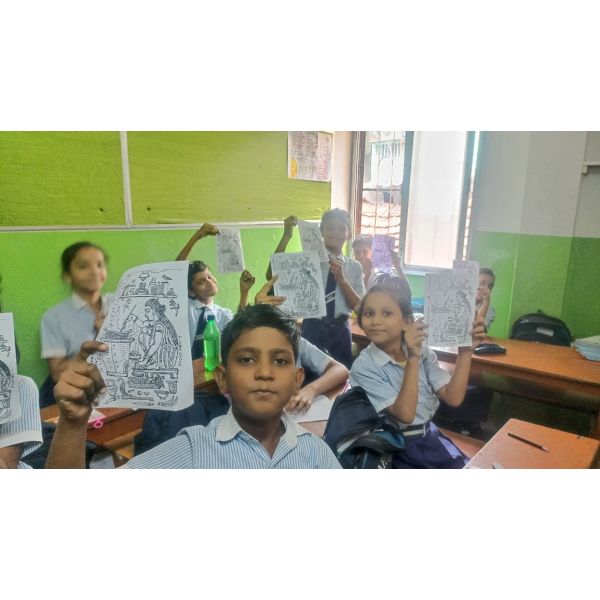 Events and ProgrammesMy World through Art$1.00
Art Lab is travelling pop-up exhibition on Indian modern art, that transforms classrooms into museums and creates an immersive, participatory learning environment for learners.
Learn More -
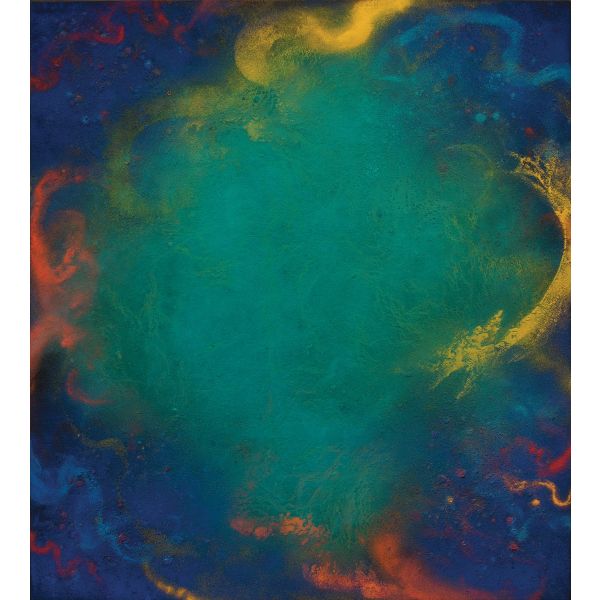 Events and ProgrammesWhy is Art Weird?$1.00
Art Lab is travelling pop-up exhibition on Indian modern art, that transforms classrooms into museums and creates an immersive, participatory learning environment for learners.
Learn More -
 ExhibitionsThe Babu and the BazaarAs low as $1.00
Calcutta, flourishing with commerce and maritime trade during the nineteenth century, was regarded as the ‘second city’ of the British Empire. People thronged there in large numbers to make a livelihood, or in holy pilgrimage, seeking blessings at the Kali temple at Kalighat that had been re-built in 1809. Annada Prasad Bagchi Bamapada Banerjee B. C. Law C. W. Lawrie Kshetradas Chitrakar Panchanan Karmakar Madhav Chandra Das Ramadhan Swarnakar Ganganarayan Ghosh Nritya Lal Datta Press Kristohurry Das Chorebagan Art Studio Kansaripara Art Studio Calcutta Jubilee Art Studio Bat-tala
Learn More -
-
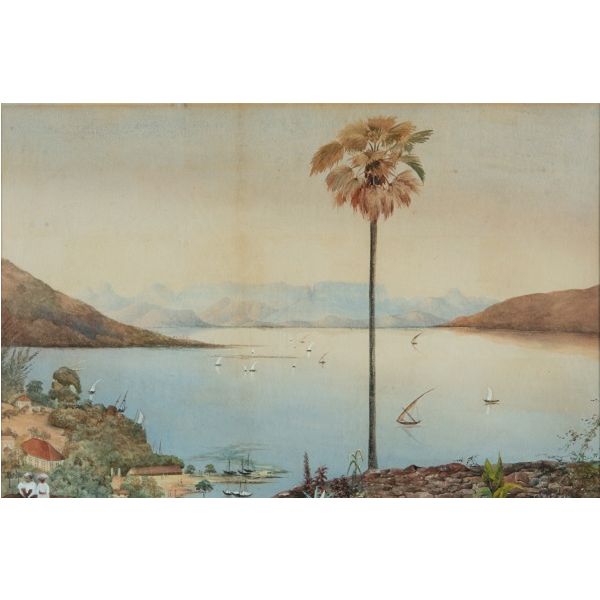 JournalBombay through the eyes of European Artists$0.00
The city was consolidated over the course of the eighteenth century, and its access to global trade routes helped it grow over the following centuries as well, leading some to describe it as the 'door of the East with its Face to the West'. How did European artists view this growing city?
Learn More -
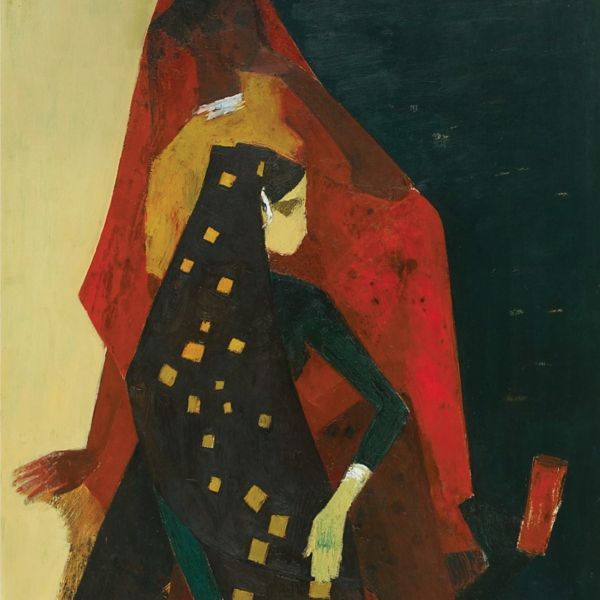 ExhibitionsManifestations XI: 75 ArtistsAs low as $1.00
The art of the twentieth century may be too recent for us to judge it from the viewpoint of longevity, but if the past is any criterion, art is set to outlive us by far—a reason why its documentation is one of the more important tasks before us. This is where the Manifestations series is so important. It encourages discussion and debates around the selection of unique works by seventy-five acknowledged artists spanning a century (or more) of Indian modernism across a range of variously permutable combinations: periods, movements, mediums, materials, regions. Raiba Ambadas Arpana Caur Arun Bose Asit Kumar Haldar Avinash Chandra Bal Chhabda Bikash Bhattacharjee Bimal Dasgupta Biren De Bireswar Sen C. Douglas Chittaprosad Devayani Krishna Dhanraj Bhagat Dharamnarayan Dasgupta Early Bengal (Anonymous) F. N. Souza G. R. Santosh Ganesh Pyne Gogi Saroj Pal Himmat Shah Indra Dugar J. C. Seal J. Sultan Ali J. Swaminathan Gaganendranath Tagore Raja Ravi Varma Jamini Roy Jeram Patel Jyoti Bhatt K. Adimoolam K. C. S. Paniker K. G. Subramanyan K. H. Ara K. K. Hebbar K. Laxma Goud K. S. Radhakrishnan Kalighat Pat (Anonymous) Khagen Roy Krishen Khanna L. Munuswamy Laxman Pai Laxman Shrestha M. F. Husain M. Senathipathi M. V. Dhurandhar N. S. Bendre Nandalal Bose Navjot Nemai Ghosh Nikhil Biswas P. Khemraj P. T. Reddy Paritosh Sen Partha Pratim Deb Prokash Karmakar Prosanto Roy Rabin Mondal Rabindranath Tagore Radha Charan Bagchi Ram Kumar Ranbir S. Kaleka Robert Ker Porter S. H. Raza Sakti Burman Satish Gujral Shanti Dave Shyamal Dutta Ray Gopal Ghose Sohan Qadri Sunil Das Sunil Madhav Sen Thota Vaikuntam Ved Nayar
Learn More -
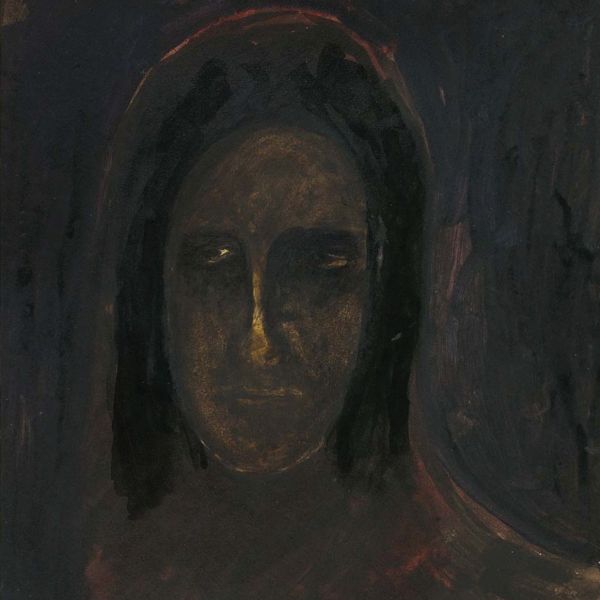 ExhibitionsThe Art Of SantiniketanAs low as $1.00
The Art of Santiniketan showcases the work of its four chief artists—Santiniketan’s founder, Rabindranath Tagore, its first principal and the architect of the Santiniketan pedagogy, Nandalal Bose, and his two illustrious students who went on to make a name for themselves as highly original and significant artists—Benode Behari Mukherjee and Ramkinkar Baij. Santiniketan was a path-breaking educational institution Rabindranath Tagore set up in rural Bengal in the early twentieth century, and the exhibition begins by examining its genesis in Tagore’s radical ideas of basing education in freedom and in the midst of nature. Benode Behari Mukherjee Nandalal Bose Rabindranath Tagore Ramkinkar Baij
Learn More -
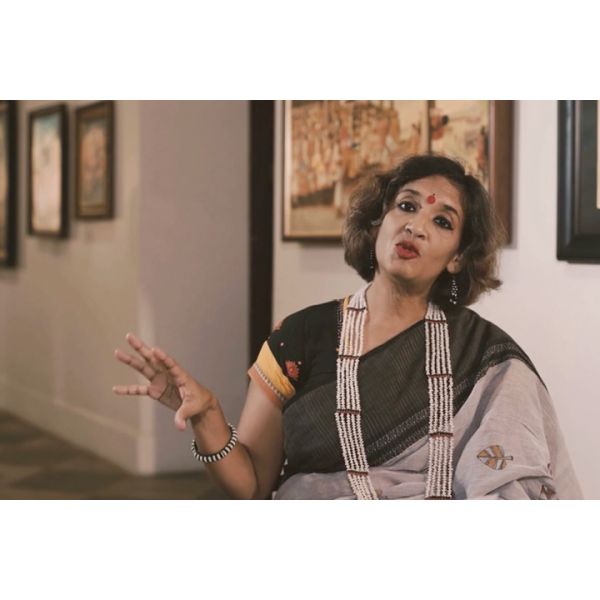 JournalThe Story of Bengal Art - Part 1$0.00The Story of Bengal Art presents a panoramic view of the evolution of visual arts in the region. The story of the first episode, presented by artist, academic, and curator, Dr. Paula Sengupta, begins in the late 18th century with the arrival of the first European traveling artists. The series was shot in the majestic galleries of DAG's Ghare Baire museum-exhibition at Kolkata's Currency Building. Learn More
 -
 JournalGroup 1890$0.00Group 1890 remains unique in the journey of modern Indian art for various reasons, the most important being J. Swaminathan as the force behind the short-lived collective that held only one exhibition in its lifetime, in 1963. In 2016, DAG organized a ‘second’ exhibition of the group, featuring works by all its founder members. Learn More
 -
 ExhibitionsG. R. Santosh: AwakeningAs low as $1.00
An unassuming trailblazer, Gulam Rasool Santosh is the most important artist from the movement known as neo-tantra in Indian art, synonymous with masters such as Biren De and Sohan Qadri. Self-taught, Santosh began his career painting landscapes in his native Kashmir before being spotted by S. H. Raza, which enabled him to study at the Maharaja Sayajirao University at Baroda under the famous artist N. S. Bendre. After a few years of painting figurative and abstract works in the mould of the other Indian Progressives, Santosh’s art changed dramatically towards tantra when he had a mystical experience in the Amarnath cave in 1964. From then on, until his death in 1997, G. R. Santosh dedicated his life to the study and practice of tantra, a yogi as much as an artist.
Learn More -
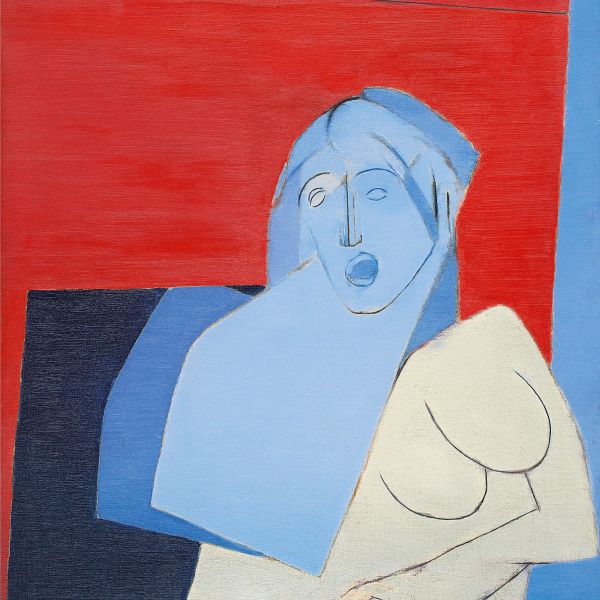 ExhibitionsMumbai ModernAs low as $1.00
This exhibition is significant as it marks one of the largest-ever shows of the Progressives and their associate members. It also celebrates the genesis of the Progressive Artists’ Group in Bombay in 1947 and its continued link with the city. Akbar Padamsee Bal Chhabda F. N. Souza H. A. Gade K.H. Ara Krishen Khanna M. F. Husain Mohan Samant Ram Kumar S. H. Raza S. K. Bakre Tyeb Mehta V. S. Gaitonde
Learn More -
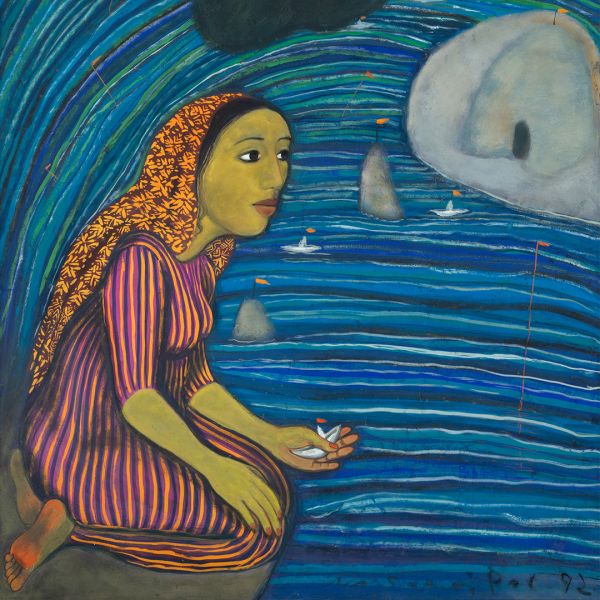
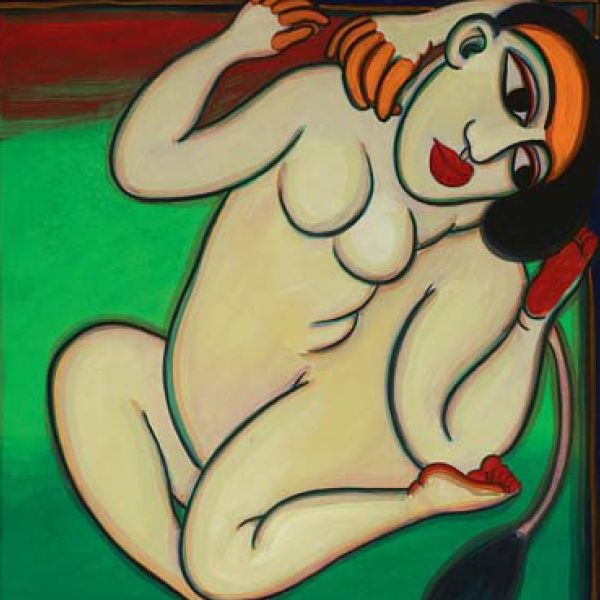 ExhibitionsGogi Saroj Pal: The Feminine UnboundAs low as $1.00
Gogi Saroj Pal, seen often as one of the first ‘feminist’ women painters in modern Indian art, has consistently explored the condition and inner life of women. Women’s lives, their desires and compulsions, and the complex and magical world of the feminine have been Gogi’s frequent subjects. In her work, Gogi explores and responds to the vast reserve of myths, fables and lore that abound in India, interested in excavating, in particular, its religious and literary traditions. She traces and frequently creates new mythical/celestial female beings of great strength and potency, such as the Hathyogini-Kali—skilled yoga practitioner and potent female force—who assert themselves in a modern landscape where women are frequently denied agency.
Learn More