


Search results for: 'is there a difference in how your hair looks in 5 months'
-
-
 ExhibitionsRabin Mondal: Kingdom of ExileAs low as $1.00
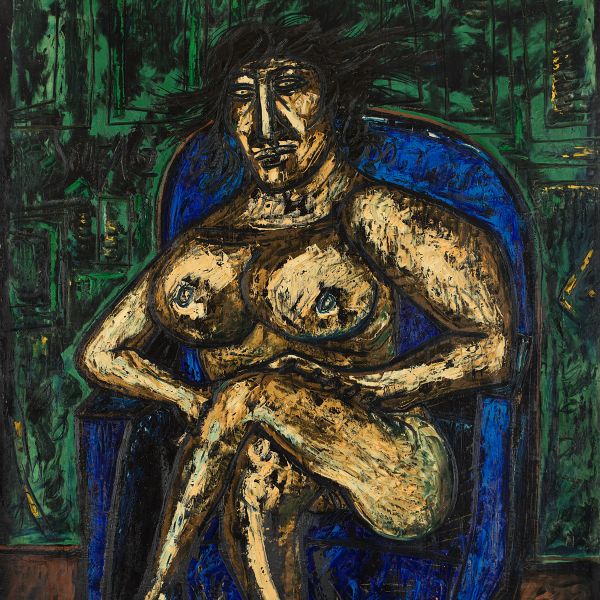
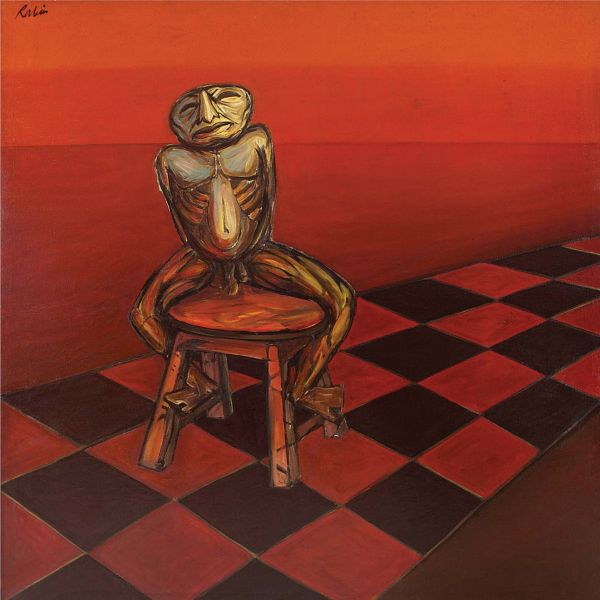
Rabin Mondal is like a striding colossus of our times, scorching up the firmament with images that reflect societal malaise and his own inner turmoil. His determination to paint in a market-unfriendly manner is characteristic of his resolve. His canvases provide no safety net for the unwary viewer. Here is a confident artist aware of his self and his role with no fig leaf to offer those seeking beauty in art—not that his work is unbeautiful.
Learn More -
 JournalAn Elsewhere Homeland: Sayed Haider Raza’s Iconic Masterpiece$0.00
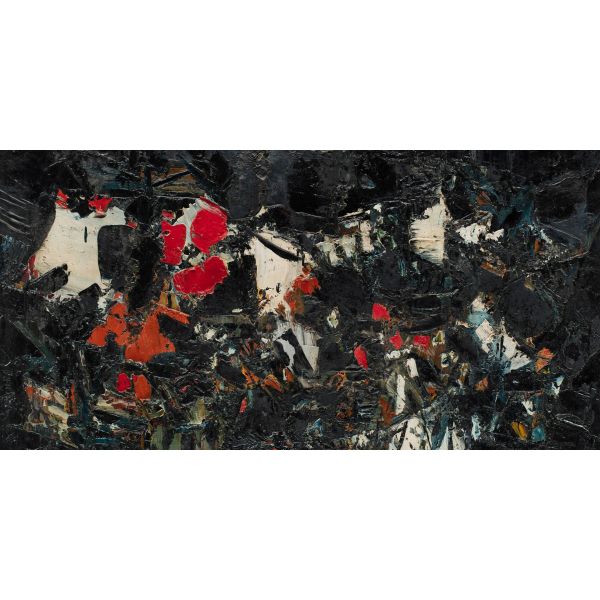
‘Raza was in some ways an earth painter—someone to whom earth mattered both as a constant presence and an irrepressible memory.’ Ashok Vajpeyi looks at the natural mechanics of Sayed Haider Raza’s abstractions, tracing his relationship with landscape and art.
Learn More -
 ExhibitionsMaster Maqbool: Works by M. F. HusainAs low as $1.00
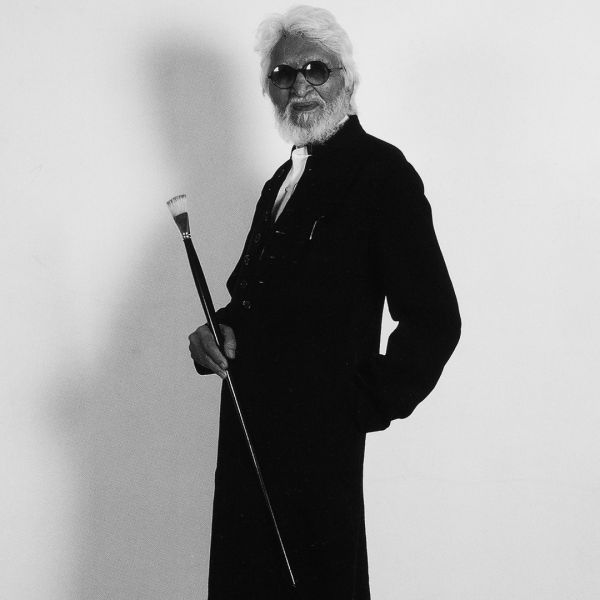
He was the colossus of the Indian art world whose reign over twentieth-century modern art remains unparalleled. M. F. Husain (1913-2011) was the face of Indian modernism and owned it completely. Having started out as a painter of billboards in Bombay, he became its unchallenged monarch as a member of the influential Progressive Artists’ Group in 1947. He claimed the first National Award instituted by the Lalit Kala Akademi in 1955, and went on to become India’s most celebrated artist. In a practice that spanned over seventy years, Husain was playful, experimental, provocative, controversial—but never mediocre.
Learn More -
 ExhibitionsThe Art of BengalAs low as $1.00
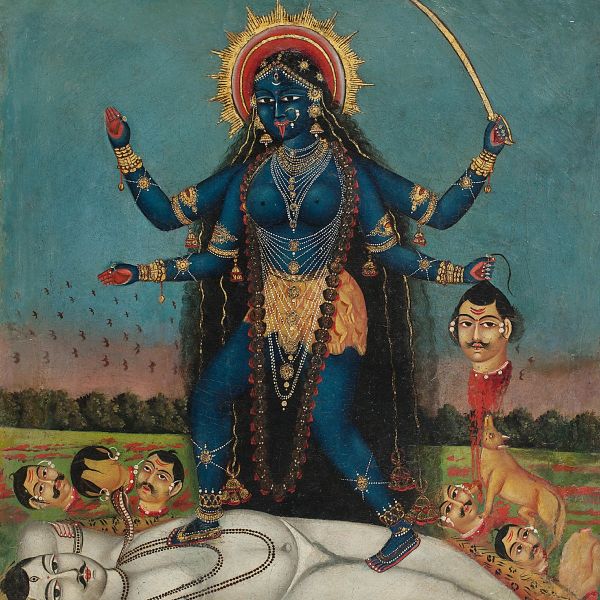
The contribution of the first renaissance capital of the country—Bengal—to Indian art and its development is longstanding, enormous and continued. As one of the largest repositories of Bengal art of the past two centuries, DAG is extremely pleased to announce its major exhibition. 19th Century Popular Paintings 19th Century Popular Prints Abani Sen Abanindranath Tagore Ajit Gupta Amalnath Chakladhar Amitabha Banerji Annada Prasad Bagchi Arun Bose Asit Haldar Atul Bose B C Law B. C. Sanyal Bampada Bandhopadhay Benjamin Hudson Benode Behari Mukherjee Bijan Choudhary Bikash Bhattacharjee Bipin Behari Goswami Biren De Bireswar Sen Biswanath Mukerji Chintamoni Kar Chittaprosad D. P. Roy Chowdhury Das Sunil Bimal Dasgupta Dharamnarayan Dasgupta Dhiraj Chowdhury Dhirendra Deb Burman Dipen Bose Early Bengal Oil Artists Gaganendranath Tagore Ganesh Haloi Ganesh Pyne Gobardhan Ash Gopal Ghoshe Gopal Sanyal Haren Das Hemanta Misra Hemendranath Majumdar Heramba Kumar Ganguly Hirachand Dugar Hiranmoy Roychaudhuri Indra Dugar Isha Mahammad J. P. Gangooly Jamini Roy Jogen Chowdhury Jogesh Chander Seal K. G. Subramanyan Kalighat Patuas Kalikinkar Ghosh Dastidar Kalipada Ghoshal Kartick Chandra Pyne Khagen Roy Kishory Roy Kshitindranath Majumdar Lalit Mohan Sen Lalu Prasad Shaw M. A. R. Chughtai Maniklal Banerjee Manishi Dey Meera Mukherjee Mukul Dey Nabin Chandra Ghosh Nandalal Bose Nikhil Biswas Nirode Majumdar Olinto Ghilardi Paritosh Sen Partha Pratim Deb Prahlad Karmakar Prankrishna Pal Prodosh Das Gupta Prokash Karmakar Prosanto Roy Rabin Mondal Rabindranath Tagore Radhacharan Bagchi Ramananda Bandhopadhyay Ramendranath Chakravorty Ramgopal Vijaivargiya Ramkinkar Baij Ranada Charan Ukil – Ranada Prasad Gupta Rathin Maitra Sailendranath Dey Sailoz Mukherjea Sakti Burman Samarendranath Gupta Sanat Kar Sankho Chaudhuri Sarada Chandra Ukil Sarbari Roy Chowdhury Satish Chandra Sinha Shuvaprasanna Shyamal Dutta Ray Somnath Hore Sudhir Ranjan Khastgir Suhas Roy Sunayani Devi Sunil Madhav Sen Surendranath Ganguly Surendranath Kar Sushil Chandra Sen Zainul Abedin
Learn More -
 ExhibitionsA Place In The Sun: Women Artists From 20th Century IndiaAs low as $1.00
Sunayani Devi picked up a paintbrush in 1905 when she was thirty years old while supervising her kitchen duties, self-taught, but with enough talent to attract the critical attention of Stella Kramrisch who organised an exhibition of her paintings in Germany in 1927. It was in her worthy footsteps that India’s women artists followed. Devayani Krishna was born five years after Sunayani Devi began painting; Amrita Sher-Gil already had a career in Paris by the time India’s first art school-trained woman artist, Ambika Dhurandhar, earned her diploma in Bombay. B. Prabha followed next, her work reflecting the realities of the marginalised in a piquant language. By the time Nasreen Mohamedi and Zarina Hashmi, both born a decade before Independence, established their careers, women were joining art schools in greater numbers, validating their practice not on the basis of their gender but on its context. Anupam Sud Devayani Krishna Gogi Saroj Pal Latika Katt Madhvi Parekh Mrinalini Mukherjee Navjot Rekha Rodwittiya Shobha Broota Zarina Hashmi
Learn More -
 ExhibitionsMumbai ModernAs low as $1.00
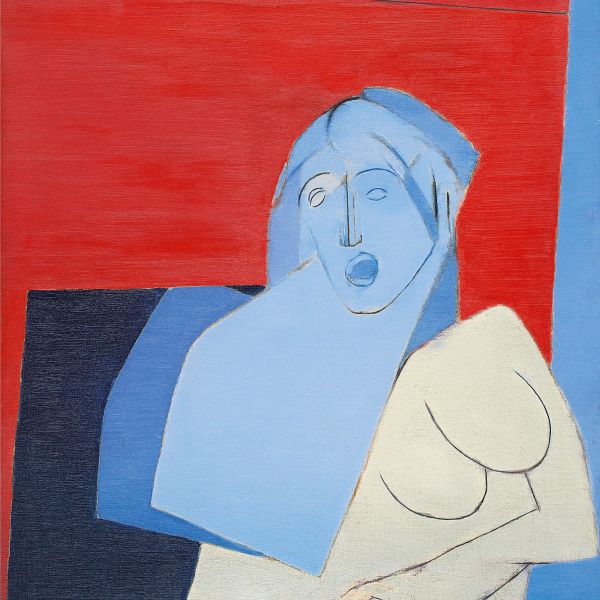
This exhibition is significant as it marks one of the largest-ever shows of the Progressives and their associate members. It also celebrates the genesis of the Progressive Artists’ Group in Bombay in 1947 and its continued link with the city. Akbar Padamsee Bal Chhabda F. N. Souza H. A. Gade K.H. Ara Krishen Khanna M. F. Husain Mohan Samant Ram Kumar S. H. Raza S. K. Bakre Tyeb Mehta V. S. Gaitonde
Learn More -
 Institutional CollaborationsNew Found Lands: The Indian Landscape from Empire to Freedom$1.00
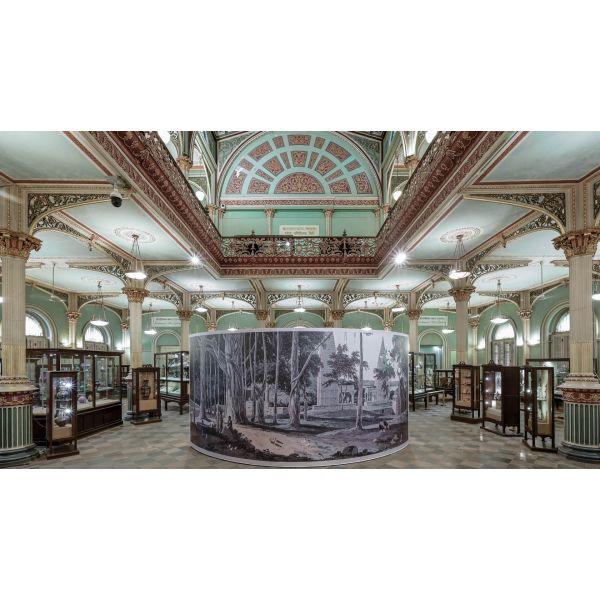
This exhibition looks at landscape painting in India over a period of two hundred years, from 1780 to 1980. We start with English artists who travelled in India from the late eighteenth century onwards, to rediscover what they were looking for, and how they saw what they found. The introduction of new materials, and the teaching of new methods in the art schools from the middle of the 19th century, encouraged some Indian artists to adopt similar academic style approaches. In the twentieth century, a reaction set in, as Indian artists sought new modes of expression. As if reclaiming their patrimony and the right to represent it, they invented a glorious array of new landscape styles.
Learn More -
 Events and ProgrammesByanga Darshan: Exhibition, Workshop and Concert$1.00
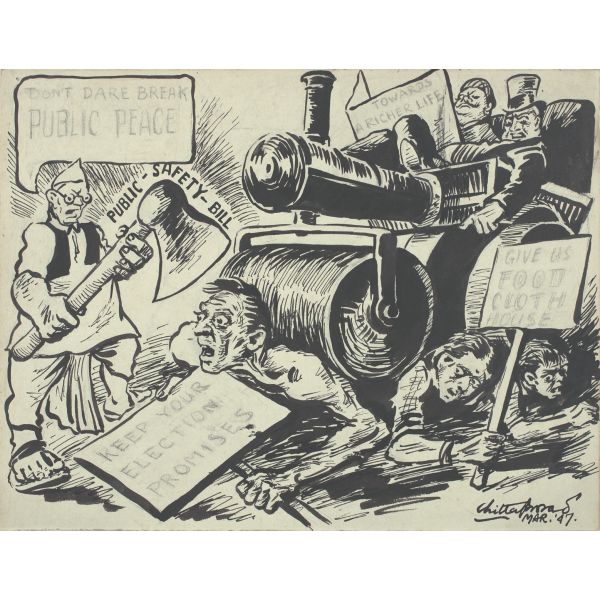
An exhibition and workshop drawing from Cartoon Dol’s archives of Bengal’s caricature art, on confronting social-political issues through humour and satire, with a closing performance by Chandrabindoo.
Learn More -
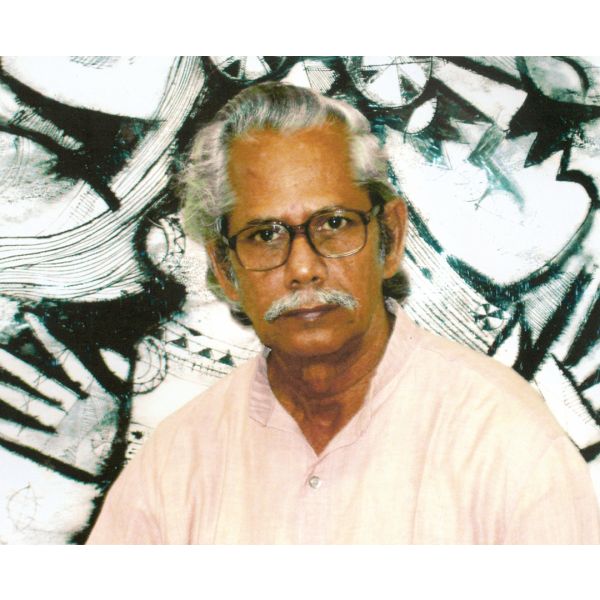 ArtistsM. Senathipathi$0.00A student of K. C. S. Paniker—the influential artist-teacher and founding father of the Madras Art Movement—M. Senathipathi is known for his richly textured works drawn from mythology and contextualised in contemporary social issues. Learn More
 -
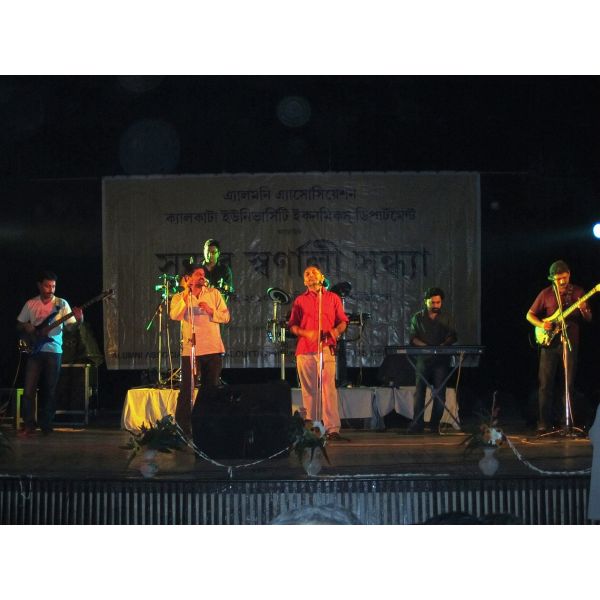 Events and ProgrammesByanga Darshan: Concert$1.00
An exhibition and workshop drawing from Cartoon Dol’s archives of Bengal’s caricature art, on confronting social-political issues through humour and satire, with a closing performance by Chandrabindoo.
Learn More -
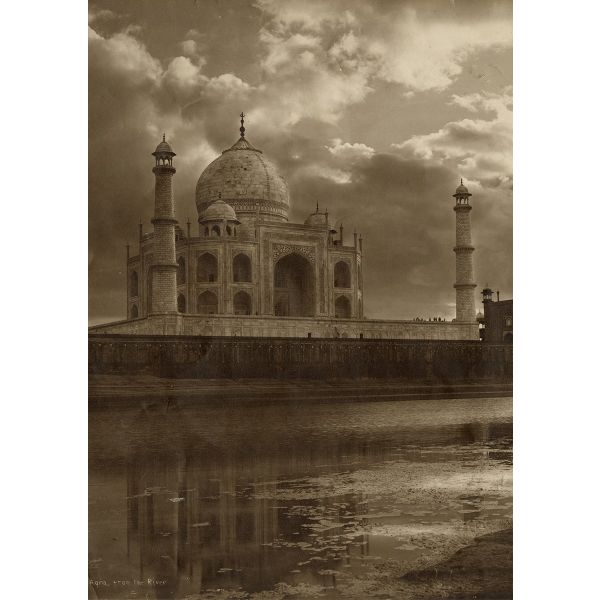 Collection StoriesThe Afterlife of the Taj Gardens: Changes in the Landscape$1.00
Often described as ‘Poetry in Stone’, the Taj Mahal was laid out between 1631-43 by Mughal Emperor Shah Jahan as a mausoleum for his wife Mumtaz Mahal. It is the architectural elements of the Taj complex that grab the most attention, but in fact the garden is the heart of the complex . The visitors today are so transfixed by the Taj itself that they remember very little of the garden. DAG Archive attempts to illustrate the life and ‘afterlife’ of the Taj gardens, once its control was taken over by the British. This archive deep dive showcases the objects from A. E. P. Griessen’s (1875–1935) collection.
Learn More