


Search results for: 'list of india art fair 2024'
-
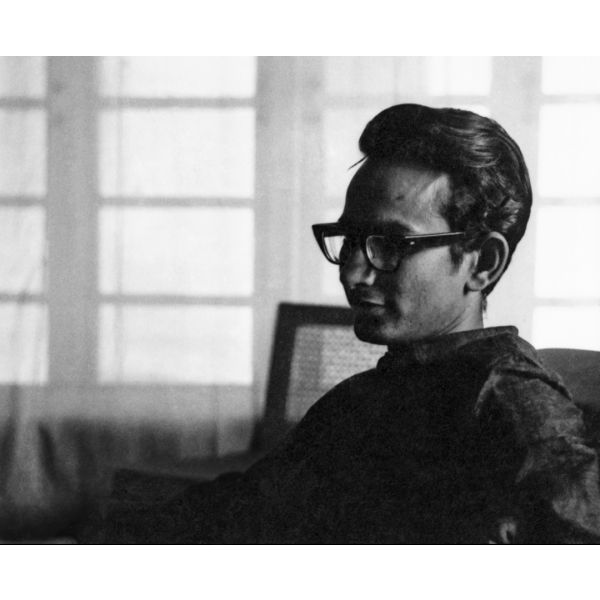 ArtistsGulammohammed Sheikh$0.00Born in Saurashtra, Gujarat, on 16 February 1937, painter, poet, art critic and historian Gulammohammed Sheikh has been a seminal presence on the modern Indian art scene for several decades now. Sheikh obtained a master’s degree in painting from M. S. University, Baroda, in 1961, and studied at the Royal College of Art, London, from 1963-69, on a Commonwealth scholarship. Learn More
 -
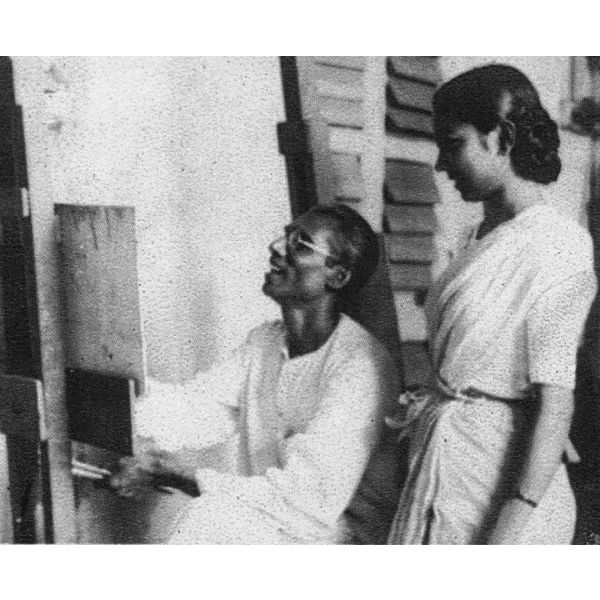 ArtistsGobardhan Ash$0.00Born in 1907, Gobardhan Ash came into his own as an artist at a time when Indian art was in a state of historical flux, when the imagination of young artists was infused with the spirit of country’s freedom from colonial rule. He trained at the Government College of Art in Calcutta from 1926-30, and at the Government School of Arts and Crafts, Madras, till 1932. He was an active member of various artist collectives such as the Calcutta Group that he joined in 1950, the Art Rebel Centre, and the Young Artists Union, of which he was a founder member. Learn More
 -
 JournalThe Poet (Head of Rabindranath Tagore) by Ramkinkar Baij$1.00
Ramkinkar Baij is rightfully described as India’s first modernist sculptor for his pathbreaking use of cement and laterite as material, his choice of subjects and scale in public art projects, and his unconventional development of ideas.
The Poet is an abstract portrait of Rabindranath Tagore, imagined through negative spaces, concaves and convexes forming the eyes in a hollowed head, a masterclass in Baij’s cubist vocabulary. The portrait shared almost no physical attributes with the subject, instead focusing on distorting Tagore’s visage to give us insights into the state of his mind.
Learn More -
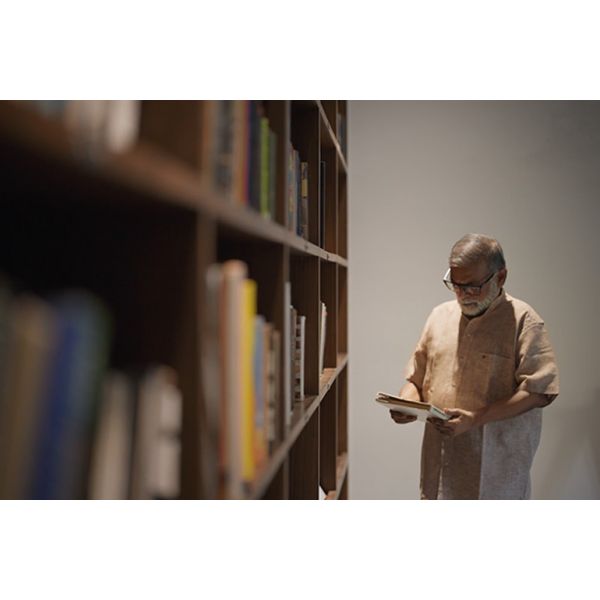
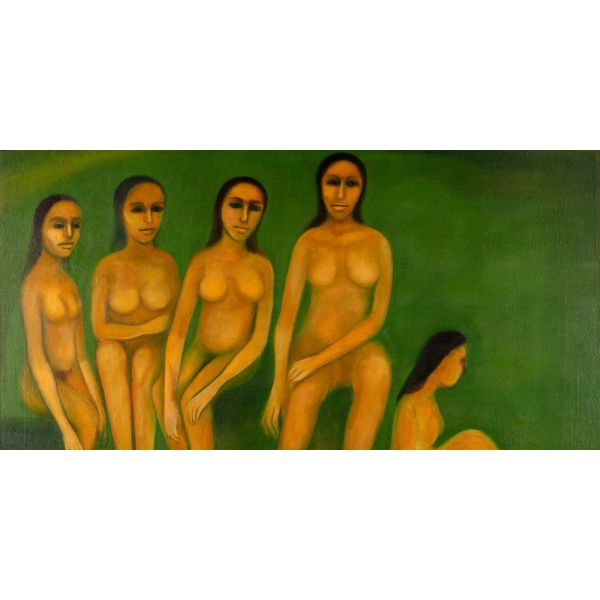 JournalSinging the Body Electric: A Conversation with Gogi Saroj Pal$0.00
Gogi Saroj Pal is one of India's most important artists working with the female body.
Learn More -
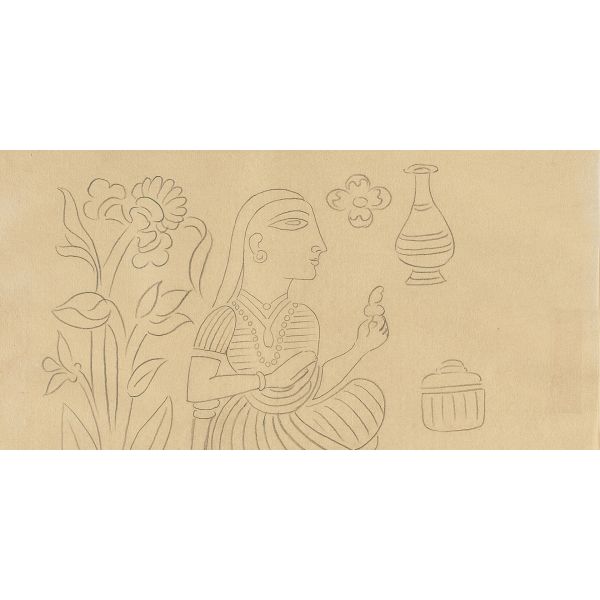 JournalSketching a Temple: Nandalal Bose’s Konark album$0.00
One of India’s nine national treasure artists, Nandalal Bose (1882—1966) forged a long and glittering career as the foremost artist-pedagogue bridging the late-colonial period and the first few decades after Indian independence. He maintained an active drawing practice throughout his life, with many small sketches done on postcards that he carried around with him as a sort of visual notebook.
Learn More -
 JournalGroup 1890$0.00Group 1890 remains unique in the journey of modern Indian art for various reasons, the most important being J. Swaminathan as the force behind the short-lived collective that held only one exhibition in its lifetime, in 1963. In 2016, DAG organized a ‘second’ exhibition of the group, featuring works by all its founder members. Learn More
 -
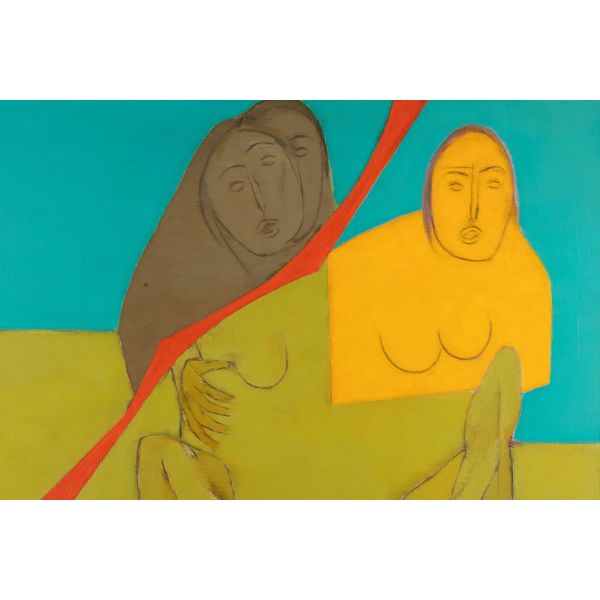 JournalTerm Of The Month: The Diagonal Method$0.00
As one of India’s most well-known artists, Tyeb Mehta still commands our attention for his commitment to experimentation. His ‘Diagonal series’ established him as a dynamic figure within the world of modern art, but how did this diagonal method come to be an important tool of composition in the last century? It all started with the invention of another compoitional tool called the 'rule of thirds'. Read below as we explore the origins of this artistic tool and see how it has evolved over time.
Learn More -
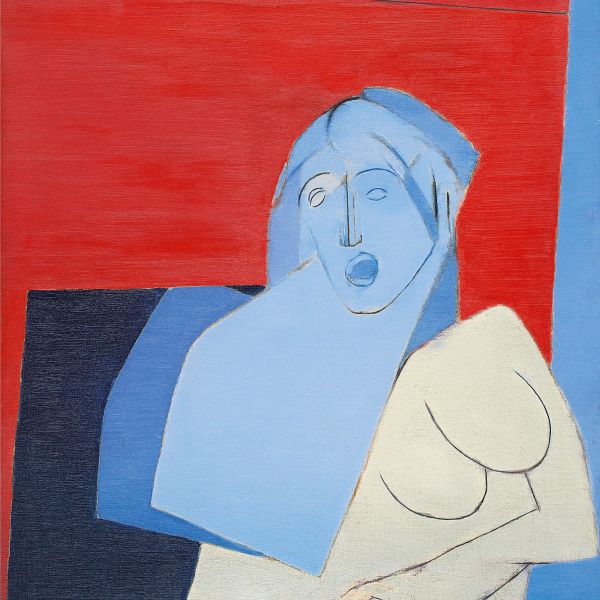 ExhibitionsMumbai ModernAs low as $1.00
This exhibition is significant as it marks one of the largest-ever shows of the Progressives and their associate members. It also celebrates the genesis of the Progressive Artists’ Group in Bombay in 1947 and its continued link with the city. Akbar Padamsee Bal Chhabda F. N. Souza H. A. Gade K.H. Ara Krishen Khanna M. F. Husain Mohan Samant Ram Kumar S. H. Raza S. K. Bakre Tyeb Mehta V. S. Gaitonde
Learn More -
 Events and ProgrammesE Ek Ashcharja! Kalikata Kalankini; Athaba Chaaper Naksha Prahasan$1.00
Art Lab is travelling pop-up exhibition on Indian modern art, that transforms classrooms into museums and creates an immersive, participatory learning environment for learners.
Learn More -
 Events and ProgrammesE Ek Ashcharja! Kalikata Kalankini; Athaba Chaaper Naksha Prahasan$1.00
Art Lab is travelling pop-up exhibition on Indian modern art, that transforms classrooms into museums and creates an immersive, participatory learning environment for learners.
Learn More -
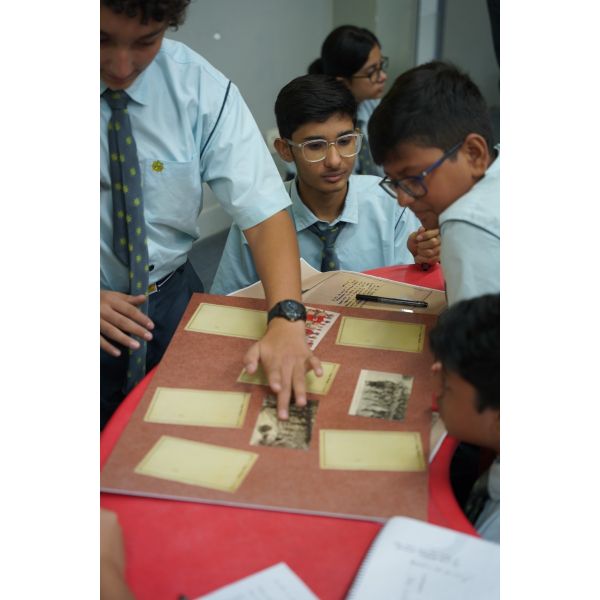 Events and ProgrammesArchive Case Files: School Edition$1.00
Art Lab is travelling pop-up exhibition on Indian modern art, that transforms classrooms into museums and creates an immersive, participatory learning environment for learners.
Learn More -
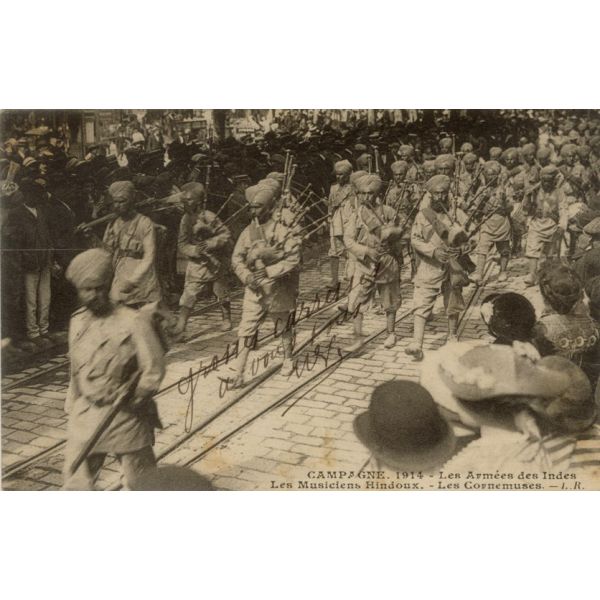 Events and ProgrammesArchive Case Files: College Edition$1.00
Art Lab is travelling pop-up exhibition on Indian modern art, that transforms classrooms into museums and creates an immersive, participatory learning environment for learners.
Learn More