


Search results for: 'modelo bd de dynamcis365 y donde se aloja'
-
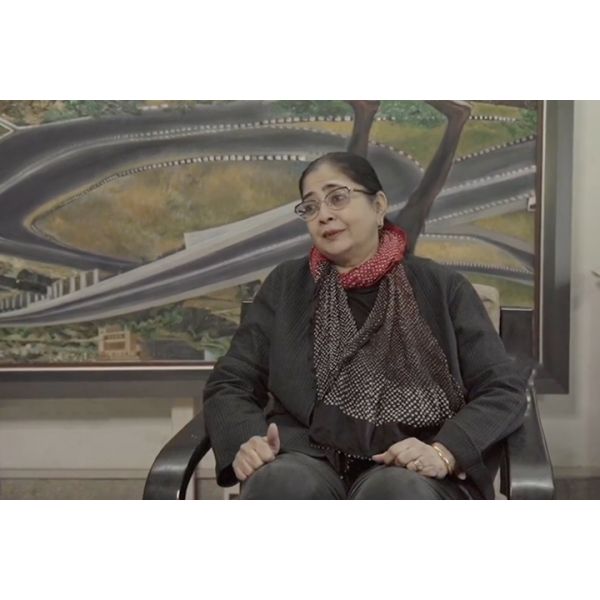 JournalArtists (Un)Scripted – Vasundhara Tewari Broota$0.00
What does it take to liberate a woman’s figure from patriarchal gaze? Courage and conviction, perhaps, as artist Vasundhara Tewari Broota shares in this short interview. Speaking from the experience of painting with courage, the artist also provides a peek into her thought process.
Learn More -
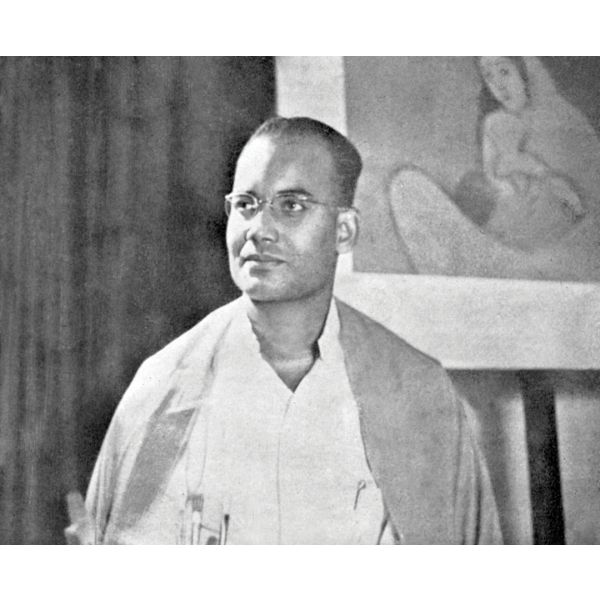 ArtistsBiswanath Mukerji$0.00Born and brought up in Benaras, Biswanath Mukerji left home as a teenager to become an artist. From 1939-45, he studied at the Government School of Arts, Lucknow, under Asit Kumar Haldar, Lalit Mohan Sen, Hiranmoy Roychoudhuri, and Bireswar Sen. He learnt to paint watercolours in the wash technique under Haldar, who himself had trained under Abandindranath Tagore. Learn More
 -
-
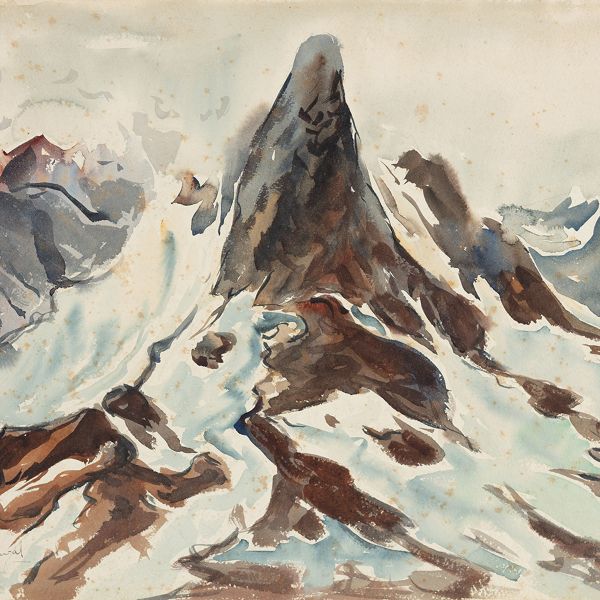
 Collection OnlineDEVIS$1.00
The Devi or the female power in Hindu mythology appears in various avatars in our everyday lives—as idols during the puja, on covers of magazines, product labels, calendars and posters. The modern history of visualising the Devi goes back to naturalistic depictions in oil paintings by the Early Bengal artists, which were surpassed in popularity and fame by Raja Ravi Varma and his studio. His representation, however, was regarded as too human-like by artists of the Bengal School in the early twentieth century, who created idealised forms based on a synthesis of classical visual traditions. In the twentieth century, we find artists responding to distinctive traits of the goddess to portray specific aspects of her power, or to convey the artist's own relationship with divinity. Few artists who have turned to Hindu myths have been able to escape the temptation to interpret the female power in their own way, and the diversity in style, medium, and mood is a testament to that.
Learn More -
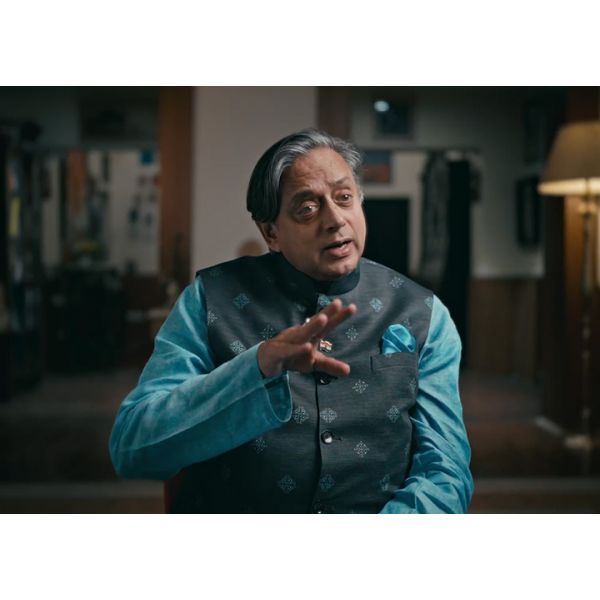 JournalThe Last Effort and Fall of Tippoo Sultaun by Henry Singleton$1.00
Henry Singleton’s The Last Effort and Fall of Tippoo Sultaun belongs to a genre known as history painting: the depiction of important historical events, usually on a large scale, as if they were playing out in front of one’s eyes. Author and parliamentarian Shashi Tharoor and art historian Giles Tillotson explain the lively imagination deployed in Singleton’s painting that depicts the British assault on Seringapatam and the killing of its ruler, Tipu Sultan—himself the source of so many stories that it was difficult to unravel the truth from the many falsities spun by the biased colonial administration and historians of the time.
Learn More -
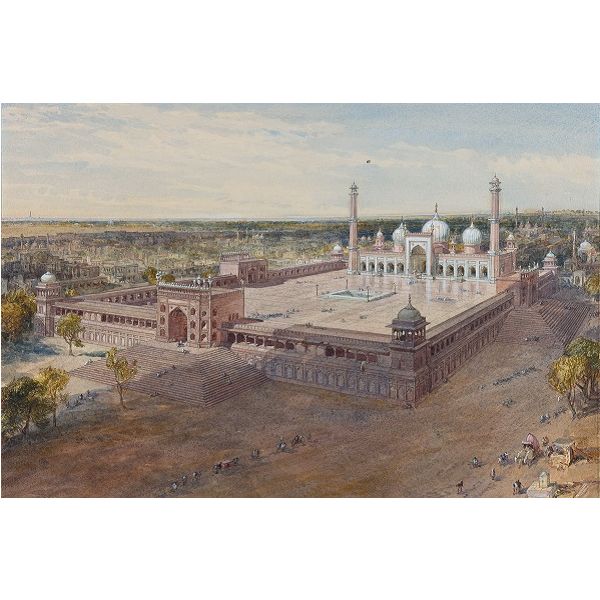 JournalRepresenting Architecture: How art influenced architecture$0.00European artists and architects were deeply influenced by the rich cultural heritage and artistic traditions of India, which, in turn, influenced their architectural designs. Artistic representations served as a bridge between cultures, leading to the incorporation of Indian motifs, styles, and decorative elements in colonial architecture. Learn More
 -
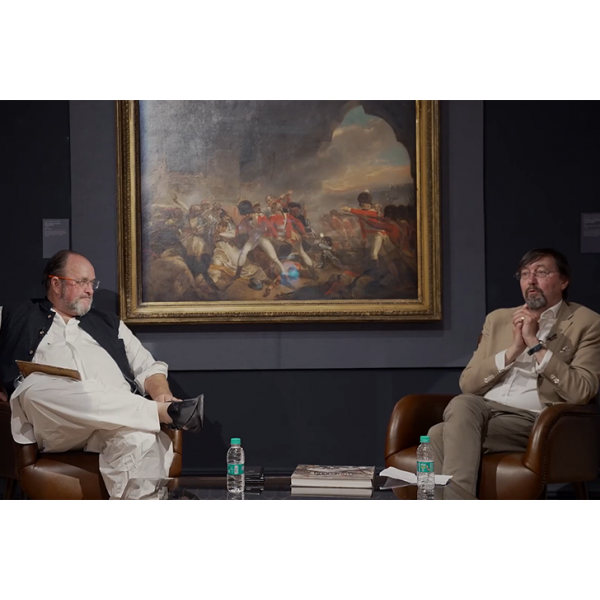 JournalWilliam Dalrymple and Giles Tillotson$0.00
Tipu Sultan’s historical legacy has led to several conversations, among which its visual inheritance has provided room for debate on its particularly skewed European view. Catch our guest speaker William Dalrymple’s reflections on this subject.
Learn More -
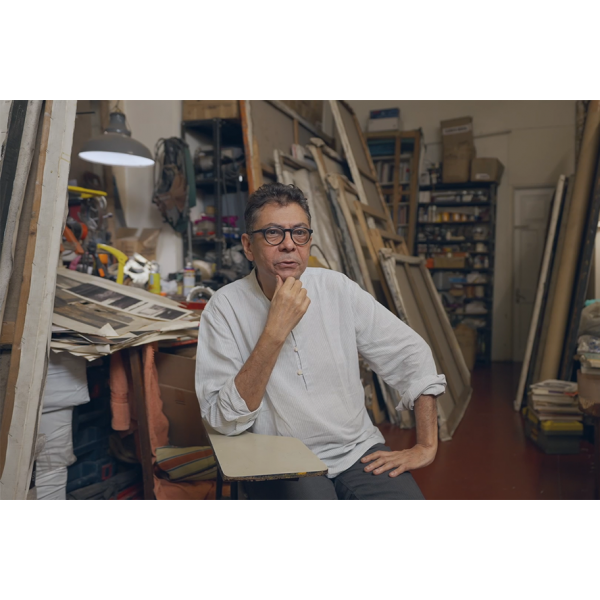 JournalChittrovanu Mazumdar on Nirode Mazumdar$0.00'Iconic Masterpieces of Indian Modern Art, Edition 2' opened on 11 February, featuring fifty artworks which shaped the trajectory of pre-modern and modern art in the country. As part of the exhibition, Chittrovanu Mazumdar explores the sense of rhythm in his father Nirode Mazumdar’s ‘Boitorini Series’, drawing attention to how its controlled colour palette depicts the flow of life in the metaphor of a river that one must cross during one’s lifetime. Learn More
 -
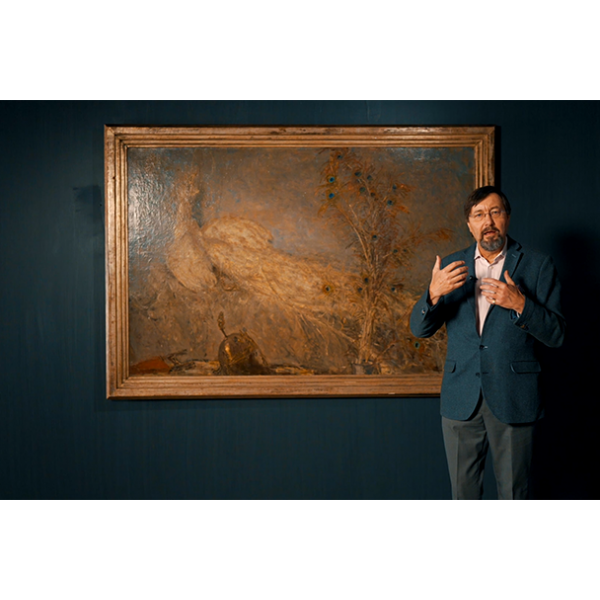 JournalGiles Tillotson on Marius Bauer$0.00‘Iconic Masterpieces of Indian Modern Art, Edition 2’ opened on 11 February at DAG’s Janpath Gallery in New Delhi featuring fifty artworks which shaped the trajectory of pre-modern and modern art in the country. As part of the exhibition, Giles Tillotson speaks on the Dutch Orientalist Marius Bower’s painting ‘Witte Pauw’ where he tries to evoke the sense of a Rajput court through motifs like peacock feathers, along with adding an element of fantasy. Learn More
 -
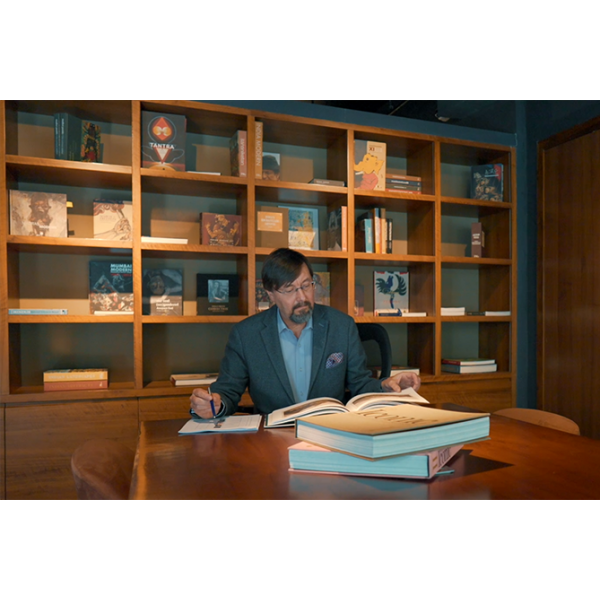 JournalGiles Tillotson on Thomas Daniell$0.00'Iconic Masterpieces of Indian Modern Art, Edition 2' opened on 11 February, featuring fifty artworks which shaped the trajectory of pre-modern and modern art in the country. As part of the exhibition, Giles Tillotson reflects on Thomas Daniell’s painting ‘Hunting the Serow in India’, which draws from the artist’s experience of travelling to India. The painting depicts an unusual hunting scene, where an act of sudden violence is juxtaposed with a space of tranquility. Learn More
 -
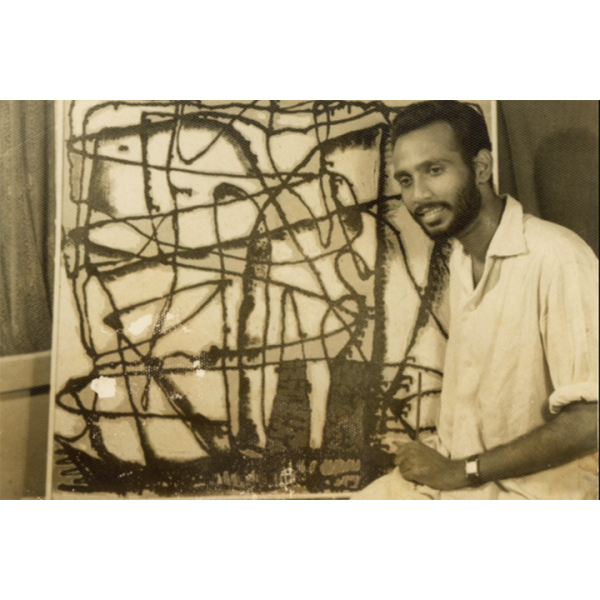 JournalKishore Singh on P. Khemraj$0.00‘Iconic Masterpieces of Indian Modern Art, Edition 2’ opened on 11 February at DAG’s Janpath Gallery in New Delhi featuring fifty artworks which shaped the trajectory of pre-modern and modern art in the country. As part of the exhibition, Kishore Singh speaks on P. Khemraj’s ‘Charpoi’ painting and its sensualist language. The autobiographical elements of the work and its depiction of universally felt emotions within a language of abstraction, personalizes its appeal. Learn More
 -
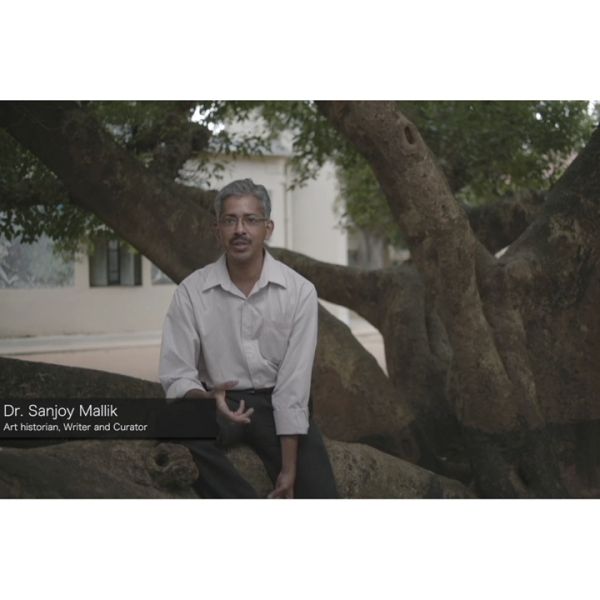 JournalNavratna: India’s National Treasure artists$0.00It was in the 1970s that the government of India declared nine artists as National Treasures, attesting to the significance of their contribution to the shaping of modern Indian art identity. ‘Navratna: Nine Gems of Indian Art’ was a unique opportunity to see seminal works by all the nine together, to understand the uniqueness of their collective contribution, at Drishyakala, a joint collaboration between DAG and the Archaeological Survey of India. Learn More