


Search results for: 'Histories in the ma'
-
 Art FairsArt Basel$0.00
DAG’s booth at Art Basel Hong Kong at its second outing there consolidated its gains from the previous edition by building on the artists it had first presented at the seminal fair. It matched the fair’s focus of a vibrant Asian art with its premier selection of Indian modern art of the twentieth century. The selection presented twenty-five of the most significant Indian modern artists—consisting of painters and sculptors, figurative and abstract artists—who, with the innovations they brought to their art, contributed significantly to the rich diversity and expanse of Indian modern art as we know it today. Akbar Padamsee Ambadas Avinash Chandra B. Prabha Bikash Bhattacharjee Biren De F. N. Souza G. R. Santosh George Keyt Himmat Shah J. Sultan Ali K. H. Ara K. K. Hebbar K. Laxma Goud Krishen Khanna Laxman Pai M. F. Husain N. S. Bendre Rabin Mondal Ram Kumar S. H. Raza S. K. Bakre Sakti Burman Sohan Qadri Sunil Das
Learn More -
 JournalRemembering Ambadas with art critic Prayag Shukla$0.00
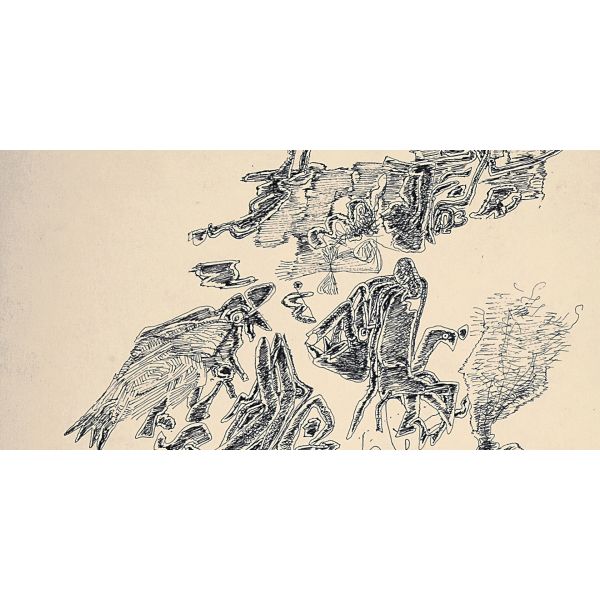
A well-known poet and essayist, Prayag Shukla is also one the foremost writers on art in Hindi. He has authored monographs on artists like J. Swaminathan, M. F. Husain and Ambadas, expanding upon these artists’ relationships with local institutions and contexts of art-making in India since the 1960s.
Learn More -
 Collection StoriesA Tryst with Destiny: A Visual Journey$1.00
Colonization is perhaps best understood as a process that unfolded over time than as a single historical event. In India and South Asia it began with the East India Company acquiring rights over land in different parts of the country, with the occasional political victories won on the battlefields. Since the Battle of Plassey (1757), their power over legislative and judicial matters grew steadily, backed by a strong military presence. Following the First War of Independence in 1857, the British Crown brought most parts of the Indian subcontinent under its direct rule, continuing to hold power until 1947.
Learn More -
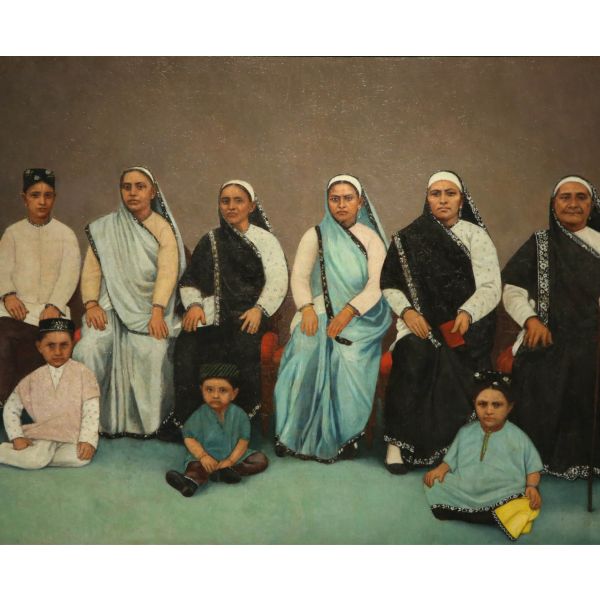 ArtistsAnonymous (Ravi Varma School)$0.00Raja Ravi Varma’s singular impact on Indian art is unparalleled by any artist. Largely self-taught, he is probably the first Indian artist to have articulated Indian subject matters through naturalism and the use of oil paints with brilliant mastery, considered until then a European idiom. Learn More
 -
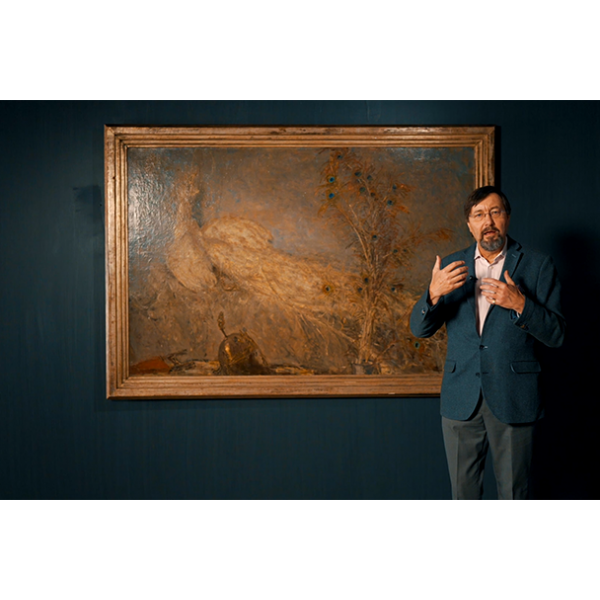 JournalGiles Tillotson on Marius Bauer$0.00‘Iconic Masterpieces of Indian Modern Art, Edition 2’ opened on 11 February at DAG’s Janpath Gallery in New Delhi featuring fifty artworks which shaped the trajectory of pre-modern and modern art in the country. As part of the exhibition, Giles Tillotson speaks on the Dutch Orientalist Marius Bower’s painting ‘Witte Pauw’ where he tries to evoke the sense of a Rajput court through motifs like peacock feathers, along with adding an element of fantasy. Learn More
 -
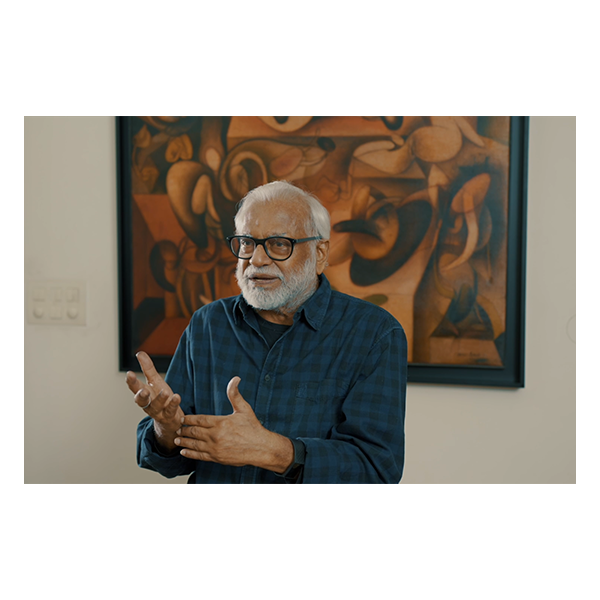 JournalManu Parekh on 'Shiva'$0.00‘Iconic Masterpieces of Indian Modern Art, Edition 2’ opened on 11 February at DAG’s Janpath Gallery in New Delhi featuring fifty artworks which shaped the trajectory of pre-modern and modern art in the country. As part of the exhibition, Manu Parekh speaks about his 1971 painting ‘Shiva’, created at a pivotal juncture of his artistic career when he was trying to forge a visual language different from the Bengal School. Learn More
 -
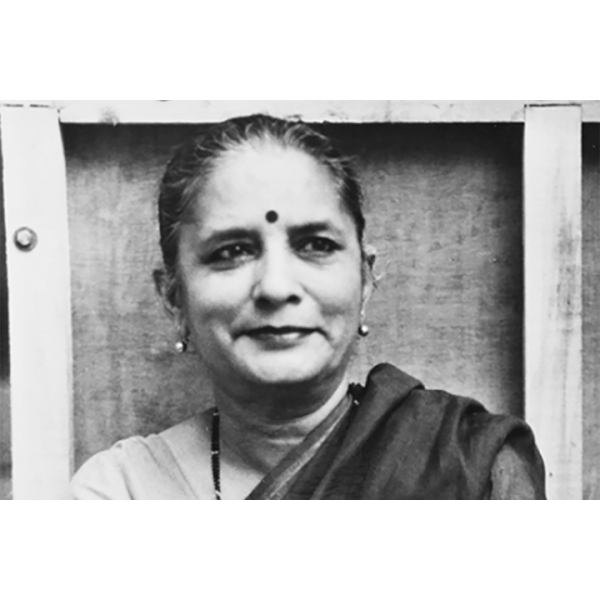 JournalManisha Parekh on Madhvi Parekh$0.00
‘Iconic Masterpieces of Indian Modern Art, Edition 2’ opened on 11 February at DAG’s Janpath Gallery in New Delhi featuring fifty artworks which shaped the trajectory of pre-modern and modern art in the country. As part of the exhibition, Manisha Parekh recalls her memory of her mother Madhvi Parekh as an artist working within spaces of familial intimacy.
Learn More -
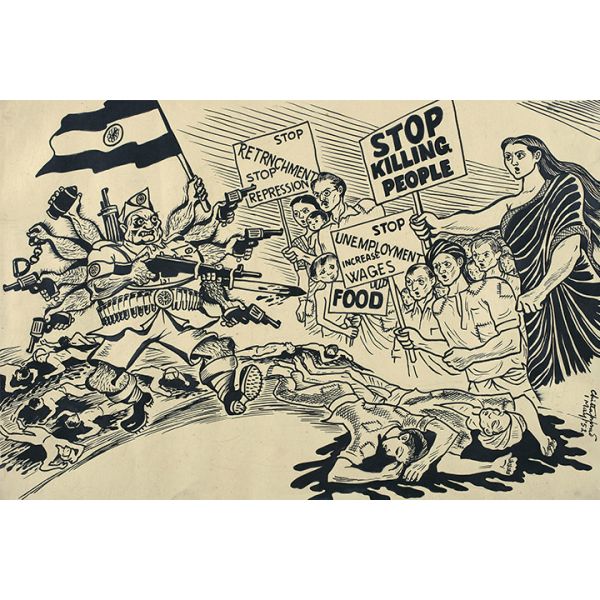 JournalChittaprosad by Nadia Samdani$1.00
Chittaprosad couldn’t have created a more germane work in honour of the people who successfully fought their oppressors to create an independent nation. A close examination of his masterpiece, Bangladesh War, reveals the artist’s use of symbols of hope against persecution and domination, art collector and philanthropist Nadia Samdani tells us.
Learn More -
 JournalThe French Connection: S. H. Raza at Paris' Centre Pompidou$0.00
In February, Paris' Centre Pompidou--a premier centre for modern art since its construction in 1977--mounted an extensive solo show looking back at S. H. Raza’s career in painting. It represents a historic moment for Indian modern art’s international story as it unfolded over the twentieth century, and also marked Raza's own symbolic return to the place where he stayed for most of his working life. The fertile post-independent period saw cross-cultural connections being forged by Indian artists in Europe and America on their own terms and this show is a testament to Raza’s evolving encounters with land and mythology. The curators, Catherine David and Diane Toubert, spoke to DAG highlighting some of the takeaways from this major retrospective.
Learn More -
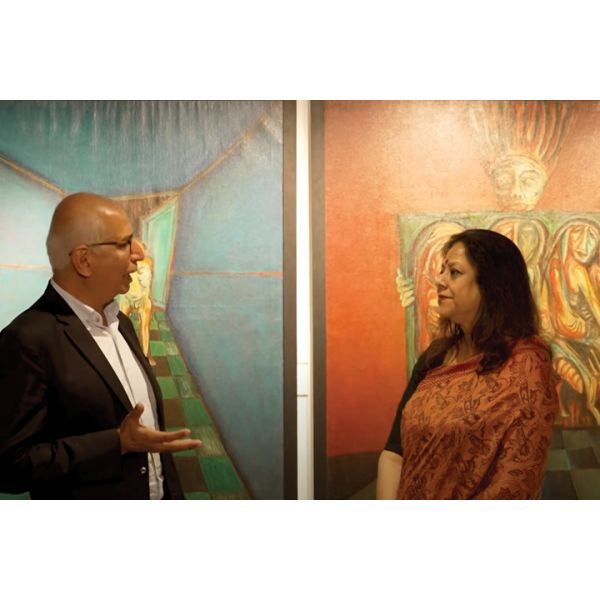 JournalThe Art of Rabin Mondal$0.00A great admirer of Indian modernist Rabin Mondal's works and curator of ‘Kingdom of Exile, a major retrospective on the artist, Kishore Singh of DAG is joined by Ina Puri, documentarian, collector and an old acquaintance of the artist as, together, they explore the circumstances of Mondal’s painterly life, particularly his vaunted King Series. A set of eight powerful paintings on the theme and hubris of power, now going on view at the upcoming Art Dubai 2022 Learn More
 -
 Collection OnlineDEVIS$1.00
The Devi or the female power in Hindu mythology appears in various avatars in our everyday lives—as idols during the puja, on covers of magazines, product labels, calendars and posters. The modern history of visualising the Devi goes back to naturalistic depictions in oil paintings by the Early Bengal artists, which were surpassed in popularity and fame by Raja Ravi Varma and his studio. His representation, however, was regarded as too human-like by artists of the Bengal School in the early twentieth century, who created idealised forms based on a synthesis of classical visual traditions. In the twentieth century, we find artists responding to distinctive traits of the goddess to portray specific aspects of her power, or to convey the artist's own relationship with divinity. Few artists who have turned to Hindu myths have been able to escape the temptation to interpret the female power in their own way, and the diversity in style, medium, and mood is a testament to that.
Learn More -
 Collection Stories150 years of Abanindranath Tagore$1.00
At the turn of the twentieth century, Abanindranath Tagore asked himself if the emerging artists of modern India should continue to paint in the manner of their European colonizers; or was there a new path waiting to be forged? His answers led him to envision a pan-Asian cultural identity, spanning traditions from Persia to Japan, and culminating in a ‘new “Indian” art.’ Regarded as the founder of the Bengal School, Abanindranath left an unparalleled legacy both in terms of his own diverse body of work, and through his pupils, like Nandalal Bose, who shaped the contours of art across the subcontinent in the twentieth century.
Learn More