


Search results for: 'Chinese Picasso's family battles over priceless art'
-
 Collection OnlineTHE TAGORES$1.00
One of the most distinguished families in Bengal, the Tagores exercised unparalleled influence over the cultural landscape of the region. The Nobel Laureate, Rabindranath Tagore (1861 - 1941), and two of his nephews, Gaganendranath Tagore (1867-1938) and Abanindranath Tagore (1871 - 1951) were recognised as India’s National Art Treasure artists. Sunayani Devi (1875 -1962), their sister, is regarded as one of modern India’s first women painters known by name. Her lyrical paintings and embroideries often looked inward to an imagined world of fables and myths. At the turn of the twentieth century, we see Abanindranath emerging as the founder of the Bengal School as he envisioned a new Indian art that was free of colonial influence, rooted in pan-Asianism. Gaganendranath, on the other hand, was a prolific satirist and cartoonist, who imagined new forms and perspectives inspired by Cubism. Together they formed the influential Indian Society of Oriental Art in 1907, while Rabindranath’s school and university at Santiniketan would continue to shape modern art in Bengal for generations to come.
Learn More -
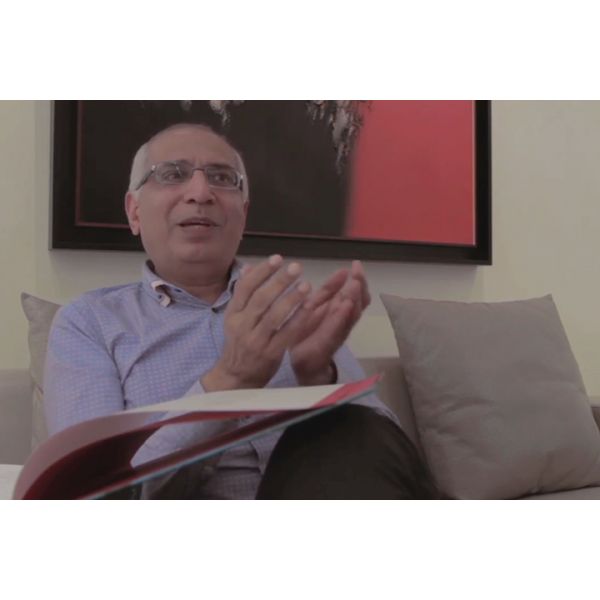 JournalMemory and Identity - Indian Artists Abroad$0.00What do you make of a work of art? What was the artist attempting to communicate? These video shorts offer brief overviews on artists and their work in the way of expert opinions by scholars, curators art writers—and by the artists themselves. Learn More
 -
 ExhibitionsAvinash Chandra: HumanscapesAs low as $1.00
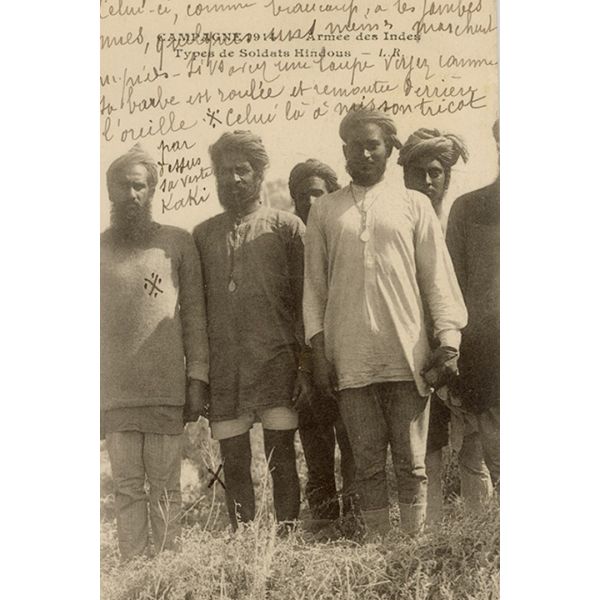
This is the first-ever retrospective of the Indian modern artist Avinash Chandra who lived most of his life in the West, in London and New York. The artist, who had trained in New Delhi, left soon after for London, and most of his practice was limited to London and New York, the two cities he called his home till his unfortunately early death in 1991. In the roughly three-and-a-half decades of his career, Avinash’s work changed amazingly, reflecting his environment and milieu as he grew and adapted to cities vastly different from their Indian counterparts, with their own sub-cultures. That this happily coincided with a discovery of India, however superfluously, as a land of spirituality and sexuality, seemed to serve him well as his muse.
Learn More -
-
 ExhibitionsNavrasaAs low as $1.00
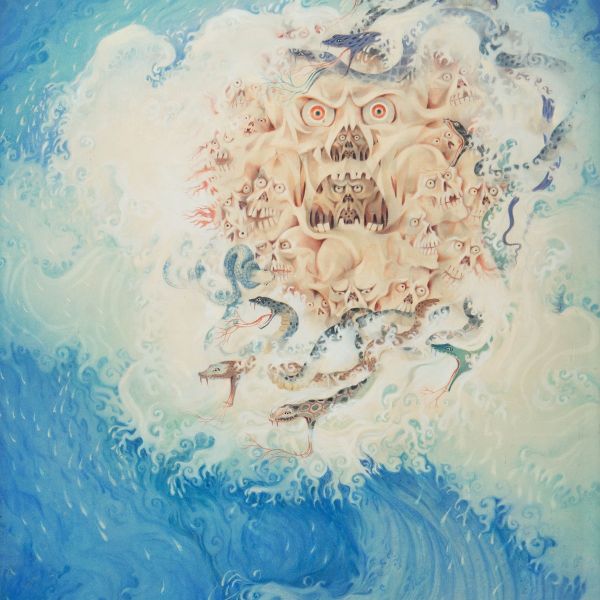
The pinwheel of emotions is the genesis of our current exhibition, 'Navrasa: The Nine Emotions of Art'. This unique treatise of emotions and moods has formed the foundation for the performing and visual arts in India. As we researched deeper to explore the dynamics it shares with Indian modern art, we found that all emotions are intrinsically linked with each other, that they trigger actions and reactions and are catalysts for change. 'Navrasa' explores Indian modernism and looks at the works of masters through the nine primary emotions, and breaks new ground in the visualisation of Indian art. Raiba A. H. Muller A. Ramachandran Altaf Amal Nath Chakladar Amit Ambalal Anonymous Anonymous (Bengal ‘School’) Anonymous (Early Bengal School) Anonymous (Early Bengal, Kalighat Style) Anonymous (Kalighat Pat Anupam Sud Arpana Caur Arun Bose Arup Das Asit Haldar B. N. Arya B. Prabha Badri Narayan Bijan Choudhury Bikash Bhattacharjee Bireswar Sen C. Douglas Chintamoni Kar Chittaprosad D. P. Roy Chowdhury Dattatraya Apte Dharamanarayan Dasgupta F. N. Souza G. Reghu Gogi Saroj Pal Gopal Ghose Gopal Sanyal Haren Das Indu Rakshit J. Sultan Ali Jagadish Dey Jai Zharotia Jamini Roy Jaya Ganguly Jogen Chowdhury Jyoti Bhatt K. C. S. Paniker K. G. Subramanyan K. H. Ara K. K. Hebbar K. S. Kulkarni Kanchan Chander Kartick Chandra Pyne Krishen Khanna Kshitindranath Mazumdar Laxman Pai M. F. Husain Madhvi Parekh Mukul Dey Navjot Nemai Ghosh Nikhil Biswas P. S. Chander Shekar P. T. Reddy Paritosh Sen Prodosh Das Gupta Prokash Karmakar Rabin Mondal Radhacharan Bagchi Raja Ravi Varma Rameshwar Broota Ranbir Singh Kaleka S. Dhanapal Sakti Burman Sanat Chatterjee Sanat Kar Satish Gujral Satish Sinha Shyamal Dutta Ray Somnath Hore Stefan Norblin Subba Ghosh Sudhir Khastgir Sukhvinder Singh Sunil Das Sunil Madhav Sen Thota Vaikuntam Tyeb Mehta V. Nageshkar
Learn More -
 Art FairsIndia Art Fair$0.00
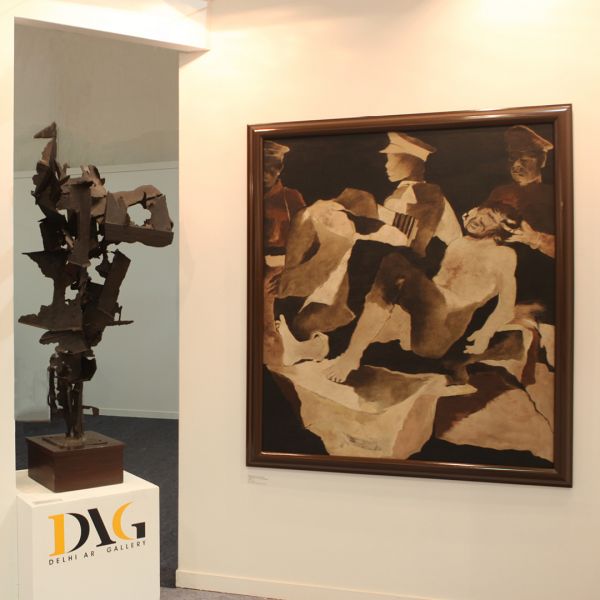
Stepping up its efforts to familiarise viewers with the extensive range of Indian modern art, DAG occupied an extensive booth at the India Art Fair 2014, where over 300 paintings and sculptures were displayed, featuring about 125 artists. The specially designed booth was the centre of attraction at the fair and the most prominent destination for art lovers wanting to understand the development of Indian art from the point of its history, chronology, movements, periods, regions, or genres. It was an art history lesson brought to life and was thronged by visitors. Special talks were organised at the booth. A 332-page catalogue was specially published for the fair and remains a compendium of India’s greatest artists ever. A. A. Almelkar A. A. Raiba A. D. Tavaria A. M. Davierwalla Abalall Rahiman Abanindranath Tagore Akbar Padamsee Altaf Amalnath Chakladhar Ambadas Amitava Aroomoogam Pillay Arpana Caur Avinash Chandra B. C. Law B. Prabha Badri Nath Arya Bal Chhabda Benjamin Hudson Benode Behari Mukherjee Bhupen Khakkar Bijan Choudhary Bikash Bhattacharjee Bimal Dasgupta Bipin Behari Goswami Biren De Bireswar Sen Chintamoni Kar Chittaprosad D. P. Roy Chowdhury Dhanraj Bhagat Dharamanarayan Dasgupta Early Bengal Oil (Anonymous) F. N. Souza G. R. Santosh Gaganendranath Tagore Ganesh Haloi Ganesh Pyne George Keyt Gieve Patel Gogi Saroj Pal Gopal Ghose H. A. Gade Haren Das Hemanta Misra Hemendranath Majumdar Henry Singleton Himmat Shah Indra Dugar J. Sultan Ali J. Swaminthan Jacob Epstein Jamini Roy Jeram Patel Jogen Chowdhury Jyoti Bhatt K. C. S. Panicker K. G. Subramanyan K. H. Ara K. K. Hebbar K. Laxma Goud K. S. Kulkarni Kalighat Pat Kanwal Krishna Khagen Roy Kisory Roy Krishen Khanna Kshitindranath Majumdar L. Munuswamy L. N. Taskar L. P. Shaw Laxman Pai M. A. R. Chughtai M. F. Husain M. F. Pithawalla M. V. Dhurandhar Manjit Bawa Manu Parekh Meera Mukherjee Mohan Samant N. R. Sardesai N. S. Bendre Nandalal Bose Nemai Ghosh Nikhil Biswas P. Chander Sheker P. Khemraj P. T. Reddy P. V. Janakiram Paritosh Sen Pestonji E. Bomanji Portrait (Anonymous) Prabhakar Barwe Prodosh Das Gupta Prokash Karmakar Prosanto Roy R. Vijaivargiya Rabin Mondal Rabindranath Tagore Radha Charan Bagchi Raghav Kaneria Raja Ravi Varma Ram Kumar Ramendranath Chakravorty Rameshwar Broota Ramkinkar Baij Ravi Varma School (Anonymous) S. Dhanapal S. G. Thakur Singh S. H. Raza S. L. Haldankar S.K. Bakre Sailoz Mukherjea Sankho Choudhuri Satish Gujral Shiavax Chavda Shyamal Dutta Ray Sohan Qadri Somnath Hore Suhas Roy Sunil Das Sunil Madhav Sen Thomas Daniell Tyeb Mehta V. Nageshkar V. S. Gaitonde Ved Nayar
Learn More -
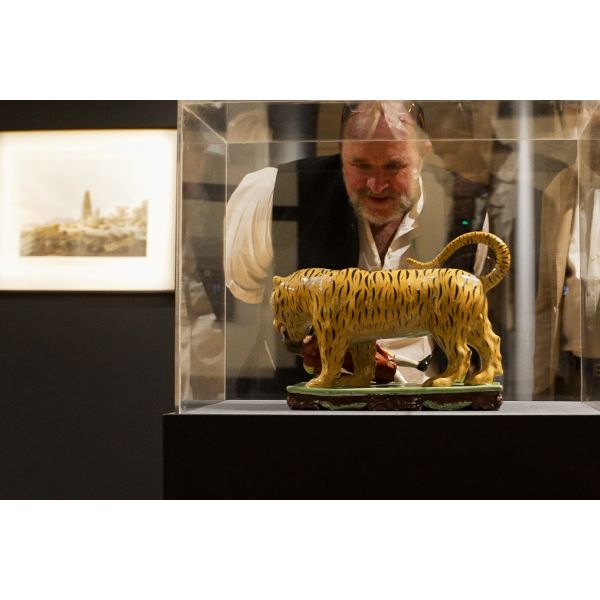 JournalWilliam Dalrymple on Tipu Sultan$0.00Twenty-five years is not a long time in the life of an institution, especially when its scope of work is as overarching as DAG’s is. This short video encapsulates the gallery’s monumental journey undertaken on its silver anniversary, providing a snapshot of the prodigious work it has undertaken in such a short span of time. Learn More
 -
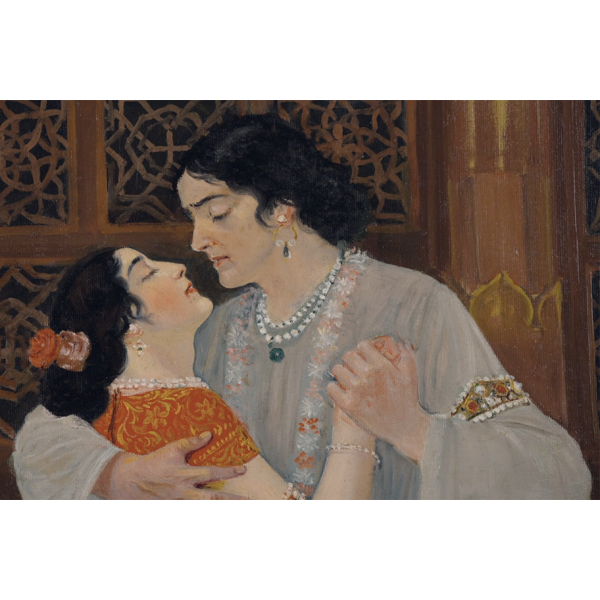 JournalTasneem Zakaria Mehta on M.V. Dhurandhar$0.00'Iconic Masterpieces of Indian Modern Art, Edition 2' opened on 11 February, featuring fifty artworks which shaped the trajectory of pre-modern and modern art in the country. As part of the exhibition, Tasneem Zakaria Mehta reflects on M.V Dhurandhar’s mythological painting of Usha and Anirudhdha’s union, drawing attention to the grace and fluidity that suffuse his expert rendition of form along with his mastery over capturing the intricate details of women’s dresses. Learn More
 -
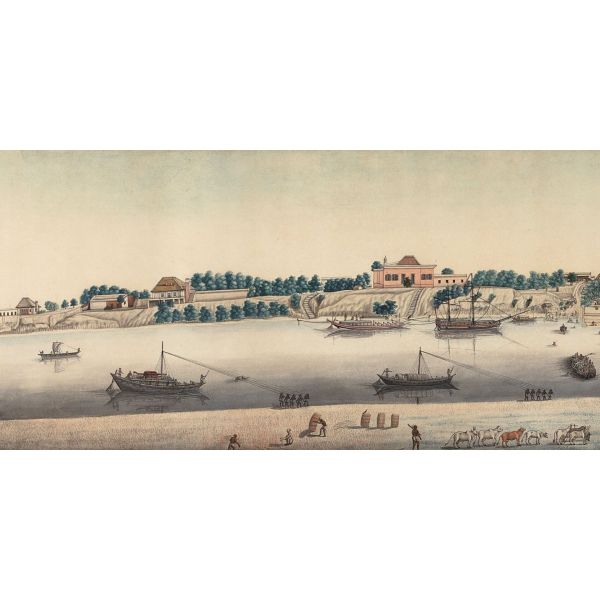 JournalTerm of the Month: Provenance$0.00
One of the most important ways in which a work of art is authenticated is by checking its provenance. What does provenance mean and how does it affect the identity of an artwork itself? The concept has evolved historically over the years; below, we try to highlight some of the important aspects of this debate in our recurring series, Argot, that seeks to demystify some of the major ideas from the world of art.
Learn More -
 JournalThe French Connection: S. H. Raza at Paris' Centre Pompidou$0.00
In February, Paris' Centre Pompidou--a premier centre for modern art since its construction in 1977--mounted an extensive solo show looking back at S. H. Raza’s career in painting. It represents a historic moment for Indian modern art’s international story as it unfolded over the twentieth century, and also marked Raza's own symbolic return to the place where he stayed for most of his working life. The fertile post-independent period saw cross-cultural connections being forged by Indian artists in Europe and America on their own terms and this show is a testament to Raza’s evolving encounters with land and mythology. The curators, Catherine David and Diane Toubert, spoke to DAG highlighting some of the takeaways from this major retrospective.
Learn More -
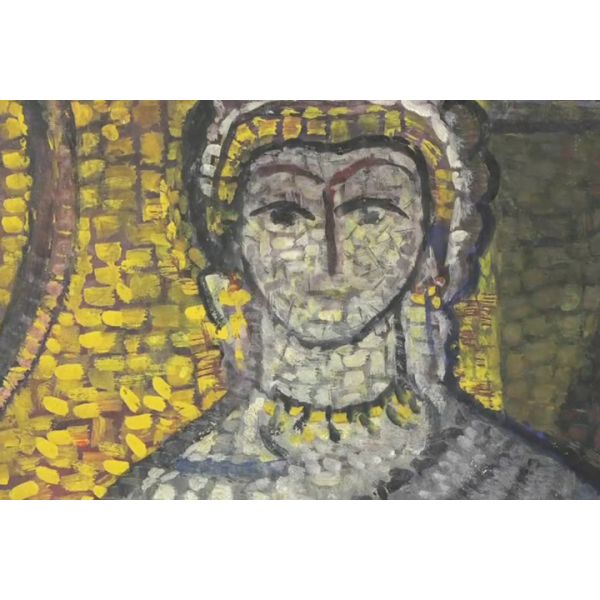 JournalJamini Roy$0.00What do you make of a work of art? What was the artist attempting to communicate? These video shorts offer brief overviews on artists and their work in the way of expert opinions by scholars, curators art writers—and by the artists themselves. Learn More
 -
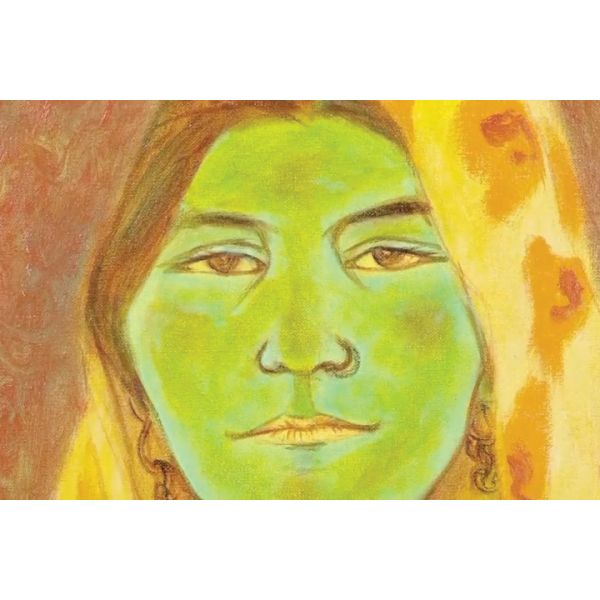 JournalA. Ramachandran$0.00What do you make of a work of art? What was the artist attempting to communicate? These video shorts offer brief overviews on artists and their work in the way of expert opinions by scholars, curators art writers—and by the artists themselves. Learn More