Search results for: 'valorant section 7 ban reddit without hceat'
-
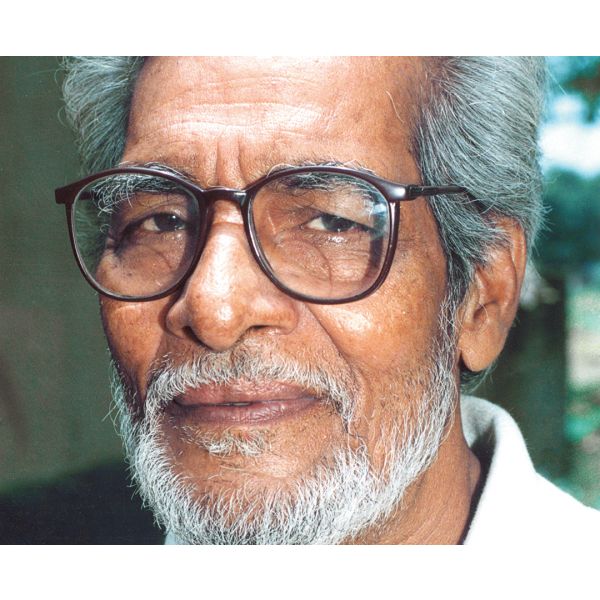 ArtistsBijan Chowdhury$0.00Born in Faridpur in present-day Bangladesh, Bijan Chowdhury moved to Calcutta to study at the Government School of Art, but due to his leftist activities, was expelled. He then went to the Government Institute of Arts, Dacca, headed by his erstwhile teacher, Zainul Abedin, from where he graduated in 1953. Learn More
 -
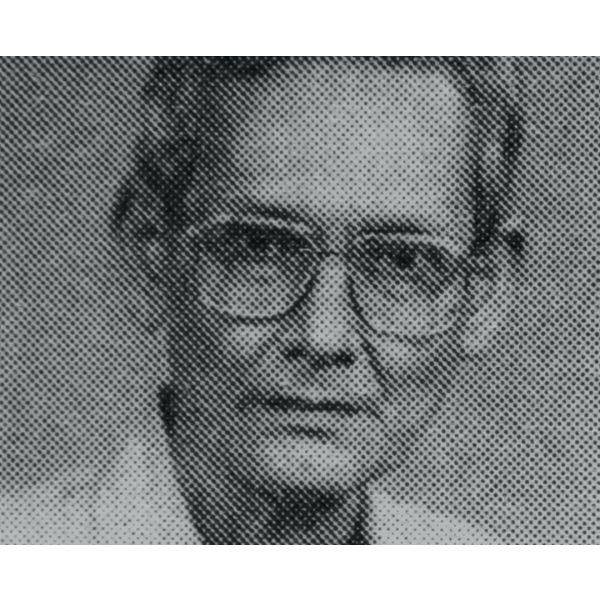 ArtistsAmalnath Chakladhar$0.00Born in present-day Bangladesh, Amalnath Chakladhar belongs to that category of Bengali modernists who carved an identity uniquely their own, despite the overarching influence of the three prominent strains of modern art in Bengal in the first half of the twentieth century—the Bengal School, academic training in art schools of Calcutta, and expressionism in Santiniketan. His contribution to furthering modernism in India, therefore, assumes importance for being a seminal, individual effort. Learn More
 -
 ExhibitionsThe Art Of SantiniketanAs low as $1.00
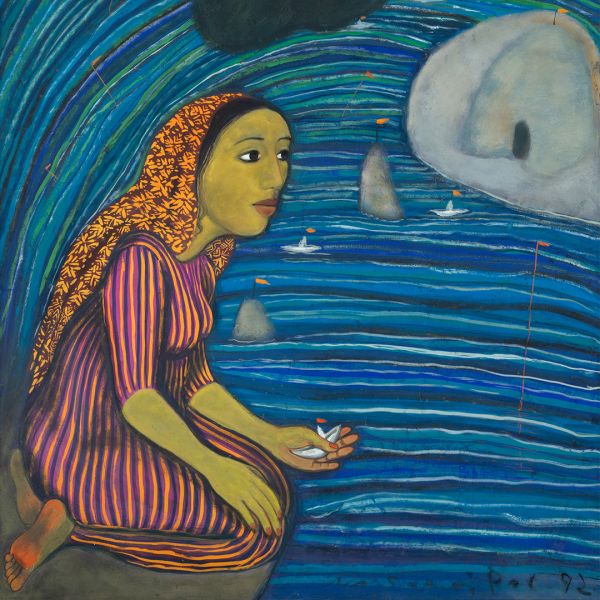
The Art of Santiniketan showcases the work of its four chief artists—Santiniketan’s founder, Rabindranath Tagore, its first principal and the architect of the Santiniketan pedagogy, Nandalal Bose, and his two illustrious students who went on to make a name for themselves as highly original and significant artists—Benode Behari Mukherjee and Ramkinkar Baij. Santiniketan was a path-breaking educational institution Rabindranath Tagore set up in rural Bengal in the early twentieth century, and the exhibition begins by examining its genesis in Tagore’s radical ideas of basing education in freedom and in the midst of nature. Benode Behari Mukherjee Nandalal Bose Rabindranath Tagore Ramkinkar Baij
Learn More -
-
-
 ExhibitionsMaster Maqbool: Works by M. F. HusainAs low as $1.00
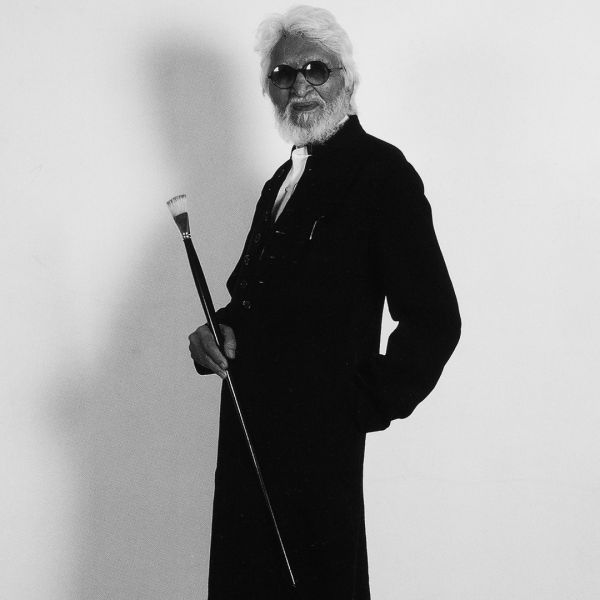
He was the colossus of the Indian art world whose reign over twentieth-century modern art remains unparalleled. M. F. Husain (1913-2011) was the face of Indian modernism and owned it completely. Having started out as a painter of billboards in Bombay, he became its unchallenged monarch as a member of the influential Progressive Artists’ Group in 1947. He claimed the first National Award instituted by the Lalit Kala Akademi in 1955, and went on to become India’s most celebrated artist. In a practice that spanned over seventy years, Husain was playful, experimental, provocative, controversial—but never mediocre.
Learn More -
 ExhibitionsThe Sixties ShowAs low as $1.00
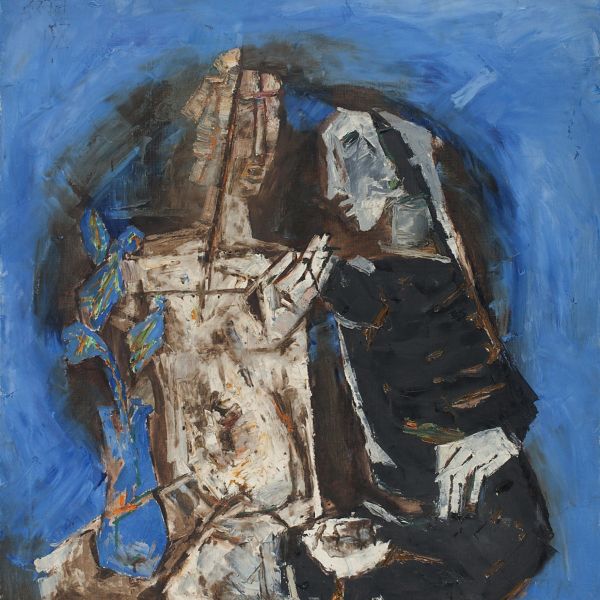
The 1960s was a period of immense change around the world, and it had deep ramifications on India’s socio-political scenario. The country had left behind the jubilation of Independence and was feeling the pinch of a nation grappling with the issues of development that impacted society and environment. A war with China in 1962 and Pakistan in 1965 had far-reaching implications on the national psyche— the first of shame, the latter of pride. Crippling shortages and unemployment were impacting life, even as the country’s success with the Green Revolution was directed at self-sufficiency. Migration from the villages to urban centres was increasing. Disparities—economic, gender or class—provided fertile ground for the alienation of the other. The more anglicised among the youth found themselves being drawn into the vortex of a global hippie movement. A. A. RAIBA AMBADAS ANUPAM SUD AVINASH CHANDRA BIKASH BHATTACHARJEE BIMAL DASGUPTA DHANRAJ BHAGAT F. N. SOUZA G. R. SANTOSH HIMMAT SHAH J. SULTAN ALI J. SWAMINATHAN JAMINI ROY JERAM PATEL JOGEN CHOWDHURY JYOTI BHATT K. G. SUBRAMANYAN K. LAXMA GOUD KRISHEN KHANNA LAXMAN PAI M. F. HUSAIN MADHVI PAREKH P. T. REDDY PARITOSH SEN PRABHAKAR BARWE PRODOSH DASGUPTA PROKASH KARMAKAR RABIN MONDAL RAM KUMAR RAMESHWAR BROOTA S. H. RAZA S. K. BAKRE SAKTI BURMAN SATISH GUJRAL SHANTI DAVE SOHAN QADRI SOMNATH HORE SUNIL DAS ZARINA HASHMI
Learn More -

-
 ExhibitionsManifestations VIII: 75 ArtistsAs low as $1.00
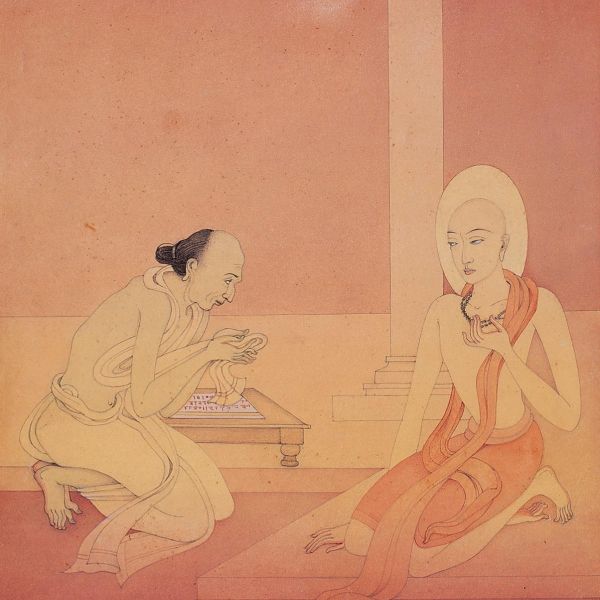
The exhibition brings together important and unusual works of art that span a wide range of genres, forms, periods and styles. They are grouped by genre, of abstract art, figurative art, landscape art, portraiture and still-life. Each thematic arrangement features a select collection of artworks from the artist’s mature period, several of which are of substantial art historical significance. Ambadas S. K. Bakre Avinash Chandra V. S. Gaitonde Ganesh Haloi Hemanta Misra Jeram Patel Sohan Qadri S. H. Raza Krishna Reddy G. R. Santosh Laxman Shreshtha Figurative J. Sultan Ali A. A. Almelkar Amitava Radha Charan Bagchi Bikash Bhattacharjee Nikhil Biswas Sakti Burman Chittaprosad Bijan Choudhary Prodosh Das Gupta Dharamnarayan Dasgupta Biren De S. Dhanpal M. V. Dhurandhar Shyamal Dutta Ray Early Bengal (Anonymous) K. Laxma Goud Satish Gujral M. F. Husain Kalighat Pat (Anonymous) Prokash Karmakar George Keyt Krishen Khanna P. Khemraj K. S. Kulkarni Ram Kumar Kshitindranath Majumdar Tyeb Mehta Anjolie Ela Menon Rabin Mondal M. Reddappa Naidu Badri Narayan Navjot Laxman Pai Gogi Saroj Pal Gieve Patel Ganesh Pyne Ravi Varma School (Anonymous) P. T. Reddy Jamini Roy Paritosh Sen Sunil Madhav Sen B. Vithal Landscape Akbar Padamsee Kisory Roy F. N. Souza J. Swaminathan Portraits Anonymous Jyoti Bhatt Sankho Chaudhuri Jogen Chowdhury Sunil Das Olinto Ghilardi Surendran Nair M. F. Pithawalla A. A. Raiba Himmat Shah Rabindranath Tagore Still-life K. H. Ara K. K. Hebbar B. Prabha Jehangir Sabavala S. G. Thakur singh
Learn More -
 ExhibitionsIconicAs low as $1.00
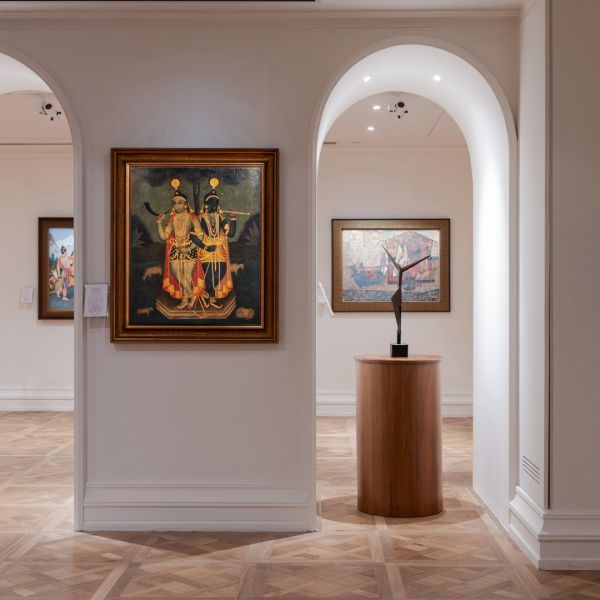
'Iconic Masterpieces of Indian Modern Art' is an exhibition specially curated to commemorate the opening of DAG’s new galleries at the Taj Mahal Palace in Mumbai. The pathbreaking exhibition of some of the finest nineteenth and twentieth century art related to India consists of fifty outstanding works, each of them exceptional for their historicity, rarity, and quality. Established in 1993, DAG has created an enviable reputation over the decades for its collection and exhibitions of twentieth century art. But with 'Iconic Masterpieces of Indian Modern Art', it draws attention to its growing strength in nineteenth century art, a new area that it has now committed itself to with a growing inventory of Western artists who travelled to India to paint, as well as Indian artists whose identities have remained unknown for lack of adequate documentation. The earliest work in this exhibition, dated 1805-10, is of one of the largest recorded Company Paintings, and concludes with a rare sculpture cast as recently as 2021 in Indonesia. Ramachandran Adi Davierwalla Ambadas Avinash Chandra Bikash Bhattacharjee Dhanraj Bhagat Early Bengal Oils Edwin Lord Weeks F. N. Souza Frank Brooks G. R. Santosh Ganesh Haloi J. Sultan Ali J. Swaminathan Jamini Roy Jeram Patel Jogen Chowdhury K. C. S. Paniker K. G. Subramanyan K. K. Hebbar K. Laxma Goud K. S. Radhakrishnan Krishen Khanna Laxman Pai M. A. R. Chughtai M. F. Husain M. V. Dhurandhar Madhvi Parekh Marius Bauer Natvar Bhavsar Nicholas Roerich Nikhil Biswas Paritosh Sen Prabhakar Barwe Rabin Mondal Rabindranath Tagore Rajendra Dhawan Ram Kumar Rameshwar Broota Ramgopal Vijaivargiya Ramkinkar Baij Ranbir Singh Kaleka Satish Gujral Shanti Dave Sohan Qadri Stefan Norblin Studio of Raja Ravi Varma Sunil Das Tyeb Mehta Company Paintings
Learn More -
-