


Search results for: 'DAG dates for M F Husa'
-
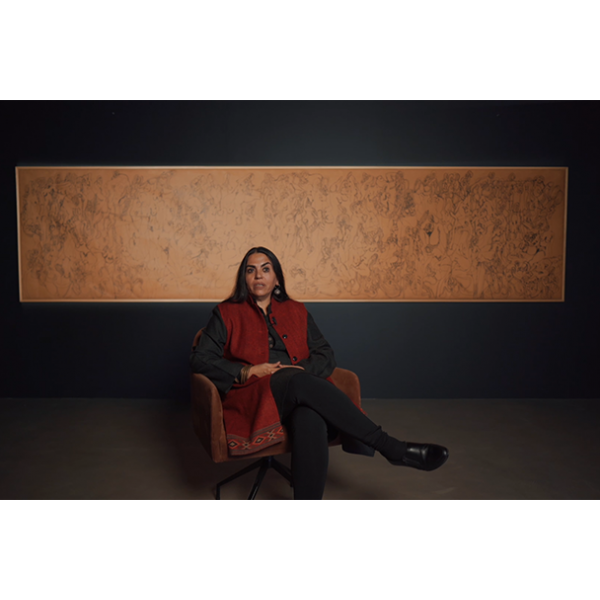 JournalAlita Chandra on Avinash Chandra$0.00
Alita Chandra, daughter of the artist Avinash Chandra reflects on the transcultural influences on his painting and his preoccupation with female subjects.
Learn More -
 Collection OnlineTHE WASH TECHNIQUE$1.00
The wash technique has come to be associated in India with the art of the Bengal School, but the story of its origins in India takes us back to an era of rich cultural exchanges. In the early twentieth century artists like Abanindranath Tagore were trying to imagine a pan-Asian cultural identity, and they turned for inspiration to traditions from across Persia to Japan. Rabindranath Tagore's friendship with Okakura Kakuzō occasioned the arrival of several Japanese artists in Kolkata, such as Yokoyama Taikan, Hishida Shunsō and Katsuta Shōkin. While the latter found inspiration in the Hindu epics, artists in Bengal adapted techniques that were used by the Japanese, such as the wash technique or the subtle use of ink and brush. Since then, the wash technique has been interpreted widely by individual artists, offering an ethereal quality of light to their works, or, in some cases, like for Gaganendranath Tagore and Prosanto Roy, new possibilities of painting in various shades of darkness.
Learn More -
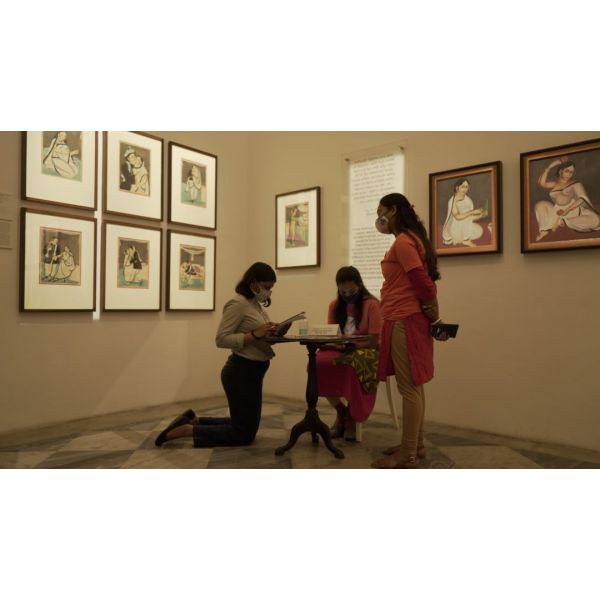 Events and ProgrammesMuseum Ambassadors$1.00
An experiential learning and apprenticeship programme for high school students in collaboration with arts education organisations, offering them a first-hand experience of working in a museum, learning about the art and history, and translating their learnings to develop museum experiences for their peers.
Learn More -
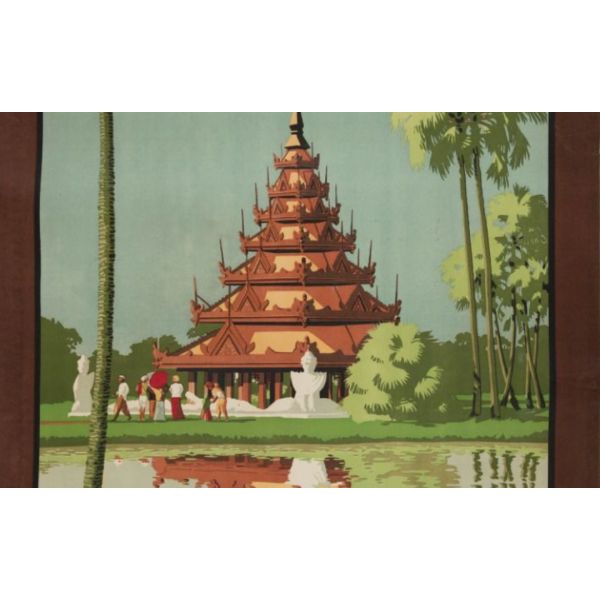 Events and ProgrammesMappa theke Manchitra$1.00
A guided walk of the first free circulating public library of India—Uttarpara Public Library—with researcher Sarbajit Mitra, traversing the history of regional literary cultures, and sifting through their vast archive to delve into the vibrant world of illustrated periodicals in colonial Bengal, followed by a poetry reading by Sujoy Prasad Chatterjee.
Learn More -
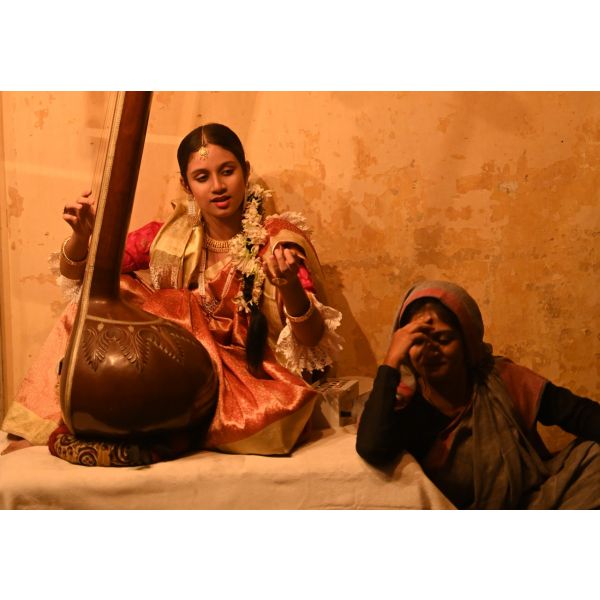 Events and ProgrammesKeyabat Meye$1.00
Feminist collective Samuho navigates the interplay between the interior and exterior lives of women at the cusp of nineteenth century reform movements through a performance-installation inspired by Shreepantha’s Keyabat Meye and the tradition of Prahasan.
Learn More -
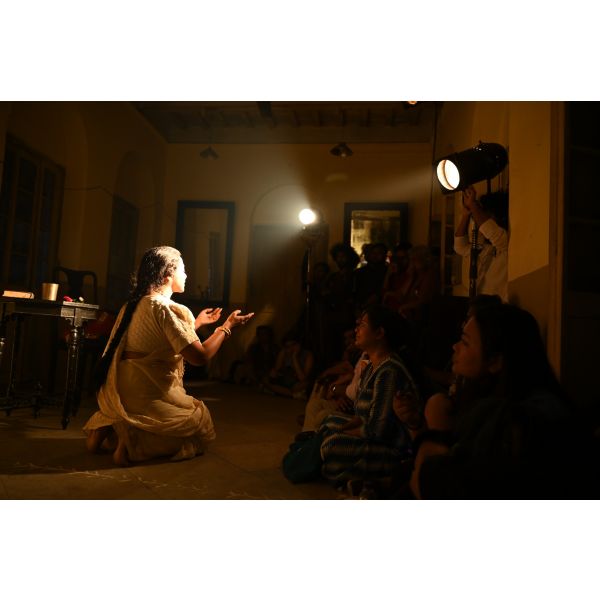 Events and ProgrammesKeyabat Meye$1.00
Feminist collective Samuho navigates the interplay between the interior and exterior lives of women at the cusp of nineteenth century reform movements through a performance-installation inspired by Shreepantha’s Keyabat Meye and the tradition of Prahasan.
Learn More -
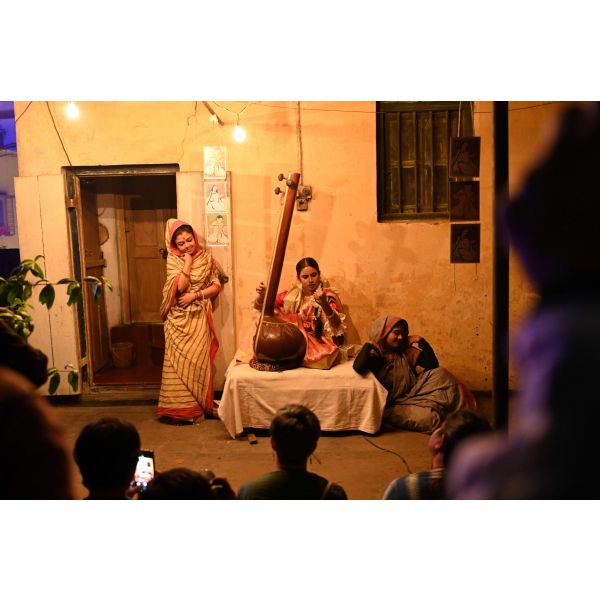 Events and ProgrammesKeyabat Meye$1.00
Feminist collective Samuho navigates the interplay between the interior and exterior lives of women at the cusp of nineteenth century reform movements through a performance-installation inspired by Shreepantha’s Keyabat Meye and the tradition of Prahasan.
Learn More -
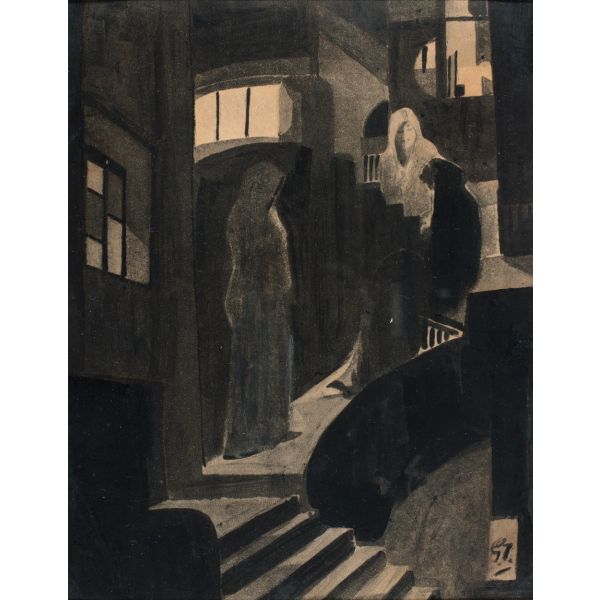 Events and ProgrammesMuseum as a Classroom: Jorasanko Thakurbari$1.00
A capacity building workshop for teachers on crafting museum-learning experiences for students at the historic house museum of the Tagore family. The workshop will focus on tools that can help make school visits to heritage sites more interactive and engaging.
Learn More -
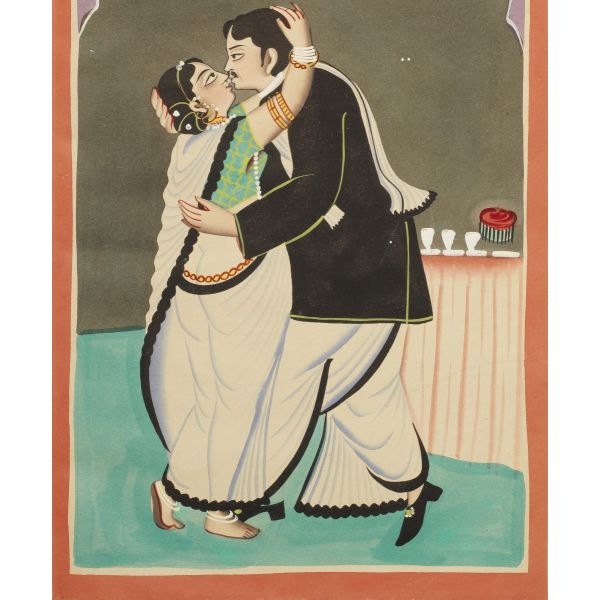 Events and ProgrammesKeyabat Meye$1.00
Queer-Feminist collective Samuho navigates the interplay between the interior and exterior lives of women at the cusp of nineteenth century reform movements through a performance-installation inspired by Shreepantha’s Keyabat Meye and the tradition of Prahasan.
Learn More -
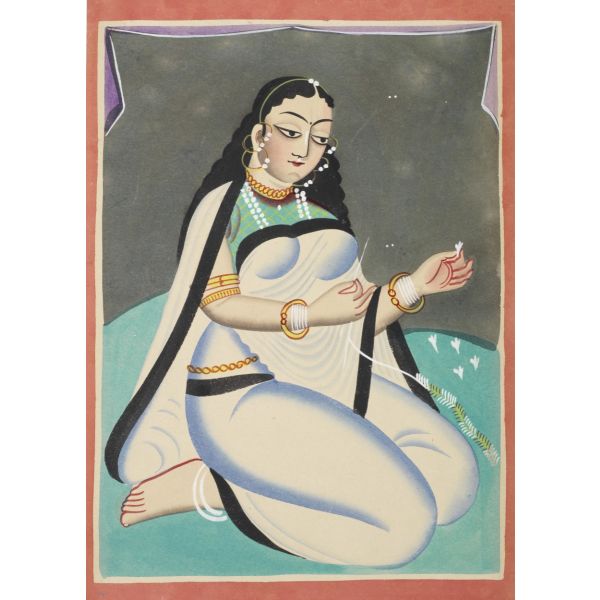 Events and ProgrammesKeyabat Meye$1.00
Queer-Feminist collective Samuho navigates the interplay between the interior and exterior lives of women at the cusp of nineteenth century reform movements through a performance-installation inspired by Shreepantha’s Keyabat Meye and the tradition of Prahasan.
Learn More -
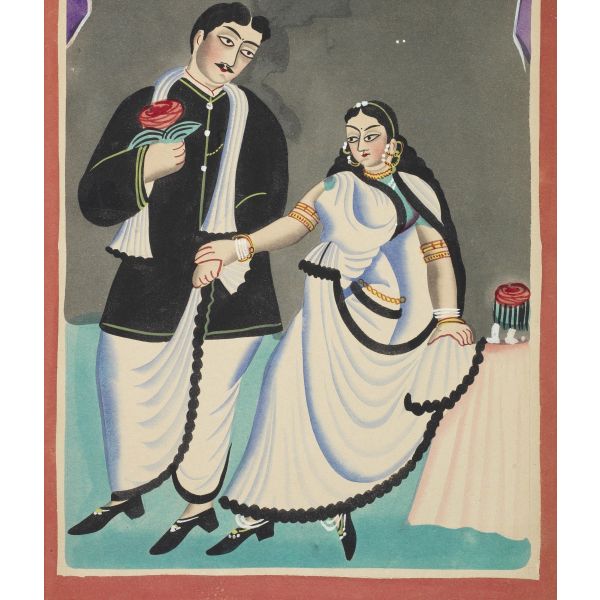 Events and ProgrammesKeyabat Meye$1.00
Feminist collective Samuho navigates the interplay between the interior and exterior lives of women at the cusp of nineteenth century reform movements through a performance-installation inspired by Shreepantha’s Keyabat Meye and the tradition of Prahasan.
Learn More -
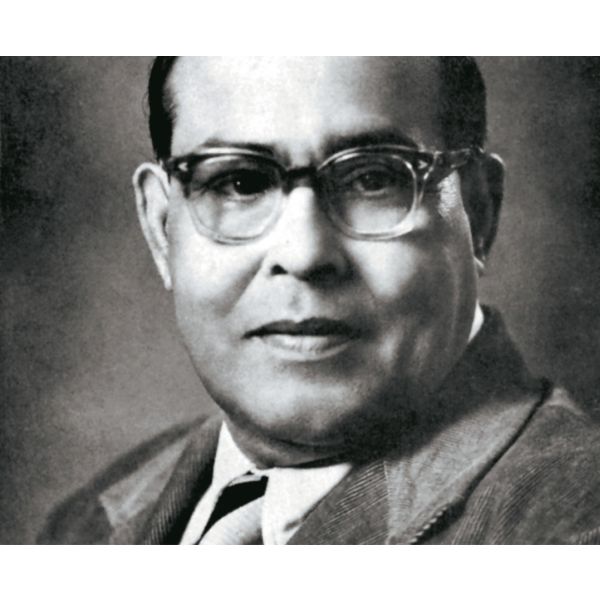 ArtistsMukul Dey$0.00India’s first creatively trained printmaker and pioneer of dry point etching in the country, Mukul Chandra Dey was born on 23 July 1895 in Sridharkhola, Bengal. He joined Santiniketan’s Brahmacharya Ashram school at the age of eleven and trained in art under the Tagore family stalwarts, becoming a close associate of Abanindranath Tagore. Learn More